
Introduction to Esports
Esports, short for electronic sports, has become one of the most transformative cultural and entertainment phenomena of the 21st century. What began as a niche hobby for gamers has now evolved into a global industry worth billions of dollars, captivating audiences across continents. From small-scale gaming tournaments in the 1990s to international championships watched by millions, esports has redefined what competition means in the digital age.
Unlike traditional sports that rely on physical prowess, esports thrives on mental agility, precision, teamwork, and strategy. It has broken the boundaries between technology and competition, merging gaming culture with professional sportsmanship. Today, esports is not merely a pastime; it is a legitimate career, a spectator sport, and a major force driving global digital entertainment.
The Early Beginnings of Esports
The origins of esports date back to the late 1970s and early 1980s, when arcade games and early computer titles became popular. The first known gaming competition took place at Stanford University in 1972, where students played the game Spacewar!. Though modest in scale, it marked the first time gaming was recognized as a competitive event.
During the 1980s, gaming tournaments began appearing in arcades, particularly around iconic titles like Pac-Man and Donkey Kong. High scores became badges of honor, and players competed for prestige rather than money. This era laid the foundation for what would later become structured esports events.
The 1990s brought about a technological revolution. The rise of the internet and local area network (LAN) parties gave gamers the opportunity to compete in real-time against others. Games such as Doom, Quake, and StarCraft became the backbone of early competitive gaming. Players began forming teams, and tournaments started offering cash prizes.
The 2000s: The Birth of the Modern Esports Era
The new millennium ushered in a new phase of esports development. Broadband internet allowed players from around the world to connect seamlessly, breaking geographic barriers. Game developers recognized the potential of online competition and began integrating ranking systems, tournaments, and spectator modes directly into their games.
This period saw the birth of professional gaming leagues. Titles like Counter-Strike, Warcraft III, and StarCraft: Brood War dominated the scene. South Korea emerged as a global powerhouse, establishing professional esports organizations, training facilities, and televised tournaments. Esports athletes in Korea achieved celebrity status, inspiring a generation of gamers worldwide.
Western countries soon followed. Organizations such as Major League Gaming (MLG) in North America and the Electronic Sports World Cup (ESWC) in Europe elevated esports to a professional level. Tournaments grew in scale and production quality, attracting sponsors from outside the gaming industry.
The Explosion of Esports in the 2010s
The 2010s marked the true explosion of esports into mainstream culture. High-definition streaming platforms, especially Twitch and YouTube Gaming, made competitive gaming accessible to a global audience. Viewers could now watch their favorite players and teams live from anywhere in the world.
During this decade, several iconic titles cemented esports’ place in entertainment history. League of Legends, Dota 2, Counter-Strike: Global Offensive, Overwatch, and Fortnite became household names. Each of these games built thriving competitive ecosystems with millions of fans and multi-million-dollar prize pools.
In 2011, The International, a Dota 2 tournament hosted by Valve, offered an unprecedented prize pool of over one million dollars, setting new standards for esports rewards. In later years, this figure multiplied, with some editions exceeding $30 million. Similarly, League of Legends tournaments drew massive viewership, rivaling traditional sports events.
Esports organizations began to resemble professional sports teams, complete with coaches, analysts, nutritionists, and psychologists. The players, often in their late teens or early twenties, became role models and influencers with massive social media followings.
The Role of Technology in Esports Growth
Technology has been the driving force behind esports’ rapid expansion. High-speed internet, powerful gaming PCs, advanced consoles, and streaming services have made competitive gaming more accessible and immersive than ever before.
Game developers have played a crucial role in building the esports ecosystem. Modern titles are designed with competitive features such as ranked matchmaking, replay systems, spectator modes, and balanced gameplay. This ensures that esports remains engaging for both players and audiences.
Streaming technology, particularly the rise of live platforms, has revolutionized esports broadcasting. It has created a direct connection between players and fans, fostering communities that span continents. Augmented reality and virtual reality are also beginning to shape the next phase of esports, promising even more interactive experiences.
The Professional Esports Athlete
The concept of a professional gamer has evolved dramatically. In the early years, gamers competed for passion and recognition. Today, top esports players earn substantial salaries, sponsorships, and endorsements comparable to traditional athletes.
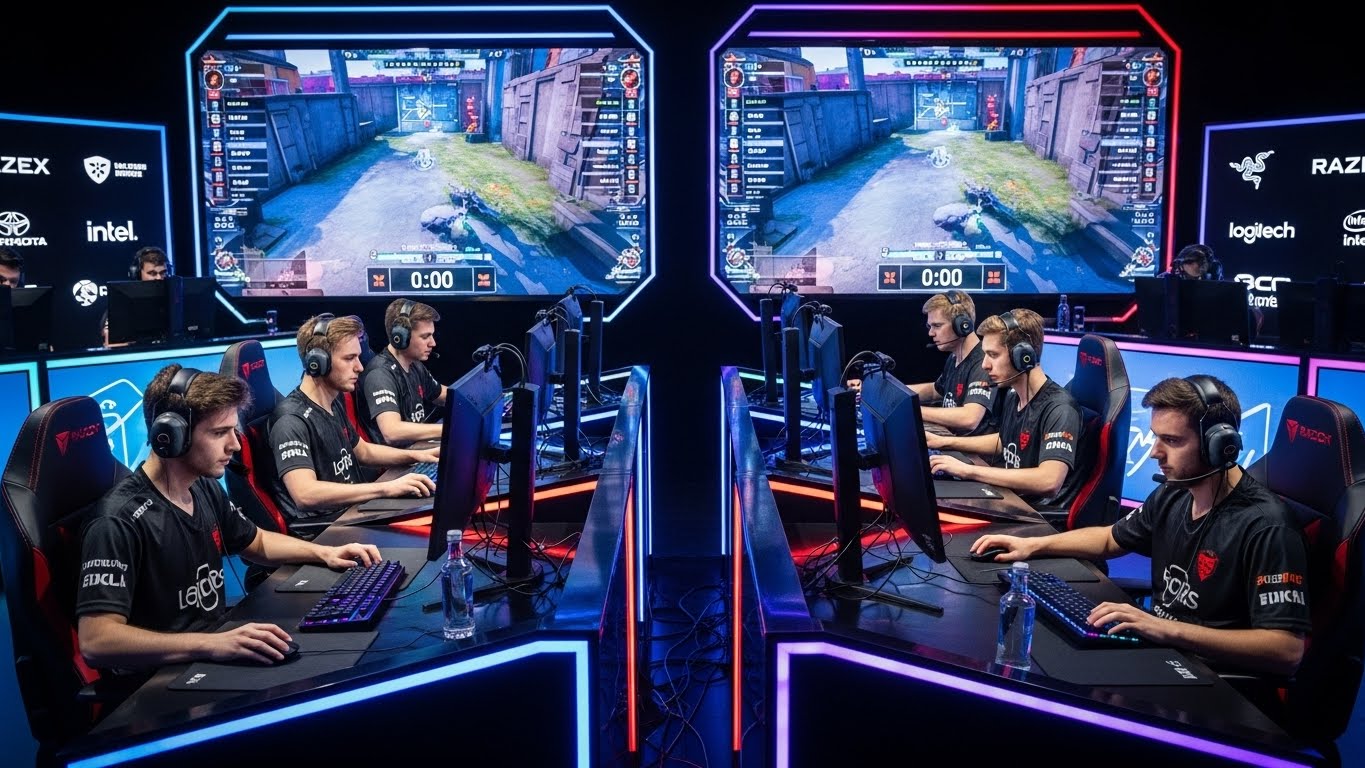
Esports athletes undergo rigorous training schedules. They practice for several hours daily, analyze gameplay footage, and participate in strategy sessions. Mental and physical health have become integral to their success, leading to structured routines involving fitness, nutrition, and stress management.
Professional teams provide housing, coaching staff, and performance analysts to maximize player potential. Esports has also introduced formal contracts, agents, and player associations to ensure fair treatment and career longevity.
Despite the glamour, the life of a professional gamer can be demanding. The constant pressure to perform, coupled with limited career spans, makes mental resilience essential. However, many players transition into coaching, streaming, or content creation after retiring from competitive play, ensuring continued involvement in the industry.
The Spectator Experience
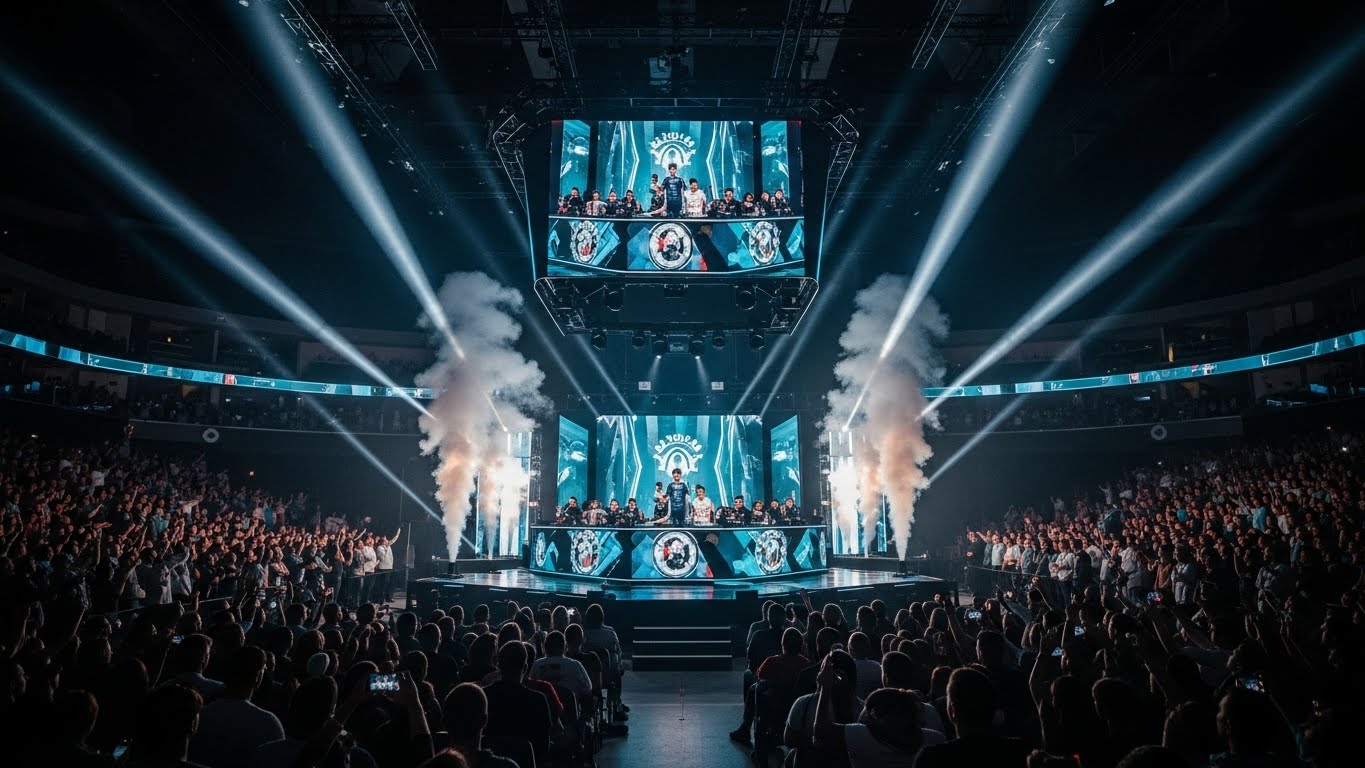
Watching esports has become as thrilling as playing. The combination of skilled gameplay, commentary, and high production values creates an entertainment experience similar to traditional sports broadcasts. Fans cheer for their favorite teams, buy merchandise, and attend live events held in massive arenas.
Esports tournaments now fill venues like Madison Square Garden and the Staples Center. The energy of a live audience enhances the competitive atmosphere, blending virtual and physical excitement. Viewers follow tournaments online, with millions tuning in to grand finals.
Commentators, analysts, and hosts play an essential role in esports broadcasts. They break down complex strategies, build narratives, and enhance the drama of each match. Esports fandom has become deeply personal, as players interact directly with fans through social media, live streams, and meet-and-greet events.
The Business of Esports
Behind the competitive glamour lies a complex and thriving business ecosystem. Esports generates revenue through sponsorships, advertising, merchandise, ticket sales, media rights, and in-game purchases. Major brands from various industries—energy drinks, tech companies, automotive manufacturers, and even fashion labels—invest heavily in esports marketing.
Franchising has become a key model for many leagues. For instance, leagues built around games like Overwatch and Call of Duty operate similarly to traditional sports leagues, with city-based teams, fixed schedules, and structured revenue sharing. This model provides stability and long-term growth opportunities for teams and players.
Streaming platforms have also monetized viewership through subscriptions, donations, and ad revenue. Esports influencers contribute significantly to brand awareness, blending gaming skill with entertainment and personality.
Universities and colleges around the world now offer esports scholarships and degrees, reflecting its legitimacy as both a career and academic field. Governments in several countries have begun recognizing esports professionals with athlete visas, further solidifying their status in the sports world.
Cultural Impact of Esports
Esports has reshaped youth culture and global entertainment. It represents the convergence of gaming, media, and technology, appealing to a generation raised in the digital age. For many young people, esports provides a sense of community and belonging that transcends borders.
The inclusivity of esports is one of its most powerful aspects. Players from different countries, languages, and backgrounds compete on equal footing. Online platforms foster cross-cultural friendships and rivalries, contributing to global understanding and cooperation.
Esports has also influenced fashion, music, and media. Collaborations between game developers, musicians, and artists are now commonplace. Esports-themed merchandise, soundtracks, and animated series have extended the industry’s reach beyond gaming enthusiasts.
The Challenges Facing Esports
Despite its success, esports faces several challenges. Player burnout, lack of regulation, and inconsistent tournament structures remain ongoing concerns. The rapid pace of game updates and meta changes can disrupt competitive balance, forcing teams to constantly adapt.
Toxicity and harassment in online communities also pose significant issues. Many organizations are implementing strict codes of conduct and education programs to promote positive behavior among players and fans.
Another challenge lies in ensuring financial sustainability. While top-tier tournaments generate massive profits, smaller events and lesser-known games often struggle to secure sponsorships and viewership. Establishing fair revenue distribution between developers, players, and organizations remains an important goal for the future.
Esports and Education
Esports has also found its way into education systems worldwide. Schools and universities are recognizing the value of competitive gaming in developing teamwork, problem-solving, and strategic thinking skills.
Some institutions now host official esports programs, offering students the opportunity to compete in intercollegiate leagues. These programs not only nurture gaming talent but also teach valuable lessons in leadership, communication, and discipline.
Beyond competition, esports education includes areas like game design, broadcasting, marketing, and event management. The industry’s growth has created thousands of career paths beyond playing, allowing students to explore diverse roles in a rapidly evolving sector.
The Future of Esports
The future of esports looks brighter than ever. With technology advancing rapidly, virtual and augmented reality could redefine the competitive experience. Cloud gaming will make esports more accessible, allowing anyone with an internet connection to participate in tournaments.
Artificial intelligence is also expected to play a major role, from enhancing game analytics to providing real-time coaching and strategy insights. As mainstream media continues to embrace esports, collaborations with traditional sports organizations are likely to increase.
Esports could even become part of the Olympic Games in the coming decades, bridging the gap between traditional athletics and digital competition. The potential for growth in new markets, especially in regions like South America, Africa, and South Asia, ensures that esports will continue expanding its global footprint.
Conclusion
Esports has transformed from a small community of passionate gamers into a global entertainment industry that rivals traditional sports. Its combination of skill, strategy, technology, and community has made it one of the defining movements of modern culture.
What makes esports truly remarkable is its inclusivity and adaptability. Anyone with dedication and talent can rise to the top, regardless of nationality, background, or physical ability. It has redefined the boundaries of competition and entertainment, inspiring millions of players and fans worldwide.
As the world becomes increasingly digital, esports will continue to shape the future of entertainment, education, and culture. It stands as a testament to how far gaming has come—and how much further it can go. The era of esports has only just begun, and its journey promises to be as dynamic and thrilling as the games themselves.