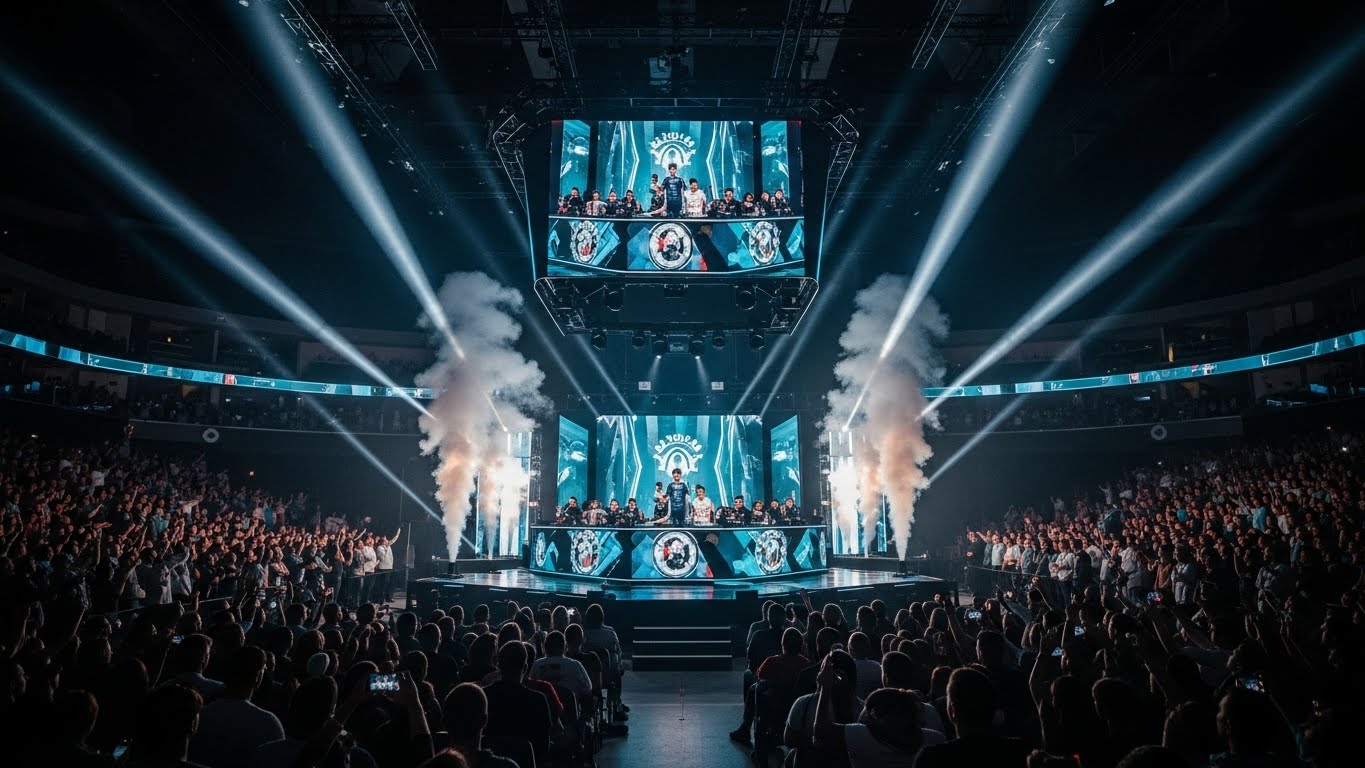

The gaming industry has experienced a monumental shift in recent years. What was once considered casual entertainment has evolved into a highly competitive, professional, and global phenomenon: eSports. From online tournaments to international championships, eSports has grown into a cultural force that captivates millions of players and fans worldwide.
Understanding eSports
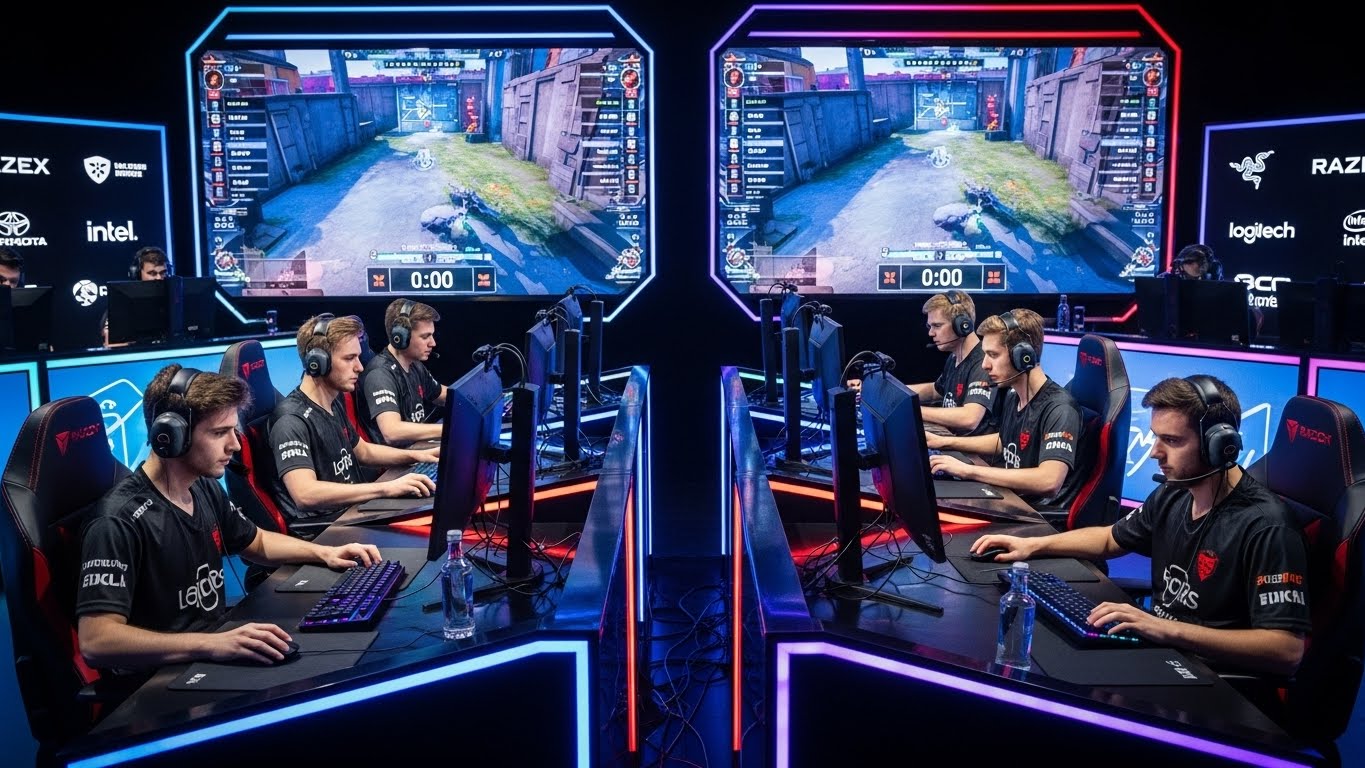
eSports, short for electronic sports, is organized, competitive video gaming. Unlike traditional gaming, eSports emphasizes skill, strategy, and teamwork. Competitors often train rigorously, focusing on reaction time, communication, and tactical decision-making. Popular eSports genres include multiplayer online battle arenas, first-person shooters, fighting games, and sports simulation games.
The Rapid Growth of eSports
The popularity of eSports has skyrocketed in the past decade. High-speed internet and advanced streaming platforms allow fans to watch live tournaments from anywhere in the world. Professional leagues now offer substantial prize pools, turning eSports into a legitimate career path. Major competitions regularly attract millions of viewers, making eSports a mainstream form of entertainment.
Popular eSports Games
eSports covers a variety of games, each testing different skills:
- Multiplayer Online Battle Arenas (MOBAs): League of Legends and Dota 2 require teamwork, strategy, and quick thinking.
- First-Person Shooters (FPS): Games like Counter-Strike: Global Offensive and Valorant focus on precision, reflexes, and tactical execution.
- Fighting Games: Titles such as Street Fighter and Tekken emphasize individual skill, timing, and technique.
- Sports Simulations: FIFA, NBA 2K, and other sports-based games translate real-world competition into a virtual arena.
Streaming and Community Engagement
Streaming platforms have been pivotal in eSports’ rise. Fans can watch live competitions, interact with players, and participate in global communities. These interactions foster a sense of connection and belonging, turning eSports into a culture rather than just a game.
Career Opportunities in eSports
The eSports ecosystem is diverse. Beyond professional players, opportunities include commentators, analysts, coaches, tournament organizers, and content creators. Brand sponsorships and partnerships add financial stability and expand career options, making eSports a multi-faceted industry.
Challenges Facing eSports
Despite its growth, eSports faces significant challenges. Maintaining fair competition, preventing cheating, and safeguarding player health are top concerns. Additionally, regulatory differences across countries create challenges for global tournaments and player participation.
The Future of eSports
The future of eSports is bright. Emerging technologies like virtual reality, augmented reality, and artificial intelligence are expected to enhance gameplay and fan engagement. As eSports continues to integrate with mainstream entertainment, it will redefine how people compete, watch, and interact in the digital age.
Conclusion
eSports has evolved far beyond casual gaming, combining skill, technology, and community into a global phenomenon. With its rapid growth, professionalization, and technological innovation, eSports is not just changing the gaming industry—it is reshaping the future of competitive entertainment worldwide.