Introduction: The Rise of a Digital Phenomenon
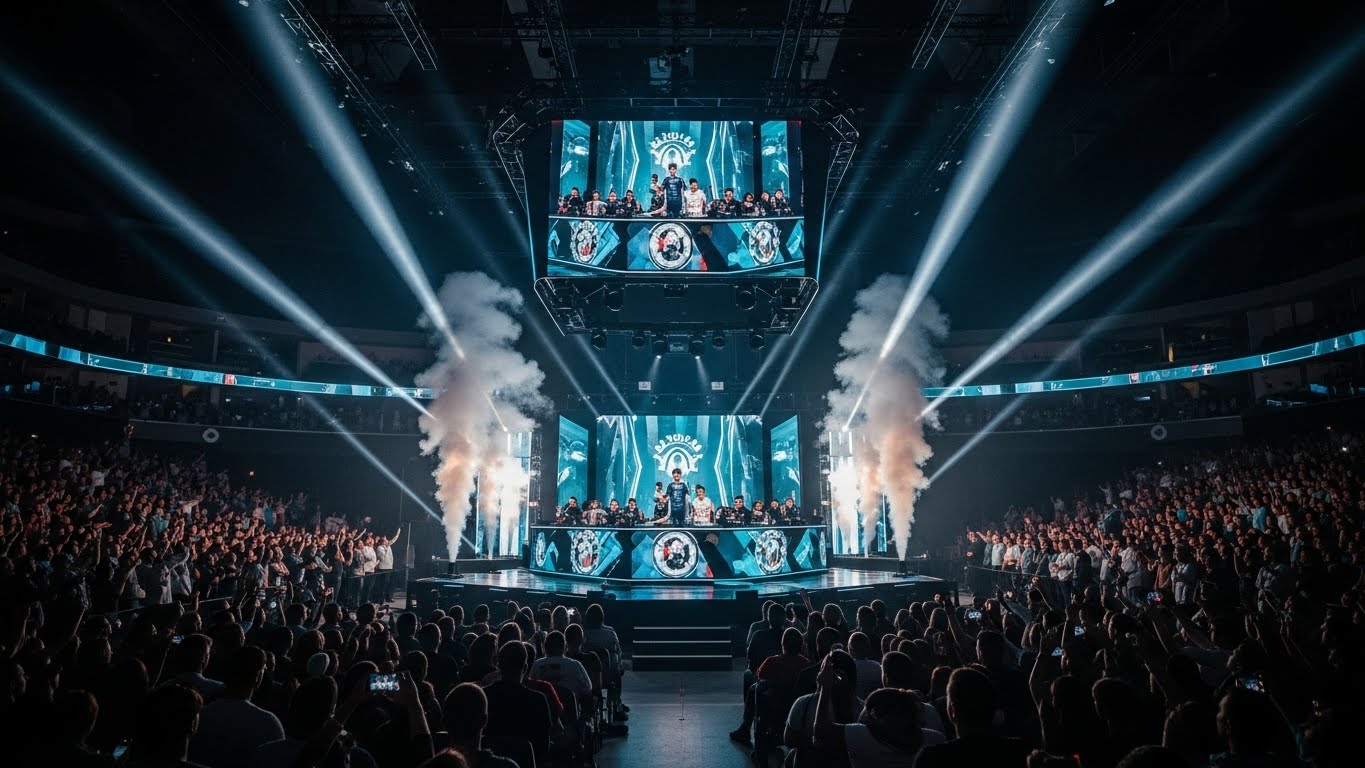
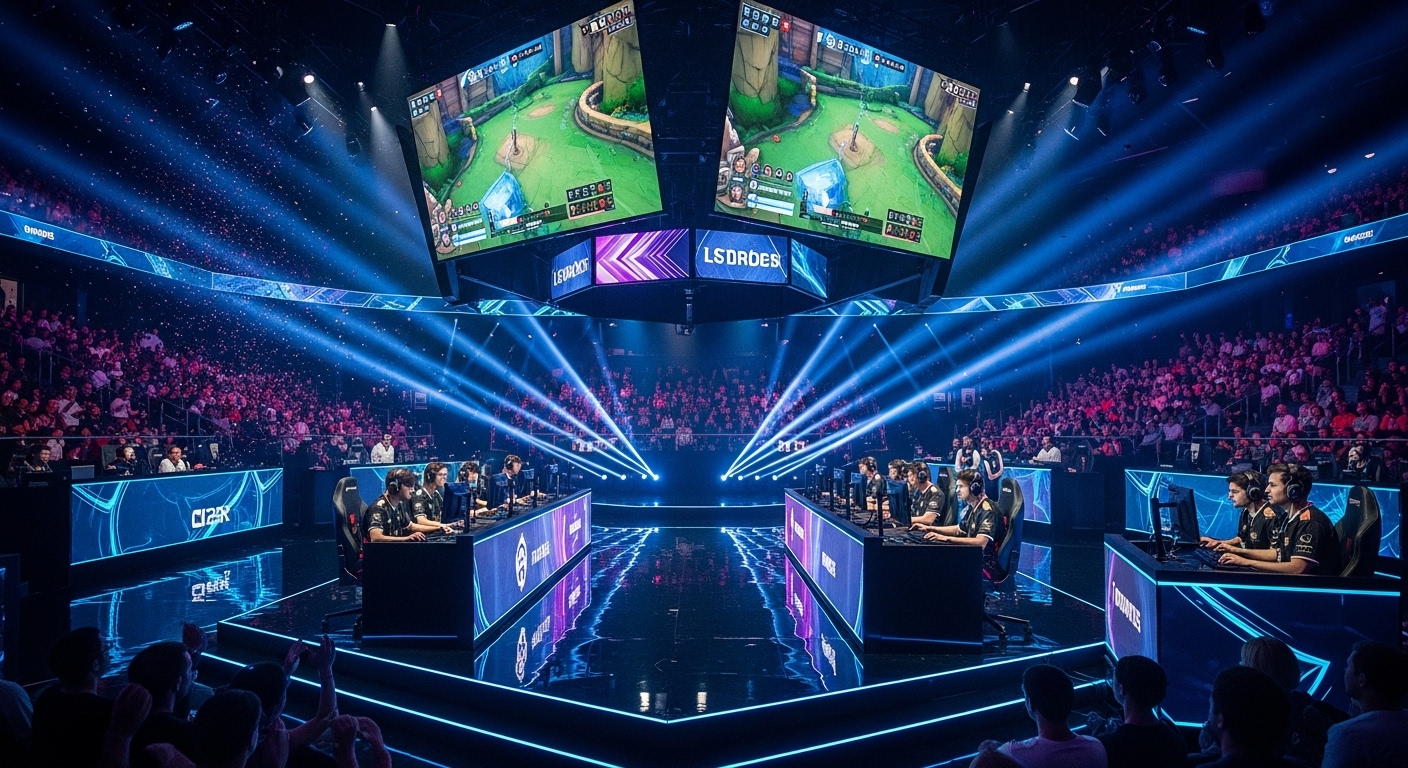
Once considered a niche hobby, gaming has transformed into a billion-dollar global industry known as eSports. From small LAN tournaments to packed stadiums and international championships, eSports has redefined what it means to be an athlete and a spectator in the modern digital age. It’s not just about entertainment anymore—it’s about skill, strategy, and community on a global scale.
The Evolution of Competitive Gaming
The roots of eSports trace back to the early days of arcade games and local competitions in the 1980s. However, the real explosion came with the internet era. Games like Counter-Strike, League of Legends, Dota 2, and Fortnite turned online gaming into professional-level competition. Streaming platforms and global connectivity gave rise to millions of fans watching tournaments live from every corner of the world.
Professional Players: The New Generation of Athletes
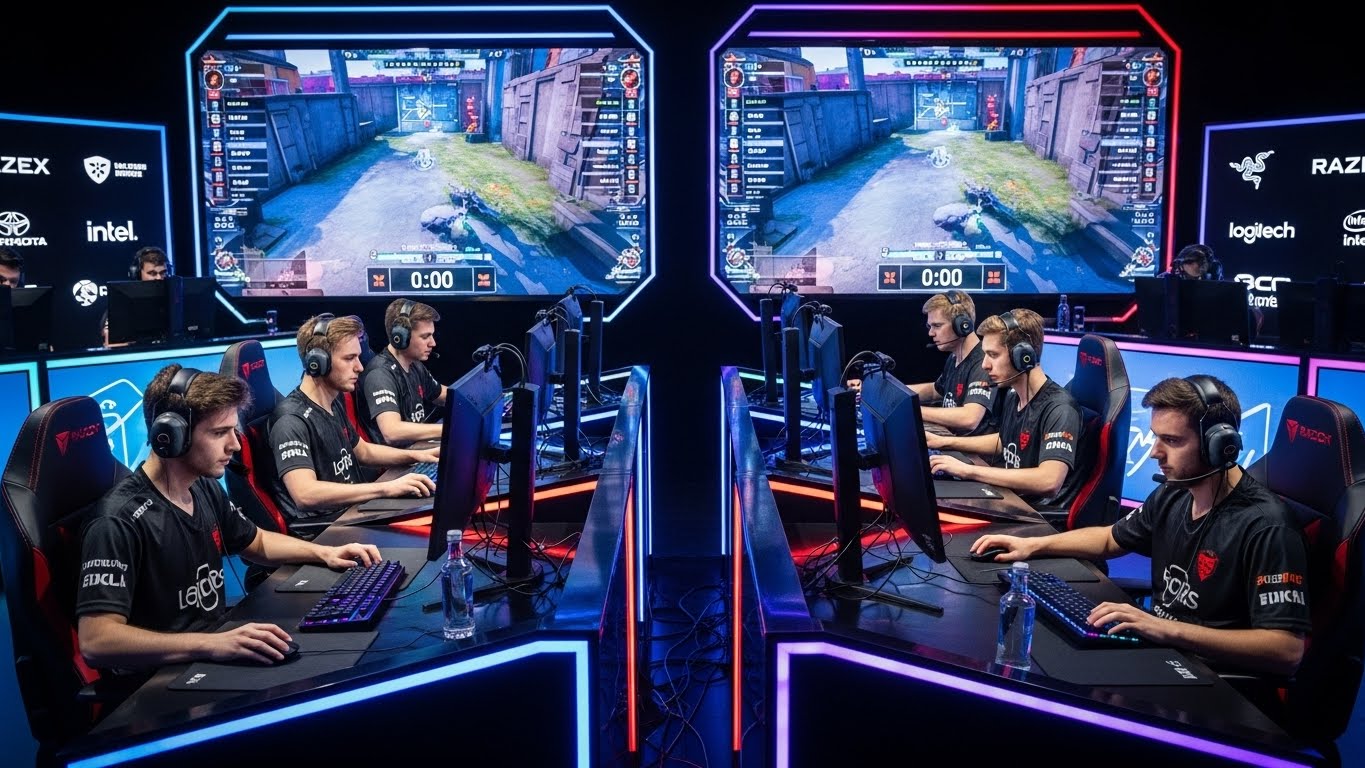
Gone are the days when gaming was dismissed as a pastime. Today’s eSports players train for hours daily, mastering reflexes, strategies, and teamwork. They follow strict routines similar to traditional athletes, often working with coaches, analysts, and even nutritionists. Their discipline and dedication have changed the way people perceive gaming as a legitimate profession.
The Business Behind the Screens
eSports has become a powerhouse in entertainment and marketing. Sponsors, advertisers, and investors are pouring in resources to support teams and tournaments. Merchandise, broadcasting rights, and in-game purchases generate massive revenue. Major brands now recognize the eSports audience as one of the most engaged demographics in the world.
Technology: The Driving Force of eSports Growth
The rise of high-speed internet, advanced gaming hardware, and virtual reality has pushed eSports beyond limits. Cloud gaming, AI-driven analytics, and 5G connectivity are shaping the next generation of competitions. These innovations not only enhance player performance but also create immersive viewing experiences for audiences worldwide.
Global Impact and Cultural Influence
eSports has bridged cultural and geographical gaps like no other sport. It connects players and fans across different countries, languages, and backgrounds through shared passion. Schools and universities have even begun offering eSports scholarships and programs, recognizing its educational and developmental potential.
Challenges in the eSports Industry
Despite its rapid success, eSports faces challenges such as burnout, mental health issues, and lack of standardized regulations. Ensuring fair play, diversity, and sustainability remains a priority for organizers and governing bodies. As the industry matures, addressing these issues will be essential for long-term stability.
The Future of eSports
The future of eSports looks brighter than ever. With virtual reality tournaments, mobile eSports, and AI-assisted training, the next decade will see even more groundbreaking changes. eSports is not just the future of gaming—it’s the evolution of competition itself.
Conclusion: A New Era of Sportsmanship
eSports has shattered boundaries between the virtual and the real world. It has proven that competition doesn’t need a physical field to inspire passion, teamwork, and excellence. As technology and creativity continue to evolve, eSports will remain a symbol of innovation, resilience, and the endless possibilities of the digital age.