
Introduction: The Birth of a Global Phenomenon
Over the past two decades, the world has witnessed a dramatic transformation in the way competition, entertainment, and technology intersect. What once started as small-scale video game competitions held in dimly lit arcades or college dormitories has evolved into a global spectacle worth billions of dollars. Esports, short for electronic sports, is no longer a niche hobby—it has become a mainstream form of entertainment, a legitimate career path, and a powerful cultural force. The term “Esports” now represents organized, competitive video gaming at both amateur and professional levels, involving teams, sponsors, fans, and massive online audiences.
The idea that playing video games could be a sport might have once sounded absurd. Traditional sports involve physical exertion, teamwork, and competition, while gaming was often seen as a leisure activity or pastime. Yet, Esports has defied all stereotypes. It demands strategy, skill, coordination, reflexes, and teamwork on par with any traditional sport. It is a field where millions of players train for years to compete for international titles, lucrative sponsorships, and the glory of representing their teams or nations.
The Origins of Competitive Gaming
Esports did not emerge overnight. Its roots stretch back to the 1970s and 1980s when the earliest video game competitions began. One of the first recorded gaming tournaments took place in 1972 at Stanford University, featuring the game “Spacewar!” where students competed for a year’s subscription to Rolling Stone magazine. Although small and informal, it symbolized the beginning of organized competitive gaming.
By the early 1980s, arcade culture began to shape the competitive spirit of gaming. Titles like “Pac-Man,” “Donkey Kong,” and “Space Invaders” encouraged players to beat each other’s high scores. This period also saw the emergence of gaming magazines that published leaderboards, giving players nationwide recognition. In 1980, Atari organized the “Space Invaders Championship,” attracting over 10,000 participants across the United States—a groundbreaking moment that showcased the potential of large-scale gaming events.
The 1990s ushered in a new phase. The rise of home consoles, personal computers, and the internet transformed the gaming landscape. Competitive titles like “Street Fighter II,” “StarCraft,” “Quake,” and “Counter-Strike” became the foundation for organized tournaments. South Korea, in particular, played a crucial role in shaping Esports culture during this period. Internet cafés, known as PC bangs, became hotspots for competitive gaming. The South Korean government invested heavily in digital infrastructure, and soon, televised StarCraft matches began drawing huge audiences.
The 2000s: The Professionalization of Esports
As technology advanced and internet connectivity improved, the early 2000s marked the true beginning of Esports as a professional industry. Online multiplayer gaming exploded in popularity, and tournaments began offering substantial cash prizes. Games such as “Warcraft III,” “Counter-Strike,” and “Halo” gained cult followings. Organizations like Major League Gaming (MLG) in North America, the Cyberathlete Professional League (CPL), and the Electronic Sports World Cup (ESWC) began hosting international tournaments.
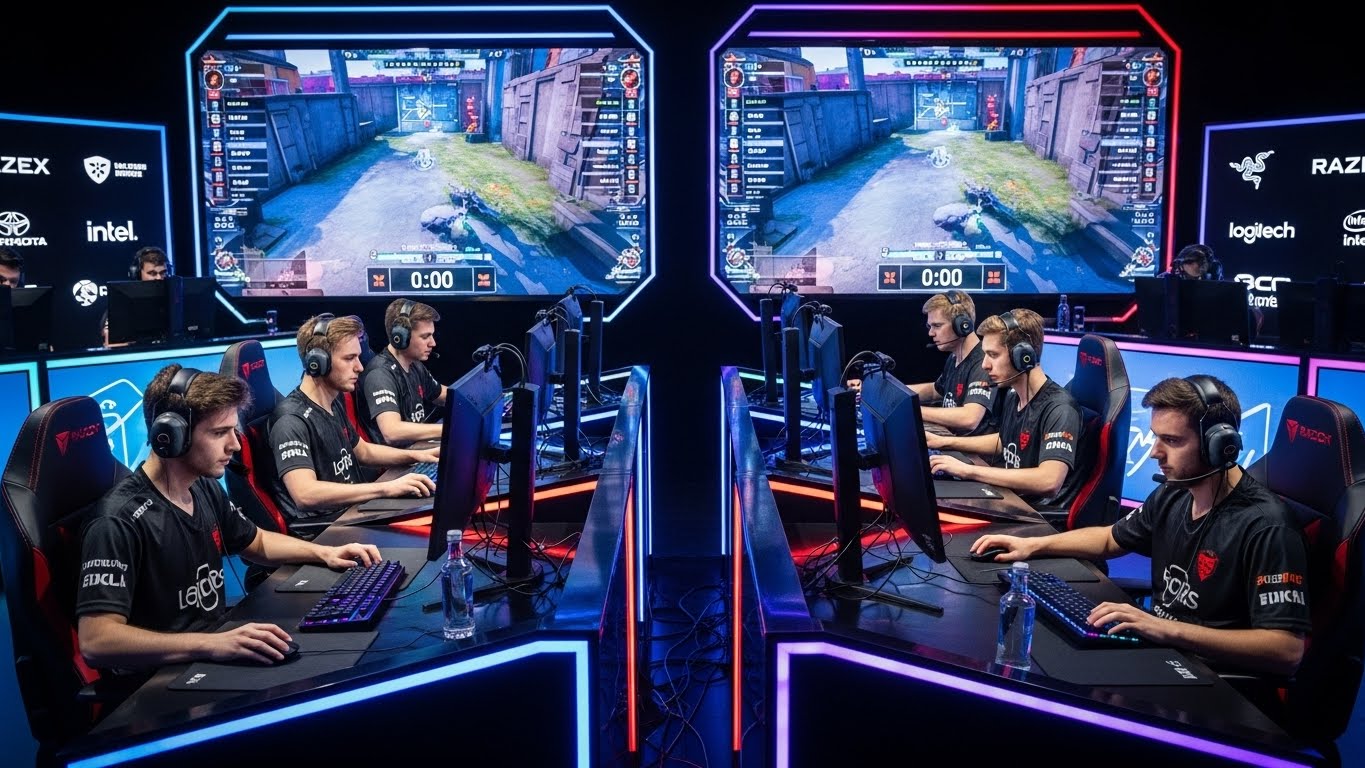
This was the period when Esports began to mirror traditional sports structures. Teams, coaches, sponsors, and media rights deals started to emerge. Professional gamers were no longer seen as hobbyists but as dedicated athletes who trained rigorously to hone their reflexes, communication, and strategic thinking. South Korea’s professional gaming leagues became models for the rest of the world. Players like Lim “BoxeR” Yo-hwan and Lee “Flash” Young-ho became household names, revered much like traditional athletes.
The growing accessibility of online streaming platforms allowed fans from across the globe to watch competitions in real-time. Twitch, which launched in 2011, revolutionized this experience by allowing fans to engage directly with players and commentators. This interaction created a deep sense of community and engagement that traditional sports could only envy.
Esports in the 2010s: Mainstream Explosion
The 2010s marked the true explosion of Esports into mainstream culture. Titles like “League of Legends,” “Dota 2,” and “Counter-Strike: Global Offensive” dominated the competitive scene. Riot Games’ League of Legends World Championship and Valve’s The International (for Dota 2) attracted millions of viewers and offered prize pools reaching tens of millions of dollars.
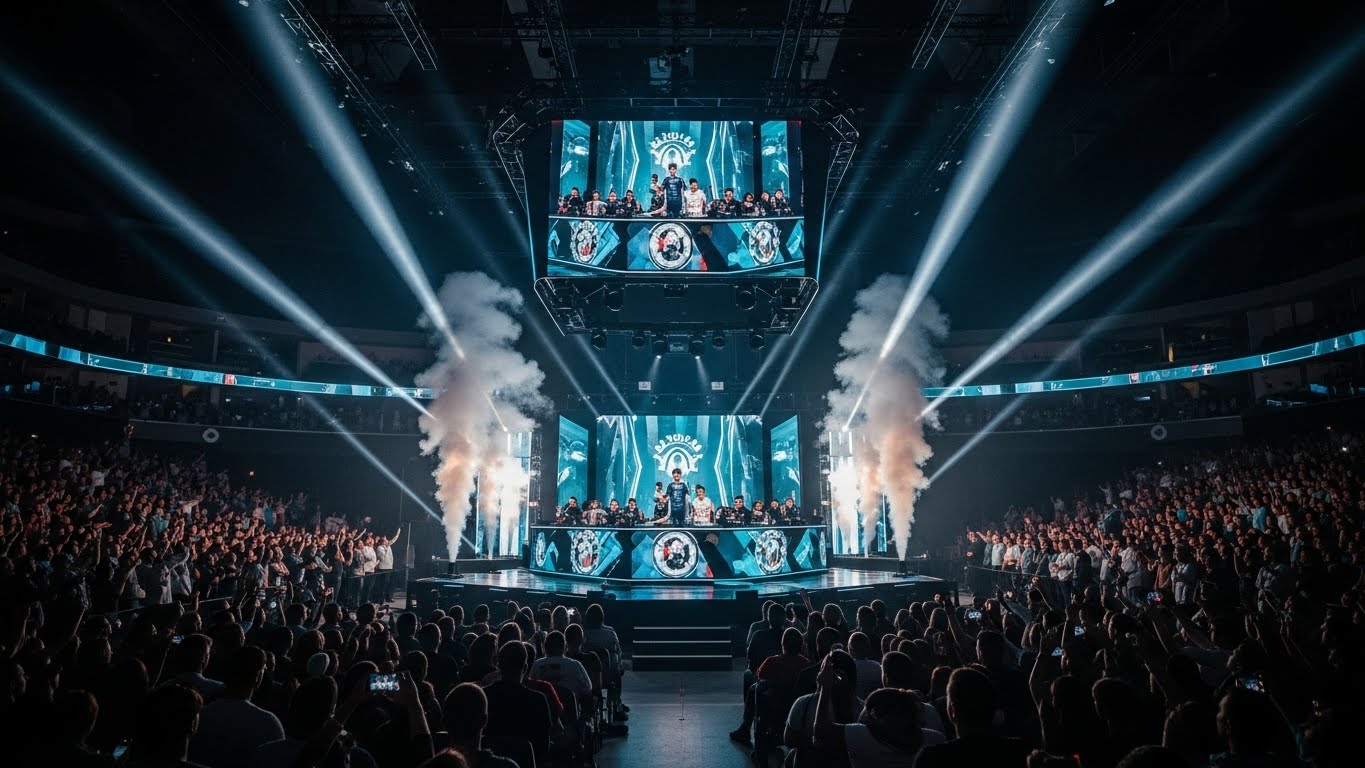
In 2013, the League of Legends World Championship filled the Staples Center in Los Angeles, a venue that had hosted NBA Finals and major concerts. This moment was symbolic—it proved that Esports had arrived as a legitimate entertainment phenomenon. By 2018, The International’s prize pool exceeded 25 million dollars, crowdfunded almost entirely by fans.
During this decade, Esports became more structured, with franchised leagues, regular seasons, and international competitions. The Overwatch League, launched in 2018, followed a city-based franchise model similar to traditional sports, with teams representing cities such as New York, London, and Seoul. This organizational structure gave Esports further legitimacy, creating stable career opportunities for players and support staff.
Streaming platforms and social media were instrumental in this growth. Twitch, YouTube Gaming, and later Facebook Gaming provided accessible platforms for audiences worldwide. Viewership numbers skyrocketed. By 2019, Esports viewership surpassed that of some major traditional sporting events. Influencers and streamers became celebrities, often commanding larger audiences than mainstream athletes.
The Culture of Esports
The rise of Esports has cultivated its own vibrant culture, complete with fan bases, rivalries, memes, and traditions. Just as football fans rally behind their teams, Esports fans express fierce loyalty toward their favorite organizations and players. Teams like T1, Fnatic, Cloud9, and Natus Vincere have fan communities that span continents.
The Esports fan experience differs from that of traditional sports in several ways. Online communities thrive on interaction, discussion, and collaboration. Platforms such as Reddit, Discord, and Twitter have become digital arenas for fans to debate strategies, celebrate victories, and mourn losses.
Esports has also created new forms of celebrity. Professional gamers, streamers, and content creators are often more accessible than movie stars or athletes. Their live streams allow fans to watch them practice, communicate in real-time, and witness their authentic personalities. This level of transparency has created deep emotional connections between players and fans.
The culture also extends to events. Massive conventions such as DreamHack and BlizzCon blend Esports competitions with gaming expos, music festivals, and tech showcases. These events attract thousands of attendees and serve as celebrations of gaming culture as a whole.
The Economics of Esports
The financial side of Esports is astonishing. What was once an underground hobby has evolved into a billion-dollar industry supported by sponsorships, advertising, media rights, and merchandise. Major corporations such as Coca-Cola, Intel, Red Bull, and Nike have invested in Esports sponsorships. Broadcast networks like ESPN and BBC have aired tournaments, further legitimizing the field.
Prize pools continue to grow annually. The International for Dota 2, for instance, remains one of the highest-paying tournaments in the world, often exceeding tens of millions of dollars in total rewards. Meanwhile, League of Legends, Valorant, and Fortnite competitions consistently offer multi-million-dollar payouts.
Franchise leagues have further stabilized the Esports economy. The Overwatch League and Call of Duty League introduced city-based teams with buy-in fees reaching millions. These investments attracted major entertainment companies, sports franchises, and celebrities, bridging the gap between traditional and digital sports.
Additionally, Esports has opened new revenue streams through digital goods. In-game items, skins, and passes linked to tournaments contribute significantly to funding prize pools and supporting organizations. Streaming platforms and YouTube channels generate revenue through ads, subscriptions, and donations. The Esports ecosystem has become a dynamic interplay between technology, media, and sports entertainment.
Esports as a Legitimate Sport
The debate over whether Esports should be considered a “real sport” has persisted for years. Critics argue that it lacks the physical demands of traditional athletics. Supporters counter that Esports embodies the core elements of competition—skill, training, teamwork, and strategy.
Players train for long hours each day, often maintaining strict schedules similar to professional athletes. Reflexes, hand-eye coordination, multitasking, and decision-making under pressure are refined through thousands of hours of practice. Mental stamina is as critical in Esports as physical endurance is in traditional sports.
Moreover, Esports has begun to enter the realm of official sporting recognition. The Asian Games included Esports as a demonstration event in 2018 and as a medal event in 2022. Discussions are ongoing about its inclusion in future Olympic Games. Universities around the world now offer Esports scholarships, recognizing its legitimacy as both a sport and a career path.
The Role of Technology and Innovation
Esports owes much of its success to rapid technological innovation. High-speed internet, powerful gaming hardware, and sophisticated streaming platforms have enabled global connectivity. Games are no longer bound by geography; players from different continents can compete instantly and seamlessly.
Virtual reality (VR) and augmented reality (AR) technologies promise to revolutionize the Esports experience even further. Immersive environments could soon allow players and spectators to interact in ways that blur the boundaries between the virtual and physical worlds.
Artificial intelligence also plays an emerging role in Esports. AI is being used to analyze gameplay, improve training efficiency, and enhance spectator experiences through predictive commentary and automated highlights. As technology continues to evolve, Esports stands at the forefront of digital innovation.
Challenges and Controversies
Despite its success, Esports faces several challenges. Player burnout is a significant issue due to intense training regimens and constant travel. The competitive lifespan of a player is often short, with most retiring in their mid-twenties. Mental health concerns such as stress and anxiety are common.
There are also issues related to governance and regulation. Unlike traditional sports, which have centralized governing bodies, Esports is fragmented, with each game controlled by its publisher. This creates inconsistencies in rules, player contracts, and tournament structures.
Cheating and match-fixing scandals occasionally taint the industry’s reputation. The use of hacks, scripts, and illegal modifications can undermine the integrity of competition. To counter this, organizations have invested in sophisticated anti-cheat software and ethical guidelines.
Another ongoing debate concerns inclusivity and diversity. Esports, like much of the gaming world, has struggled with gender representation and inclusivity. While more women and non-binary players are entering the scene, there remains work to be done in ensuring equal opportunities and a respectful environment for all participants.
The Global Impact of Esports
Esports has transcended national boundaries to become a universal language of competition. It brings together players and fans from diverse cultures, united by their passion for gaming. International tournaments foster cross-cultural exchange and collaboration.
Countries such as South Korea, China, the United States, and Sweden have become Esports powerhouses. Governments are beginning to recognize Esports as a valuable economic and cultural export. In many regions, Esports contributes to job creation, technological development, and youth engagement.
Education systems are also embracing Esports. Schools and universities are establishing Esports programs, clubs, and degrees that teach not just gameplay but also event management, marketing, and digital media production. The Esports ecosystem extends beyond players—it includes coaches, analysts, commentators, designers, and business professionals.
The Future of Esports
As we look toward the future, Esports shows no sign of slowing down. The industry continues to evolve with advancements in cloud gaming, mobile Esports, and virtual reality. Mobile titles like “PUBG Mobile,” “Free Fire,” and “Mobile Legends” are expanding the reach of competitive gaming to regions where console and PC access is limited.
With the ongoing convergence of technology and entertainment, Esports may soon become indistinguishable from traditional sports in terms of infrastructure and popularity. Broadcasting innovations will likely make tournaments more immersive and interactive. Virtual stadiums may allow millions of fans to watch live events in 3D environments.
Esports is also likely to influence the broader entertainment industry. Crossovers between gaming, film, and music are becoming common. Game soundtracks, celebrity collaborations, and animated Esports series have become integral to modern pop culture.
The role of artificial intelligence and data analytics will expand, enabling more sophisticated training systems and audience engagement tools. Sustainability and ethical gaming will also become central discussions as the industry matures.
Conclusion: A New Definition of Sport
Esports has redefined what it means to compete, to entertain, and to connect. It bridges generations, transcends borders, and unites millions through shared passion. From humble beginnings in university halls to sold-out arenas, Esports has evolved into a cultural movement that blends creativity, technology, and human ambition.
The journey of Esports is far from over. It is still writing its story—one that challenges traditional notions of sport, community, and digital life. The coming decades will likely see even greater integration between physical and virtual competition, where the line between player and spectator continues to blur.
Esports is not merely the future of gaming; it is the future of global competition. It represents a world where passion meets innovation, where skill and technology intertwine, and where entertainment becomes an experience shared by billions. In a world driven by connectivity and creativity, Esports stands as one of the defining movements of the 21st century—a digital revolution that has forever changed the landscape of human competition.