
Introduction
Esports has grown from a niche hobby into a global phenomenon that rivals traditional sports in both viewership and revenue. Competitive gaming now attracts millions of fans, draws corporate sponsorships, and provides career opportunities for players, coaches, and content creators alike. The rise of esports demonstrates how technology, entertainment, and human skill converge to create an entirely new form of competition.
Unlike traditional sports that rely on physical prowess alone, esports challenges participants in reflexes, strategic thinking, teamwork, and mental endurance. Its appeal transcends age, geography, and culture, connecting fans and players worldwide. This blog explores the history of esports, its professional ecosystem, economic impact, cultural significance, challenges, and the opportunities that lie ahead for this fast-growing industry.
The Origins of Competitive Gaming
Esports can trace its roots back to the early 1970s, when Stanford University hosted the first known video game competition featuring Spacewar. Though the prize was modest, the concept of organized competition for digital skill laid the foundation for esports.
The 1980s saw the rise of arcade culture, with titles like Pac-Man, Donkey Kong, and Space Invaders attracting competitive players. Scoreboards in arcades became a measure of status, and players developed reputations for mastery. These early contests were local and informal but instilled a sense of competition that would later evolve into professional gaming.
The 1990s marked a significant turning point as personal computers and internet connectivity enabled multiplayer gaming. Games like Quake, Warcraft, and StarCraft allowed players to compete across regions and nations. LAN parties, where gamers gathered with their computers to play together, became the precursor to professional tournaments. This period laid the groundwork for esports as a serious competitive discipline.
The Rise of Professional Esports
The early 2000s saw esports move from hobby to profession. South Korea pioneered professional gaming with StarCraft, a game that captivated millions. Dedicated television channels broadcast matches, players earned salaries and sponsorships, and competitive gaming became a respected career path.
International tournaments also began to gain traction. Events such as the World Cyber Games, Major League Gaming, and Electronic Sports World Cup brought players and fans together on a global stage. Titles like Counter-Strike, Warcraft III, and Dota 2 became staples of the professional scene. Online streaming allowed fans to watch matches live from anywhere, connecting global audiences and accelerating esports’ growth.
The Esports Ecosystem
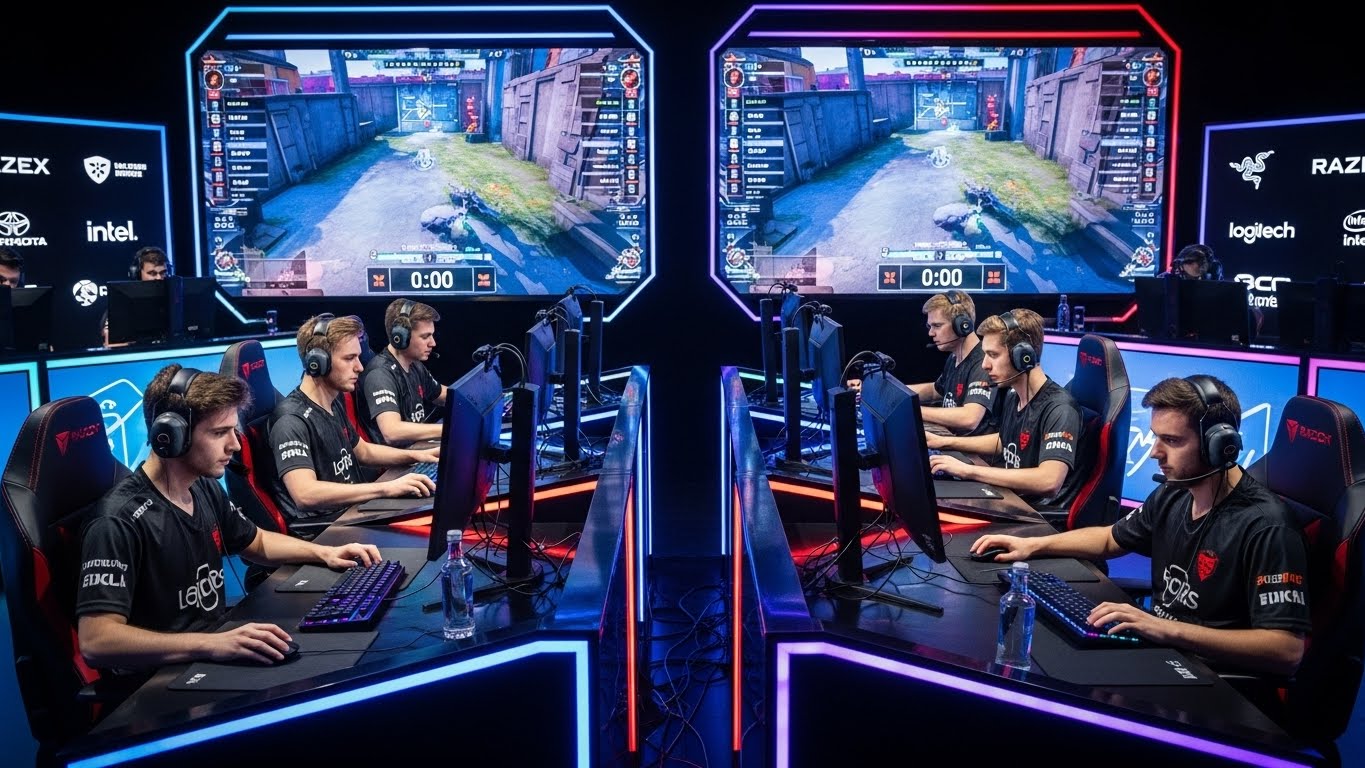
The professional esports ecosystem is complex, involving players, teams, coaches, analysts, tournament organizers, sponsors, and fans. Professional players often practice eight to twelve hours a day, focusing on mechanical skills, strategic thinking, and teamwork. The level of dedication mirrors that of traditional athletes, emphasizing mental endurance and precision.
Teams operate like professional sports franchises. Organizations such as Team Liquid, Cloud9, Fnatic, and T1 manage multiple rosters, sponsorships, content creation, and fan engagement. Coaches and analysts study gameplay data to improve performance, while nutritionists and psychologists ensure players maintain both physical and mental well-being.
Leagues and tournaments structure the competitive landscape. The League of Legends World Championship, Dota 2 International, and Counter-Strike Majors draw millions of online and live viewers. City-based franchise leagues like the Overwatch League cultivate team loyalty and fan engagement, blending esports with traditional sports structures.
Streaming and Content Creation
Streaming has been central to the growth of esports. Platforms like Twitch and YouTube Gaming allow fans to watch live matches, engage with commentators, and interact with other viewers. This interaction fosters a sense of community and connection between fans, players, and teams.
Content creation extends beyond live matches. Players produce tutorials, highlight reels, behind-the-scenes content, and commentary, building personal brands and deepening fan loyalty. This integration of competition and entertainment transforms esports into a lifestyle, engaging audiences continuously rather than only during tournaments.
Streaming also generates revenue through subscriptions, donations, and sponsorships, allowing players to develop careers as both athletes and content creators. This dual role has made esports unique, blending entertainment with professional competition.
Economic Impact of Esports
Esports has emerged as a multi-billion-dollar global industry. Revenue comes from sponsorships, media rights, ticket sales, merchandise, and streaming platforms. Brands recognize the engagement of esports audiences, investing in tournaments, teams, and marketing campaigns.
Prize pools in esports have grown dramatically. The Dota 2 International, for instance, has offered over forty million dollars in prize money in a single year. The industry also creates employment opportunities in event management, broadcasting, marketing, and game development, highlighting the extensive economic impact of esports worldwide.
Cultural Influence and Global Reach
Esports transcends geographic, social, and cultural boundaries. South Korea, China, the United States, and Sweden have historically dominated competitive gaming, but regions such as Southeast Asia, Latin America, and the Middle East are rapidly growing in prominence. Esports connects players and fans globally, creating shared experiences and communities.
Beyond gaming, esports influences music, fashion, and entertainment. Musicians perform at finals, clothing brands release gaming-inspired apparel, and celebrities invest in teams. Tournaments resemble entertainment festivals with interactive experiences and live performances, demonstrating esports’ cultural significance.
Mental and Psychological Demands
Esports requires mental strength and resilience. Players compete under high-pressure conditions, often making decisions that can determine the outcome of multi-million-dollar tournaments. The cognitive demands include strategy, teamwork, quick decision-making, and sustained focus.
Sports psychologists are increasingly employed to help players manage stress, prevent burnout, and maintain peak performance. Mental health awareness in esports highlights the understanding that emotional resilience is as critical as physical skill for long-term success.
Women in Esports
Esports has traditionally been male-dominated, but women are gaining visibility as players, commentators, and leaders. Figures such as Sasha “Scarlett” Hostyn and Se-yeon “Geguri” Kim demonstrate that skill transcends gender and inspire aspiring female gamers.
Organizations are fostering inclusivity through women’s tournaments, mentorship programs, and community initiatives. Increasing representation enhances the industry, making it more equitable and broadening its appeal.
Esports in Education
Educational institutions increasingly recognize esports as a legitimate field of study and competition. Universities offer scholarships to talented players and programs focused on esports management, marketing, and broadcasting. High schools also establish esports clubs to provide structured training and competition.
Participation in esports helps develop transferable skills such as leadership, communication, teamwork, and problem-solving. These skills are valuable in broader career contexts, emphasizing the educational potential of competitive gaming.
Challenges Facing Esports
Despite its growth, esports faces challenges. Player burnout is common due to long practice schedules and high-pressure environments. Regulatory inconsistencies across games and regions impact player rights, contracts, and tournament governance.
Sustainability is another concern. Popular games can quickly fall out of favor, affecting teams, tournaments, and fan engagement. Online harassment and toxic behavior are persistent issues that require effective moderation and community management to maintain safe and inclusive environments.
Esports and Traditional Sports
Esports and traditional sports are increasingly connected. Many professional sports organizations invest in esports teams or host competitive gaming events. The NBA 2K League, Formula 1 esports, and football clubs entering esports competitions exemplify this integration.
Esports shares values with traditional sports, including teamwork, strategy, dedication, and audience engagement. Collaboration enhances entertainment experiences, attracts new audiences, and fosters innovation in fan interaction and event production.
Technological Innovations Driving Esports
Technology is central to esports. High-performance gaming hardware, low-latency internet, virtual reality, augmented reality, and artificial intelligence enhance both gameplay and viewer experience. AI assists in performance analysis, coaching, and cheat detection, while VR and AR offer immersive spectator experiences.
Emerging technologies such as blockchain may revolutionize esports through secure digital assets, contracts, and tournament management. Interactive platforms could allow fans to participate virtually, creating unprecedented engagement. The future of esports is intertwined with technological progress.
Social and Cultural Significance
Esports has reshaped social interaction and digital culture. It connects people worldwide, fostering communities built on shared interests. Fans follow teams, players, and tournaments, creating bonds and identities that transcend borders.
Esports has also influenced fashion, music, and entertainment. Gaming is now a lifestyle, inspiring creativity and shaping trends. It empowers youth, promotes digital literacy, and validates gaming as a respected pursuit.
The Future of Esports
The future of esports is full of potential. Advancements in technology will enhance player performance, fan engagement, and immersive experiences. Global expansion will create opportunities in emerging markets, while integration with education and mainstream entertainment will solidify its legitimacy.
Esports represents a new model of competition where creativity, skill, technology, and community converge. It will continue to evolve, shaping entertainment and redefining how people compete, connect, and express themselves in the digital era.
Conclusion
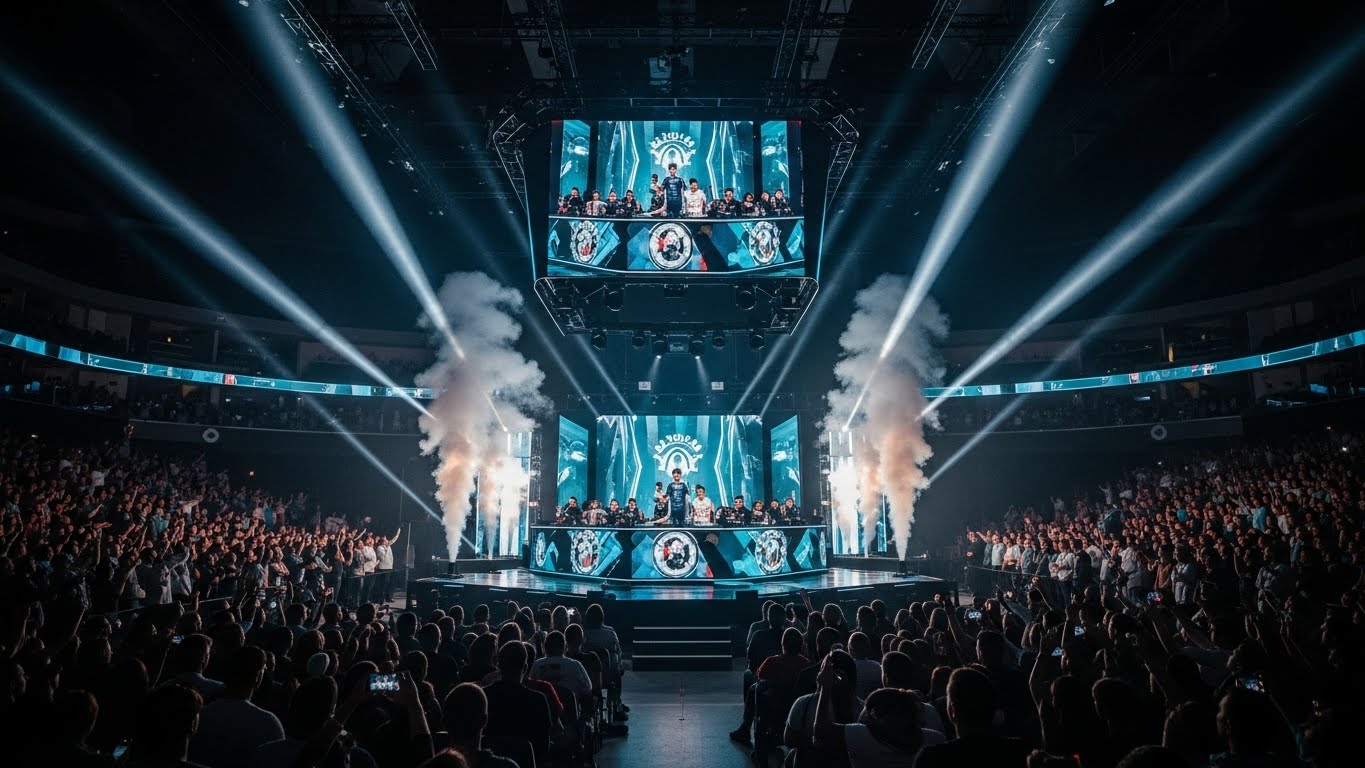
Esports has grown from small gatherings in university computer labs to global tournaments in packed arenas. Players are digital athletes, entertainers, and influencers. The industry has created a professional ecosystem, fostered cultural impact, and generated significant economic growth.
Beyond the screen, esports represents creativity, passion, and determination. It is more than a game; it is a cultural movement, a career path, and a glimpse into the future of competition. The digital arena has arrived, and its influence will continue to expand for generations to come.