Introduction: From Arcade Rooms to Global Arenas
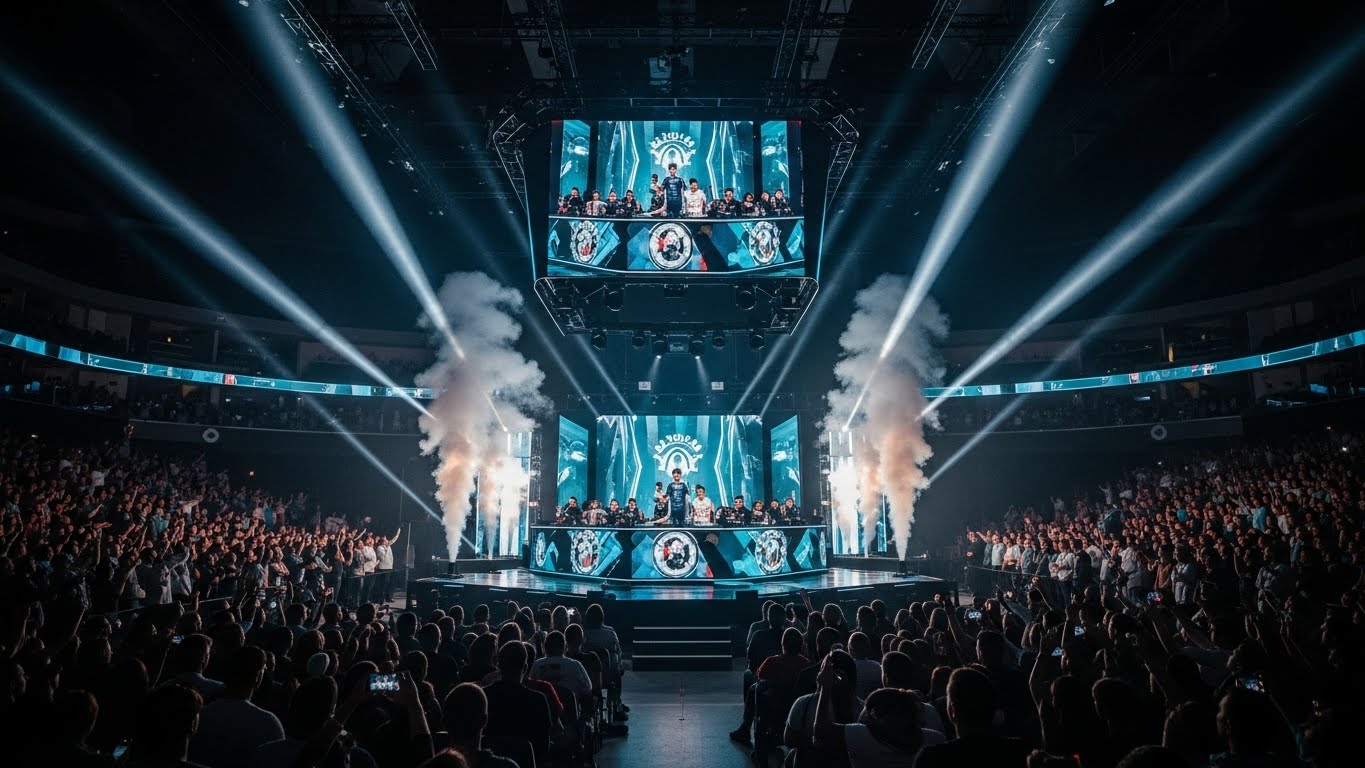
Esports has transformed from a niche hobby into a global industry with millions of players, spectators, and investors. What started as informal competitions in local arcades has evolved into structured leagues, multimillion-dollar tournaments, and professional careers. Today, esports is not just a form of entertainment—it is a cultural and economic powerhouse influencing technology, media, and even education.
The growth of esports reflects broader trends in gaming, digital connectivity, and audience engagement. High-speed internet, streaming platforms, and sophisticated gaming hardware have turned casual play into serious competition. This blog explores the evolution of esports, the games that defined the genre, the business ecosystem surrounding it, and the social and cultural impact it has worldwide.
The Origins of Competitive Gaming
1. Early Tournaments and Arcade Culture
Competitive gaming dates back to the late 1970s and early 1980s, with arcade machines serving as the first stages for public competition. Games like Space Invaders and Pac-Man became arenas where players could showcase their skills, often earning local fame through high scores.
In 1980, the first widely recognized gaming competition, the Space Invaders Championship, drew thousands of participants across the United States. These early tournaments set the stage for organized competitive gaming, creating the notion that video games could be more than a pastime—they could be a test of skill and strategy.
2. Console and PC Competitions
As gaming shifted to home consoles and personal computers, competitive play moved into living rooms and LAN parties. Titles like Street Fighter II and Warcraft provided more depth and complexity, enabling players to demonstrate skill, tactics, and adaptability. These games introduced structured competitions, laying the foundation for modern esports.
The Explosion of Esports in the 2000s
1. The Role of Broadband and Online Play
The proliferation of high-speed internet in the early 2000s was a turning point for esports. Multiplayer online games allowed players to compete with opponents across the globe in real time. Games such as Counter-Strike and StarCraft became staples of competitive play, offering both casual and professional players a platform to test their skills.
2. The Emergence of Streaming Platforms
The advent of streaming platforms like Twitch in 2011 revolutionized esports by providing a space for spectators to watch live gameplay. These platforms allowed fans to engage directly with players, creating communities that shared strategies, highlights, and discussions. Streamed competitions also attracted sponsorships and advertisers, turning esports into a lucrative entertainment industry.
3. Professionalization of Players and Teams
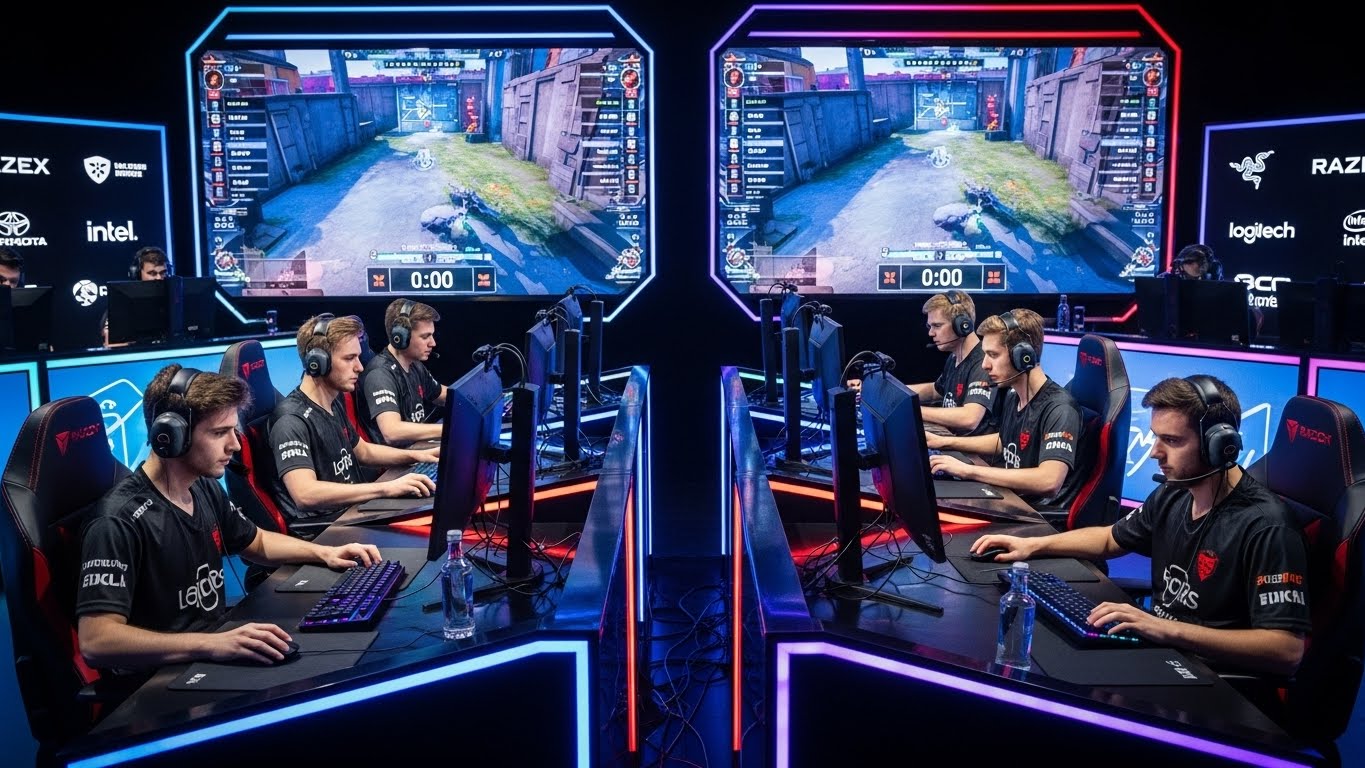
By the late 2000s, esports began to resemble traditional sports in structure. Professional players signed contracts with teams, received salaries, and participated in international tournaments. Sponsorships from gaming hardware brands, energy drinks, and mainstream companies helped finance teams and events. This professionalization elevated the stakes and legitimacy of esports globally.
Iconic Esports Titles and Their Impact
1. League of Legends
Since its release in 2009, League of Legends has dominated the esports landscape. Its strategic depth, team-based gameplay, and global appeal have made it a cornerstone of competitive gaming. The annual League of Legends World Championship draws millions of viewers worldwide, with prize pools reaching tens of millions of dollars.
The game’s structure promotes teamwork, strategy, and rapid decision-making, making it ideal for competitive play. It also popularized the role of esports organizations in cultivating fan bases, managing players, and organizing tournaments.
2. Dota 2
Valve’s Dota 2 is another cornerstone of esports, known for its high skill ceiling and complex mechanics. The International, its premier tournament, features one of the largest prize pools in esports history, funded through player contributions and in-game purchases.
Dota 2 emphasizes coordination, planning, and real-time strategy, making it both challenging to play and thrilling to watch. Its competitive ecosystem highlights the importance of game design in sustaining professional play over multiple years.
3. Counter-Strike: Global Offensive
FPS games like Counter-Strike: Global Offensive have defined esports in the first-person shooter genre. With its focus on precision, teamwork, and tactical play, CS:GO has remained popular for over a decade. The simplicity of its core mechanics, combined with strategic depth, makes it accessible to new players while rewarding mastery.
CS:GO tournaments attract massive audiences, and its in-game economy and skins system have added a new dimension to competitive play. The game demonstrates how long-term support and community involvement can sustain esports titles for years.
4. Fortnite and the Battle Royale Phenomenon
Fortnite introduced the battle royale format to a massive global audience. Its combination of shooting mechanics, building, and vibrant visuals created a new type of competitive gameplay. Major tournaments with multimillion-dollar prize pools and celebrity participation have brought mainstream attention to esports.
Fortnite also emphasizes accessibility, allowing younger players and casual gamers to engage in competitive play. Its success highlights the role of game design and marketing in expanding the reach of esports.
The Business and Economics of Esports
1. Revenue Streams
Esports generates revenue through multiple channels, including sponsorships, advertising, media rights, ticket sales, and merchandise. Sponsorships from tech companies, energy drinks, and lifestyle brands play a significant role in funding tournaments and player salaries.
Media rights for live streaming and broadcasting are increasingly important. Platforms pay for exclusive streaming rights, creating an ecosystem similar to traditional sports leagues. Merchandise sales, including branded apparel and in-game items, add another layer of revenue.
2. Esports Organizations
Professional esports organizations operate like traditional sports franchises. They recruit players, provide coaching, manage marketing, and negotiate sponsorship deals. Teams like Team Liquid, Fnatic, and Cloud9 have become global brands, with loyal fan bases and substantial financial backing.
3. Investment and Growth
Investors recognize esports as a booming industry with high potential returns. Venture capital funding, sponsorship deals, and partnerships with traditional sports leagues have fueled growth. Analysts predict that esports revenue will continue to increase, driven by audience expansion, new markets, and technological innovations.
Technology Driving Esports Forward
1. Streaming and Broadcasting Technology
High-definition streaming, low-latency networks, and advanced production tools have transformed how esports is consumed. Platforms can now broadcast tournaments with professional commentary, instant replays, and interactive features, enhancing viewer engagement.
2. Analytics and Performance Tracking
Data analytics is central to modern esports. Teams use performance metrics to analyze player efficiency, reaction times, and in-game decision-making. This information informs training regimens, strategy development, and talent scouting. Analytics also enhance the spectator experience by providing insights and visualizations during broadcasts.
3. Virtual Reality and Augmented Reality
Emerging technologies like VR and AR have potential applications in esports. VR can create fully immersive environments for competitive play, while AR can overlay real-time statistics and game information for viewers. These technologies promise to redefine both participation and spectating in esports.
4. Artificial Intelligence
AI is being used to develop smarter bots, simulate training scenarios, and predict player behavior. AI-powered tools can assist in strategy optimization and opponent analysis, giving players an edge in competitive settings. Additionally, AI helps organizers manage large-scale events and automate broadcasting tasks.
The Cultural and Social Impact of Esports
1. Esports as a Career Path
Professional gaming is now a legitimate career option. Players can earn salaries, sponsorships, and tournament winnings. Many also pursue careers in coaching, broadcasting, and event management. This legitimization has changed public perception, transforming gaming into a respected competitive pursuit.
2. Global Communities
Esports fosters global communities. Fans from different countries connect online to watch tournaments, discuss strategies, and support players. Social media, forums, and streaming platforms facilitate cultural exchange and shared experiences, strengthening the sense of belonging within the esports ecosystem.
3. Educational Integration
Schools and universities have started incorporating esports programs, scholarships, and clubs. Academic institutions recognize the cognitive, teamwork, and strategic benefits of competitive gaming. Some colleges even offer courses in game design, esports management, and digital media, preparing students for careers in the industry.
4. Inclusivity and Diversity
Esports is more accessible than many traditional sports, allowing players of different ages, genders, and physical abilities to compete. The digital nature of competition reduces barriers, promoting inclusivity and providing opportunities for underrepresented communities to participate.
Challenges and Controversies
1. Health and Well-Being
Professional esports players face challenges like burnout, eye strain, repetitive stress injuries, and mental fatigue. Organizations are increasingly emphasizing physical fitness, mental health support, and balanced training schedules to maintain player longevity.
2. Regulation and Fair Play
Esports requires robust regulation to ensure fair play. Cheating, account hacking, and match-fixing pose ongoing risks. Leagues and tournament organizers have implemented anti-cheat systems, strict rules, and penalties to maintain integrity.
3. Monetization and Ethics
The growth of in-game purchases, sponsorships, and betting introduces ethical questions. Transparency, responsible gaming, and consumer protection are critical as esports continues to expand its financial reach.
The Future of Esports
1. Expansion into New Markets
Emerging markets in Asia, Latin America, and Africa are driving global growth. Increased internet accessibility and smartphone adoption are introducing esports to new audiences, creating untapped potential for players, teams, and sponsors.
2. Integration with Traditional Sports
Traditional sports organizations are investing in esports teams and tournaments. This integration brings legitimacy, resources, and cross-promotional opportunities, bridging the gap between physical and digital competition.
3. Technological Innovation
Future developments in VR, AR, AI, and cloud computing will transform how esports is played and watched. Enhanced interactivity, real-time analytics, and immersive experiences will define the next generation of competitive gaming.
4. Esports as Mainstream Entertainment
With growing media coverage, mainstream sponsorship, and celebrity involvement, esports is poised to become a central form of entertainment. It will continue to influence culture, technology, and media, shaping how people play, watch, and engage with games worldwide.
Conclusion: Esports as a Cultural Phenomenon
Esports is no longer a niche hobby—it is a global phenomenon with economic, social, and cultural significance. Technology has enabled its rapid growth, transforming casual gaming into professional competition and community-driven entertainment.
From arcade tournaments to massive international events, esports continues to redefine the boundaries of digital play. Its impact extends beyond gaming, influencing media, education, and even traditional sports. As technology advances, esports will evolve further, offering new ways for players to compete, viewers to engage, and communities to connect.
The rise of esports demonstrates the power of digital innovation to create experiences that captivate millions. It is more than a form of entertainment—it is a cultural movement that reflects the skills, passion, and creativity of a global generation of gamers.