Introduction
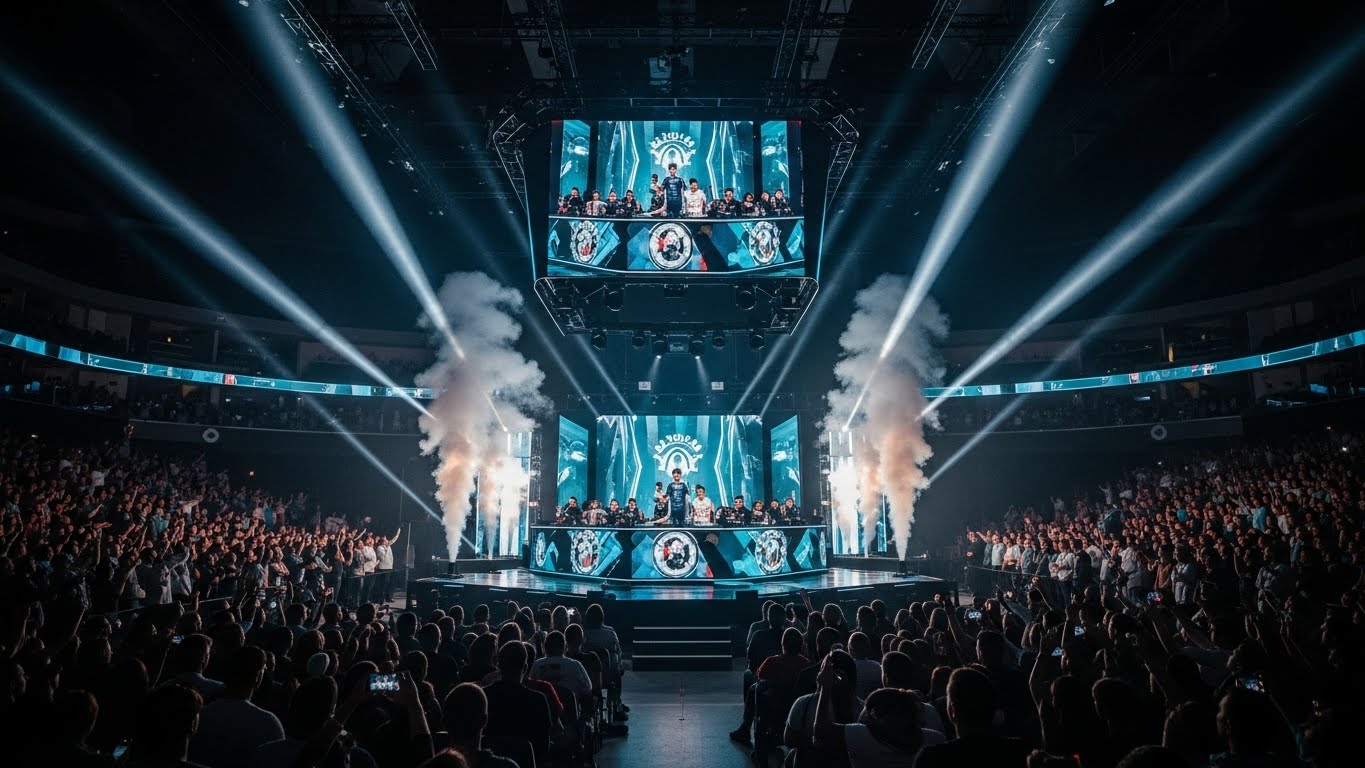
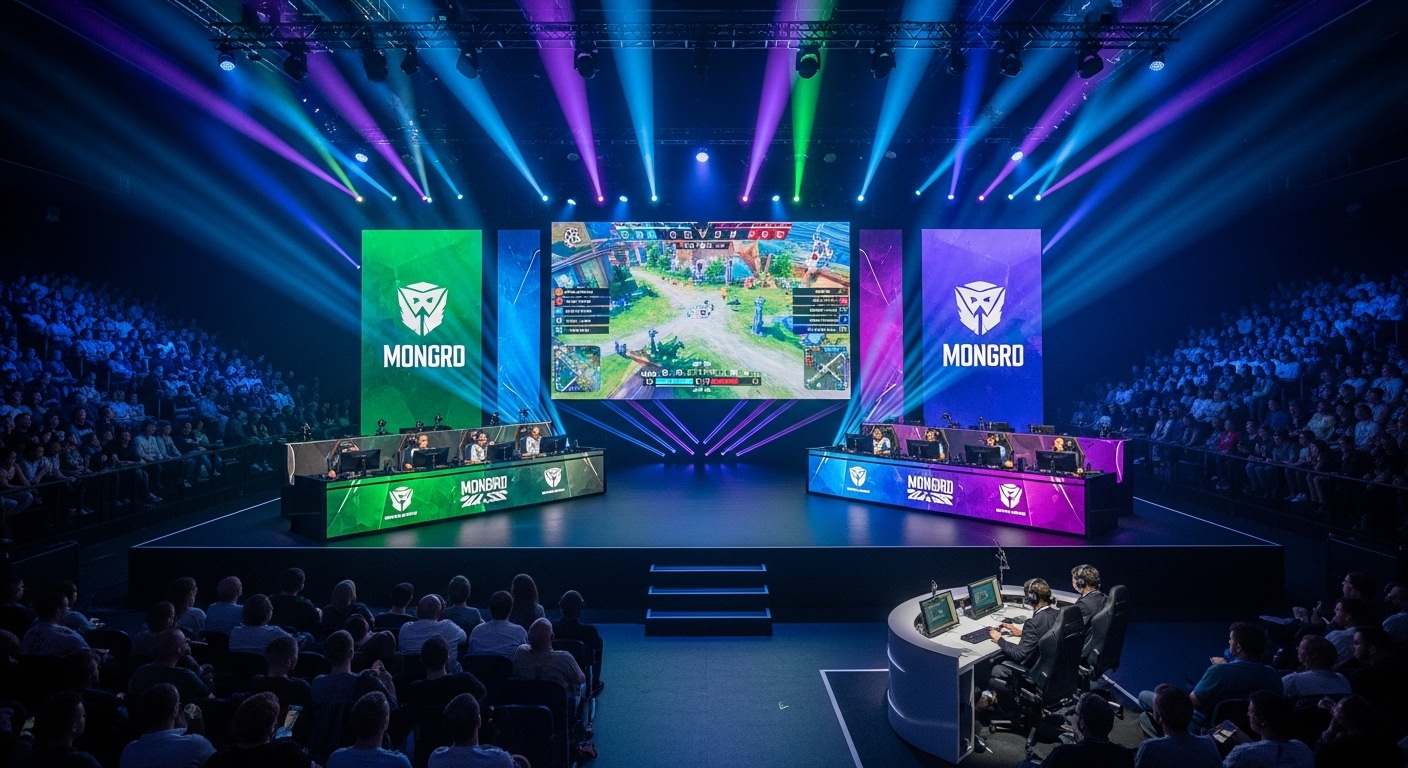
In the past decade, esports has transformed from a niche hobby into a global phenomenon, captivating millions of viewers and generating billions in revenue. Competitive gaming has evolved beyond living rooms and LAN parties to packed arenas, professional teams, sponsorships, and international tournaments. Today, esports is not just about playing games—it’s a full-fledged entertainment industry with its own culture, stars, and economic impact.
This blog explores the world of esports, examining its rise, the factors driving its growth, the key players and games, and the opportunities and challenges facing this rapidly expanding market.
The Rise of Esports
Esports, or competitive video gaming, has roots stretching back to the 1970s and 1980s with early arcade competitions and local tournaments. However, the modern esports industry took off in the 2000s with the rise of high-speed internet, streaming platforms, and online multiplayer games.
Games such as StarCraft, Counter-Strike, and League of Legends became the foundation for professional competition. Players started to gain recognition for their skill, and tournaments began offering prize money, attracting a growing audience. The expansion of live streaming platforms enabled fans worldwide to watch competitive gameplay in real-time, creating a global community and transforming esports into a spectator-driven industry.
Why Esports Has Exploded in Popularity
Several factors have contributed to the rapid growth of esports:
- Accessibility: Unlike traditional sports, esports can be played and watched by anyone with a computer, console, or smartphone. This low barrier to entry has helped the industry grow worldwide.
- Digital Streaming Platforms: Services like Twitch, YouTube Gaming, and other streaming platforms have revolutionized how fans engage with esports, offering live matches, commentary, and interactive experiences.
- Professionalism and Sponsorship: Esports organizations now operate like traditional sports franchises, with professional players, coaches, analysts, and marketing teams. Sponsorship from major brands has injected capital and legitimacy into the scene.
- Global Connectivity: Competitive gaming transcends borders, bringing together players and fans from around the world, fostering international tournaments and rivalries.
Popular Esports Games and Genres
Esports covers a wide range of genres, each with its own fan base and professional scene. Some of the most popular categories include:
Multiplayer Online Battle Arenas (MOBA)
Games like League of Legends and Dota 2 dominate the MOBA scene. These games require teamwork, strategy, and quick decision-making. Tournaments like the League of Legends World Championship attract millions of viewers and offer multi-million-dollar prize pools.
First-Person Shooters (FPS)
FPS games such as Counter-Strike: Global Offensive, Call of Duty, and Valorant focus on precision, reflexes, and tactical play. Professional FPS tournaments feature intense competition, team coordination, and high-octane action, making them popular among both players and spectators.
Battle Royale
Titles like Fortnite, PUBG, and Apex Legends have popularized the battle royale genre. These games combine survival, exploration, and last-person-standing gameplay, often featuring massive live events with large prize pools and celebrity involvement.
Sports Simulations
Games like FIFA, NBA 2K, and Madden NFL have turned traditional sports into digital esports competitions. These simulations attract fans of both the sport and gaming, creating a crossover audience that appreciates the strategy, skill, and realism of virtual matches.
Fighting Games
Fighting game tournaments, including Street Fighter, Super Smash Bros, and Tekken, showcase individual skill, precision, and quick reflexes. The fighting game community has maintained a passionate fan base and grassroots tournaments for decades, contributing to esports culture.
The Esports Ecosystem
The esports industry is supported by a complex ecosystem of players, organizations, sponsors, broadcasters, and fans.
- Professional Players: At the core of esports are professional players, often specializing in a single game. Their skills, dedication, and personalities make them the faces of teams and tournaments.
- Teams and Organizations: Professional teams operate like sports franchises, managing rosters, coaching staff, marketing, and fan engagement. Top organizations have multi-game rosters and substantial investments.
- Tournaments and Leagues: Esports tournaments are organized globally, from grassroots competitions to high-profile events like The International for Dota 2, offering millions in prize money. Leagues such as the Overwatch League and Call of Duty League operate year-round, similar to traditional sports leagues.
- Streaming Platforms: Online streaming platforms are essential for viewership, engagement, and monetization. Fans watch live matches, interact with players, and follow their favorite teams, creating an immersive digital community.
- Sponsors and Advertisers: Brands recognize the reach and engagement of esports audiences, investing in sponsorship deals, advertisements, and co-branded events. This financial support drives the industry’s growth and professionalism.
Economic Impact of Esports
The economic influence of esports is staggering and continues to grow. Revenues come from multiple streams:
- Sponsorships and Advertising: Corporations invest heavily in esports to target younger, tech-savvy audiences.
- Ticket Sales and Merchandising: Live events in arenas draw thousands of fans, while team merchandise generates additional revenue.
- Media Rights and Streaming: Platforms pay for broadcasting rights, creating lucrative partnerships and advertising opportunities.
- Prize Money and Player Salaries: Top tournaments offer millions in prize money, while professional players earn salaries, endorsements, and streaming income.
The global esports market is projected to continue expanding, with estimates suggesting billions in revenue and tens of millions of viewers worldwide in the coming years.
Challenges Facing the Esports Industry
Despite its rapid growth, esports faces challenges:
- Player Burnout: Professional players often face intense schedules, pressure to perform, and mental health challenges. Organizations must focus on player well-being and sustainable career paths.
- Regulation and Standardization: Esports lacks uniform regulations across games and regions, leading to inconsistencies in rules, tournament structures, and player contracts.
- Monetization Issues: While sponsorships and media rights generate revenue, monetization models vary, and smaller tournaments may struggle to sustain themselves.
- Cheating and Fair Play: Maintaining integrity is crucial. Anti-cheating measures and strict enforcement are necessary to ensure fair competition and maintain fan trust.
The Cultural Significance of Esports
Esports is more than a business—it has become a cultural phenomenon. It bridges technology, entertainment, and sports, creating communities and global fan bases. Players achieve celebrity status, influencers rise from streaming platforms, and tournaments are celebrated like traditional sporting events.
Esports also represents inclusivity, offering opportunities for people from diverse backgrounds, genders, and regions to participate professionally. Its digital nature allows fans worldwide to experience live events, interact with players, and share the excitement in ways traditional sports sometimes cannot.
The Future of Esports
The future of esports is bright, with emerging trends indicating further growth:
- Virtual Reality and Immersive Experiences: VR esports may redefine competition and fan engagement, providing immersive gameplay and spectating.
- Integration with Traditional Sports: Partnerships between esports and traditional sports leagues are growing, expanding audiences and legitimacy.
- Global Expansion: Esports is increasingly popular in regions like Asia, South America, and Africa, creating a truly global industry.
- Technological Innovation: Advances in AI, streaming technology, and interactive platforms will enhance gameplay, fan engagement, and content delivery.
As esports evolves, it will continue to blur the lines between gaming, entertainment, and professional sports, offering exciting opportunities for players, organizations, and fans alike.
Conclusion
Esports has emerged as the fastest-growing entertainment market, combining competition, community, and spectacle. From grassroots tournaments to international championships, esports engages millions of fans and offers players opportunities to achieve fame and financial success. Its influence spans culture, technology, and business, making it one of the most dynamic industries of the 21st century.
As esports continues to expand, it will redefine the future of entertainment, proving that competitive gaming is not just a hobby but a global phenomenon that shapes how we play, watch, and connect in the digital age.