
Introduction
Two decades ago, competitive gaming was seen as a pastime for teenagers hunched over glowing screens in basements or internet cafés. Today, it’s a billion-dollar industry watched by millions around the world. Esports—short for electronic sports—has evolved from a niche community into one of the most dynamic sectors of modern entertainment. Players are now athletes, arenas are packed with fans, and championships boast prize pools larger than some traditional sports tournaments.
This transformation didn’t happen overnight. It’s the product of technological innovation, community passion, and a redefinition of what it means to compete in the digital age. Esports isn’t just about playing games; it’s about teamwork, strategy, culture, and an entire ecosystem that mirrors and, in some ways, surpasses traditional sports.
The Early Roots of Esports
The roots of Esports go back farther than most people realize. The first known video game competition took place at Stanford University in 1972, where players competed in a game called Spacewar. The prize? A one-year subscription to Rolling Stone magazine. It was small and symbolic, but it marked the birth of organized video game competition.
In the 1980s, arcade games like Pac-Man, Donkey Kong, and Space Invaders became the testing grounds for high-score competitions. Players were recognized in magazines, and regional tournaments began to appear. It wasn’t the Esports we know today, but it planted the seeds for what was to come: the idea that gaming could be a shared, competitive spectacle.
By the 1990s, the rise of home consoles and personal computers gave gamers a new way to connect. Titles like Street Fighter II and Doom brought multiplayer competition to living rooms and LAN parties. The first professional tournaments emerged, including the famous Red Annihilation Quake tournament in 1997, which awarded the winner John “Fatal1ty” Wendel a Ferrari. Fatal1ty became the first gaming celebrity, proving that skill could be as valuable as showmanship.
The Internet Revolution and the 2000s Boom
The 2000s marked a turning point. The rise of broadband internet changed gaming forever, allowing players to face off against opponents across continents. This global connection created communities, rivalries, and leagues that could operate entirely online.
Games like Counter-Strike, StarCraft, and Warcraft III became staples of competitive play. South Korea led the charge, turning Esports into a national phenomenon. Stadiums in Seoul filled with fans watching players like Lim “BoxeR” Yo-hwan dominate the StarCraft scene. Cable channels broadcasted matches, and professional teams secured corporate sponsorships. For the first time, Esports had a legitimate infrastructure—coaches, salaries, and dedicated fans.
Western countries soon followed. The creation of Major League Gaming (MLG) in 2002 introduced structured leagues to North America. MLG events drew thousands of participants and started offering serious prize money. The idea that someone could earn a living playing video games was no longer far-fetched—it was happening.
Streaming and the Democratization of Fame
If broadband built the foundation for Esports, streaming poured the concrete. The launch of platforms like Twitch in 2011 changed everything. Suddenly, anyone could broadcast their gameplay to a global audience. The barriers to entry dropped, and the Esports audience exploded.
Streaming didn’t just showcase professional players; it gave rise to personalities. A gamer could build a following based on skill, humor, or authenticity. Viewers could watch tournaments in real time, interact through chat, and feel like part of the action. The sense of community became the beating heart of the Esports movement.
This new visibility attracted brands, investors, and mainstream media attention. Networks began to cover Esports events, and sponsors realized that this young, digitally native audience was a goldmine. Companies that once ignored gaming suddenly wanted in, leading to partnerships with energy drinks, apparel brands, and even car manufacturers.
The Structure of Modern Esports
Today’s Esports landscape is vast and organized, with professional leagues that resemble traditional sports systems. Games are divided by genre—shooters, MOBAs, sports simulators, and fighting games—with each having its own ecosystem.
In shooters, titles like Counter-Strike 2, Valorant, and Call of Duty dominate. The MOBA genre, led by League of Legends and Dota 2, boasts some of the most watched tournaments in history. Sports simulations like FIFA and NBA 2K blur the line between physical and virtual sports, while fighting games like Street Fighter and Super Smash Bros maintain their grassroots appeal.
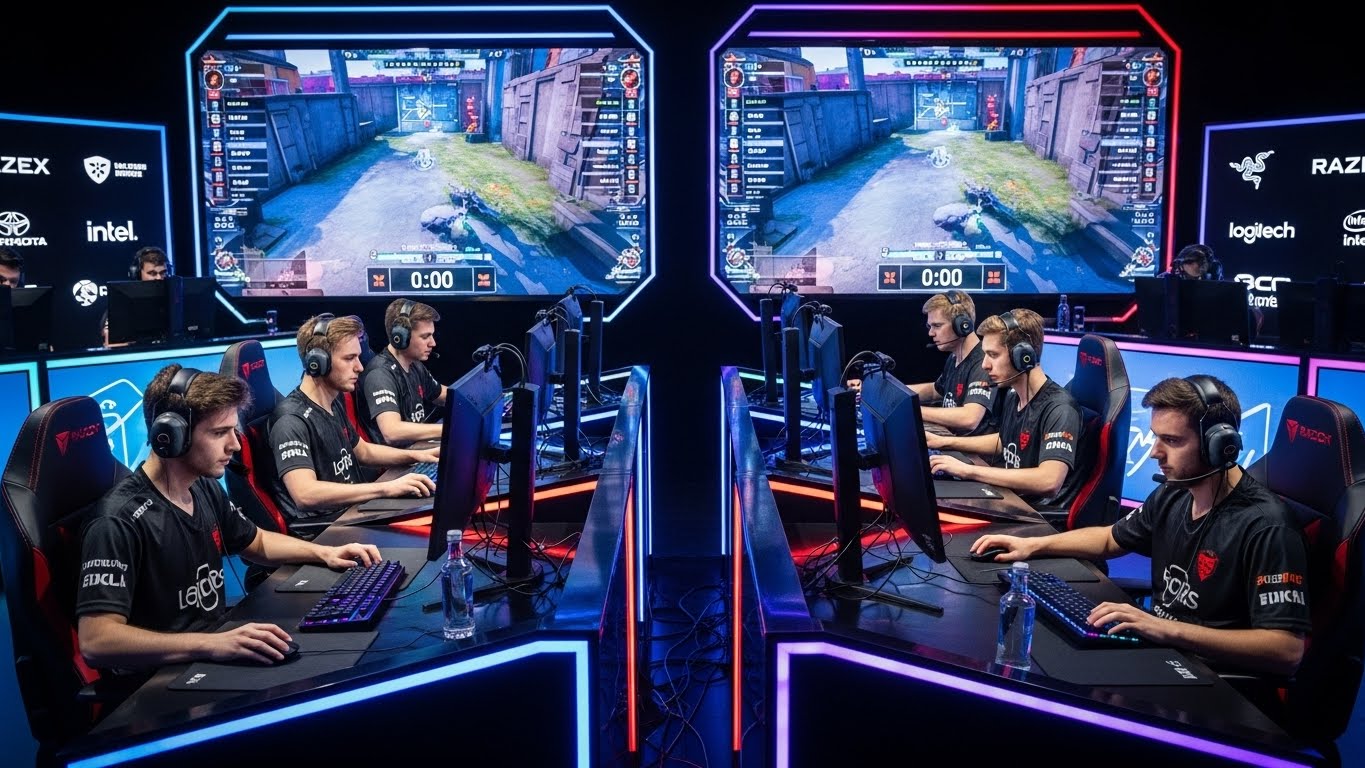
Teams are structured much like professional sports franchises. Players sign contracts, train daily, and compete under the guidance of coaches and analysts. Organizations like Team Liquid, Cloud9, and T1 operate globally, with branding, merchandise, and fan bases that rival traditional sports clubs. Esports has matured into a legitimate career path, complete with managers, agents, and even psychologists to support player well-being.
The Global Stage: Tournaments and Championships
At the top of the Esports pyramid are the global tournaments that draw millions of viewers and distribute staggering prize pools. Events like The International for Dota 2, the League of Legends World Championship, and the Fortnite World Cup have transformed digital competition into cultural spectacles.
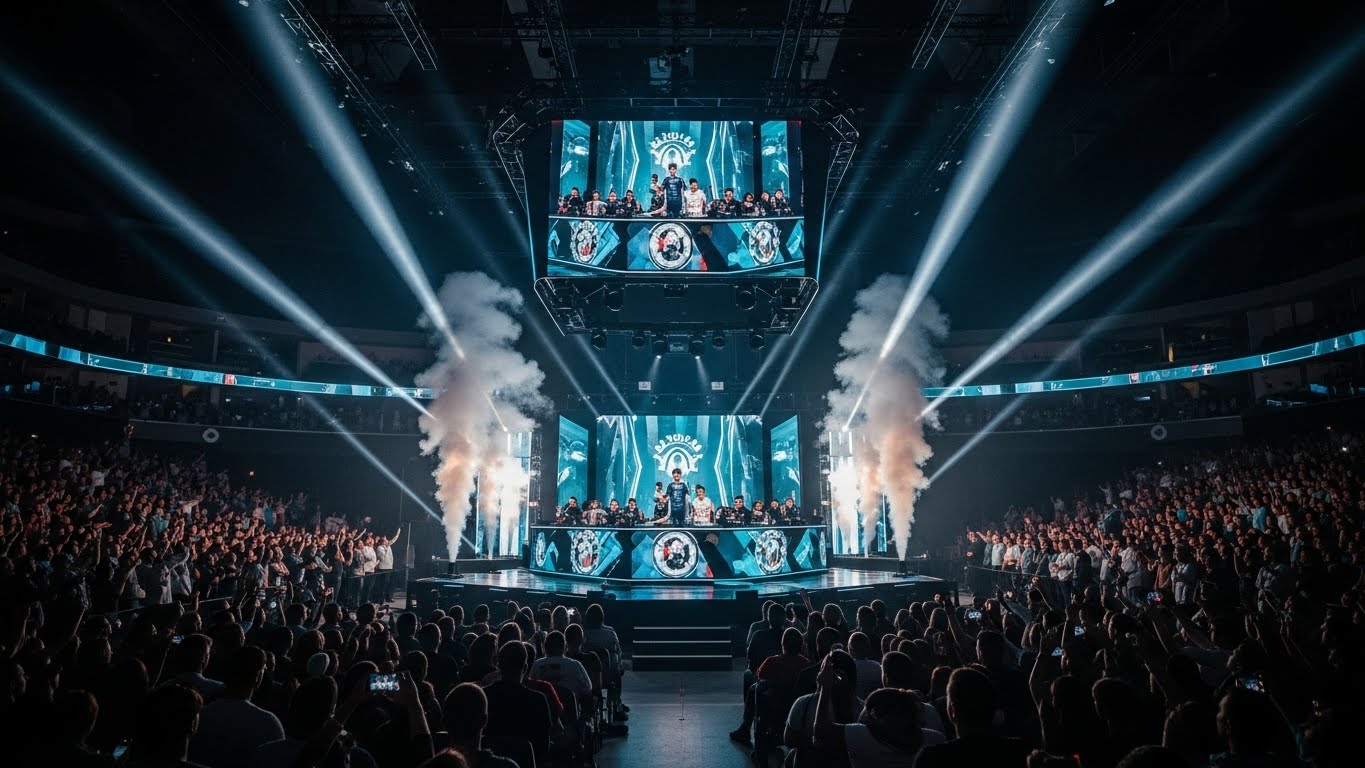
The International, funded largely by player contributions through in-game purchases, has set records with prize pools exceeding forty million dollars. Fans from around the world tune in to watch teams battle for glory, often with national pride on the line. The production values of these events rival those of the Olympics or World Cup—massive stages, synchronized lighting, live commentary, and roaring crowds.
Beyond the spectacle, these tournaments represent something bigger: the validation of Esports as a legitimate global phenomenon. Governments now recognize professional players as athletes. Universities offer scholarships for Esports. Even the International Olympic Committee has discussed integrating Esports into the Olympic program in some form.
The Culture Around Esports
Esports is more than competition—it’s culture. It blends gaming, entertainment, fashion, and music in a way that appeals to younger generations raised in a digital-first world. The line between player, fan, and creator is thin. Many professional players stream their practice sessions, interact with fans on social media, and become influencers in their own right.
Events like the League of Legends Worlds Opening Ceremony feature live performances by global artists, merging pop culture with gaming in a seamless experience. Skins, emotes, and in-game cosmetics have become a form of self-expression, similar to streetwear. Even fashion brands like Louis Vuitton and Nike have collaborated with Esports organizations, signaling mainstream acceptance.
Esports has also influenced language, memes, and online communities. Terms like “GG,” “meta,” and “nerf” have crossed into broader internet culture. Gaming has become a shared dialect among millions, regardless of geography.
The Economics of Esports
Behind the glamour lies a complex economic machine. Revenue streams come from sponsorships, advertising, ticket sales, media rights, and merchandise. Sponsorships remain the largest source, with companies investing heavily to reach engaged audiences who are less influenced by traditional advertising.
Media rights are becoming increasingly valuable as streaming platforms compete for exclusive broadcasting deals. Some leagues, like the Overwatch League, have experimented with franchising models, selling team slots for tens of millions of dollars. Others rely on open tournament structures, encouraging wider participation and discovery of new talent.
However, Esports still faces economic challenges. Despite growing audiences, profitability remains elusive for many organizations. Operational costs, player salaries, and event production expenses are high. The market is still finding its equilibrium between sustainability and growth.
The Role of Technology
Technology drives every aspect of Esports. From game design to broadcasting, it shapes how players compete and how fans engage. Advances in internet infrastructure, graphics processing, and streaming have enabled global connectivity and real-time viewing experiences.
Virtual reality and augmented reality are starting to make their way into competitive gaming, hinting at a future where physical movement and digital interaction blend seamlessly. AI is also playing a role in analytics, helping teams study opponents’ strategies and optimize their own gameplay.
Beyond competition, technology is transforming how fans participate. Interactive features let viewers switch camera angles, view player stats, and even predict outcomes. The fan experience is more immersive and personalized than ever before.
The Social Impact of Esports
Esports has also become a force for community and inclusion. It offers a space where anyone, regardless of background or physical ability, can compete on equal footing. It’s opened opportunities for players in regions once overlooked by traditional sports infrastructure. Women’s Esports is gaining visibility, with dedicated tournaments and initiatives designed to promote diversity and inclusivity.
Schools and universities are also embracing Esports as educational tools. Programs teach teamwork, critical thinking, and digital literacy. Students who once saw gaming as a distraction are now using it as a gateway to scholarships and careers in technology, broadcasting, and marketing.
At the same time, Esports has sparked discussions about mental health, burnout, and work-life balance. Professional gamers often face intense pressure, long training hours, and public scrutiny. Organizations are responding with better support systems, recognizing that sustainability is as much about mental health as it is about performance.
Esports and Traditional Sports: A Comparison
Comparing Esports to traditional sports is inevitable—and increasingly relevant. Both involve skill, teamwork, and competition. Both have fans, leagues, and stars. Yet Esports differs in accessibility and adaptability. Anyone with an internet connection can watch or even participate. Games can evolve overnight with updates, keeping the competitive landscape fresh.
Traditional sports rely on physical prowess and years of training; Esports relies on reflexes, precision, and strategic thinking. While athletes may peak in their thirties, Esports players often reach their prime in their late teens or early twenties. This dynamic pace has reshaped how fans experience competition and how teams manage talent.
Interestingly, many traditional sports organizations have entered the Esports arena. Football clubs like Paris Saint-Germain and Manchester City have their own gaming divisions. The NBA has its Esports counterpart, the NBA 2K League. This crossover reinforces the legitimacy of Esports as a parallel—rather than alternative—form of competition.
Challenges Facing the Esports Industry
Despite its growth, Esports faces several challenges. Player burnout, financial instability, and governance issues are among the most pressing. The industry’s rapid expansion has sometimes outpaced regulation, leading to inconsistent standards around contracts, tournament rules, and player rights.
Cheating and match-fixing scandals have also tested Esports’ credibility. As prize pools and stakes rise, so do incentives for unethical behavior. Anti-cheat software, player unions, and oversight bodies are being developed to protect the integrity of competition.
Another concern is the reliance on specific game publishers. Unlike traditional sports, where rules are owned by governing bodies, Esports titles belong to private companies. This gives publishers immense control over league structures, monetization, and community access. Balancing corporate interests with player and fan needs remains an ongoing challenge.
The Future of Esports
The future of Esports looks both bright and unpredictable. With expanding technology, growing global audiences, and new platforms emerging, the industry’s potential seems limitless. Asia remains the heart of Esports, but regions like North America, Europe, and South America are catching up fast. The Middle East and Africa are emerging as new frontiers, with governments investing in infrastructure and local talent.
Mobile gaming, in particular, is reshaping the landscape. Titles like PUBG Mobile, Free Fire, and Mobile Legends have made Esports accessible to players without expensive hardware. This shift is democratizing competition and expanding the audience even further.
As virtual and augmented realities mature, Esports may merge more deeply with physical experiences. Imagine arenas where players move through real-world spaces enhanced by digital overlays, or fans attending holographic events. The lines between sport, performance, and technology will continue to blur.
Esports as a Way of Life
For millions of people, Esports is more than entertainment—it’s identity. It’s the friendships formed in online lobbies, the thrill of competition, and the shared excitement of watching underdogs rise to victory. It’s a culture that celebrates creativity, resilience, and digital mastery.
The next generation isn’t just watching Esports; they’re growing up with it. Children aspire to be pro gamers or shoutcasters just as previous generations dreamed of being basketball stars. Schools are creating Esports clubs, and parents are beginning to see gaming not as a distraction but as a skill that can teach discipline and teamwork.
Esports reflects the spirit of the modern world—connected, fast-moving, and borderless. It brings together people of different languages, cultures, and backgrounds in a shared digital arena. And in doing so, it’s redefining what community and competition look like in the twenty-first century.
Conclusion
The story of Esports is the story of transformation. From the flickering arcades of the 1980s to billion-dollar global tournaments today, it represents how human creativity and competition evolve alongside technology. Esports has gone from hobby to profession, from pastime to culture, and from niche interest to mainstream entertainment.
While challenges remain, the momentum is unstoppable. The industry will continue to grow, adapt, and inspire. It’s not just the future of gaming—it’s a glimpse into the future of how we connect, compete, and celebrate in a digital world.
Esports isn’t a passing trend. It’s a movement that reflects the world’s shift toward digital interaction, creativity, and community. As technology continues to advance and new generations pick up controllers, keyboards, and mobile devices, the arena will only grow larger. The game has just begun—and everyone is invited to play.