
Introduction: The Digital Arena
In the last decade, esports has transformed from a niche hobby into a global phenomenon. Competitive gaming, once confined to local tournaments and online forums, now attracts millions of viewers and professional players worldwide. The growth of esports reflects the evolving nature of entertainment, technology, and sports culture. It is no longer just a pastime; it has become a serious career path, a thriving industry, and a cultural force.
The Evolution of Esports
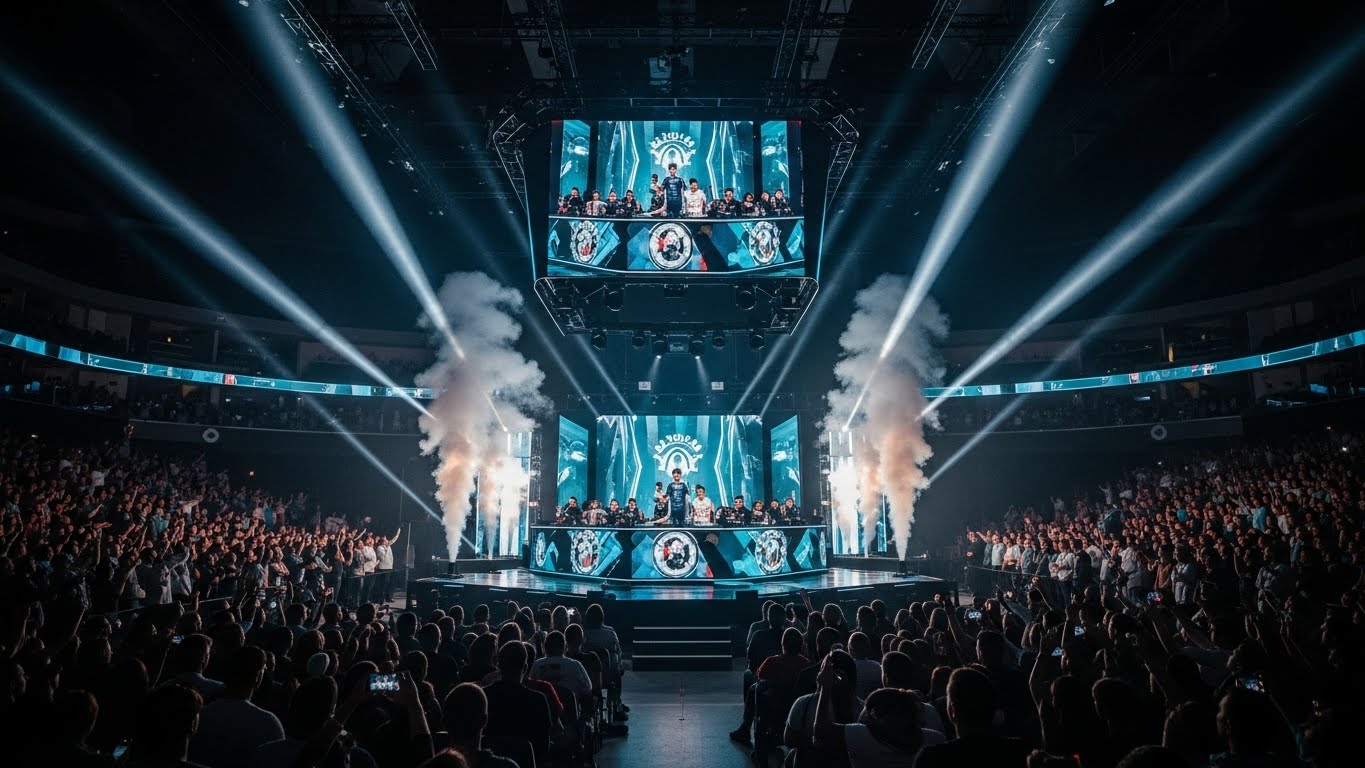
Esports has come a long way since the early days of arcade competitions and LAN parties. Titles like StarCraft, Counter-Strike, and League of Legends laid the foundation for professional gaming leagues. Today, esports encompasses a wide variety of games, from strategy and first-person shooters to battle royale and sports simulations. Tournaments are held across continents, and major events now rival traditional sports in terms of viewership and prize pools. The infrastructure supporting esports—streaming platforms, sponsorships, and training facilities—has also matured, making it a viable industry for players and businesses alike.
The Professional Player’s Journey
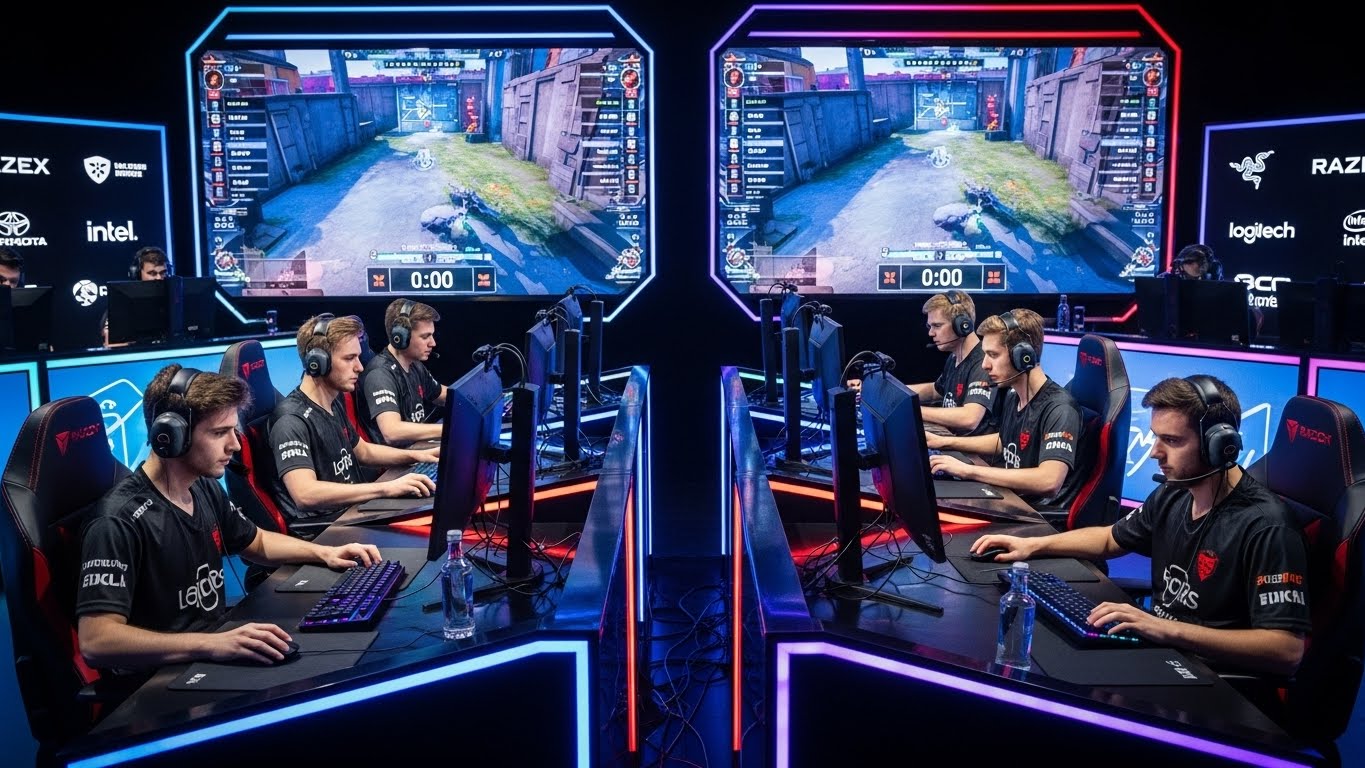
Becoming a professional esports player requires more than just skill. It demands discipline, strategy, teamwork, and mental resilience. Players often train for hours each day, analyzing game mechanics, honing reflexes, and studying competitors. Unlike traditional sports, where physical prowess is crucial, esports emphasizes cognitive agility, quick decision-making, and adaptability. The competitive environment also provides opportunities for coaching, mentorship, and performance analytics, creating a structured career path for aspiring professionals.
The Global Audience and Community
Esports is unique in its ability to unite diverse communities online. Platforms like streaming services and social media have allowed fans to engage with players, participate in discussions, and watch live competitions from anywhere in the world. The fan culture surrounding esports is vibrant, with communities creating content, memes, and fan art. This sense of belonging fosters loyalty and excitement, making esports not only a spectator sport but also a cultural movement.
Economic and Industry Impact
The economic impact of esports is staggering. Sponsorships, advertising, merchandise, and media rights generate billions in revenue annually. Companies outside the gaming industry, such as sports brands and tech corporations, are investing heavily in esports, recognizing its potential for marketing and audience engagement. Additionally, esports events boost local economies through tourism and event production. The industry continues to expand, offering employment opportunities in event management, broadcasting, game development, and coaching.
Challenges and the Future
Despite its rapid growth, esports faces challenges such as mental health concerns, regulatory issues, and the need for sustainable career models for players. Balancing competitive intensity with well-being is essential for the long-term success of the industry. Looking ahead, esports is likely to integrate even more with mainstream entertainment, virtual reality, and global sporting events. Its potential to influence technology, culture, and media remains immense.
Conclusion: A Game-Changing Era
Esports is no longer just a pastime; it is a thriving global industry shaping the way people compete, connect, and consume entertainment. Its rise highlights the power of digital platforms and the evolving definition of sport. As technology and creativity continue to advance, esports promises to remain a central part of modern culture, captivating audiences and inspiring new generations of gamers around the world.