Introduction
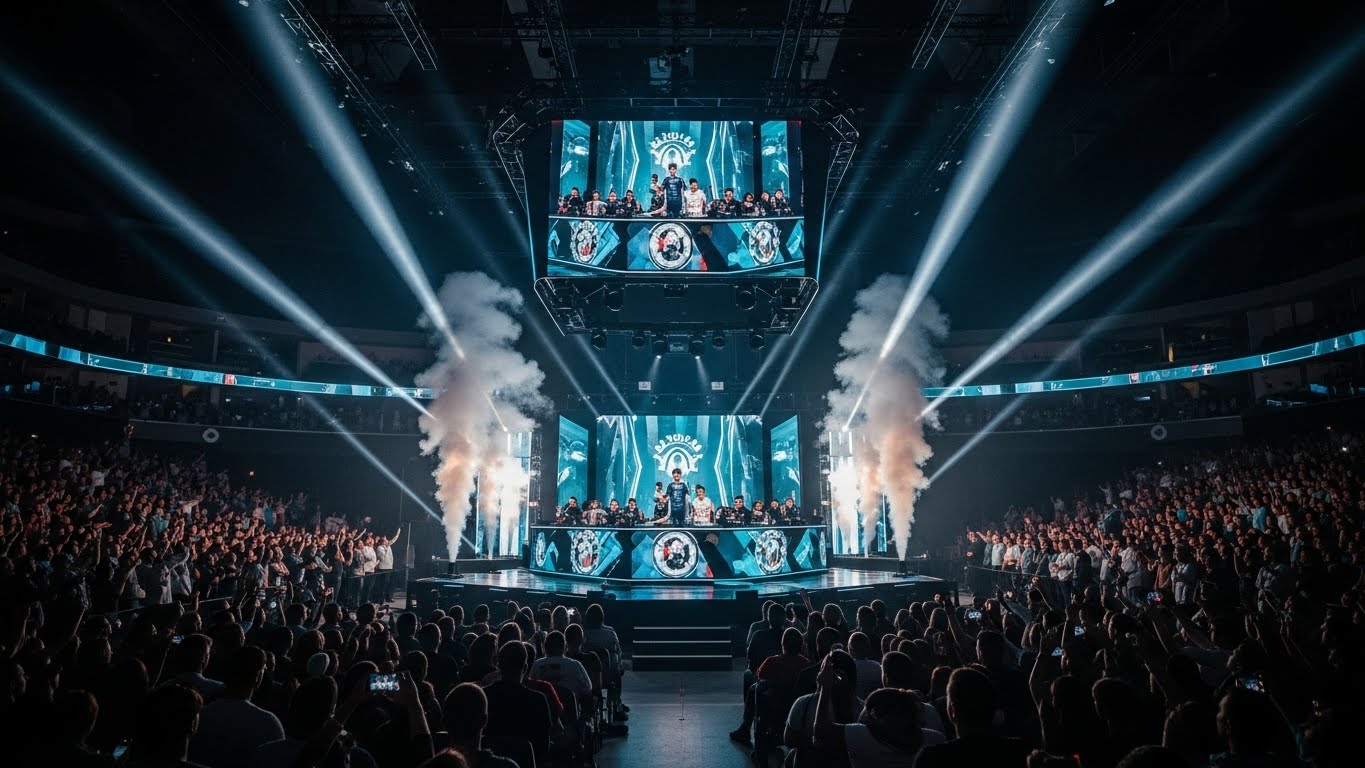
Communication is one of the most vital skills in every area of life. Whether in business, education, or social relationships, the ability to communicate clearly and effectively is what makes collaboration possible. Surprisingly, one of the most modern and fast-growing arenas where communication thrives isn’t a boardroom or a classroom—it’s within the virtual battlegrounds of esports.
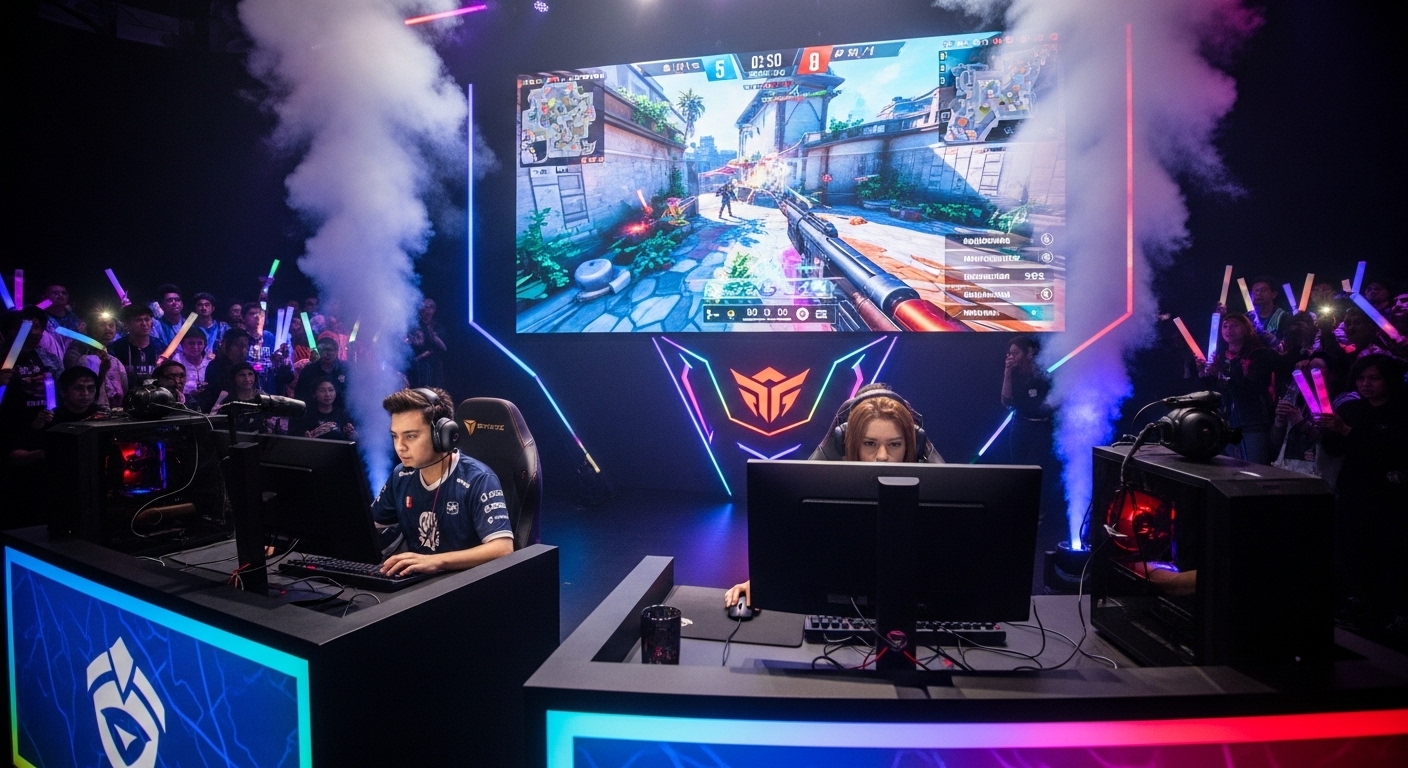
Esports, or competitive video gaming, is more than just playing games for entertainment or prizes. It is a structured form of competition where players, often in teams, must coordinate strategies, share real-time information, and make split-second decisions. These interactions require exceptional communication skills. For many players, the esports environment becomes a training ground not only for gaming but also for teamwork, leadership, and communication excellence.
This blog explores how esports helps build communication skills, why they are important, and how these skills translate into real-world applications.
The Role of Communication in Esports
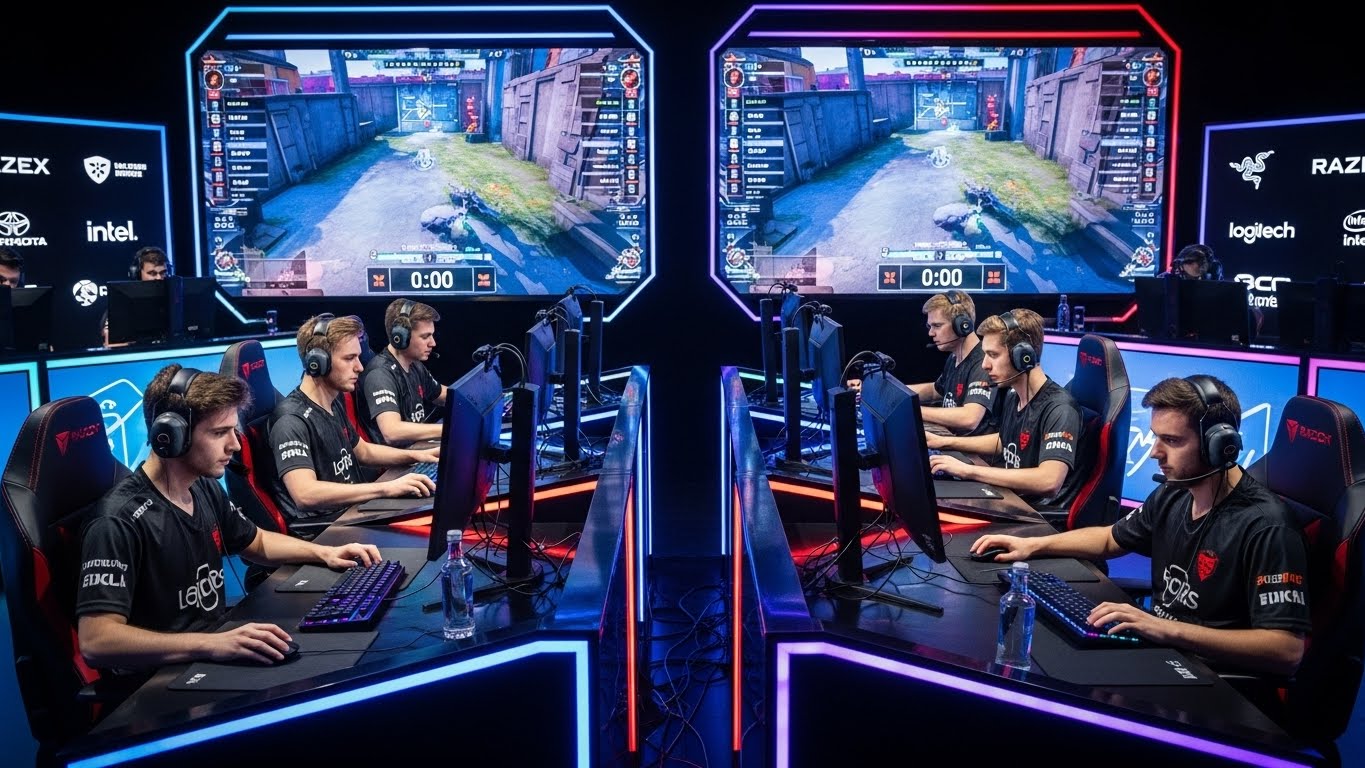
In any competitive team-based game—such as League of Legends, Dota 2, Counter-Strike, Valorant, or Overwatch—communication is the lifeblood of success. Teams need to coordinate strategies, call out enemy positions, share resources, and adapt to rapidly changing situations. One moment of miscommunication can lead to defeat, while a perfectly synchronized play can turn the tide in seconds.
Esports communication can be divided into several forms:
- Strategic Communication – discussing pre-game plans, tactics, and roles.
- In-Game Communication – real-time updates, quick commands, and coordination.
- Post-Game Communication – analyzing what went right or wrong, and discussing improvements.
Each of these areas challenges players to think critically, express themselves clearly, and listen attentively—all crucial components of strong communication skills.
Team Dynamics and the Need for Effective Communication
Esports teams often consist of players from different regions, cultures, and sometimes languages. They must find ways to bridge these gaps to perform effectively. This necessity drives players to develop a communication style that is clear, concise, and universally understood.
In high-stakes tournaments, players rely on short, efficient language codes—sometimes only single words or phrases—to express complex ideas. This builds not only clarity but also speed and focus. Over time, these habits enhance a player’s ability to convey information succinctly in any setting.
Moreover, esports communication is not just verbal. It includes non-verbal cues like pings, map indicators, and visual signals within the game. Learning to interpret and use these signals effectively strengthens non-verbal communication skills—a critical part of teamwork in both gaming and real life.
Active Listening: The Hidden Skill in Esports Communication
Good communication is not only about speaking; it’s equally about listening. Esports players must process information quickly from teammates while staying aware of their own surroundings. This balance of listening, understanding, and reacting cultivates active listening skills.
In intense game scenarios, players learn to:
- Prioritize relevant information.
- Filter out noise and distractions.
- Retain key data for later decisions.
- Respond appropriately to teammates’ calls.
These are the same listening skills that are essential in workplaces, classrooms, and leadership roles.
Leadership and Delegation in Esports Teams
Every successful esports team has a shot-caller or captain—the player responsible for leading communication during gameplay. This person must manage information flow, assign roles, and make tactical decisions while maintaining team morale.
This role mirrors leadership in traditional environments. The captain must communicate confidently, motivate teammates, and remain composed under pressure. Through these experiences, players develop leadership communication—skills like giving constructive feedback, managing conflicts, and inspiring others.
Even those who are not captains benefit by learning how to follow directions effectively, respect hierarchy, and voice opinions appropriately—key traits of any successful team contributor.
Emotional Intelligence and Conflict Resolution
Esports is highly emotional. Whether it’s the thrill of victory or the frustration of defeat, emotions run high. In team environments, these emotions can lead to conflicts or misunderstandings. Players quickly learn that managing emotions and maintaining respectful communication are vital to long-term success.
Through repeated exposure to high-pressure situations, players develop emotional intelligence (EQ)—the ability to recognize and manage their emotions and those of others. They learn when to stay calm, when to speak up, and how to handle feedback without defensiveness.
This emotional maturity translates to real-world interactions, where handling conflicts, disagreements, or criticism gracefully is an essential communication trait.
Esports as a Cross-Cultural Communication Platform
Many esports teams are international, bringing together players from different languages, time zones, and cultural backgrounds. To succeed, teams must overcome communication barriers through patience, adaptation, and respect.
This global collaboration nurtures:
- Cultural awareness – understanding how others think and communicate.
- Adaptability – adjusting tone or word choice to fit teammates’ understanding.
- Inclusivity – ensuring everyone’s voice is heard.
By playing in international teams, players essentially become skilled in cross-cultural communication, which is a powerful asset in the modern, globally connected world.
The Impact of Esports Coaching on Communication Development
Professional teams often have coaches who guide communication flow. Coaches review how players talk to each other during matches, providing feedback on clarity, tone, and effectiveness. This feedback loop allows players to continuously improve how they express themselves.
Coaches also teach players about assertive communication—being confident without being aggressive. Learning to give constructive criticism or suggestions respectfully is a crucial life skill, and esports provides a constant opportunity to practice it.
Through training sessions, debriefs, and feedback discussions, players gain structured communication training that mirrors leadership development programs in corporate environments.
Building Trust Through Communication
Trust is the foundation of all effective teams, and in esports, it is built through communication. Players depend on each other to share accurate, timely information and execute coordinated actions. Without trust, hesitation or confusion can destroy a match.
Regular communication builds familiarity and confidence among teammates. Over time, this leads to implicit communication—where players can anticipate each other’s moves with minimal words. This is the peak of team synergy, and achieving it requires consistent, open, and honest communication.
The same dynamic applies in workplaces or organizations: teams that communicate openly build trust faster and perform better.
Communication Beyond the Game: Esports Communities and Networking
Esports communication extends far beyond the game itself. Players interact with fans, sponsors, and other organizations through interviews, social media, and live streams. These activities demand public speaking skills, professionalism, and clear self-expression.
Many esports athletes develop into excellent communicators because they learn to represent their team, articulate their thoughts to the media, and engage with communities respectfully. This also opens doors for careers in broadcasting, marketing, or coaching—fields that rely heavily on strong communication skills.
The esports community is vast and interconnected, and networking is a constant part of a player’s journey. Building positive relationships through communication helps players expand opportunities both within and beyond esports.
Communication and Strategy Analysis
Post-match discussions, or “VOD reviews,” are another essential part of esports training. Teams watch replays of their matches, analyzing mistakes and strategizing improvements. These reviews demand analytical communication—expressing ideas logically, listening to others’ perspectives, and collaborating on solutions.
Through these sessions, players refine their ability to:
- Give constructive criticism.
- Present tactical insights.
- Accept feedback gracefully.
These communication habits closely resemble those used in business meetings or academic collaborations, making them highly transferable to real-world scenarios.
Confidence and Clarity in Speech
Many gamers enter esports with introverted personalities. However, constant communication during matches gradually builds confidence. Speaking up in high-stakes environments trains players to project clarity, authority, and assertiveness.
Over time, shy players become articulate leaders, capable of voicing ideas even under pressure. This personal growth demonstrates how esports can serve as a transformative communication workshop—boosting self-esteem while enhancing expression.
Confidence built in gaming can later benefit players in job interviews, presentations, or leadership roles, proving that the virtual world can create real-world communicators.
How Communication Training in Esports Translates to Real Life
The communication lessons learned in esports go far beyond gaming:
- Workplace collaboration: Players learn teamwork, coordination, and task delegation.
- Education: Students who play esports often perform better in group projects due to improved listening and speaking skills.
- Social life: Gamers become better at expressing themselves, resolving conflicts, and understanding others.
Many organizations now recognize esports as a valuable tool for developing “soft skills,” especially communication. Schools and universities have started integrating esports clubs as platforms for teaching teamwork, strategy, and interpersonal skills.
Gender and Diversity in Esports Communication
Esports is becoming more inclusive, with players from all genders and backgrounds participating. This diversity enhances communication because it exposes teams to different perspectives and experiences.
Women in esports, for instance, are breaking stereotypes by taking on leadership and communication roles. Mixed-gender teams learn to adapt communication styles to promote inclusivity and equality, setting a powerful example for other industries.
This diversity-driven communication helps players grow as empathetic, understanding, and adaptable communicators—traits essential in every professional environment.
The Psychological Side of Esports Communication
Communication in esports is deeply tied to cognitive and emotional processes. Players must manage stress, focus on accuracy, and regulate tone, all while their adrenaline is high. This trains mental discipline and self-regulation—essential aspects of effective communication.
Moreover, constant communication reinforces neural pathways linked to decision-making and language processing. This means esports can actually enhance cognitive functions that support better verbal reasoning, multitasking, and coordination.
Challenges and Miscommunication in Esports
Despite its benefits, esports communication isn’t always perfect. Misunderstandings, poor tone, or emotional outbursts can disrupt teamwork. Players must learn to handle these situations constructively, which teaches conflict management.
Toxic behavior, often seen in online gaming, can hinder positive communication. However, professional esports teams emphasize code of conduct, sportsmanship, and mutual respect. This environment promotes maturity and accountability, turning potential communication problems into learning opportunities.
Developing Communication Skills Through Amateur Esports
You don’t have to be a professional to benefit from esports communication. Amateur and casual players can also gain these skills by participating in community tournaments or team-based games. Even local or online gaming clubs foster teamwork, leadership, and discussion.
Young players who grow up communicating through games learn how to express ideas, resolve disputes, and think strategically—skills that later help them in education and career paths.
The Future of Communication in Esports
As esports continues to grow, so does its role as a communication training ground. With the introduction of virtual reality and more immersive gaming environments, future players will need to adapt to even more complex communication methods—using gestures, voice, and body movement in digital spaces.
Moreover, esports organizations are investing in communication workshops, mental coaching, and leadership training. The next generation of players won’t just be skilled gamers; they’ll be excellent communicators, collaborators, and leaders.
Conclusion
Esports is often seen as a world of reflexes, strategies, and screens—but beneath the surface lies something more profound: a global communication revolution. Every team callout, every strategic discussion, every moment of shared triumph or loss strengthens players’ ability to express themselves, listen to others, and connect meaningfully.
Through esports, millions of players around the world are learning how to collaborate across cultures, manage emotions, and speak with confidence. The digital battlefield has become a classroom for communication—a place where words, teamwork, and understanding decide victory.