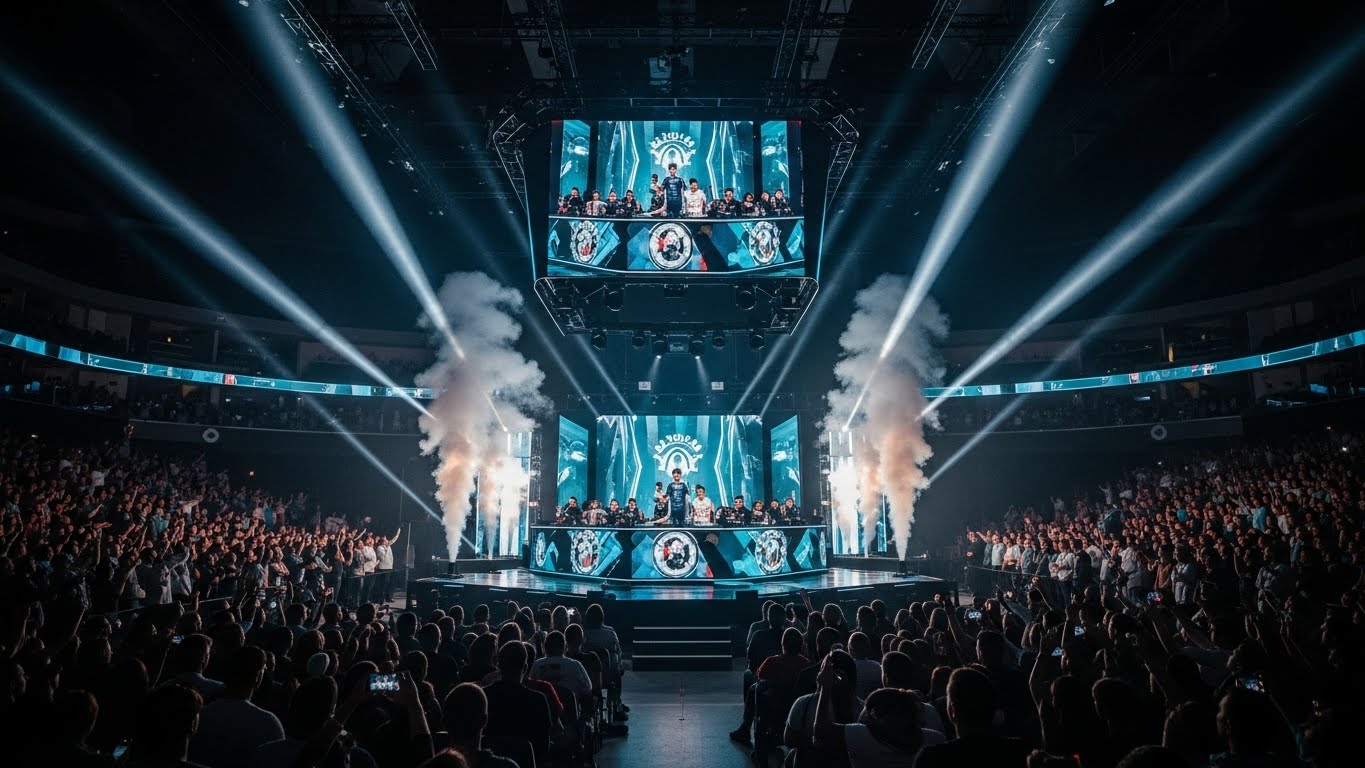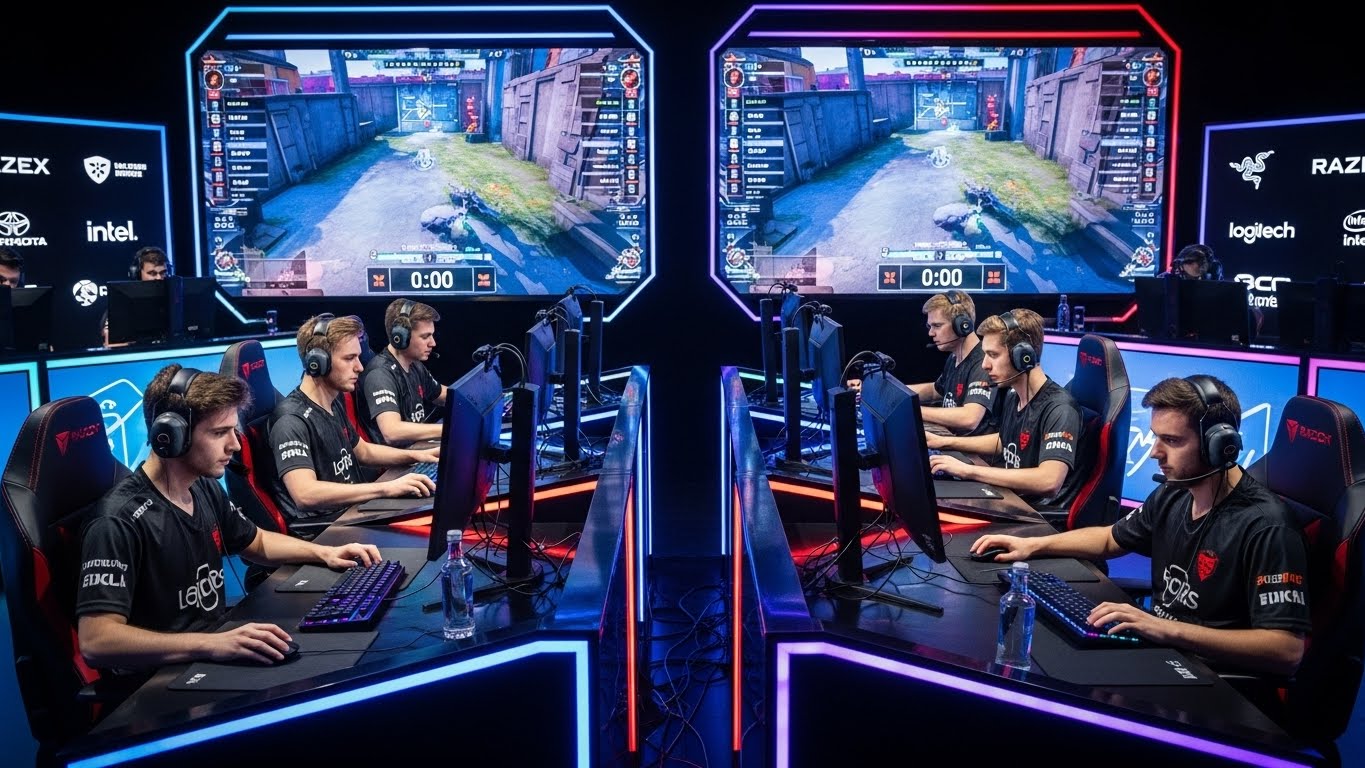

Esports, short for electronic sports, has transformed from a niche hobby into a global phenomenon. What once began as small-scale competitions among friends playing video games has evolved into a multi-billion-dollar industry that rivals traditional sports in popularity and revenue. Competitive gaming now attracts millions of players, fans, and investors worldwide, demonstrating that esports is not just entertainment—it is a legitimate form of athleticism, strategy, and cultural influence. This blog explores the rise of esports, its impact on society, and the factors that have fueled its extraordinary growth.
The Origins of Esports
The history of esports traces back to the late 1970s and early 1980s when video games began gaining popularity. Early competitions were often informal, with players competing in arcades or at home for bragging rights. The 1980 Space Invaders Championship in the United States is often considered the first large-scale video game tournament, attracting thousands of participants and signaling the potential of competitive gaming as a spectator activity.
Throughout the 1980s and 1990s, games like Pac-Man, Donkey Kong, and Street Fighter laid the foundation for competitive play. Arcades and gaming centers became social hubs where players could test their skills against others. The release of home consoles expanded the accessibility of games, allowing competitive communities to flourish outside physical locations.
The Internet and Global Competitions
The true transformation of esports began with the advent of the internet. Online multiplayer games allowed players from around the world to compete in real time, creating a global community of gamers. Games like StarCraft in South Korea and Counter-Strike in Europe became the first titles to develop professional competitive scenes.
South Korea, in particular, played a pivotal role in the growth of esports. The country embraced competitive gaming culturally, with professional leagues, televised tournaments, and dedicated esports arenas. StarCraft tournaments in the early 2000s attracted massive audiences, turning players into national celebrities. The Korean model demonstrated that esports could be more than a hobby—it could be a professional career with fan support and sponsorship.
The Professionalization of Esports
As esports grew in popularity, it became increasingly professionalized. Players now train rigorously, often dedicating eight to twelve hours a day to practice. Teams hire coaches, analysts, and support staff to optimize performance, much like traditional sports. Esports organizations invest heavily in infrastructure, from gaming houses to state-of-the-art equipment, to ensure their players compete at the highest level.
Professional tournaments have become spectacles in their own right. Major events like The International for Dota 2, the League of Legends World Championship, and the Fortnite World Cup attract millions of viewers worldwide. Prize pools for these competitions can reach tens of millions of dollars, rivaling or even surpassing traditional sports events. The combination of competition, entertainment, and fan engagement has cemented esports as a mainstream industry.
Popular Esports Games
The esports landscape is diverse, encompassing multiple genres and games. Multiplayer online battle arena (MOBA) games like League of Legends and Dota 2 focus on strategic team play, requiring coordination, quick reflexes, and tactical decision-making. First-person shooters (FPS) like Counter-Strike: Global Offensive and Call of Duty emphasize precision, timing, and rapid response.
Battle royale games, popularized by Fortnite and PUBG, introduce a mix of survival and strategy, while fighting games like Street Fighter and Tekken test individual skill and reaction. Sports simulation games such as FIFA and NBA 2K replicate real-world sports, appealing to both traditional sports fans and gamers. Each genre brings its own competitive culture, fan base, and professional ecosystem, contributing to the overall growth of esports.
The Role of Streaming Platforms
Streaming platforms have played a crucial role in the rise of esports. Platforms like Twitch, YouTube Gaming, and Facebook Gaming allow fans to watch live competitions, follow their favorite players, and engage with communities in real time. Streaming has transformed esports from a niche activity into a spectator sport, enabling global access to tournaments and events.
Streamers and professional players often build personal brands through these platforms, generating income through subscriptions, donations, and sponsorships. The interactive nature of streaming creates a unique connection between players and fans, enhancing engagement and loyalty. This accessibility has been instrumental in transforming esports into a mainstream cultural phenomenon.
Sponsorships and Revenue Models
Esports has become a lucrative industry, attracting sponsors and investors from traditional sports, technology, and consumer brands. Companies sponsor teams, tournaments, and individual players to reach highly engaged audiences, often targeting younger demographics that are difficult to reach through traditional media.
Revenue in esports comes from multiple sources, including advertising, media rights, merchandise, ticket sales, and in-game purchases. Esports organizations diversify income streams to ensure sustainability, combining tournament winnings with sponsorship deals and content creation. The commercialization of esports has transformed it into a professional ecosystem capable of long-term growth.
Esports as a Career
For many players, esports has become a viable career path. Top players can earn substantial incomes through tournament winnings, team salaries, streaming revenue, and sponsorships. However, a career in esports requires dedication, discipline, and resilience. The competitive environment is intense, and careers are often short due to physical strain, mental pressure, and the constant evolution of games.
Support roles within esports have also grown. Coaches, analysts, event organizers, content creators, and broadcasters all contribute to the industry, providing diverse career opportunities beyond playing professionally. The professionalization of esports has created a structured ecosystem that supports both players and the broader community.
The Global Esports Community
Esports is more than competition; it is a cultural movement. Fans engage with content, celebrate victories, and participate in community events. Online forums, social media groups, and fan conventions create spaces where enthusiasts can share their passion and connect with like-minded individuals.
Esports also transcends national and linguistic boundaries. Players from different countries compete in international tournaments, fostering cultural exchange and global camaraderie. The sense of community and shared experience has helped esports gain legitimacy as both a sport and a social phenomenon.
Training and Physical Fitness in Esports
Contrary to common stereotypes, esports requires physical and mental fitness. Professional players focus on reaction time, hand-eye coordination, and cognitive processing. Many follow strict training regimens that include physical exercise, nutrition, and mental conditioning to maintain peak performance.
Esports teams often employ sports psychologists and physiotherapists to help players manage stress, prevent injuries, and optimize focus. The recognition of physical and mental preparation as essential to success reflects the growing understanding of esports as a professional discipline comparable to traditional sports.
The Role of Technology in Esports
Technology is at the core of esports. High-performance gaming PCs, consoles, and peripherals are essential for competitive play. Advanced software enables strategy analysis, performance tracking, and game streaming. Internet connectivity and server infrastructure ensure smooth gameplay, while data analytics provide insights into performance trends and opponent behavior.
Innovations in virtual reality, augmented reality, and cloud gaming are set to further transform esports. These technologies promise immersive experiences, faster accessibility, and more interactive fan engagement, expanding the boundaries of what competitive gaming can offer.
Esports and Education
Esports has found a place in education, with universities and schools developing programs to support competitive gaming. Scholarships for esports players, academic courses on game design and esports management, and student-run teams have integrated competitive gaming into educational systems.
These initiatives provide structured pathways for aspiring players, coaches, and industry professionals. By legitimizing esports in academic settings, institutions are helping to shape the future of the industry while promoting discipline, teamwork, and strategic thinking among students.
Challenges Facing Esports
Despite its growth, esports faces challenges. Player burnout, mental health concerns, and the transient nature of careers are pressing issues. Regulatory frameworks, player rights, and fair competition standards are still developing in many regions. Additionally, the rapid evolution of games and platforms requires continuous adaptation, which can be both an opportunity and a challenge for players and organizations.
Another challenge is inclusivity. While esports is growing globally, representation of women, minorities, and underrepresented communities remains limited. Efforts are underway to promote diversity and create equitable opportunities within the industry, recognizing that a more inclusive esports ecosystem benefits everyone.
Esports and Mainstream Sports
Esports has increasingly intersected with traditional sports. Professional sports organizations have invested in esports teams, and athletes have participated in gaming tournaments. This convergence highlights the growing recognition of esports as a legitimate competitive field, bridging the gap between digital and physical sports.
Events such as FIFA esports competitions, NBA 2K tournaments, and cross-promotional collaborations have blurred the lines between traditional sports fandom and gaming culture. This synergy expands audiences and introduces new forms of entertainment that combine athleticism, strategy, and digital engagement.
The Future of Esports
The future of esports looks promising. Continued technological innovation, global expansion, and mainstream acceptance are likely to drive growth. Virtual reality competitions, AI-assisted training, and global leagues will redefine the landscape of competitive gaming.
Esports is also expected to become more integrated into everyday life, with casual competitions, streaming, and interactive fan experiences becoming increasingly common. The industry will continue to evolve, reflecting changes in technology, culture, and entertainment preferences.
Conclusion
Esports has grown from humble beginnings into a global cultural and economic powerhouse. It represents the convergence of technology, competition, and community, offering players and fans experiences that are both thrilling and meaningful. Competitive gaming is not just about playing; it is about strategy, skill, and dedication.
With professional leagues, streaming platforms, educational programs, and global audiences, esports has established itself as a legitimate sport and a vibrant form of entertainment. Its growth demonstrates the power of technology to transform hobbies into careers, communities into industries, and digital play into a worldwide phenomenon.
Esports is a testament to human creativity, competitiveness, and the ability to connect across borders. As the industry continues to expand, it will shape the future of entertainment, sports, and culture in ways that are only beginning to be understood. The story of esports is far from over—it is a living, evolving narrative of skill, innovation, and passion that continues to captivate millions around the world.
Word Count: ~2,250