Esports has emerged as one of the most fascinating and rapidly growing industries in modern entertainment. Once dismissed as mere video gaming, competitive gaming has evolved into a global phenomenon with professional players, large-scale tournaments, and millions of dedicated fans. What began as a niche hobby for enthusiasts has transformed into a multi-billion-dollar industry, influencing culture, technology, and the way we perceive competition. This blog explores the evolution of esports, its impact on society, and the factors driving its extraordinary growth.
The Origins of Competitive Gaming
The roots of esports trace back to the early days of video gaming. In the 1970s and 1980s, arcades became the breeding ground for competitive play. Games like Space Invaders and Pac-Man inspired informal competitions among players striving for high scores. By the 1990s, the rise of personal computers and networked gaming introduced a new dimension of competition. Games like Doom and Quake allowed players to battle each other in real time, fostering early online communities and competitive events.
The term esports, short for electronic sports, began gaining recognition as tournaments became more structured. Early competitions often involved small cash prizes, local recognition, or simply bragging rights among peers. While modest in scale, these events laid the foundation for a professional scene that would grow exponentially in the decades to come.
The Growth of Professional Esports
The 2000s marked a pivotal period for esports, as the industry began to formalize. The launch of games like StarCraft, Counter-Strike, and Warcraft III created competitive communities with dedicated players and fans. Countries such as South Korea recognized esports as a legitimate form of competition, offering professional contracts, sponsorships, and televised matches. This recognition helped elevate gaming from a pastime to a career path for skilled players.
Professional esports now spans multiple game genres, including first-person shooters, multiplayer online battle arenas, real-time strategy, and sports simulations. Titles like League of Legends, Dota 2, and Fortnite attract global audiences, with tournaments offering millions of dollars in prize money. Players have become celebrities in their own right, with fan followings rivaling traditional sports athletes.
The Role of Streaming Platforms in Esports Popularity
One of the key factors driving the rise of esports is the widespread availability of live streaming platforms. Websites and applications dedicated to game streaming have allowed players to broadcast matches in real time, creating a direct connection between gamers and audiences. Platforms like these have transformed esports into a spectator-friendly industry, enabling fans to watch high-level gameplay, interact with streamers, and learn strategies.
Streaming has also provided an avenue for aspiring players to gain recognition. Talented individuals can showcase their skills, build a following, and potentially attract sponsorships or professional contracts. This accessibility has expanded the esports ecosystem, making it more inclusive and dynamic than ever before.
Major Esports Tournaments and Events
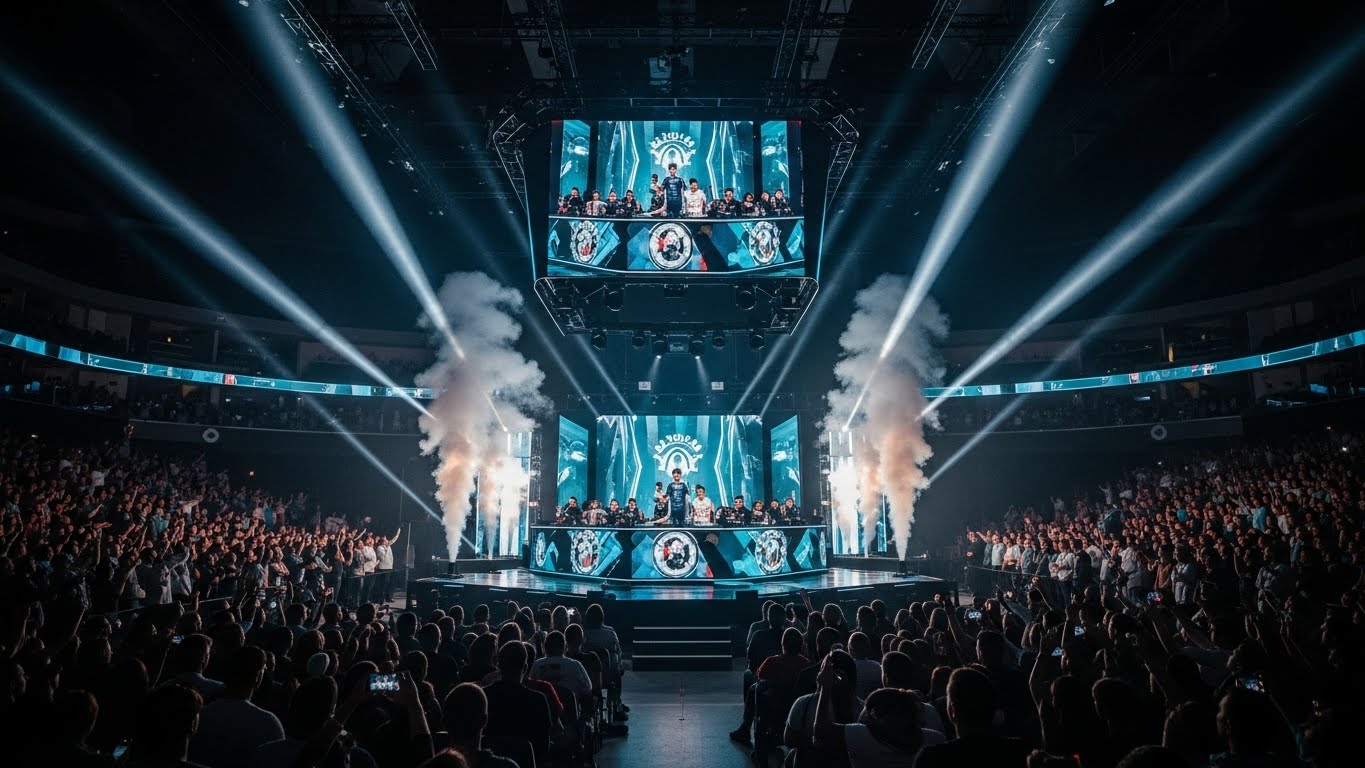
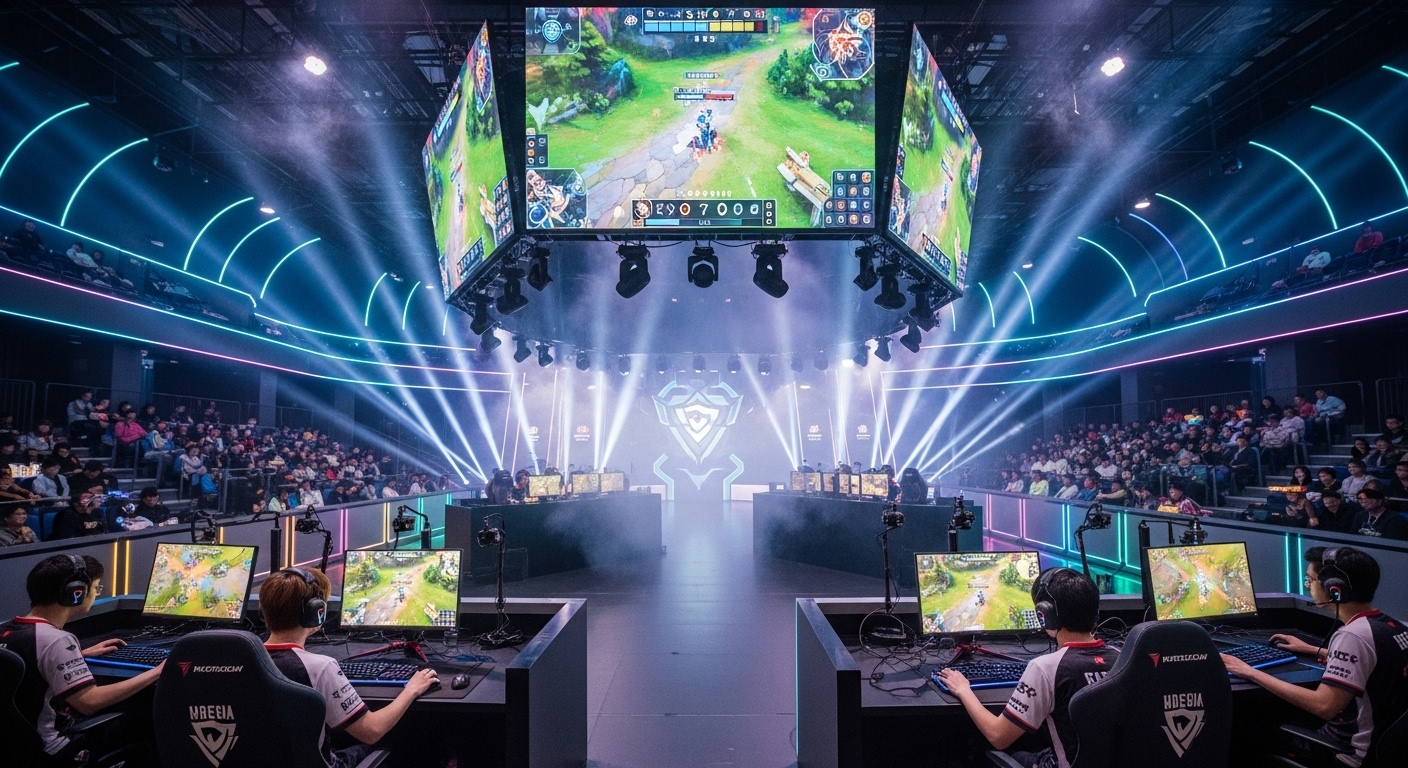
Esports tournaments have grown into massive productions, rivaling traditional sporting events in scale and spectacle. Annual events such as the League of Legends World Championship, The International for Dota 2, and the Fortnite World Cup draw millions of viewers worldwide. These tournaments feature elaborate stages, live commentary, and intense rivalries, creating an electrifying atmosphere that captivates audiences.
Prize pools for major tournaments have also reached staggering amounts. The International 2021 offered a total prize pool exceeding thirty-four million dollars, demonstrating the financial power of the industry. Sponsorship deals, merchandising, and media rights further fuel growth, creating a sustainable and lucrative ecosystem for players, teams, and organizers.
Esports and the Evolution of Training
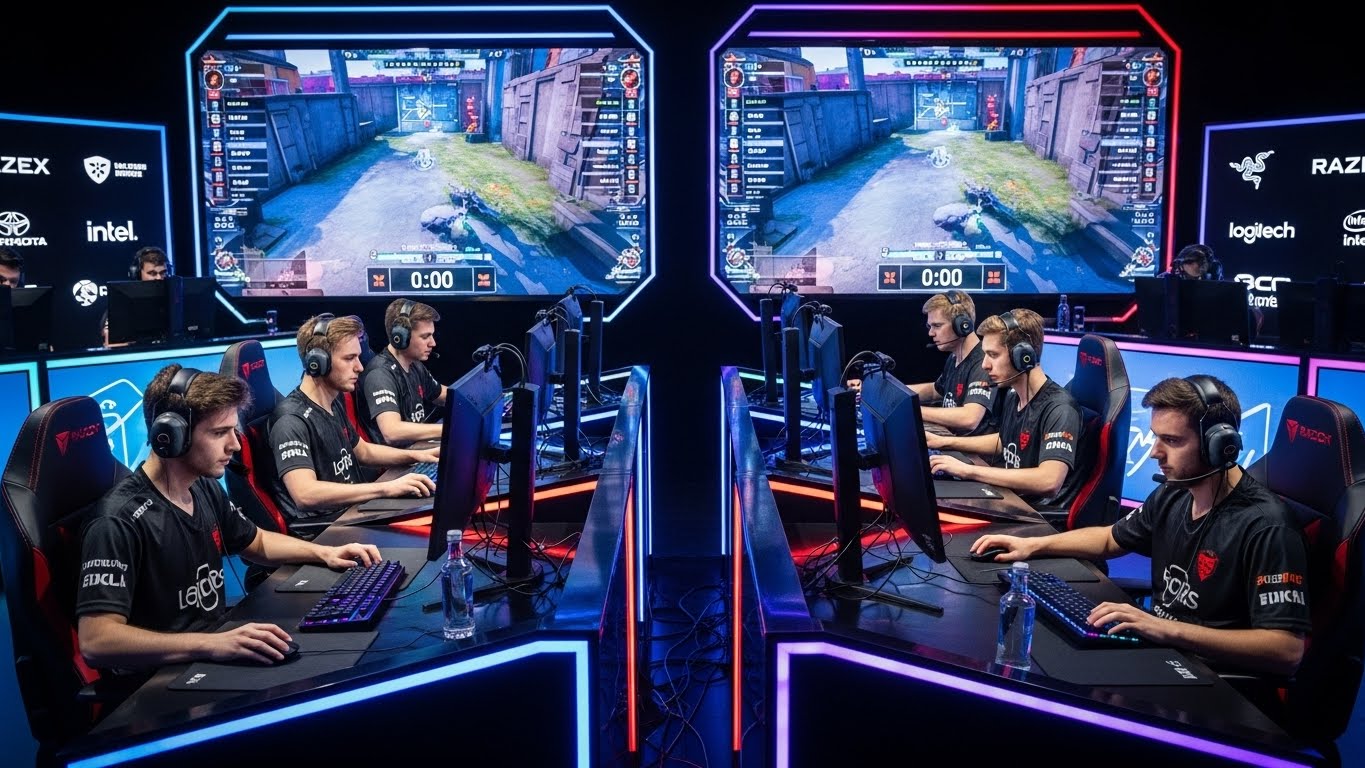
Competitive esports requires more than natural talent. Professional players follow rigorous training regimens, similar to traditional athletes. Daily practice sessions, strategic planning, physical fitness, and mental conditioning are essential for peak performance. Teams often employ coaches, analysts, and psychologists to optimize performance and maintain a competitive edge.
This professionalization of esports has transformed the perception of gaming. Players are no longer seen as casual hobbyists but as disciplined athletes with dedication, strategy, and teamwork. The emphasis on training and preparation highlights the seriousness of esports as a legitimate form of competition.
The Economic Impact of Esports
Esports has become a major economic driver, contributing to job creation, sponsorship revenue, and technological innovation. The industry encompasses game development, event management, broadcasting, merchandising, marketing, and more. Professional teams operate as businesses, securing contracts with sponsors, producing branded content, and engaging in merchandising.
Brands across industries have recognized the marketing potential of esports. Companies sponsor tournaments, advertise during live streams, and collaborate with players to reach younger, digitally engaged audiences. The convergence of entertainment, technology, and advertising has created a multi-faceted ecosystem that continues to expand globally.
Esports Culture and Community
The culture surrounding esports is vibrant and diverse. Online communities provide spaces for fans to discuss strategies, celebrate achievements, and connect over shared passions. Social media platforms amplify these interactions, fostering a sense of belonging among fans and players alike.
Esports also promotes inclusivity, offering opportunities for players of different backgrounds, genders, and abilities. While the industry still faces challenges regarding representation and equality, initiatives to diversify participation continue to grow. Community engagement, fan interactions, and shared experiences define the social dimension of esports, making it more than just competitive play.
Challenges Facing the Esports Industry
Despite its rapid growth, esports faces challenges that require careful attention. One major concern is player health and well-being. Long hours of practice, travel for tournaments, and high-pressure environments can lead to physical strain, mental fatigue, and burnout. Teams and organizations are increasingly implementing wellness programs to support players’ holistic health.
Another challenge is regulatory oversight. As esports grows, issues such as match-fixing, cheating, and contract disputes have emerged. Establishing standardized rules and governance structures is crucial for maintaining integrity and trust within the industry.
Monetization and sustainability also present ongoing considerations. While top-tier players and tournaments earn substantial revenue, lower-level competitors and smaller organizations often struggle to achieve financial stability. Balancing commercial growth with accessibility and opportunity remains a key focus.
The Future of Esports
The future of esports is promising, with continued technological advancements and global expansion shaping the industry. Virtual reality and augmented reality offer new possibilities for immersive gameplay, transforming how players and audiences experience competitions. Mobile esports is gaining momentum, making competitive gaming accessible to even broader audiences.
Educational programs and collegiate esports leagues are also growing, providing structured pathways for aspiring players and promoting recognition in academic and professional contexts. This trend underscores the legitimacy of esports as a career option and a field of study.
Moreover, collaborations between traditional sports and esports continue to expand. Many professional sports teams now operate esports divisions, creating a bridge between physical and digital competitions. This integration highlights the evolving nature of entertainment and competition in the digital age.
Conclusion: Esports as a Cultural Phenomenon
Esports has transcended its origins to become a global cultural phenomenon. It is not merely a form of entertainment but a dynamic ecosystem that encompasses competition, technology, community, and commerce. Professional players, passionate fans, and innovative organizations have collectively transformed gaming into a legitimate sport with worldwide impact.
The rise of esports reflects broader societal trends, including digital engagement, technological innovation, and the desire for connection and competition. As the industry continues to grow, it will shape the future of entertainment, redefine what it means to be an athlete, and offer exciting opportunities for players and fans alike. Esports is more than a game—it is a testament to the power of human creativity, strategy, and passion in the digital era.