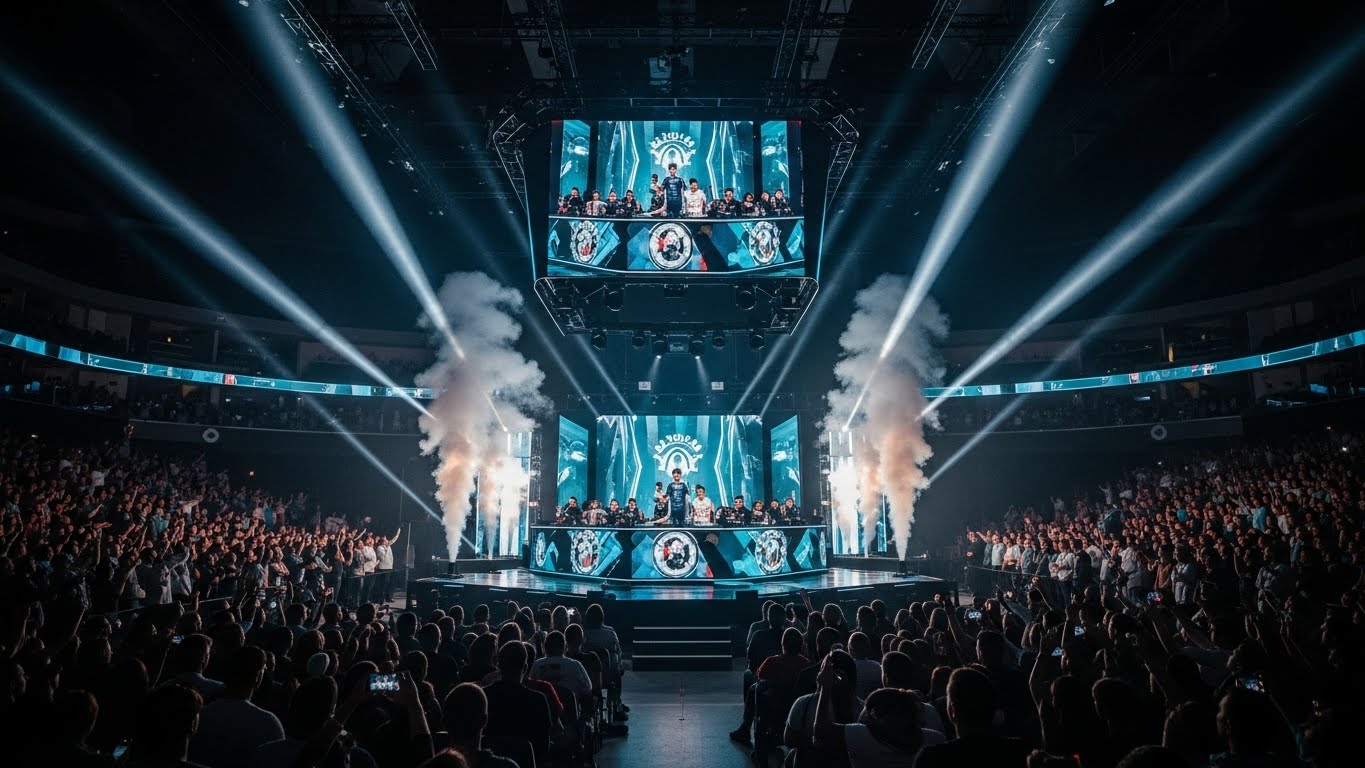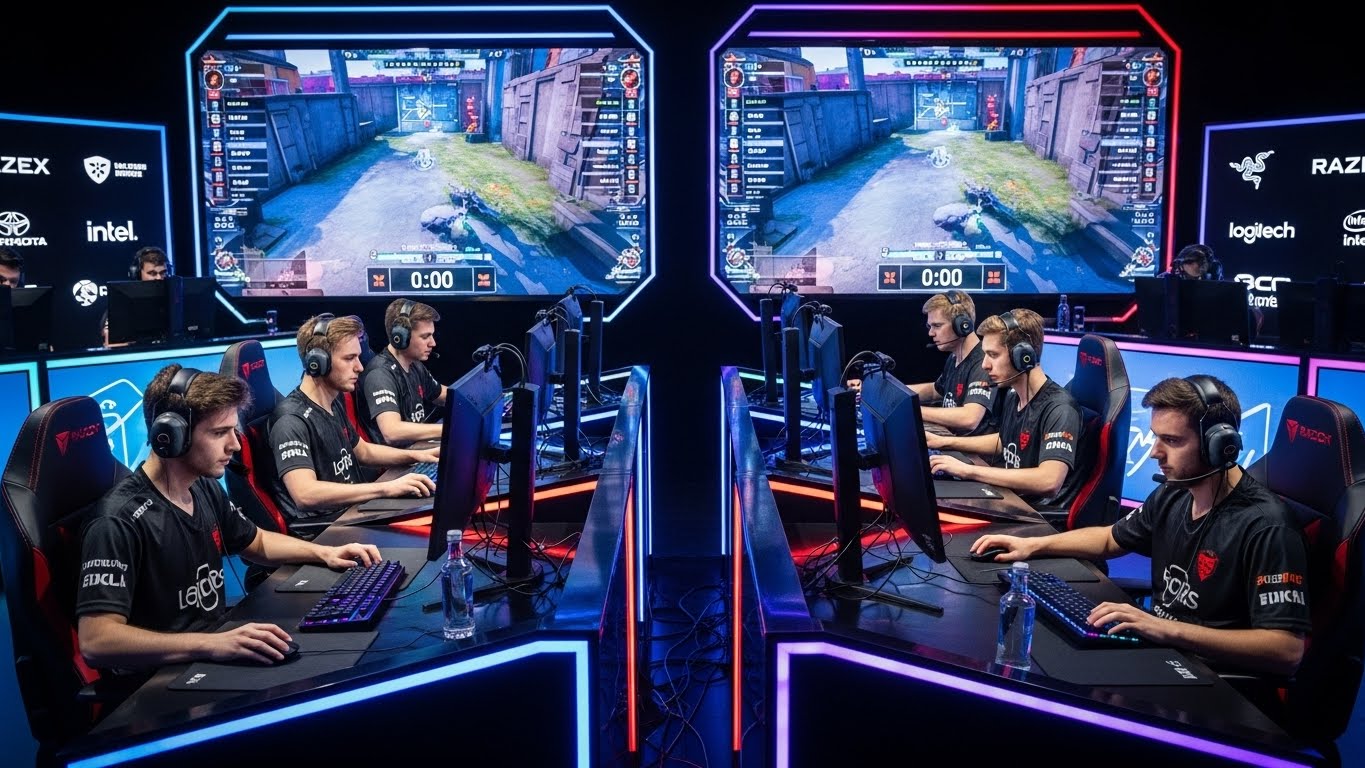
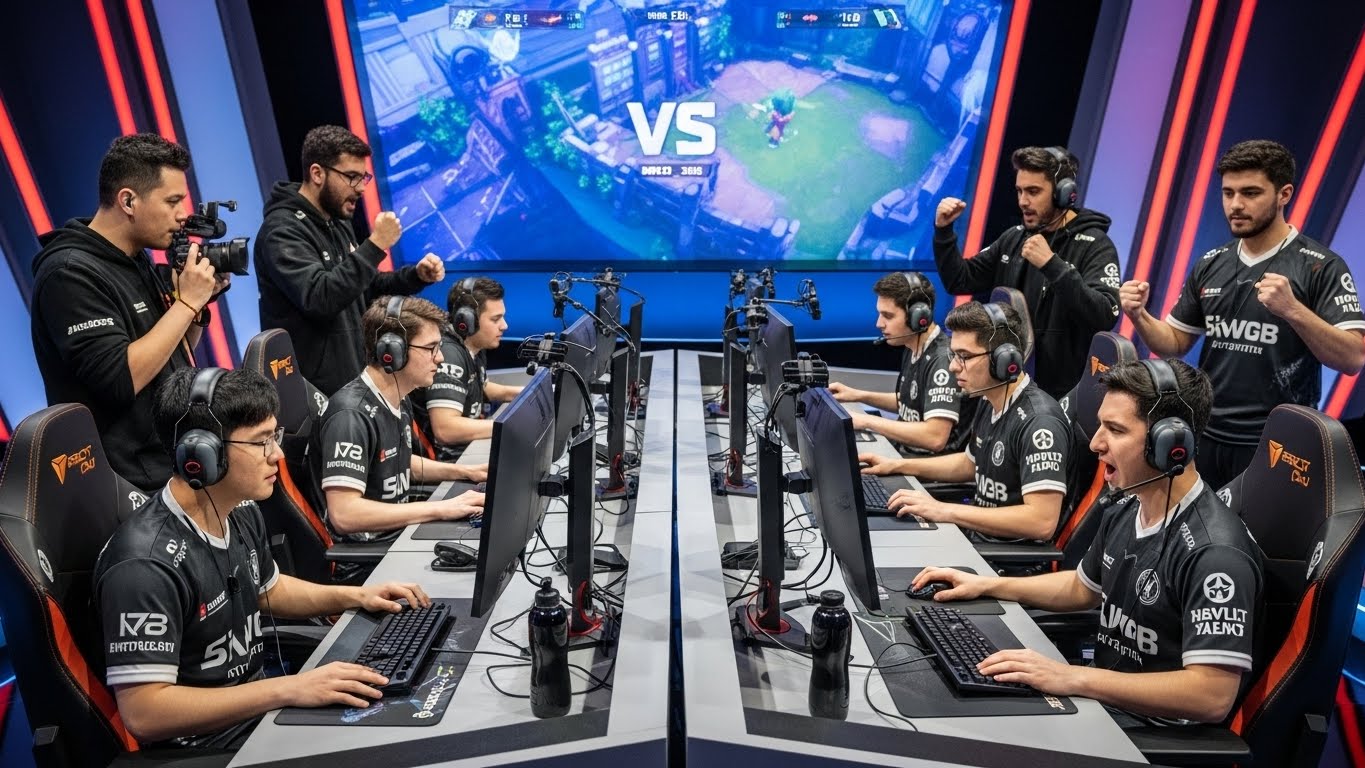
Over the past two decades, esports has evolved from a niche hobby enjoyed by a small group of passionate gamers to a global multi-billion-dollar industry. What started as local LAN parties and amateur competitions has blossomed into an entertainment spectacle that rivals traditional sports in viewership, revenue, and cultural influence. Today, esports is not just about playing games—it’s a full-blown ecosystem encompassing professional leagues, sponsorships, broadcasting, team organizations, and even academic programs. But how did this digital phenomenon gain such widespread popularity? What makes esports so appealing to millions of fans around the world? And where is it headed in the future?
In this blog post, we’ll explore the rapid growth of esports, the key components that make it such a compelling form of entertainment, the players and teams at the heart of it all, and the broader cultural and economic impact of the esports revolution. By the end, we’ll have a comprehensive understanding of why esports is much more than just gaming—it’s a global movement shaping the future of entertainment.
The Origins of Esports: From Hobby to Global Phenomenon
The Early Days: LAN Parties and Arcade Competitions
Esports didn’t emerge overnight—it grew from the grassroots of competitive gaming that began in the early 1990s. The origins of esports can be traced back to the competitive arcade scene, where players would gather in local arcades to compete against each other in games like Street Fighter II and Mortal Kombat. These early competitions were informal but served as the foundation for what would eventually become professional gaming.
The true birth of esports, however, is often credited to the rise of PC gaming in the late 1990s. As internet connectivity improved, players could now compete in multiplayer games from the comfort of their own homes. Early esports competitions were held at LAN (Local Area Network) parties, where groups of players would gather to compete in games like StarCraft, Warcraft III, Quake, and Counter-Strike. These events were not only about competition—they were about building a community. The rise of dedicated gaming communities, forums, and fan sites helped connect players from around the world, laying the groundwork for a global esports scene.
The Birth of Major Tournaments
As internet speeds and gaming technology advanced, the scope of competitive gaming expanded. In the late 1990s and early 2000s, large-scale tournaments began to emerge, with notable events like the World Cyber Games (WCG) and the Electronic Sports World Cup (ESWC) becoming some of the first international esports tournaments. These events attracted both professional players and fans, marking the beginning of a new era in competitive gaming.
One of the most influential early moments in esports history was the 2000 Red Bull LAN tournament, which featured players from various countries and helped set the stage for larger-scale competitions. These tournaments created a platform for players to showcase their skills on a global stage, and as their popularity grew, they began attracting major sponsors, including technology companies, beverage brands, and even traditional sports organizations. This sponsorship money laid the foundation for the financial growth that esports would experience in the coming years.
The Explosion of Esports: The Modern Era
The Growth of Online Streaming
The true turning point for esports came with the rise of online streaming platforms. While gaming tournaments had been taking place for years, the ability to broadcast these events to a global audience revolutionized the industry. The launch of Twitch in 2011 provided a dedicated platform for gamers to stream their gameplay and watch live esports events. By the mid-2010s, Twitch had become the central hub for esports, attracting millions of viewers from around the world.
The success of Twitch and similar platforms like YouTube Gaming and Mixer allowed fans to watch esports competitions in real-time, which made the experience even more accessible. Gamers could follow their favorite players and teams, participate in live chats, and engage with content creators directly. This interactive aspect of esports broadcasting helped foster a sense of community and loyalty among fans, which further propelled the popularity of the scene.
In addition to live streaming, online platforms allowed for video-on-demand content, which gave viewers the opportunity to watch matches they may have missed. This increased accessibility to esports content helped expand the fanbase beyond those who could attend live events.
The Emergence of Professional Leagues and Teams
As the esports ecosystem grew, it became increasingly clear that the industry needed a more structured approach to competition. Enter the professional esports leagues. Titles like League of Legends, Dota 2, Overwatch, and Counter-Strike: Global Offensive (CS:GO) have all spawned their own dedicated leagues and tournaments, many of which are broadcast on mainstream platforms and even televised in certain countries.
One of the most successful and widely recognized esports leagues is the League of Legends Championship Series (LCS), which is operated by Riot Games. The LCS is a professional league for the popular game League of Legends and features teams from North America competing in regular-season matches and playoffs. Similar leagues have emerged in other regions, such as the LPL in China, the LCK in South Korea, and the LEC in Europe. These leagues have become a staple of the esports landscape, with millions of fans tuning in to watch matches.
The creation of professional leagues has also led to the formation of esports teams, each with its own roster of highly skilled players. Teams like Team Liquid, Cloud9, G2 Esports, and Fnatic have become household names in the world of esports. These organizations operate much like traditional sports teams, with coaches, analysts, and team managers working to help their players succeed.
The Esports Ecosystem: A Multi-Faceted Industry
Sponsorships and Branding in Esports
One of the key drivers of the esports industry’s growth has been its ability to attract sponsorships from major brands. In the early days, esports tournaments were often funded by players’ entry fees and modest prize pools. Today, however, esports competitions boast multi-million-dollar prize pools, with significant financial backing from corporate sponsors.
Tech giants like Intel, NVIDIA, and Corsair have long been major sponsors in the esports space, providing equipment and technology for tournaments. But esports has also attracted sponsorships from a wide range of industries, including fast food chains, car manufacturers, and even luxury brands. For example, companies like Coca-Cola, Mercedes-Benz, and Adidas have all partnered with esports events and teams, recognizing the potential of reaching a young, tech-savvy audience.
Sponsorships go beyond just tournament backing—they also help fund the operations of esports teams and provide athletes with the resources they need to compete at the highest level. Esports players are now treated like traditional athletes, with salaries, bonuses, and even endorsement deals. Major organizations have even established player training facilities and dedicated coaching staffs to help players perform their best.
The Role of Media Rights and Broadcasting
In recent years, media rights have become another significant revenue stream for esports. Just like traditional sports, esports leagues and tournaments sell broadcasting rights to networks and digital platforms. This has allowed major events to be aired on television and live-streamed on global platforms like Twitch, YouTube, and even ESPN.
The success of The International, an annual Dota 2 tournament, exemplifies the power of media rights in esports. In 2018, The International 8 boasted a prize pool of over $25 million, with a large portion of the revenue coming from crowdfunding through in-game purchases. This allowed the event to be broadcast to millions of viewers worldwide, cementing the idea that esports could generate substantial revenue through media rights.
Moreover, the media landscape is expanding beyond traditional broadcasting. The proliferation of digital content platforms has made esports a key component of online entertainment. Esports events are now often streamed live to millions of viewers on platforms like Twitch and YouTube, with interactive features like live chats and real-time commentary that engage the audience in ways that traditional sports cannot.
Merchandising and Fan Engagement
As esports has grown in popularity, merchandising has become an important aspect of the industry. Esports teams, like Cloud9 and 100 Thieves, sell a wide range of branded merchandise, from jerseys and hats to limited-edition collectibles. This merchandise helps strengthen the relationship between teams and their fans, creating a sense of loyalty and identity that is common in traditional sports.
The concept of “fan engagement” has taken on a whole new dimension in esports. Fans are not only viewers—they are active participants in the ecosystem. Through social media platforms like Twitter, Instagram, and Discord, fans can interact with players, participate in fan-driven events, and follow their favorite teams’ journeys. Fan loyalty has translated into substantial merchandise sales, subscription services, and other forms of financial support for esports organizations.
The Global Impact of Esports
Esports as a Cultural Movement
Esports is more than just an industry—it’s a cultural movement that’s changing the way people view gaming and competition. In many parts of the world, esports has gone from being seen as a niche hobby to a mainstream form of entertainment. Entire generations have grown up watching esports tournaments, participating in online communities, and even aspiring to become professional gamers.
Esports has bridged the gap between gaming and traditional sports, with prominent players and teams becoming household names. In countries like South Korea, where esports has been a cultural phenomenon for over a decade, gamers are treated like celebrities. These players are followed by millions, and their success in esports can translate into major media deals, endorsement opportunities, and even government recognition.