The Rise of a New Kind of Sport
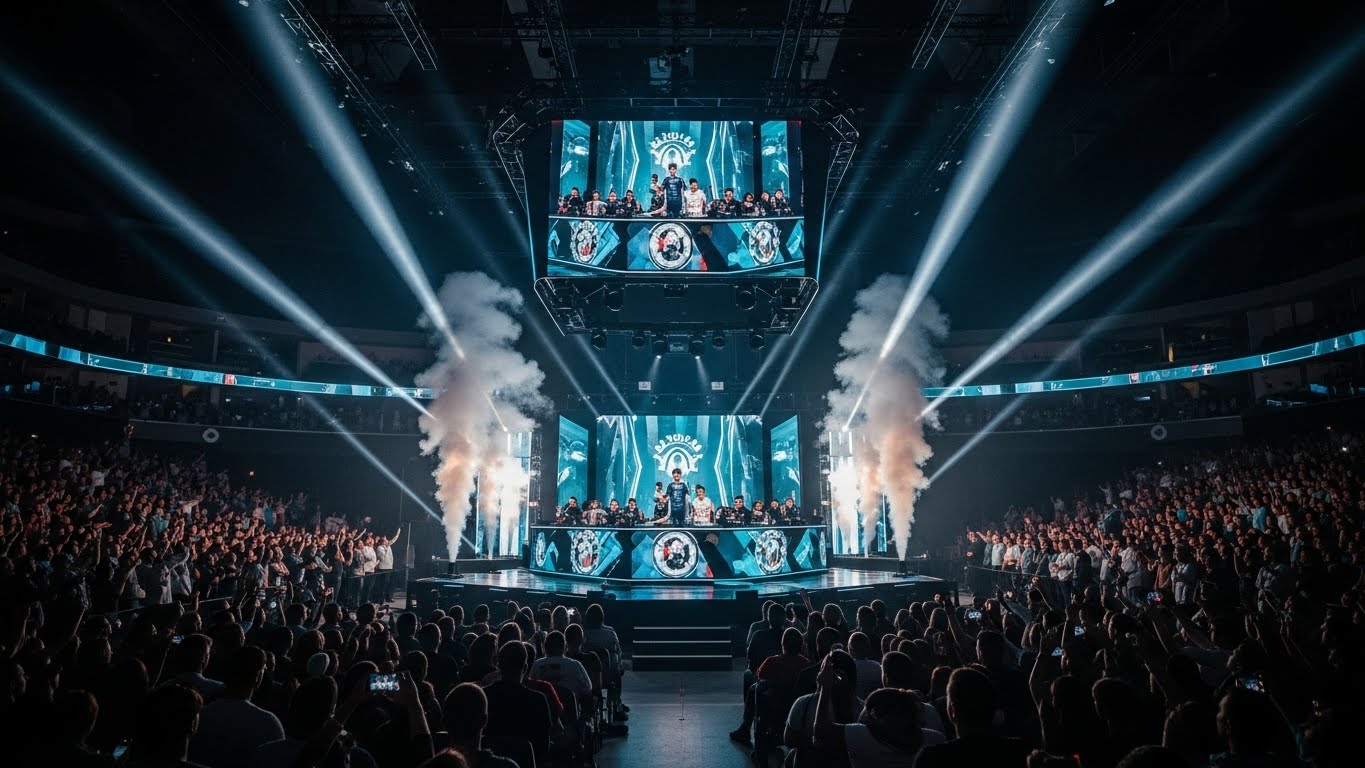
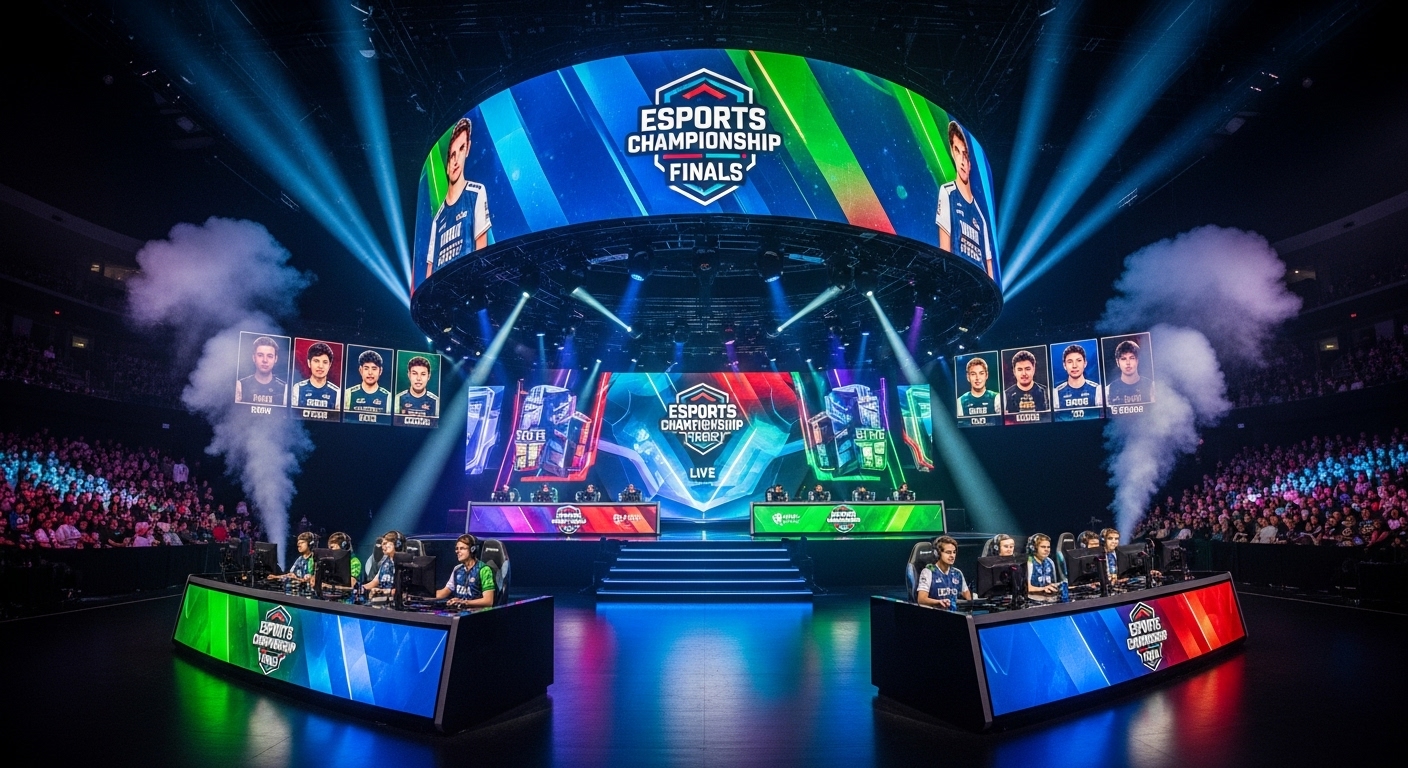
Over the past two decades, the world has witnessed a revolution that few could have predicted—the rise of esports. What once began as small gatherings of gamers competing for bragging rights has evolved into a global industry worth billions. Today, esports tournaments fill stadiums, attract millions of viewers online, and produce professional athletes who earn fame and fortune through skill, strategy, and teamwork. This transformation from casual gaming to organized, high-stakes competition marks a new era in entertainment and sports culture.
Esports, short for electronic sports, refers to competitive gaming at a professional level. Players compete individually or in teams across various video game genres, including first-person shooters, real-time strategy games, multiplayer online battle arenas, and sports simulations. The rapid growth of esports is not just about gaming—it reflects changes in technology, media, and global culture that have reshaped how people connect, compete, and celebrate skill.
From Arcades to Arenas: The Early Days
The roots of esports trace back to the early 1970s when the first known video game competition took place at Stanford University. Players competed in a simple space combat game, a far cry from today’s elaborate productions. The 1980s brought arcade gaming into popular culture, with titles like Pac-Man and Donkey Kong inspiring local contests and leaderboard rivalries. However, it wasn’t until the late 1990s and early 2000s that the modern esports scene began to take shape.
With the advent of personal computers and online connectivity, games like StarCraft, Counter-Strike, and Warcraft III became international phenomena. South Korea emerged as the epicenter of competitive gaming, where televised matches and professional teams gave esports legitimacy as a career. Internet cafés, known as “PC bangs,” became training grounds for aspiring players. This period laid the foundation for the structured, global competitions that define esports today.
The Power of Technology and Streaming
The explosion of broadband internet and live streaming technology transformed esports from a niche hobby into mainstream entertainment. Platforms such as Twitch and YouTube allowed fans to watch matches live, interact with players, and form online communities. Unlike traditional sports, esports thrives in the digital environment—it doesn’t rely on physical stadiums alone. Anyone with a computer or smartphone can tune in, regardless of geography.
Streaming platforms also democratized fame. Talented players could build personal brands, attract sponsors, and grow fanbases long before joining professional teams. This direct connection between player and audience redefined the relationship between athlete and fan. Viewers were no longer passive spectators; they became active participants in a shared digital space where commentary, memes, and fan art contributed to the culture surrounding each game.
Esports as a Professional Career
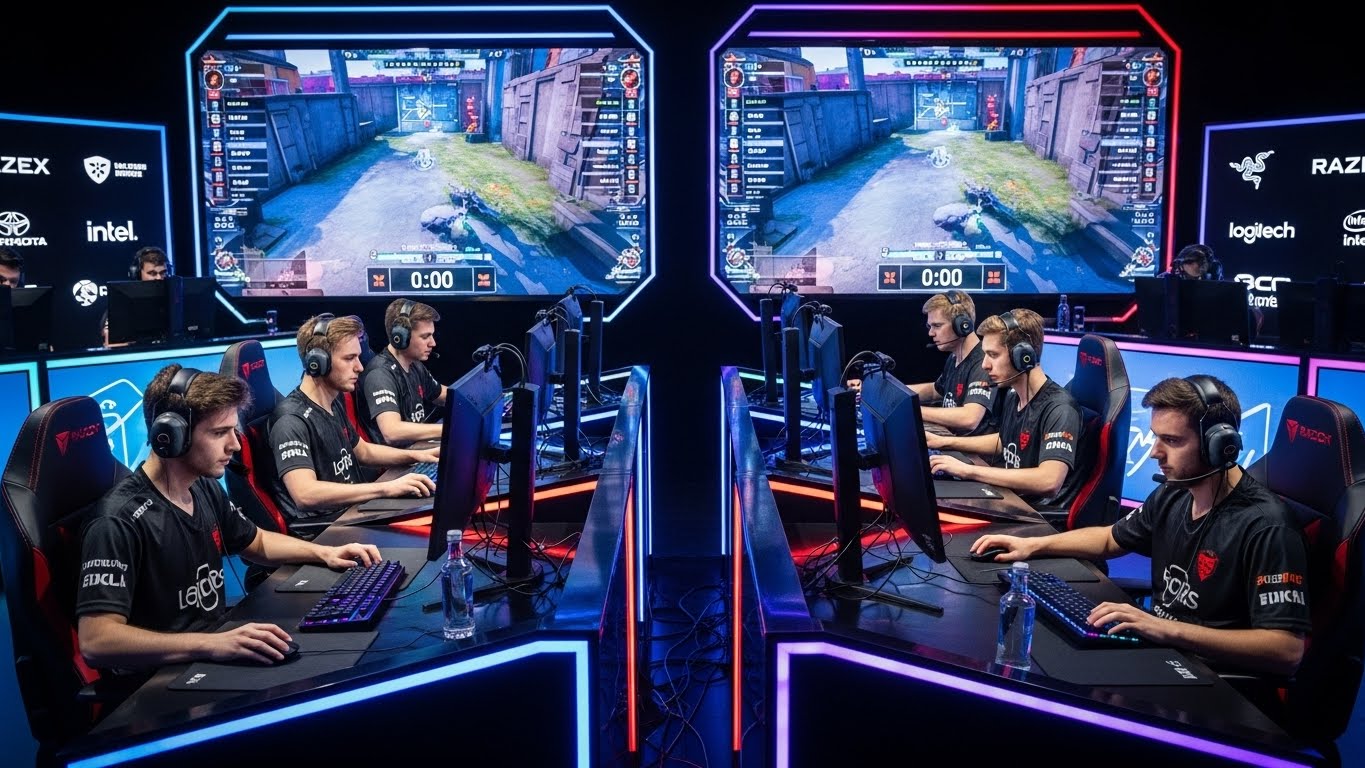
Gone are the days when gaming was dismissed as a waste of time. Today, esports professionals are recognized as athletes who train rigorously, follow strict schedules, and compete under immense pressure. The skill required to excel in esports involves sharp reflexes, deep strategic thinking, teamwork, and psychological resilience. A top-tier player’s daily routine includes hours of practice, physical fitness, mental conditioning, and studying opponents.
The professional structure of esports mirrors that of traditional sports. There are coaches, analysts, team managers, and sponsorship deals. Organizations sign players under contracts, manage branding, and participate in leagues that span continents. Prize pools for major tournaments can reach tens of millions of dollars, and sponsorship from tech giants, beverage companies, and luxury brands has solidified esports as a legitimate and profitable industry.
Global Popularity and Cultural Impact
Esports is now a truly global phenomenon. Major tournaments such as The International (for Dota 2), the League of Legends World Championship, and the Valorant Champions Tour attract millions of live viewers. Cities like Seoul, Shanghai, Los Angeles, and Berlin have become esports hubs, hosting events that rival traditional sports finals in scale and excitement.
This global reach has given rise to diverse communities where players and fans from different backgrounds unite through shared passion. Esports has broken down cultural and linguistic barriers, creating a universal language of competition and skill. The inclusion of esports in multi-sport events like the Asian Games demonstrates growing recognition of its importance in modern culture.
Moreover, esports has influenced fashion, music, and lifestyle. Gaming apparel brands, themed cafes, and digital concerts reflect the fusion of gaming with mainstream culture. Celebrities, musicians, and even traditional athletes have invested in esports teams, further blurring the line between old and new entertainment.
Education and Opportunities
The educational world has also taken notice of esports. Universities across the globe now offer scholarships for talented players, just as they do for athletes in basketball or soccer. Academic programs in game design, management, and broadcasting prepare students for the expanding ecosystem surrounding esports. Beyond playing, careers in commentary, event organization, marketing, and technology development have emerged, creating opportunities for individuals passionate about gaming.
Schools and colleges use esports as a tool to teach teamwork, leadership, and digital literacy. Competitive gaming fosters strategic thinking, communication, and problem-solving—skills valuable in any profession. This recognition of esports as both an academic and developmental pursuit represents a significant shift in how society perceives gaming.
The Mental and Physical Side of Gaming
Although esports takes place in a digital space, it demands both mental and physical discipline. Players must maintain sharp focus, hand-eye coordination, and quick decision-making under intense pressure. The average professional player practices for long hours each day, often with guidance from physical trainers and psychologists to prevent burnout.
Mental health has become a central topic in the esports world. The pressure to perform, constant travel, and online scrutiny can take a toll on players. Organizations are increasingly providing support systems to ensure their athletes maintain balance and longevity in their careers. This holistic approach mirrors the evolution seen in traditional sports, where mental well-being is essential for sustained excellence.
The Economic Impact
The esports industry has become a powerhouse in global entertainment economics. Revenue streams include sponsorships, media rights, advertising, merchandise, and ticket sales. Global brands recognize the value of connecting with the youthful, tech-savvy audience that esports attracts. The integration of virtual goods, digital collectibles, and branded in-game content has created new forms of monetization that traditional sports cannot easily replicate.
Esports events also boost local economies. Hosting international tournaments brings tourism, job opportunities, and infrastructure investments. Cities that embrace esports gain recognition as digital innovation centers, attracting both technology companies and young talent.
Challenges Facing the Industry
Despite its rapid growth, esports faces challenges that must be addressed to ensure long-term sustainability. One major issue is player burnout. The competitive calendar can be relentless, leaving little room for rest. Another challenge lies in maintaining fair play. Cheating, match-fixing, and performance-enhancing tools threaten the integrity of competition. Organizations are working to establish strict regulations and anti-cheat systems to protect credibility.
Additionally, esports must tackle inclusivity and representation. The industry has been criticized for lack of diversity, with women and marginalized groups often facing barriers to entry. Efforts to promote inclusivity, from women’s leagues to mentorship programs, are gradually reshaping the landscape.
The Future of Esports
Looking ahead, the future of esports appears boundless. Advancements in virtual reality, augmented reality, and artificial intelligence will continue to expand the possibilities of interactive competition. The line between playing and watching will blur further, creating immersive experiences that engage audiences in entirely new ways.
Esports is also likely to gain more recognition from traditional sports bodies and educational institutions. As younger generations grow up with gaming as a cultural norm, the divide between traditional and electronic sports will diminish. Esports may soon feature regularly in global sporting events, with national teams representing their countries just as in football or basketball.
Beyond competition, esports will influence how society understands entertainment, community, and technology. It is not merely about who wins or loses—it is about creativity, innovation, and human connection in a digital world.
Conclusion: A New Era of Competition
Esports stands as a symbol of the digital age’s power to reshape human experience. It combines technology, storytelling, and competition into a spectacle that transcends borders and generations. From humble beginnings in university labs and arcades to massive international arenas, esports has proven that gaming is not a pastime—it is a passion, a profession, and a global movement.
As the digital arena continues to grow, it invites everyone to participate, whether as players, fans, creators, or innovators. The rise of esports represents more than a shift in entertainment; it marks a cultural transformation that reflects the values of the modern world—connection, creativity, and competition without limits.