Introduction: A New Era in Competitive Entertainment
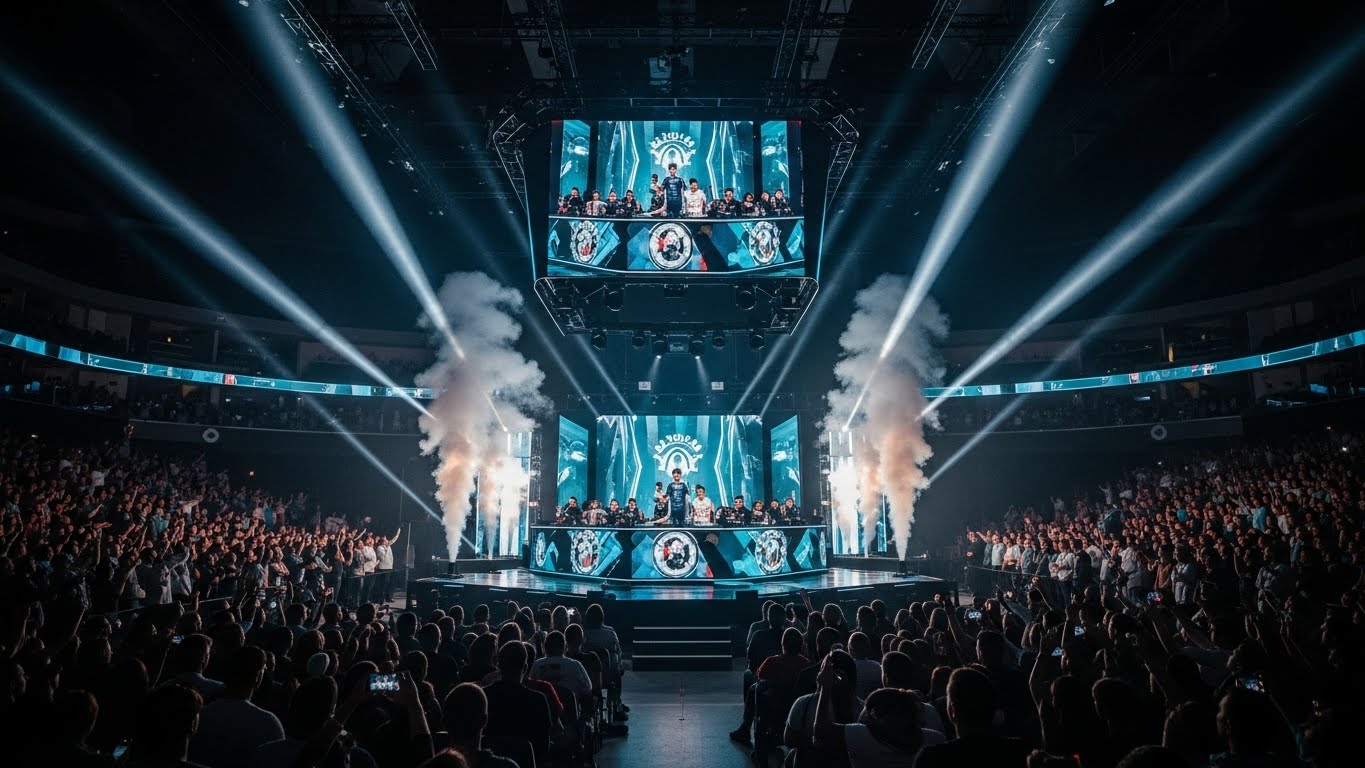
In recent years, esports has rapidly transformed from a niche hobby to a global phenomenon. What started as informal competitions in local arcades and living rooms has grown into a massive, multi-billion-dollar industry. Esports, or electronic sports, refers to organized multiplayer video game competitions, particularly between professional players, individually or in teams. These tournaments now fill massive arenas, draw millions of viewers from across the globe, and offer prize pools that rival traditional sports competitions. The rise of esports has not only reshaped the world of gaming, but it has also changed the way we view competition itself. From professional players to passionate fans, esports has become a dynamic force, pushing the boundaries of what competitive entertainment can be. This blog explores the evolution of esports, its cultural impact, and the future of this exciting new arena.
The Origins of Esports: From Casual Games to Competitive Tournaments
The roots of esports can be traced back to the early days of video gaming in the 1970s. The first known video game competition took place at Stanford University in 1972, where students competed in a game called “Spacewar.” Though small and informal, this event marked the beginning of competitive gaming. Over the next decade, gaming quickly expanded into arcades, where titles like “Pac-Man” and “Donkey Kong” introduced players to a new form of entertainment. These arcade games were some of the first to inspire competition, as players raced to achieve the highest scores.
In the 1990s, the advent of personal computers and online multiplayer gaming began to lay the foundation for modern esports. Games like “Doom” and “Warcraft” allowed players to connect over local area networks (LANs), setting the stage for the first professional tournaments. The turn of the century saw the rise of competitive games like “StarCraft,” “Counter-Strike,” and “Quake,” which helped establish esports as a recognized competitive activity. The success of these early games, particularly in regions like South Korea, where esports culture was embraced at a national level, demonstrated that competitive gaming could be more than just a hobby—it could be a legitimate career.
Esports in the Modern Era: Growing Pains and Mainstream Recognition
As esports gained momentum in the 2000s, several factors contributed to its mainstream success. One of the key drivers was the rise of online platforms like Twitch, which allowed gamers to stream their gameplay live to a global audience. By 2011, Twitch had quickly become the go-to platform for live streaming esports events, where fans could watch their favorite players and teams compete in real-time. This created a digital arena where the community could engage with players, share strategies, and support their favorite teams.
Major tournaments such as “The International” for Dota 2 and “League of Legends World Championships” began to garner massive audiences, both online and in-person. Prize pools skyrocketed, with some tournaments offering millions of dollars in rewards. Esports events became professional spectacles, complete with commentators, analysts, and high production values. The growing influence of online streaming platforms allowed esports to reach an international audience, attracting viewers from across the world and cementing its place in the digital entertainment landscape.
Esports has also received increasing recognition from traditional sports and media outlets. Major brands such as Coca-Cola, Intel, and Mercedes-Benz began investing in esports, recognizing the value of reaching younger, tech-savvy audiences. Sponsorships, partnerships, and media deals became key components of the industry’s financial structure. Over time, esports began to garner the same level of attention as traditional sports, with millions of viewers watching major tournaments and celebrity gamers gaining fame.
The Rise of Professional Esports Athletes
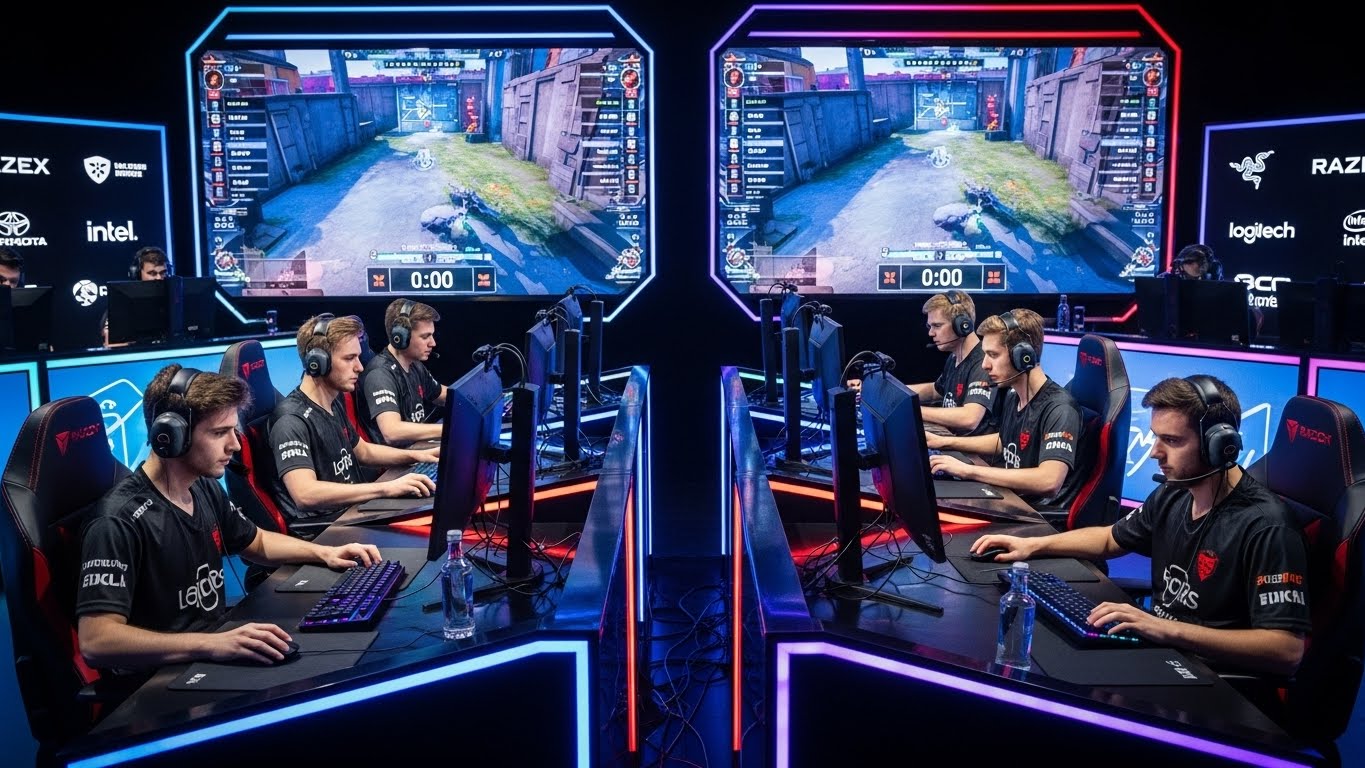
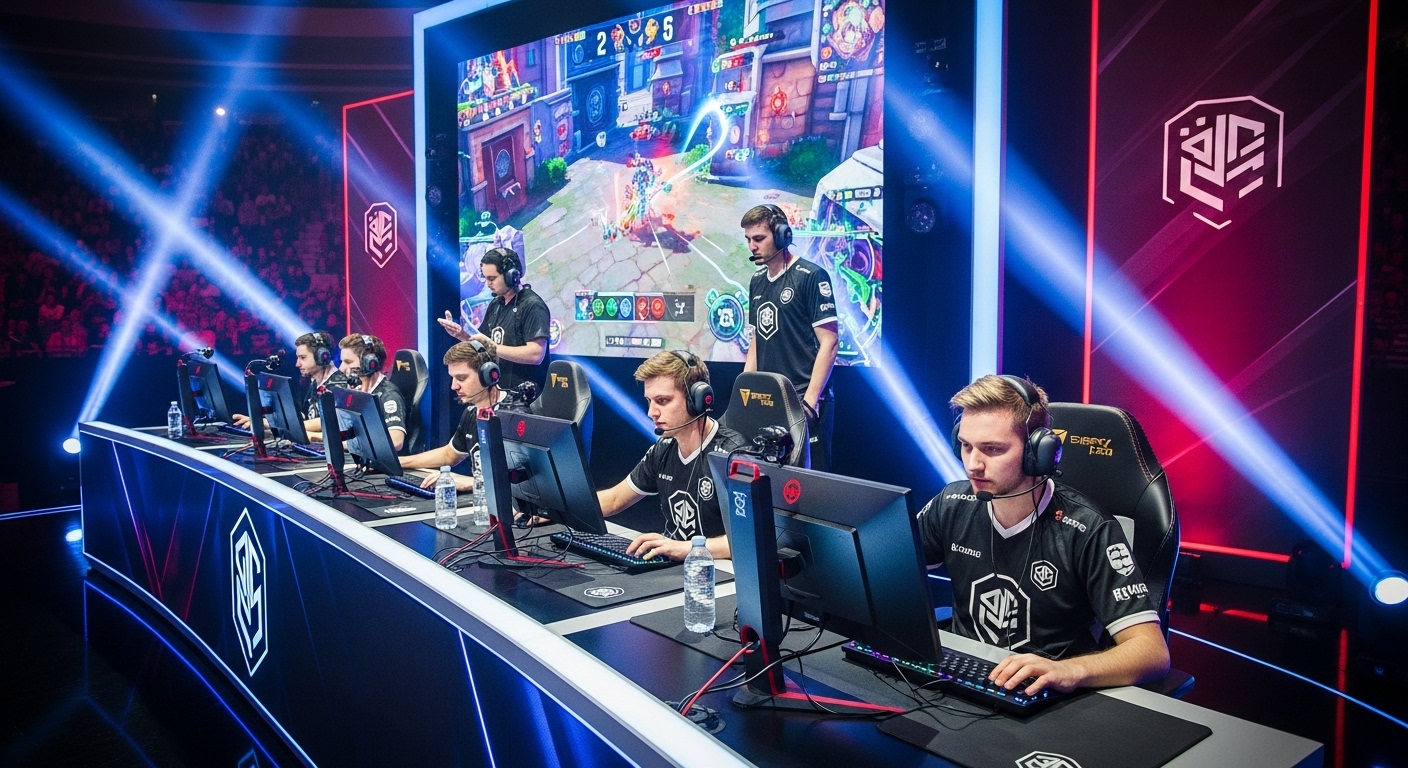
What sets esports apart from traditional sports is that it has created a new kind of athlete—one who excels not through physical strength, but through mental agility, precision, and quick decision-making. Professional esports players are incredibly skilled at their chosen games, often spending countless hours honing their craft. The level of dedication and commitment required to compete at the highest level is similar to that of traditional athletes.
Professional esports players typically train for eight to ten hours a day, refining their strategies, improving their reaction times, and working closely with their team members to develop intricate game plans. These players often start their careers at a young age, with many entering the competitive scene in their teens. Just as professional athletes rely on coaches, nutritionists, and psychologists to stay at the top of their game, esports players benefit from similar support systems. Coaches analyze gameplay, develop strategies, and help players stay focused under pressure, while sports psychologists assist with mental health and managing the stress of competition.
Top esports players often earn substantial incomes, not only from tournament prize pools but also through sponsorships, streaming revenue, and social media endorsements. Many professional gamers have turned their passion into full-time careers, creating lasting personal brands and becoming celebrities in the digital space. These players are role models for aspiring gamers, proving that dedication and talent can lead to a successful career in esports.
Esports and the Global Community
One of the most unique aspects of esports is its ability to unite people from all over the world. Unlike traditional sports, which are often limited by geography, esports brings together players and fans from every corner of the globe. Games like “League of Legends,” “Counter-Strike: Global Offensive,” and “Fortnite” have created international fan bases that can come together online to support their favorite teams and players.
Tournaments like “The International” and the “League of Legends World Championship” attract viewers from all continents, creating a global community centered around the shared love of gaming. Esports transcends language barriers, with fans engaging in real-time through online chat, forums, and social media platforms. This sense of community is further reinforced by the accessibility of streaming platforms, where anyone with an internet connection can watch live tournaments and interact with other fans.
Esports has also led to the rise of a new form of digital fandom. Fans can support their favorite teams and players by purchasing merchandise, attending live events, and participating in online forums. These fans are deeply invested in the success of their teams, often forming strong emotional connections with the players they follow. The culture of esports is built on engagement, community, and collaboration, creating an environment where fans can connect with each other and share their passion for gaming.
The Economic Impact of Esports
Esports has rapidly become a multi-billion-dollar industry, with revenue streams coming from various sources. Sponsorships and advertising are among the largest contributors, as brands vie for exposure to the lucrative, young audience that esports attracts. Companies in tech, gaming, and entertainment regularly sponsor teams, tournaments, and individual players, gaining access to an audience that is often difficult to reach through traditional media.
In addition to sponsorships, esports generates revenue through ticket sales, broadcasting rights, and merchandise sales. Major tournaments and events can fill arenas with thousands of spectators, and fans can purchase tickets to watch live matches or meet their favorite players. Streaming platforms also contribute to the economic growth of esports by offering advertising opportunities and premium subscription services. With the global expansion of esports, new revenue opportunities are constantly emerging, further cementing its position as one of the fastest-growing sectors in entertainment.
The rise of esports has also created job opportunities in a variety of fields. Professional players, coaches, analysts, broadcasters, event organizers, and content creators all play integral roles in the esports ecosystem. As the industry continues to grow, new positions and career paths are emerging, creating opportunities for individuals passionate about gaming to build successful careers.
Esports and Traditional Sports: A New Relationship
While esports has often been compared to traditional sports, it has begun to form its own distinct identity. However, the two industries are increasingly converging in various ways. Traditional sports leagues, such as the NBA and NFL, have embraced esports by creating their own gaming leagues. For example, the NBA launched the NBA 2K League, where professional gamers compete in the popular “NBA 2K” series. This partnership between esports and traditional sports organizations highlights the growing recognition of esports as a legitimate form of competition.
Esports has also become a fixture in global sports events, with discussions underway to potentially include esports in the Olympic Games. The idea of esports being integrated into traditional sporting events speaks to its increasing acceptance as a form of athletic competition. While esports may never replace traditional sports, it is clear that both industries will continue to influence and complement one another in the years to come.
The Future of Esports: What’s Next?
The future of esports looks incredibly promising. As technology continues to advance, so too will the experiences offered to players and fans. Virtual reality (VR) and augmented reality (AR) are expected to play a major role in the next generation of esports, offering more immersive, interactive experiences. VR could allow players to physically step into the virtual worlds of their games, while AR could enhance the viewing experience for fans by overlaying live data and stats on the game itself.
Artificial intelligence (AI) and machine learning will likely become more integrated into esports as well, improving everything from player performance analytics to in-game strategies. The rise of mobile gaming presents another exciting opportunity for esports, especially in emerging markets where smartphones are the primary form of gaming. Mobile esports tournaments are already taking off in regions like Southeast Asia and Latin America, further expanding the global reach of esports.
Conclusion: Esports—The Future of Competition and Entertainment
Esports has proven itself to be more than just a passing trend. It has rapidly evolved into a global industry that is shaping the future of competitive entertainment. What started as small competitions between friends has grown into a massive, professionalized ecosystem that attracts millions of viewers, sponsors, and players. With its combination of technology, community, and competition, esports has carved out its own space in the world of sports and entertainment.