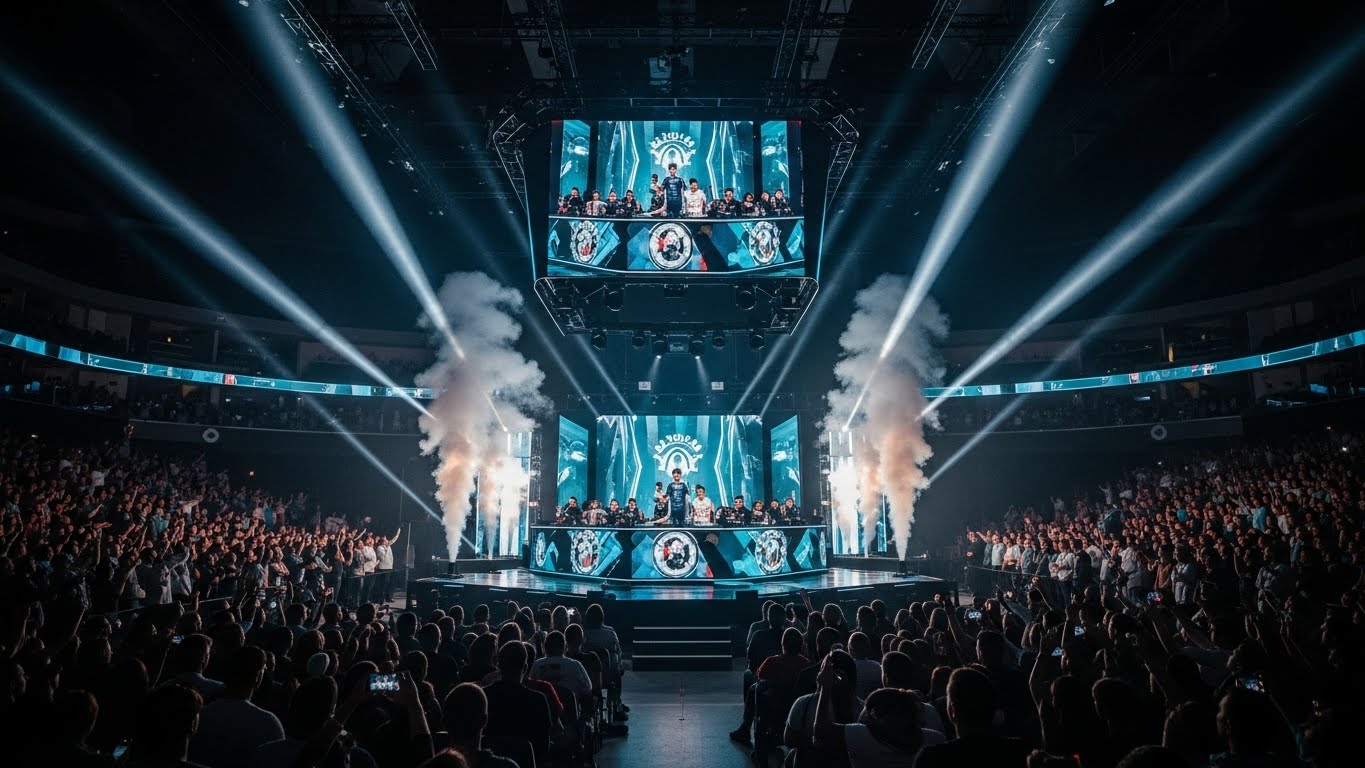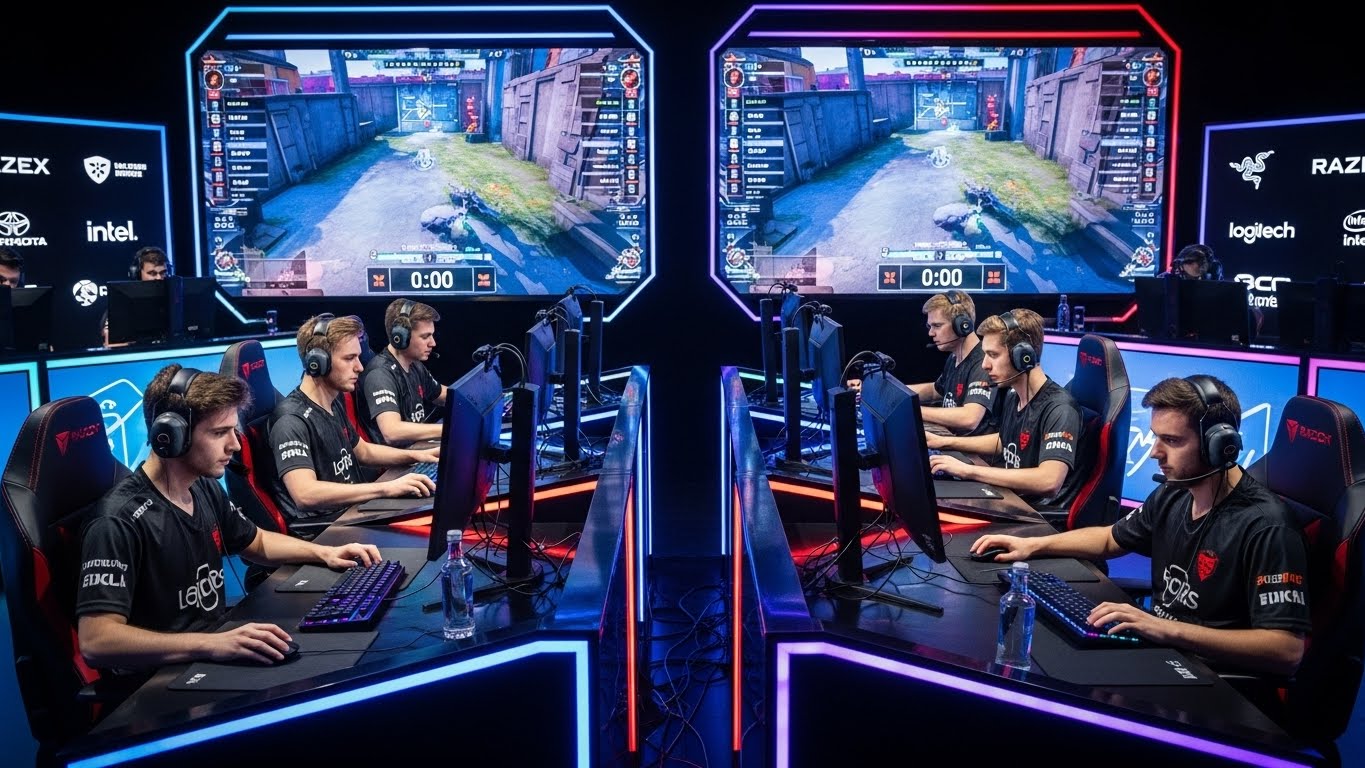
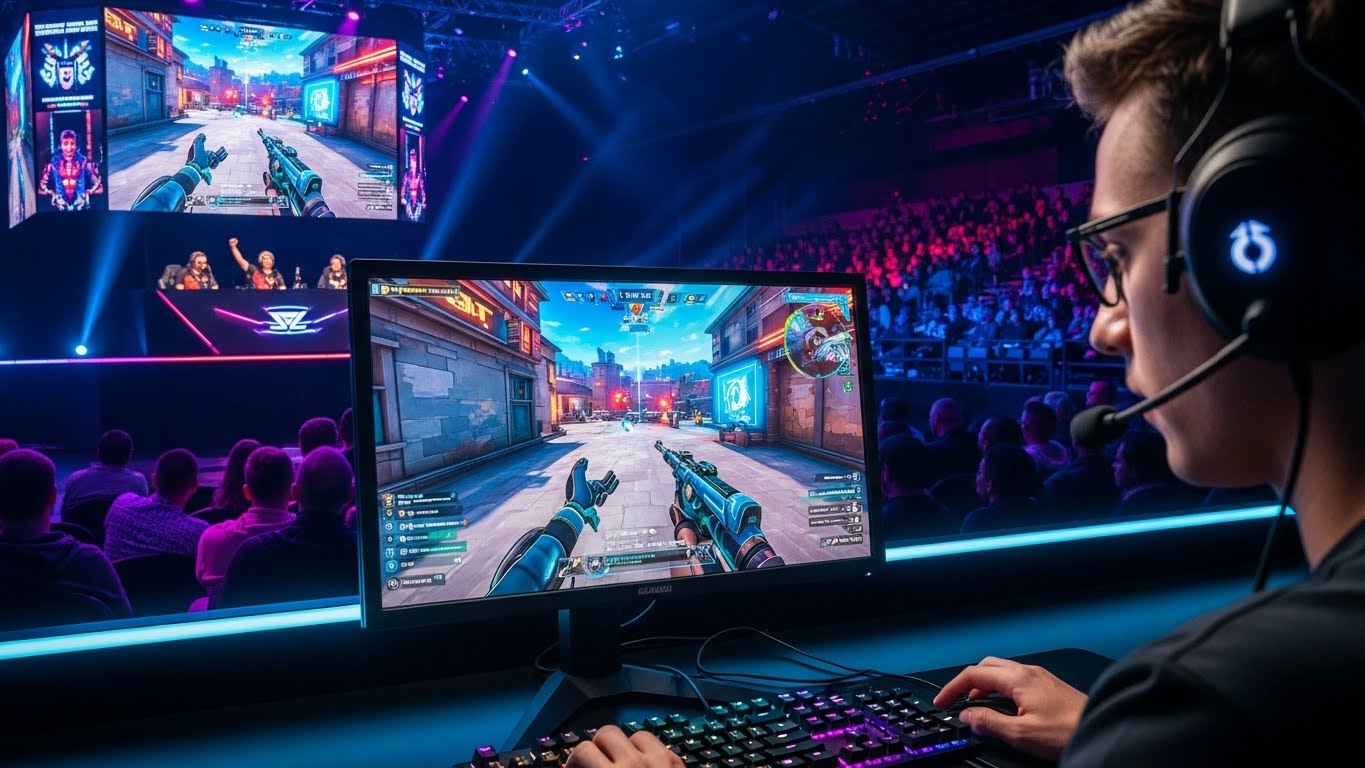
Esports, or electronic sports, has evolved rapidly from humble beginnings into a global phenomenon, captivating millions of fans and players around the world. What once started as a niche hobby for competitive gamers has now become a booming industry, generating billions of dollars annually. Esports now features high-profile tournaments, professional teams, and a growing mainstream audience that rivals traditional sports in terms of viewership and investment. This blog post delves into the journey of esports, its impact on the gaming community, and its emergence as a legitimate, competitive entertainment medium.
The Early Days of Esports
The history of esports traces back to the early days of video gaming, when players began competing against one another in local tournaments. In the 1970s and 1980s, arcades and home consoles were at the forefront of gaming culture, and competitive play began to take shape. However, the rise of esports can be pinpointed to the late 1990s, with the advent of multiplayer online games like Quake and StarCraft. These games allowed players to connect via the internet and face off in global competitions, laying the foundation for modern esports.
In 1997, the first major esports tournament, the Red Annihilation Quake tournament, took place. This event not only marked a significant milestone in the history of esports but also showcased the potential for competitive gaming to grow into a spectator sport. It was a modest beginning, but it laid the groundwork for what was to come.
The Rise of Online Gaming
The late 1990s and early 2000s saw the proliferation of online gaming, with titles such as Warcraft III, Counter-Strike, and Dota growing in popularity. These games introduced new forms of competition, where players could team up and participate in large-scale, online tournaments. In 2002, the Cyberathlete Professional League (CPL) was established, hosting some of the first truly organized esports events. These tournaments brought together professional gamers, attracted sponsorships, and set a precedent for what esports events would look like in the future.
As broadband internet became more widely available, the global gaming community began to thrive, creating an infrastructure that allowed players to compete at a higher level. Competitive gaming became more than just a hobby—it was becoming a serious career choice for those who excelled in it. Major titles like League of Legends and StarCraft II began to dominate the competitive gaming scene, pushing esports into the mainstream.
Esports Leagues and Professionalization
The professionalization of esports truly began in the 2010s. The introduction of dedicated esports leagues and tournaments became a game-changer for the industry. Major titles such as League of Legends, Dota 2, and Counter-Strike: Global Offensive developed their own competitive ecosystems, complete with professional teams, coaches, and management.
The creation of the League of Legends Championship Series (LCS) by Riot Games in 2013 was one of the key moments in the formalization of esports. The LCS became one of the most prestigious and lucrative tournaments in esports, offering multi-million-dollar prize pools and creating a pathway for aspiring players to go pro. Other game developers followed suit, and soon esports leagues sprang up for a variety of games.
These leagues not only provided competitive players with financial stability but also created a new form of entertainment. Much like traditional sports, esports tournaments started drawing in massive crowds and live viewership, with millions of people tuning in to watch their favorite teams compete. Streaming platforms like Twitch and YouTube Gaming further fueled this growth, enabling fans to watch esports tournaments live from anywhere in the world.
The Business of Esports: Sponsorships and Investment
As esports grew in popularity, it quickly attracted attention from the business world. Major corporations, including brands like Coca-Cola, Intel, and Red Bull, began to see the potential in sponsoring esports teams and tournaments. This influx of corporate sponsorships helped to legitimize esports and provided the financial backing necessary for further growth. Prize pools for major tournaments grew substantially, with the International tournament for Dota 2 offering a record-setting $40 million prize pool in 2021.
Investment in esports also increased dramatically, with venture capitalists and tech giants eager to get a piece of the action. In 2018, Microsoft acquired Mojang, the developer of Minecraft, for $2.5 billion, signaling the growing economic value of the gaming and esports industry. Esports organizations and teams also began to attract major investments, allowing them to expand their operations, sign high-profile players, and hire coaching staff and analysts.
Broadcast rights became another significant revenue stream for esports organizations, as media outlets and streaming services sought exclusive rights to broadcast major tournaments. The rise of platforms like Twitch and YouTube allowed fans to watch tournaments in real-time, but the global nature of esports also led to international broadcasters securing television deals. The League of Legends World Championship, for example, was broadcast on major TV networks in various countries, expanding the reach of esports far beyond the digital world.
The Globalization of Esports
One of the defining features of esports is its global nature. While traditional sports are often regionally bound by geography and cultural preferences, esports transcends borders. Tournaments take place across multiple continents, and players from all over the world compete against each other, forming an international community.
The rise of online streaming platforms has played a crucial role in globalizing esports. Fans from all corners of the world can tune in to watch tournaments and follow their favorite players and teams, regardless of location. This level of accessibility has been key to esports’ rise as a global phenomenon.
In addition to global tournaments, esports has also grown in terms of regional competitions. Major cities around the world have begun to host local tournaments, contributing to the development of esports infrastructure. For instance, South Korea has become a hub for esports, with StarCraft and League of Legends tournaments drawing huge crowds and influencing the development of esports culture. Similarly, North America and Europe have become key regions for esports competitions, with multiple teams and organizations based in these areas.
Esports as a Career and Education
As esports has grown, it has created new opportunities for individuals to build careers in the gaming industry. While professional players have always been at the forefront of esports, other career paths in areas like coaching, broadcasting, analysis, and event management have emerged. The rise of esports-related careers has led to the creation of educational programs and degrees in fields such as esports management, game design, and digital media.
Many universities now offer scholarships for esports athletes, allowing talented gamers to pursue their education while competing professionally. Additionally, esports organizations have begun to partner with academic institutions to develop training programs that help players improve their skills and knowledge of the industry.
Esports has become more than just a hobby or a pastime; for many young people, it is a legitimate career path. As the industry continues to grow, the demand for professionals in all areas of esports will only increase.
The Impact of Esports on Traditional Sports
Esports has had a profound impact on traditional sports, both in terms of audience and viewership. The rise of esports has provided a new form of entertainment for sports fans, attracting younger generations who are more likely to engage with digital content than traditional sports media. Esports has also helped to break down barriers in terms of inclusivity and accessibility. Unlike traditional sports, esports does not require physical prowess, making it an accessible avenue for people of all backgrounds and abilities.
Furthermore, esports has drawn the attention of professional sports leagues, who are now beginning to incorporate esports into their offerings. Major sports leagues like the NBA and NFL have created their own esports leagues and competitions, often featuring video game versions of their real-world sports. These leagues provide a bridge between traditional and digital sports, helping to connect the two worlds and attract new fans.
The Future of Esports
The future of esports looks incredibly promising. As the industry continues to grow, we can expect more investment, larger prize pools, and greater global reach. The continued development of virtual reality (VR) and augmented reality (AR) technology may also change the way we experience esports, offering more immersive experiences for both players and viewers.
In addition to technological advancements, the integration of esports into mainstream media is likely to increase. More TV networks and streaming services may secure exclusive broadcasting rights for major tournaments, further solidifying esports as a mainstream entertainment option. Esports will continue to be a driving force in the gaming industry and may even play a role in shaping the future of entertainment as a whole.
Conclusion
Esports has come a long way from its humble beginnings. What started as a niche hobby for a select few has blossomed into a multi-billion-dollar industry with millions of fans worldwide. Esports has provided players with new career opportunities, changed the way we view gaming, and offered a new form of entertainment for people of all ages. With continued growth, innovation, and investment, esports is set to remain a dominant force in the world of competitive entertainment. Whether you’re a casual gamer or a die-hard esports fan, one thing is clear: the future of esports is bright, and its impact will continue to be felt for years to come.