Introduction: Esports as the New Frontier of Sports
Esports, or competitive video gaming, has transformed the landscape of entertainment and sports in the 21st century. What began as casual gaming among friends has evolved into a global phenomenon with professional leagues, international tournaments, and millions of fans tuning in from every corner of the world. Esports represents not just competition, but a culture of skill, strategy, and innovation that rivals traditional sports in intensity and excitement. Players, known as gamers, dedicate countless hours to honing reflexes, mastering strategies, and coordinating with teammates, proving that esports demands discipline, focus, and creativity. In the modern era, esports has established itself as a legitimate career path, a source of global entertainment, and a cultural movement that bridges technology and athleticism.
The Growth of the Esports Industry
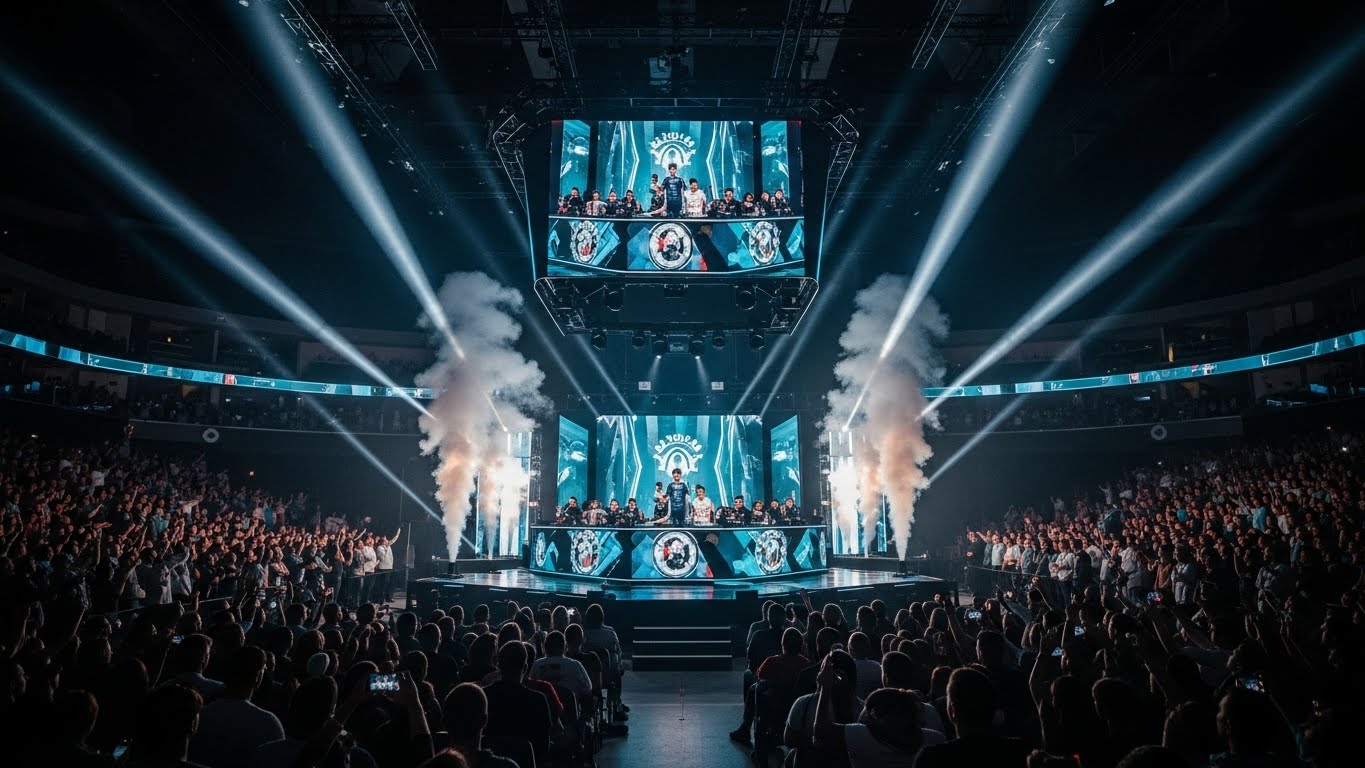
The esports industry has experienced exponential growth over the last decade. From small LAN parties to massive stadiums filled with cheering fans, esports has evolved into a multi-billion-dollar global enterprise. Professional leagues for games such as League of Legends, Dota 2, and Counter-Strike attract sponsorships from major brands, television and streaming deals, and lucrative prize pools for competitors. Platforms like Twitch and YouTube Gaming allow fans to watch live matches, interact with players, and even participate in community events. The growth of esports is fueled by accessibility; anyone with a computer, console, or internet connection can join a competitive scene, making it an inclusive platform for talent from all over the world.
The Skill and Strategy Behind Esports
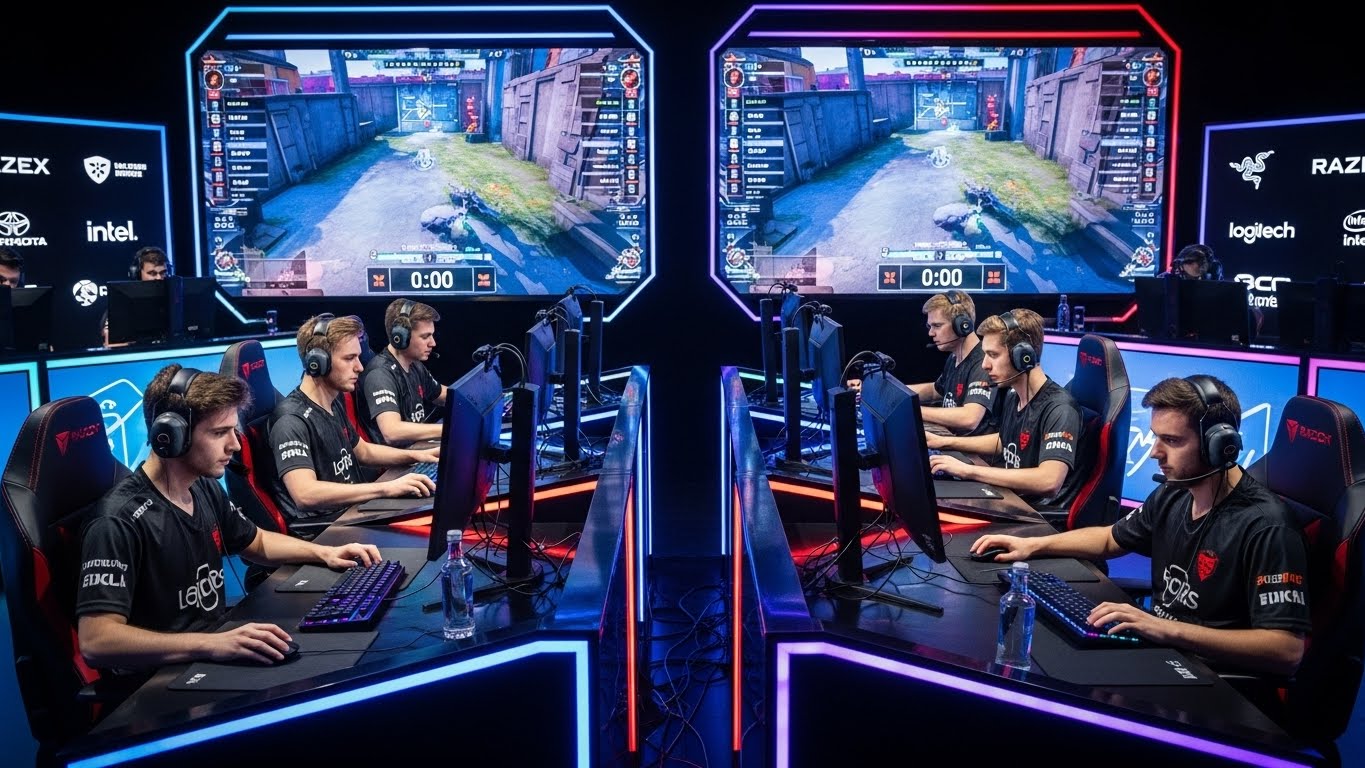
Esports is far more than clicking buttons quickly; it is a test of mental agility, teamwork, and strategy. Players must make rapid decisions, adapt to opponents’ tactics, and anticipate the flow of the game. In team-based games, coordination and communication are paramount, as one player’s error can cost the entire team victory. Beyond reflexes and hand-eye coordination, esports requires analytical thinking, pattern recognition, and the ability to perform under high pressure. Much like traditional athletes, esports professionals follow strict training routines, study opponents’ strategies, and review past performances to improve. The complexity of esports challenges the misconception that gaming is purely recreational, highlighting its demands for precision, discipline, and mental resilience.
Esports and Mental Health
While esports is often criticized for its sedentary nature, it offers significant cognitive benefits. Playing competitive games enhances problem-solving skills, multitasking abilities, and decision-making under pressure. Esports also builds social connections; players form teams, participate in online communities, and develop friendships through shared interests. However, the intense demands of professional gaming can lead to stress, burnout, and eye strain if not managed properly. Top esports organizations now focus on the mental and physical well-being of their players, incorporating breaks, exercise routines, and psychological support to ensure sustainable performance. This holistic approach demonstrates that esports is evolving toward a healthier and more professional model.
The Role of Streaming and Digital Platforms
Streaming platforms have been instrumental in the rise of esports. Twitch, YouTube Gaming, and other platforms allow fans to watch live competitions, interact with their favorite players, and even learn strategies in real time. Content creators have emerged as influencers, shaping the culture of gaming while connecting global audiences. These platforms also provide aspiring gamers with exposure, creating opportunities for sponsorships, coaching, and community engagement. The symbiotic relationship between streaming and esports has transformed video games from private entertainment into a global spectacle, proving that the digital age can turn virtual skills into widely celebrated achievements.
Esports as a Career
For many players, esports is a viable career path. Professional gamers earn income through tournament winnings, sponsorships, streaming revenue, and merchandise sales. Some go on to become coaches, analysts, or content creators, building a multifaceted career within the gaming industry. Universities and colleges now offer esports scholarships, recognizing the skill and dedication required to compete at a high level. These programs provide not only financial support but also academic opportunities, merging education with professional gaming development. The professionalization of esports reflects a broader societal recognition that digital competition requires dedication and talent comparable to traditional athletic pursuits.
The Cultural Impact of Esports
Esports has created a unique culture that blends technology, creativity, and community. Fans celebrate iconic players, study gameplay tactics, and engage in discussions about strategies and game lore. Major tournaments are broadcast internationally, drawing millions of viewers and creating shared experiences similar to traditional sports events. Cosplay, fan art, and online forums further enhance the cultural richness of esports, turning it into a lifestyle rather than just a hobby. This cultural impact demonstrates how esports has evolved beyond gaming, influencing fashion, entertainment, and social interaction, while connecting people from diverse backgrounds under a common passion.
Esports and Technology
Technology is at the heart of esports, enabling high-speed gameplay, global connectivity, and immersive experiences. High-performance computers, consoles, and peripherals allow players to compete at optimal levels, while internet infrastructure connects gamers worldwide. Emerging technologies such as virtual reality and augmented reality are beginning to redefine gameplay experiences, offering new dimensions for competition and training. Data analytics and artificial intelligence are also being used to study performance, optimize strategies, and enhance viewer engagement. The reliance on cutting-edge technology positions esports as a frontier where digital innovation and competitive spirit converge.
Esports in Education
Educational institutions are increasingly recognizing esports as a legitimate avenue for skill development and career preparation. Schools and universities now have esports programs that teach teamwork, communication, leadership, and strategic thinking. Scholarships for esports athletes provide financial opportunities while promoting academic growth. Beyond skill-building, esports programs foster a sense of community, encourage inclusion, and teach students about sportsmanship in a digital context. By integrating esports into education, institutions are preparing students for emerging careers in gaming, technology, and entertainment, reflecting the growing relevance of esports in modern society.
Global Reach and Diversity
One of the most remarkable aspects of esports is its global reach. Competitions bring together players from Asia, Europe, North America, and beyond, creating a truly international arena. Unlike traditional sports that may have regional limitations, esports transcends geography, connecting communities through shared gaming platforms. This global nature encourages cultural exchange, exposes players to diverse strategies, and builds a worldwide fanbase. The accessibility of esports allows talent from any location to rise to prominence, emphasizing merit and skill over physical advantage, and highlighting the democratizing potential of digital competition.
Challenges and Criticisms
Despite its rapid growth, esports faces challenges and criticisms. Concerns about sedentary lifestyles, excessive screen time, and potential addiction are common. Professional players may experience burnout, eye strain, or repetitive stress injuries. Furthermore, issues such as online harassment, cheating, and toxic communities can undermine the positive aspects of esports. Industry leaders are addressing these challenges through wellness programs, fair-play initiatives, and mental health support. By confronting these issues, esports aims to maintain its legitimacy and ensure a sustainable future for players and fans alike.
The Future of Esports
The future of esports looks promising, with continued growth, innovation, and mainstream acceptance. Virtual reality, cloud gaming, and AI-driven analytics are likely to redefine competition and fan engagement. Esports is expected to become increasingly integrated into education, professional careers, and entertainment, further blurring the lines between gaming and traditional sports. As more organizations, sponsors, and institutions embrace esports, it will continue to evolve as a major cultural, economic, and social force. The rise of digital arenas and professional gaming reflects the transformation of sports in the modern, technology-driven era.
Conclusion: Esports as a Modern Arena of Excellence
Esports has evolved from casual entertainment to a global phenomenon that demands skill, strategy, and dedication. It offers players mental stimulation, social connection, and career opportunities while providing fans with immersive and engaging experiences. The rise of esports highlights the impact of technology on competition, culture, and professional development. As esports continues to grow, it redefines the concept of athleticism, proving that excellence can be achieved not only on traditional fields but also in digital arenas. In a world increasingly shaped by innovation and connectivity, esports represents a dynamic and inclusive future where skill, teamwork, and passion know no boundaries.