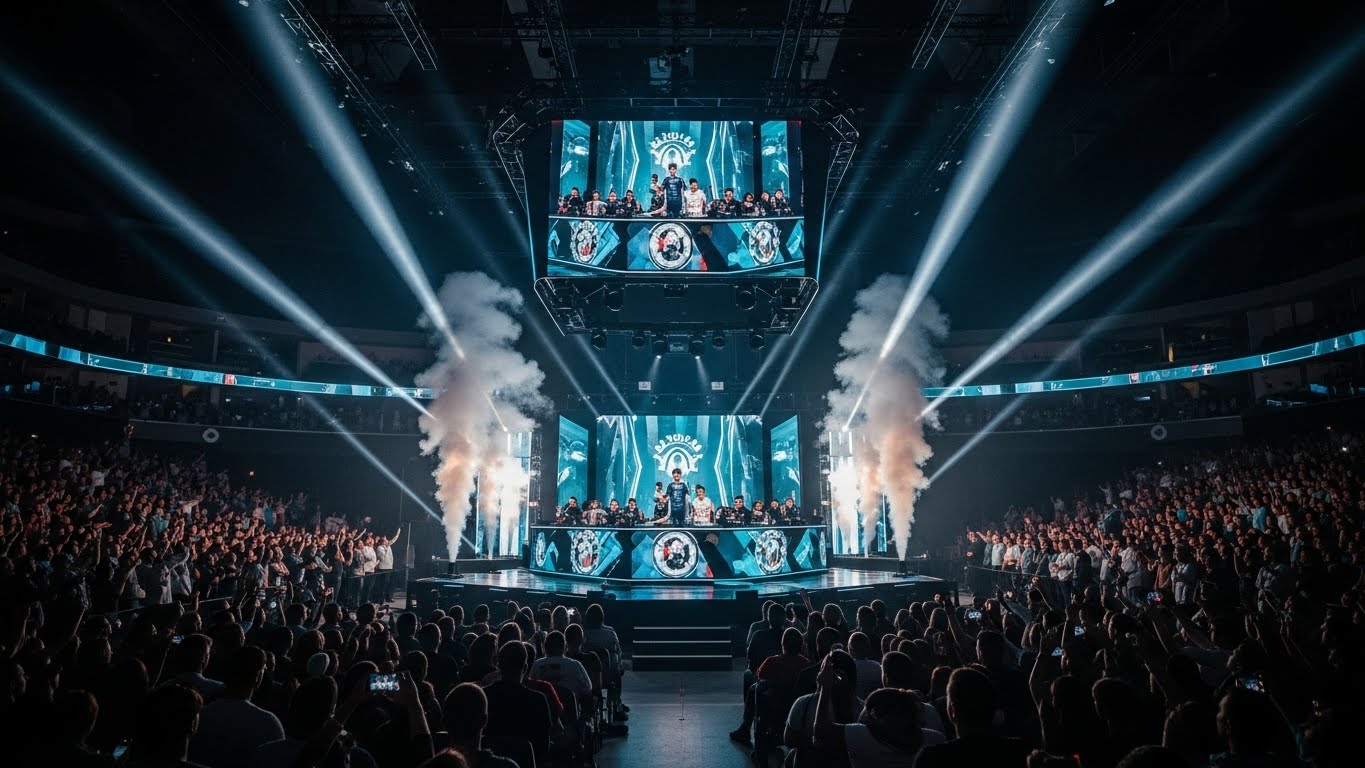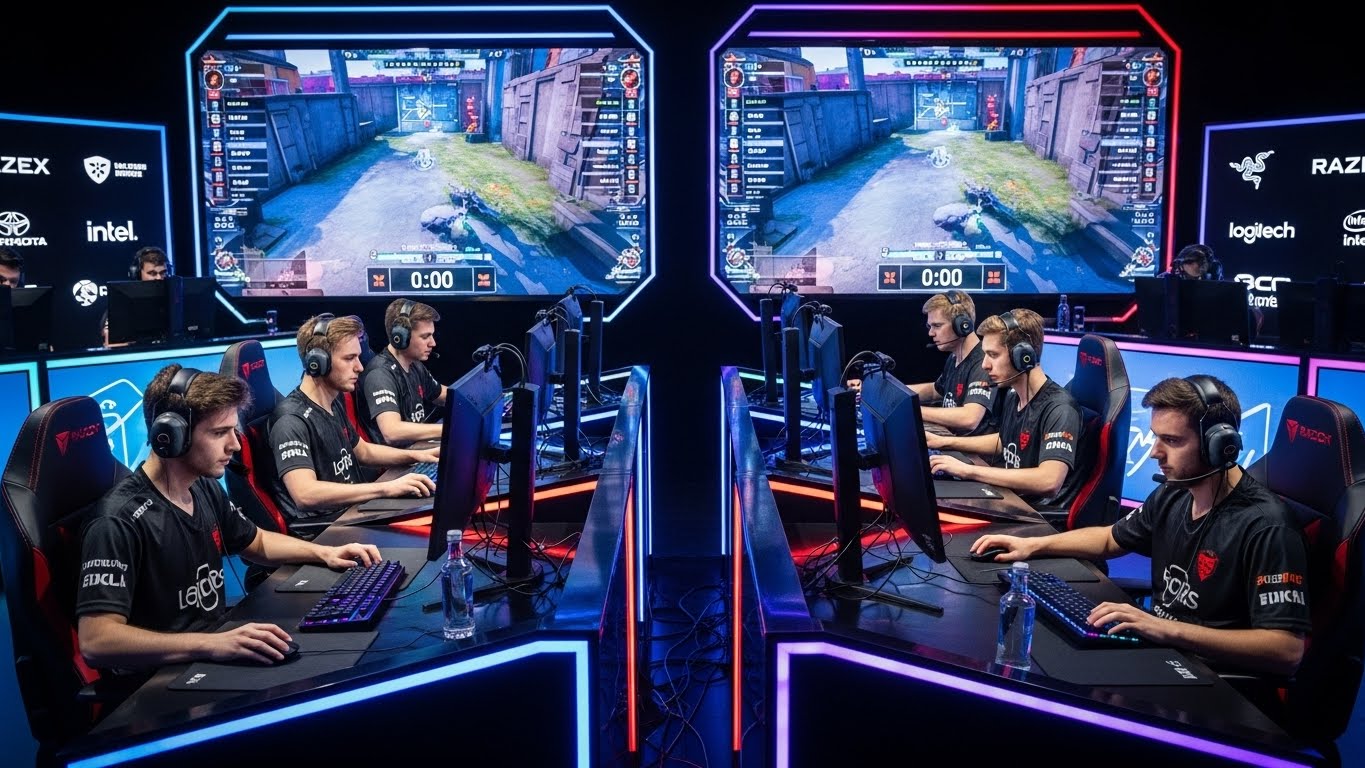
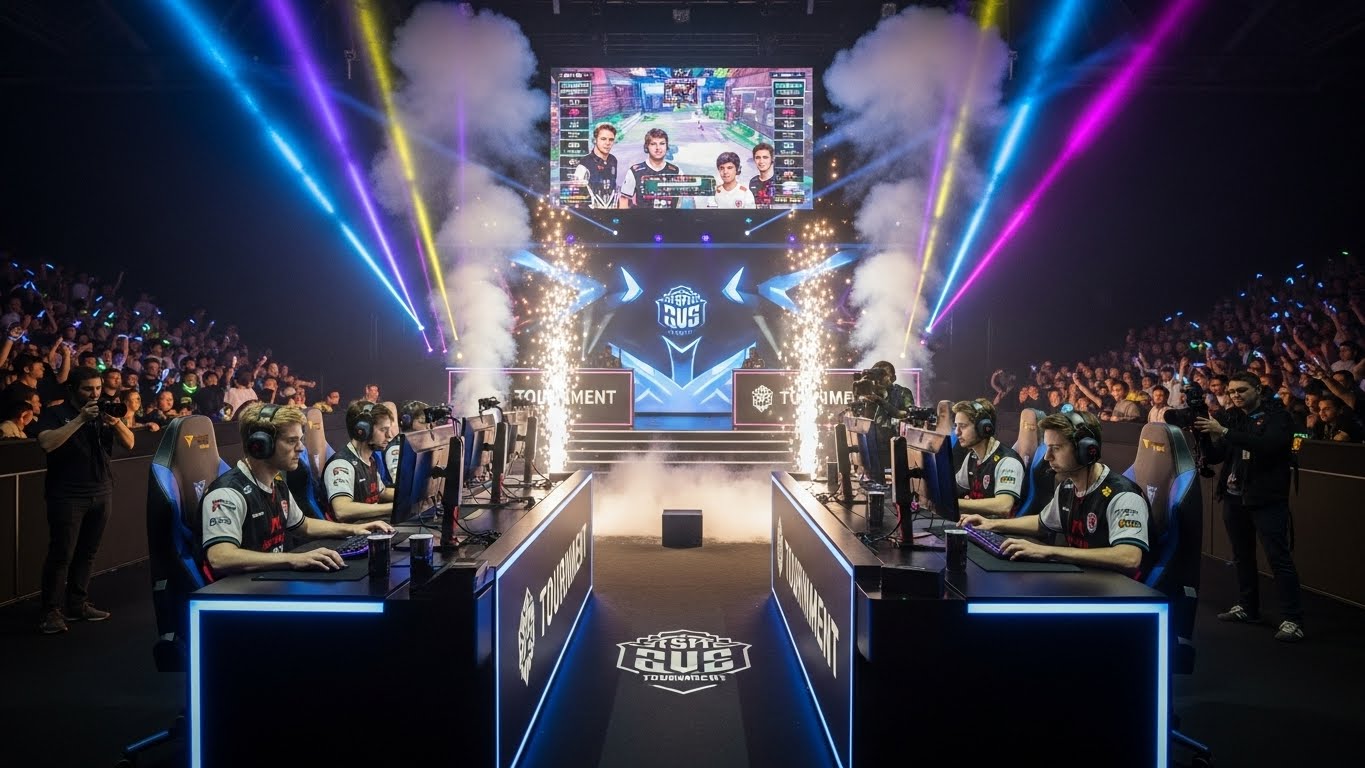
Esports, or competitive video gaming, has rapidly emerged as one of the most influential sectors in entertainment today. What was once a niche hobby has grown into a global phenomenon, attracting millions of players, viewers, and investors. From casual online matches to massive international tournaments, esports is redefining competition, community, and the way people engage with digital media. This blog explores the rise of esports, its impact on culture and business, the skills it develops, and the trends shaping its future.
The Origins and Evolution of Esports
Esports traces its roots to the early days of arcade and PC gaming. In the 1970s and 1980s, simple games like Pong and Space Invaders began hosting local competitions, introducing the concept of competitive gaming. The 1990s saw the rise of multiplayer games such as StarCraft and Counter-Strike, where players could compete in organized tournaments, often over local networks or early internet connections.
The early 2000s marked a turning point. High-speed internet, online multiplayer platforms, and streaming technology allowed esports to reach a global audience. Games like League of Legends, Dota 2, and Overwatch propelled competitive gaming into mainstream awareness, creating professional leagues, sponsorship opportunities, and fan communities. Today, esports tournaments attract millions of viewers, and professional players enjoy fame, lucrative contracts, and career longevity comparable to traditional athletes.
Why Esports is Gaining Global Popularity
Esports has exploded in popularity due to several unique characteristics that differentiate it from traditional sports and other forms of entertainment.
Accessibility
Unlike conventional sports that require physical training, facilities, and equipment, esports can be played by anyone with a computer, console, or mobile device. This accessibility allows players from diverse backgrounds and geographies to participate.
Diverse Game Genres
Esports encompasses various genres, including first-person shooters, real-time strategy, multiplayer online battle arenas, sports simulations, and fighting games. This diversity ensures there is a competitive niche for every type of player.
Interactivity and Community
Esports is inherently interactive. Viewers engage through live streaming, chat platforms, and social media, creating dynamic communities around games, players, and tournaments. This connection fosters loyalty and excitement among fans.
Career and Financial Opportunities
Professional esports offers significant financial incentives. Successful players, teams, and streamers earn through tournament winnings, sponsorships, merchandise, and content creation. As the industry grows, so do opportunities for coaches, analysts, commentators, and event organizers.
The Skills Developed Through Esports
Competitive gaming is often criticized for being purely recreational, but professional esports develops a wide range of cognitive, social, and strategic skills.
Strategic Thinking and Decision-Making
Many esports games require long-term planning, risk assessment, and adaptive strategies. Players must make split-second decisions under pressure, enhancing their ability to think critically and respond effectively.
Hand-Eye Coordination and Reflexes
Fast-paced games improve reaction times, precision, and coordination between visual input and motor responses. These skills are essential in many professions beyond gaming, including surgery, engineering, and creative fields.
Teamwork and Communication
Team-based esports titles like League of Legends or Overwatch require coordination, role distribution, and effective communication. Players learn collaboration, leadership, and conflict resolution skills, mirroring traditional team sports dynamics.
Focus and Mental Resilience
Competitive gaming demands concentration and mental stamina. Players must maintain performance across extended matches, manage stress, and recover from setbacks—skills applicable in both personal and professional life.
The Business of Esports
Esports is not just a hobby; it has grown into a multi-billion-dollar industry with global economic significance.
Professional Leagues and Tournaments
Major esports leagues host structured competitions with teams, seasons, and prize pools rivaling traditional sports. Tournaments like The International for Dota 2 and the League of Legends World Championship draw millions of viewers and offer multi-million-dollar prize pools.
Sponsorship and Brand Partnerships
Companies invest in esports for access to highly engaged, tech-savvy audiences. Brands sponsor teams, tournaments, and individual streamers, leveraging esports’ cultural influence to reach younger demographics.
Streaming and Content Creation
Platforms like Twitch and YouTube Gaming have created careers for players who stream gameplay and interact with audiences. Content creation, including tutorials, live commentary, and entertainment streams, forms a major revenue source.
Merchandise and In-Game Economies
Teams and games sell merchandise such as apparel, accessories, and digital items. In-game purchases, skins, and virtual currencies also contribute significantly to the industry’s revenue.
Esports and Technology
Technology drives esports’ growth and continues to redefine the experience for players and fans.
High-Speed Internet and Cloud Gaming
Fast and reliable internet connections enable seamless multiplayer experiences. Cloud gaming allows players to access high-quality games without expensive hardware, increasing participation and accessibility.
Streaming and Broadcasting Innovations
Streaming technology has revolutionized esports viewership. Multi-angle cameras, instant replays, commentary, and interactive features enhance engagement and make tournaments more entertaining for viewers.
Virtual Reality and Augmented Reality
VR and AR are poised to add immersive dimensions to esports. Players can experience 360-degree environments, simulate real-world interactions, and participate in innovative competitive formats.
Data Analytics and AI
Teams use analytics and AI to evaluate player performance, develop strategies, and predict opponents’ behavior. Data-driven insights are becoming critical in gaining competitive advantages in esports.
The Cultural Impact of Esports
Esports has transformed culture, creating new forms of identity, fandom, and expression.
Global Communities
Esports transcends borders. Fans from different countries follow the same tournaments, discuss strategies, and celebrate achievements together. This global connectivity fosters cultural exchange and understanding.
Influence on Youth Culture
Esports resonates with younger generations, who see professional gamers as role models. The rise of streaming, memes, and gaming culture has influenced fashion, language, and entertainment trends.
Challenging Traditional Sports
Esports is increasingly recognized alongside traditional sports. National associations, universities, and even Olympic committees are exploring esports’ legitimacy, acknowledging its competitive and cultural significance.
Challenges in Esports
Despite rapid growth, esports faces challenges that need careful consideration.
Health Concerns
Prolonged screen time, repetitive strain injuries, and sedentary lifestyles can affect players’ physical health. Mental health concerns, including stress and burnout, are also significant issues.
Ethics and Fair Play
Cheating, hacking, and match-fixing undermine the integrity of esports. Strict regulations, anti-cheat software, and monitoring systems are essential to maintain trust.
Diversity and Inclusion
Esports still faces gender and diversity gaps. Women and marginalized communities often encounter barriers in participation and representation. Addressing these issues is critical for sustainable growth.
Sustainability
Large-scale esports events consume significant energy and resources. Organizers are exploring eco-friendly solutions, including virtual events, green infrastructure, and responsible resource management.
The Future of Esports
Esports’ future promises greater innovation, inclusivity, and global influence.
Integration with Traditional Sports
Traditional sports leagues are investing in esports teams and competitions. Cross-industry collaboration may redefine athletic culture and expand fan bases.
Technological Innovation
VR, AR, AI, and cloud technologies will continue enhancing gameplay and spectator experiences. Immersive competitions and AI-driven analysis may become standard in professional esports.
Global Expansion
Esports is growing in emerging markets, increasing accessibility and participation. Nations worldwide are establishing professional leagues, educational programs, and esports infrastructures.
Health and Training Programs
Professional teams are implementing structured training, fitness routines, and mental health support, emphasizing holistic development and long-term player well-being.
Education and Career Opportunities
Esports scholarships, university programs, and professional training pathways are creating legitimate career paths. Esports education now covers strategy, analytics, management, and content creation.
Conclusion: Esports as a Cultural and Competitive Force
Esports has evolved from small tournaments to a global industry, reshaping entertainment, competition, and culture. It bridges communities, creates economic opportunities, and develops valuable skills in players. While challenges like health, ethics, and diversity remain, the industry’s potential for growth, innovation, and impact is immense.
Esports represents a new era of competition where skill, strategy, and digital prowess are celebrated. It highlights how technology can transform recreation into professional careers, passion into global communities, and games into cultural phenomena. As esports continues to evolve, it is clear that this digital arena is not just a trend—it is a defining force in modern society, inspiring players and fans worldwide to push boundaries and redefine what competition means.