Esports, once a niche subculture, has grown into a massive global industry that rivals traditional sports in terms of viewership, revenue, and cultural impact. With millions of fans worldwide and an increasing number of players transitioning from casual enthusiasts to professional competitors, esports has cemented its place in the modern entertainment landscape. What was once seen as a pastime for gamers has now become a multi-billion-dollar industry, attracting sponsorships from global brands, media coverage, and even mainstream recognition in educational institutions. In this blog post, we will explore the rise of esports, its current state, and the direction it’s heading in the future.
The Early Days of Competitive Gaming
The origins of esports can be traced back to the late 20th century, when competitive gaming was more of a hobby than a professional endeavor. The first instances of organized tournaments began in the 1970s, with arcade games like Pong and Space Invaders being played for high scores. However, it wasn’t until the 1990s that competitive gaming began to evolve into the form we recognize today.
In 1997, the Red Annihilation tournament for Quake, one of the earliest first-person shooters, is often considered one of the first major esports events. While it wasn’t as large-scale as the tournaments we see today, it set a precedent for organized competitions. This tournament helped lay the foundation for what would later become a highly professionalized industry. At this time, the idea of competing at a high level in video games was still novel, but it wasn’t long before it captured the attention of gamers worldwide.
In the late 1990s and early 2000s, esports began to grow in South Korea, where games like StarCraft became national phenomena. The country’s esports scene became the blueprint for the professionalization of competitive gaming. By the early 2000s, South Korea had established itself as the global hub of esports, with players being treated like celebrities and esports tournaments being broadcasted on national television.
The Global Rise of Esports
As the years went by, the popularity of esports spread beyond South Korea to other parts of the world. The 2010s marked a significant turning point for the industry, with streaming platforms like Twitch providing an unprecedented platform for gamers to showcase their skills and build a global audience.
Twitch, launched in 2011, allowed players to stream their gameplay live, creating a real-time connection between players and fans. This breakthrough meant that esports fans no longer had to attend tournaments in person to watch their favorite players or teams compete. Instead, they could log onto Twitch and watch live events from anywhere in the world. This accessibility helped grow the esports audience exponentially, turning a niche activity into a mainstream form of entertainment.
One of the first games to capitalize on this new streaming infrastructure was League of Legends, developed by Riot Games. Released in 2009, League of Legends quickly gained popularity, and its competitive scene grew alongside the rise of streaming. Riot Games began organizing the League of Legends World Championship, a tournament that attracted millions of viewers each year. The 2013 League of Legends World Championship was a watershed moment, with more than 32 million viewers tuning in to watch the finals. This success showed that esports could rival traditional sports in terms of viewership and global appeal.
Another game that played a pivotal role in esports’ rise was Dota 2. Developed by Valve Corporation, Dota 2 launched in 2013 and introduced The International, a tournament that shattered records for esports prize pools. The International 2011 offered a modest $1 million prize pool, but it was crowdfunded in later years, with the prize pool for The International 2018 reaching an astounding $25 million. These massive prize pools drew players from around the world and demonstrated that esports was not just about fun and games—it was serious business.
The Growth of Professional Esports Organizations
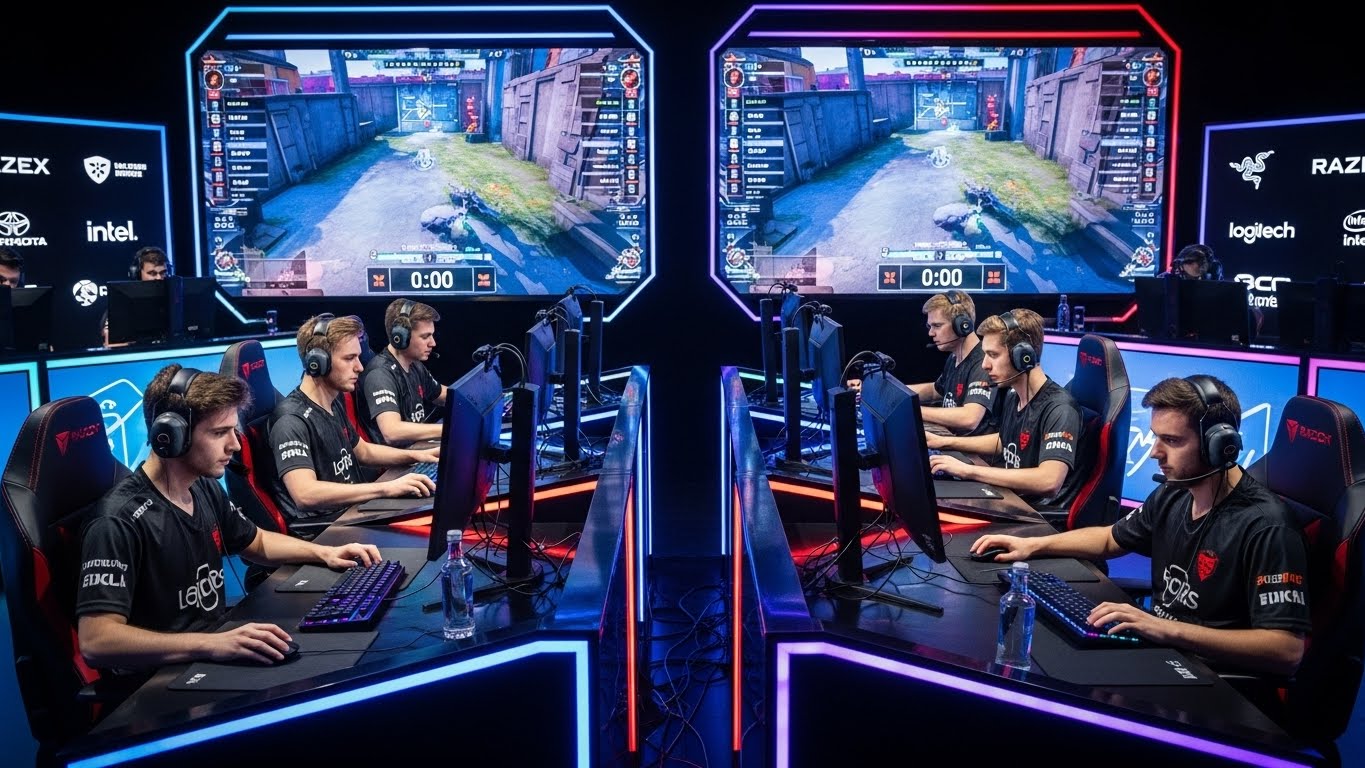
With the growing popularity of esports, professional organizations began to emerge. These organizations were modeled after traditional sports teams, with players signing contracts, training, and competing under a unified brand. Organizations like Team Liquid, Cloud9, and Fnatic became household names within the esports community, fielding top-tier teams in games like League of Legends, Counter-Strike: Global Offensive, and Overwatch.
The rise of esports organizations led to the formation of professional leagues, further legitimizing esports as a competitive sport. One of the most notable of these leagues was the Overwatch League, launched in 2018. Modeled after traditional sports leagues, the Overwatch League featured franchised teams representing cities from around the world, including New York, Los Angeles, and London. This new structure attracted a significant amount of investment, with major companies and sports organizations backing esports teams. In fact, some teams were funded by owners of traditional sports teams, such as the Los Angeles Valiant, which is owned by the Kroenke Sports & Entertainment group, which also owns the NFL’s Los Angeles Rams.
These professional leagues not only brought structure to the competitive gaming world but also created new opportunities for players to earn salaries, receive sponsorships, and build careers. Players transitioned from being self-funded competitors to professional athletes, with esports organizations providing them with training, management, and resources. This transition has been crucial for esports’ growth, as it has made the industry more sustainable and professional.
The Spectator Experience: A New Type of Fan Engagement
One of the unique aspects of esports is its ability to connect players and fans across the globe. Unlike traditional sports, where fans must often attend games in person or watch through television broadcasts, esports offers an entirely new way for spectators to engage with the competition. The rise of streaming platforms like Twitch, YouTube Gaming, and Facebook Gaming has made it easier for fans to tune into live matches, interact with players in real-time, and participate in online communities.
Esports fans are highly engaged, often forming tight-knit communities around their favorite players, teams, and games. These communities are fostered through social media platforms such as Twitter, Instagram, and Reddit, where fans can share highlights, discuss strategies, and interact with their favorite players. The ability to engage directly with players has led to the creation of new forms of fan culture, where fans feel like they are part of the team’s journey. Players often engage with their audiences through live streams, where they play, chat, and answer questions in real time.
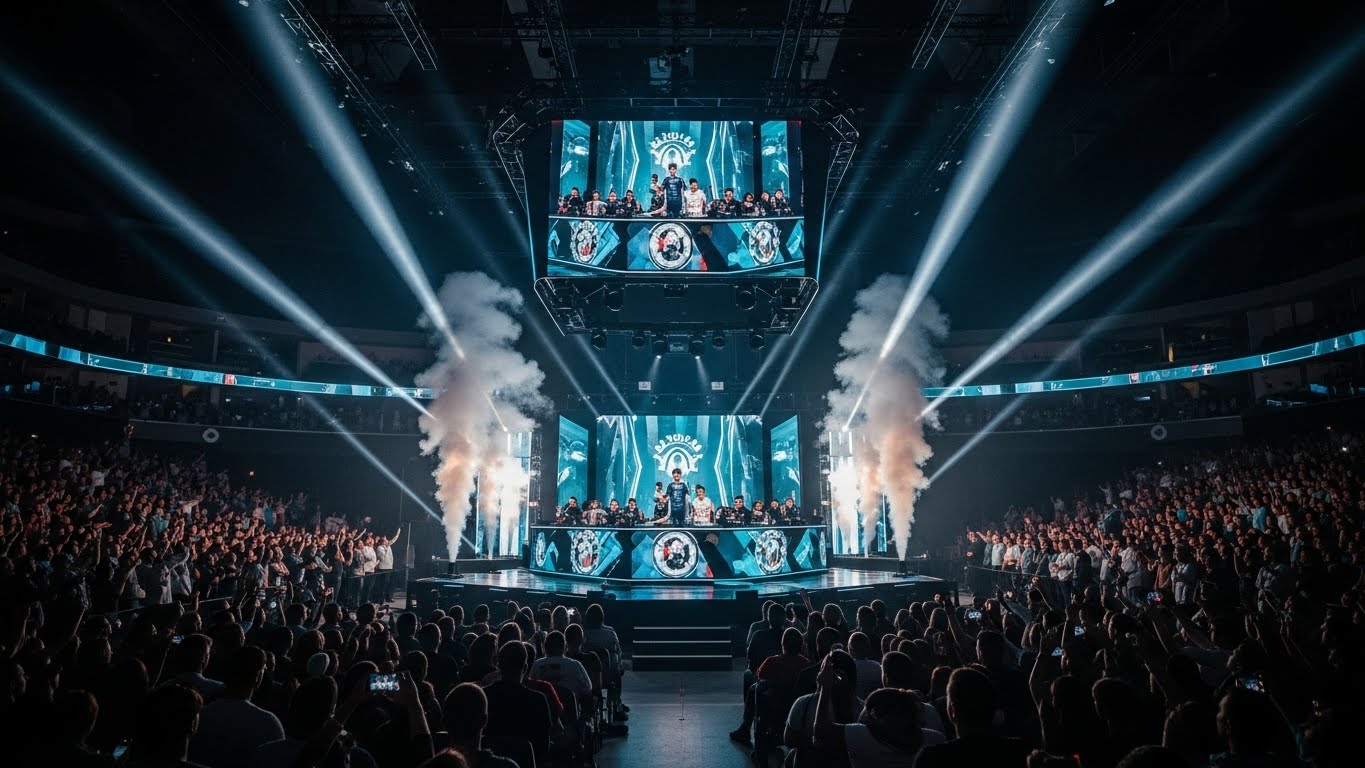
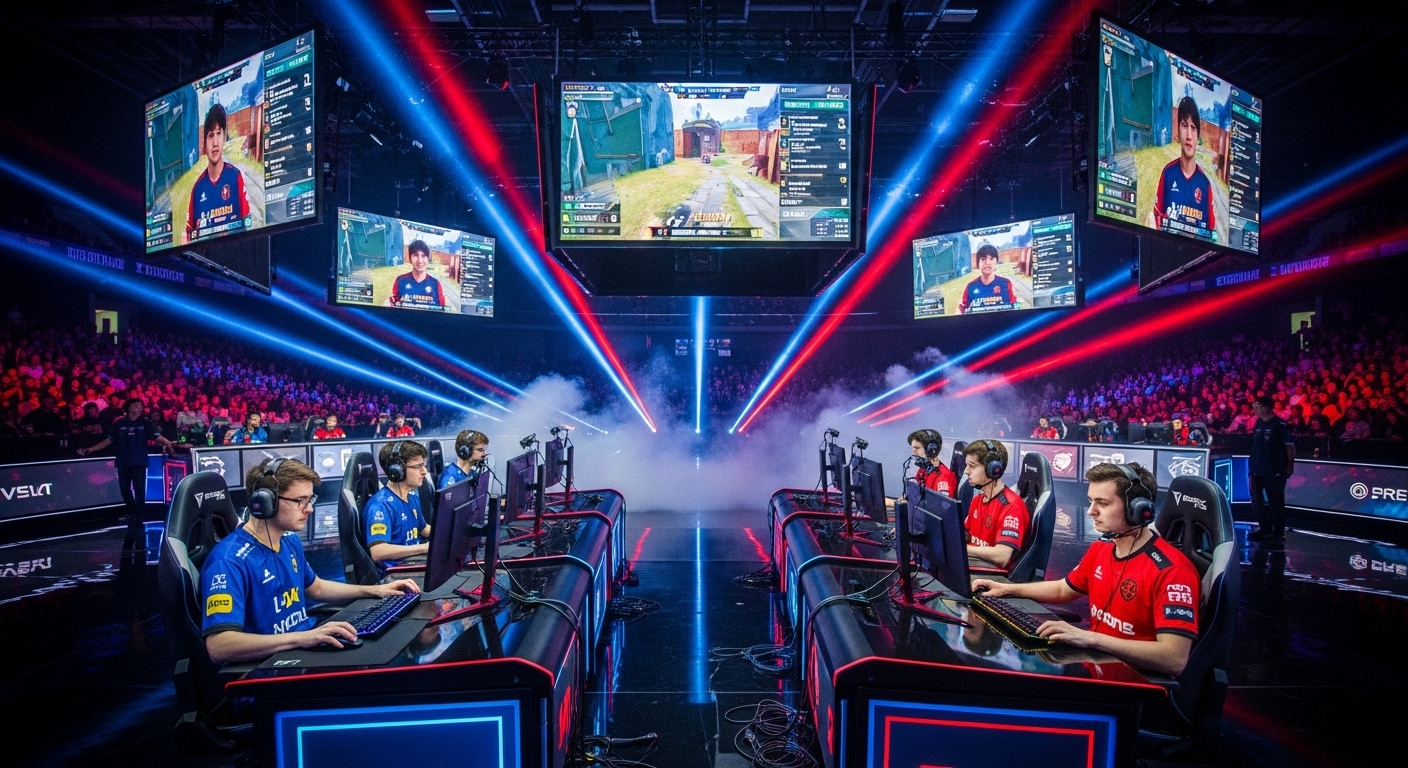
The rise of esports has also led to the development of massive esports events that attract both online and in-person audiences. Major tournaments such as The International (Dota 2), League of Legends Worlds, and EVO (a fighting game tournament) regularly fill stadiums and arenas with thousands of spectators. These events are often broadcast live to millions of viewers across the world, allowing fans to experience the excitement of the competition from the comfort of their own homes.
The Economic Impact of Esports
The rapid growth of esports has had a profound economic impact on the gaming and entertainment industries. In 2020, the global esports industry was valued at over $1 billion and is expected to continue growing at an impressive rate. This growth has been driven by multiple revenue streams, including sponsorships, media rights, merchandise sales, and ticket sales for live events.
Sponsorships are a key revenue stream for esports, with global brands like Coca-Cola, Intel, and Red Bull investing heavily in the industry. These companies sponsor tournaments, teams, and individual players, helping to fund the infrastructure that supports competitive gaming. In return, they gain access to a highly engaged audience, particularly among younger demographics that are harder to reach through traditional advertising channels.
Media rights also play a significant role in the economics of esports. Streaming platforms like Twitch and YouTube Gaming pay for the rights to broadcast major esports events, and television networks have started to pick up esports broadcasts. These deals not only bring in additional revenue but also help to elevate esports to a more mainstream status.
The esports industry has also created new job opportunities, from players and coaches to analysts, event organizers, and broadcasters. The rise of esports journalism has led to the creation of entire careers focused on covering the industry, while event production and live broadcasting have become highly specialized fields within the gaming world.
The Future of Esports: Trends and Innovations
As esports continues to grow, several trends are emerging that will likely shape the future of the industry. One major trend is the increasing integration of virtual reality (VR) and augmented reality (AR) technologies into esports. While VR esports is still in its infancy, it holds the potential to completely transform the way competitive gaming is experienced. VR could offer a more immersive experience for both players and fans, bringing esports into the realm of physicality, where players may compete in fully virtual environments.
The rise of mobile esports is another trend that is expected to drive future growth. Games like PUBG Mobile, Clash Royale, and Arena of Valor have demonstrated that mobile gaming can be just as competitive as PC or console gaming. As mobile devices continue to improve in terms of processing power and graphics, mobile esports is likely to expand significantly, opening the door to new players and fans around the world.
Finally, the continued professionalization of esports, with the establishment of more leagues, player academies, and career paths, will likely lead to even more mainstream recognition. As esports continues to gain legitimacy, it may even become part of the mainstream educational curriculum, with universities offering courses and scholarships for esports athletes and managers.
Conclusion: Esports is Here to Stay
Esports has come a long way from its humble beginnings as a hobbyist activity to its current status as a global entertainment juggernaut. With millions of fans, professional players, and organizations, the esports industry shows no signs of slowing down. As technology continues to evolve