Introduction: Esports as a Cultural Phenomenon
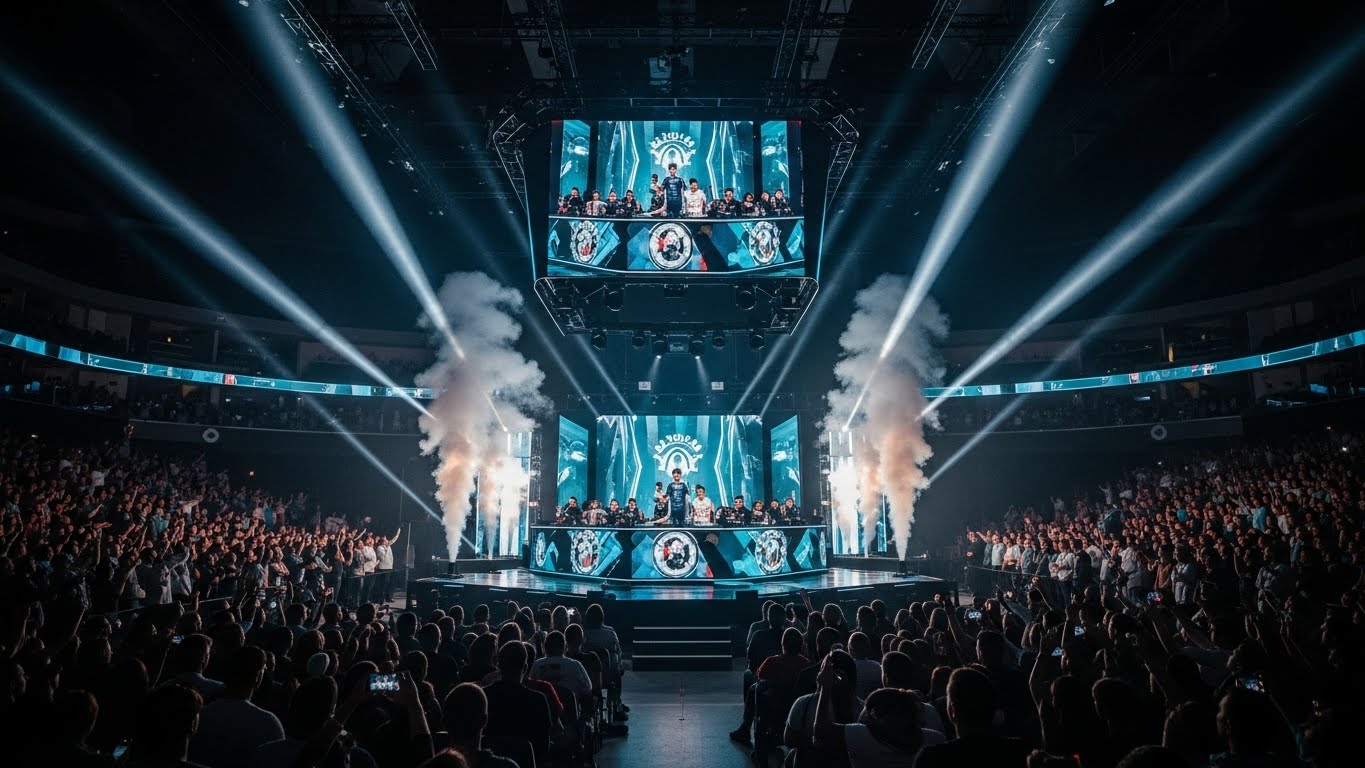
In the last decade, esports has transformed from a niche hobby to a global powerhouse, captivating millions of fans and players alike. What once started as competitive gaming between friends or small communities has evolved into large-scale tournaments watched by millions across the world. Esports is now a multi-billion-dollar industry, where top players are celebrated as professional athletes, teams compete for massive prize pools, and streaming platforms like Twitch and YouTube have become central hubs for viewing and interacting with content. But what exactly has contributed to the meteoric rise of esports? And what makes this industry so compelling for millions of people? This blog post explores the emergence of esports, its impact on traditional sports, and what the future holds for competitive gaming.
The Origins of Esports: From Arcade Games to Global Tournaments
The roots of esports can be traced back to the early days of video games in the 1970s and 1980s. Arcade games like Pong and Space Invaders allowed players to compete against each other, but it wasn’t until the rise of personal computers and the internet in the 1990s that competitive gaming began to take on a more organized form. Early tournaments such as the Red Annihilation tournament in 1997, where players competed in the first-person shooter Quake, are considered some of the first instances of competitive esports. These events were relatively small-scale compared to today’s massive tournaments, but they laid the foundation for the esports scene. The early 2000s saw the development of major esports events, with games like Starcraft and Warcraft taking center stage in Korea. These games were pivotal in establishing esports as a legitimate and professional form of entertainment.
The Explosion of Esports in the 21st Century
By the 2010s, esports began to evolve into the global phenomenon it is today. The rise of online multiplayer games like League of Legends, Dota 2, Counter-Strike: Global Offensive, and Fortnite paved the way for the mainstream adoption of esports. These games featured complex gameplay mechanics, team-based strategies, and the ability to play with or against people from all over the world. Their online multiplayer nature made it easier to organize tournaments, while the games’ growing popularity attracted sponsorships from major brands, media companies, and investors. Esports tournaments began to offer prize pools that rivaled those of traditional sports. The International, an annual Dota 2 tournament, for instance, regularly features prize pools over $30 million, attracting top-tier talent and massive global viewership.
As esports gained traction, streaming platforms like Twitch and YouTube Gaming became central to the scene. Gamers could now live-stream their gameplay and interact with viewers in real-time, creating a sense of community and engagement that traditional sports couldn’t replicate. Today, top streamers have millions of followers, with personalities like Ninja, Shroud, and Pokimane becoming household names. This shift from local LAN parties to global digital competitions has reshaped the way entertainment is consumed and created a new era of sports and gaming.
Esports and Traditional Sports: A Growing Parallel
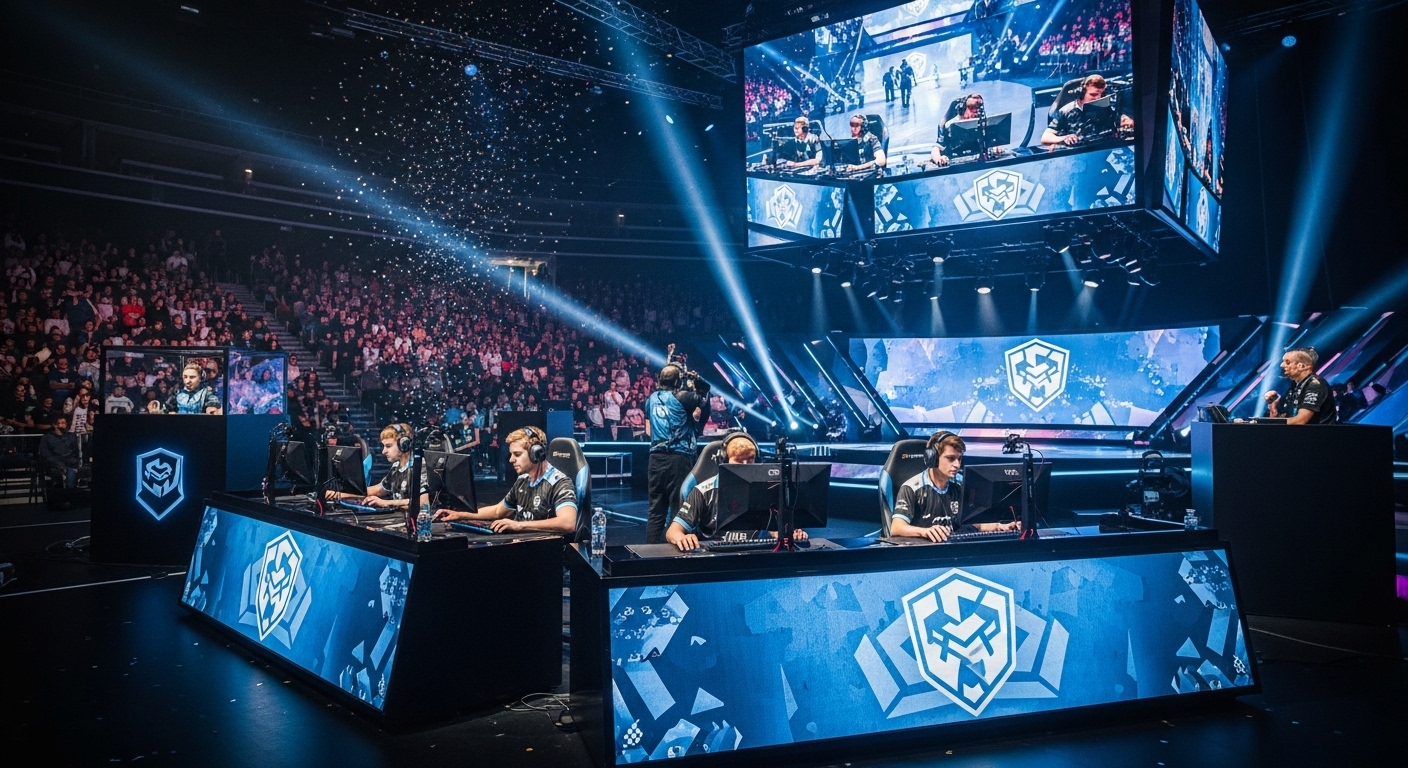
The rise of esports has led many to compare it to traditional sports, such as football, basketball, and baseball. While the mechanics of esports may differ significantly from physical sports, there are striking similarities in how they operate. Both esports and traditional sports feature professional leagues, competitive teams, and large fanbases that follow players and teams religiously. Furthermore, esports events are broadcast on a global scale, similar to how the Super Bowl or the FIFA World Cup is watched by millions worldwide.
One of the key ways in which esports mirrors traditional sports is through the creation of professional leagues and organizations. Just as the NFL or NBA organizes regular-season games, esports organizations like Riot Games, Blizzard Entertainment, and Valve Corporation have developed league systems that govern top-tier competitions. For example, the League of Legends Championship Series (LCS) operates similarly to a professional sports league, with teams from across the world competing in a season to earn a spot at the World Championship. This structure provides stability, a path to professional success, and a sense of progression for players.
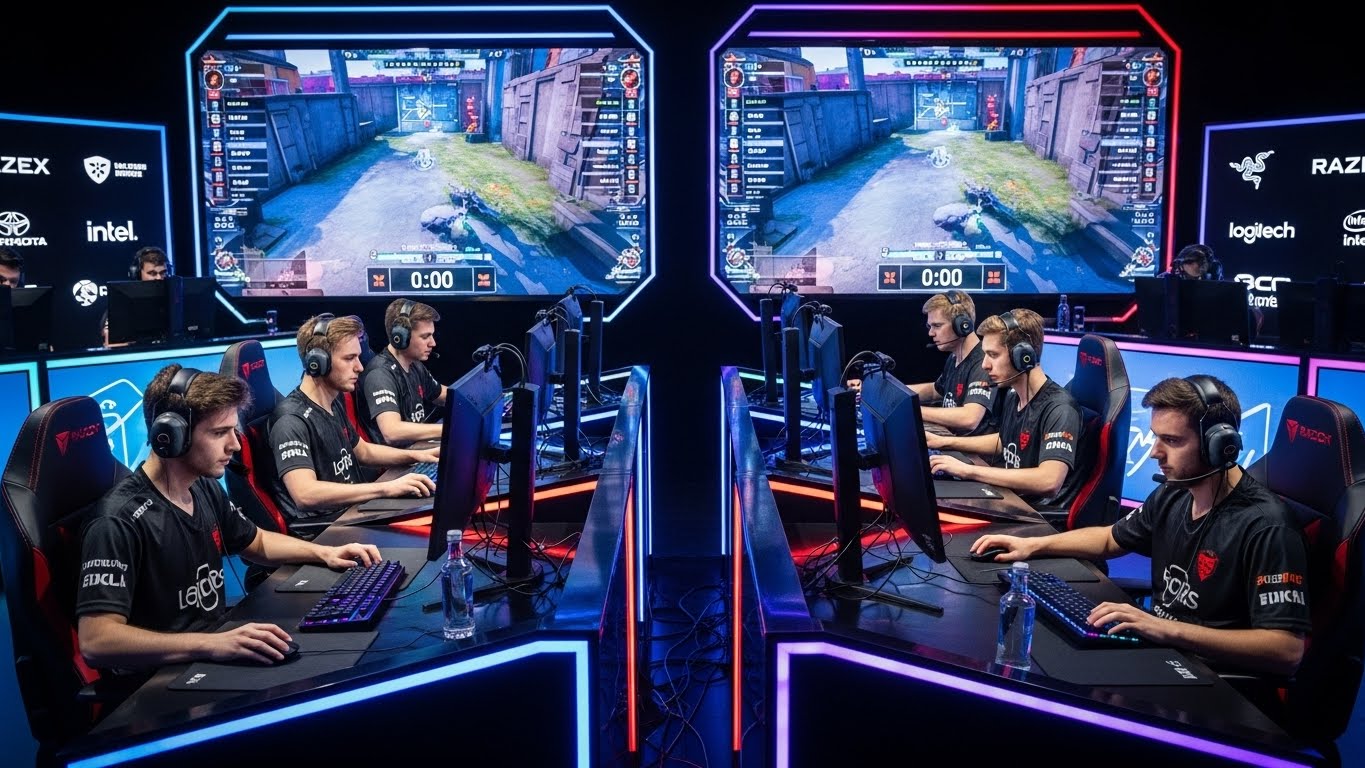
Esports has also attracted major sponsorships and partnerships from global brands. Companies like Coca-Cola, Red Bull, and Intel have entered the esports scene, recognizing the massive potential of esports to reach younger, tech-savvy audiences. These sponsorships have helped boost the credibility of esports, making it more mainstream and further solidifying its place as a professional sport.
The Impact of Esports on Youth and Society
One of the most significant aspects of esports is its ability to connect people across the world. Video games have always been a way for friends to connect and have fun, but esports has taken that concept to a whole new level. It has created a global community where players from different cultures, backgrounds, and countries can come together and compete on an equal footing. For many young people, esports offers a sense of belonging and an avenue to express their skills.
Esports also provides a career path for individuals who may not have had access to traditional professional sports. As the esports industry continues to grow, so do opportunities for players, coaches, analysts, streamers, and content creators. Many young people now look to esports as a viable career choice, and the rise of educational programs in esports management, broadcasting, and game development has made this possible. Universities are also offering esports scholarships, which has allowed more students to pursue higher education while pursuing their passion for gaming.
However, esports also faces challenges in terms of public perception. Some people still view gaming as a waste of time or a harmful activity, but as the industry matures, this stigma is slowly fading. In fact, studies have shown that esports can teach valuable life skills such as teamwork, problem-solving, strategic thinking, and time management. For young players, participating in esports can foster a sense of discipline and focus, much like traditional sports.
The Role of Streaming and Content Creation in Esports
One of the most important components of esports is its ability to generate content and connect with fans on a personal level. Streaming platforms like Twitch, YouTube, and Facebook Gaming have become essential to the esports ecosystem. These platforms provide a space for professional players, content creators, and fans to engage with one another in real-time. Streamers and professional players often build strong communities of loyal followers who tune in daily to watch their content, learn from their strategies, and interact with them through live chats.
For content creators, streaming provides an opportunity to make a career out of gaming by generating revenue through ads, subscriptions, sponsorships, and donations. Some esports players have even built personal brands and expanded into other areas such as clothing, merchandise, and online courses. The ability to monetize content has given esports a new level of professional credibility, creating opportunities for players to turn their passion into a sustainable career.
The Future of Esports: A Multi-Billion Dollar Industry
The future of esports looks incredibly promising, with the industry continuing to grow at an unprecedented rate. It’s projected that esports will become a multi-billion dollar industry within the next decade, with a strong presence in major media outlets and even the Olympics. The global audience for esports is expected to reach over 500 million viewers by 2024, with sponsorships, media rights, and advertising revenue playing a major role in driving this growth.
As technology advances, so too will the opportunities for esports. Virtual reality (VR) and augmented reality (AR) are expected to revolutionize how players experience competitive gaming, creating immersive environments that blur the lines between the real and digital worlds. These technologies could bring new opportunities for esports in both player interaction and spectator experience.
The growth of mobile gaming is another important factor. Games like PUBG Mobile and Clash Royale have already shown the potential for esports on smartphones, making competitive gaming accessible to a broader audience. As mobile gaming continues to grow, esports will likely see an even larger surge in players and fans from all corners of the globe.
Conclusion: Esports – The Future of Entertainment
Esports has firmly established itself as a global phenomenon that continues to reshape the entertainment industry. What was once a niche hobby has now become a professional arena that rivals traditional sports in terms of viewership, revenue, and influence. The rise of esports is a testament to the growing importance of gaming in our digital age and how it has become an integral part of modern entertainment.
As the industry continues to evolve, esports will play an even more significant role in shaping the future of competitive gaming, streaming, and digital entertainment. For fans, players, and creators alike, esports represents more than just a game—it represents a culture, a community, and a career. With its continued growth and potential for innovation, esports is undoubtedly a force to be reckoned with in the world of entertainment.