Introduction: The New Age of Competitive Gaming
In the past, sports were defined by physical endurance, stadiums filled with cheering crowds, and the spirit of athleticism that inspired millions around the world. Today, a new frontier has emerged — one not defined by physical prowess but by strategy, reflexes, and digital mastery. This frontier is Esports, or electronic sports. It is not merely a trend or a subculture; it has become a global industry, reshaping entertainment, technology, and youth culture in profound ways.
Esports represents the meeting point of gaming, media, and competition. What began as small-scale LAN parties and friendly tournaments has transformed into a billion-dollar industry with professional leagues, sponsorships, and audiences that rival traditional sports events. Players are no longer seen as hobbyists but as athletes who train, strategize, and perform on some of the most competitive stages in the world.
This blog explores the evolution, impact, challenges, and future of Esports, diving deep into how this modern phenomenon has captured the imagination of a global generation.
The Origins of Esports: From Arcade Battles to Global Arenas
The history of Esports traces back to the early days of video gaming. In 1972, at Stanford University, a small group of students organized a competition for the game Spacewar!, marking one of the earliest recorded gaming tournaments. The winner received a year’s subscription to a magazine — a far cry from the multimillion-dollar prizes we see today.
The 1980s saw the birth of the arcade era. Games like Pac-Man and Donkey Kong created a competitive culture where players would strive to beat high scores displayed on public leaderboards. This period marked the foundation of gaming as a competitive pursuit.
However, true Esports began to take shape in the 1990s with the rise of the internet and multiplayer gaming. Titles like Doom, Quake, and StarCraft introduced players to network-based competition. LAN tournaments became the gathering point for serious gamers. The Cyberathlete Professional League (CPL), founded in 1997, is often regarded as one of the first formal Esports organizations, laying the groundwork for the professionalization of gaming.
The 2000s: Online Connectivity and the Birth of Esports Culture
The new millennium brought broadband internet, online communities, and a massive shift in how games were played and experienced. Competitive gaming was no longer confined to local tournaments; it went global.
Titles such as Counter-Strike, Warcraft III, and Dota dominated early Esports circuits. StarCraft in particular became a cultural phenomenon in South Korea, where professional gamers achieved celebrity status. Stadiums were filled with fans watching matches live, and television networks began broadcasting tournaments. South Korea effectively became the birthplace of modern Esports infrastructure, complete with professional teams, coaches, and sponsors.
Streaming platforms such as Twitch (launched in 2011) and YouTube Gaming later revolutionized how Esports reached audiences. Viewers could now watch live tournaments from anywhere in the world, interact with players, and even donate to their favorite streamers. This digital accessibility helped Esports grow from a niche interest into a mainstream entertainment powerhouse.
The Professionalization of Gaming: Teams, Leagues, and Sponsorships
By the mid-2010s, Esports had matured into a fully-fledged industry. Professional teams were formed across the world, often backed by major corporations or investors. Games like League of Legends, Dota 2, and Counter-Strike: Global Offensive became the cornerstones of competitive gaming.
The League of Legends World Championship and The International (Dota 2) now attract millions of viewers and offer prize pools exceeding tens of millions of dollars. Players have contracts, salaries, and sponsorship deals comparable to traditional athletes.
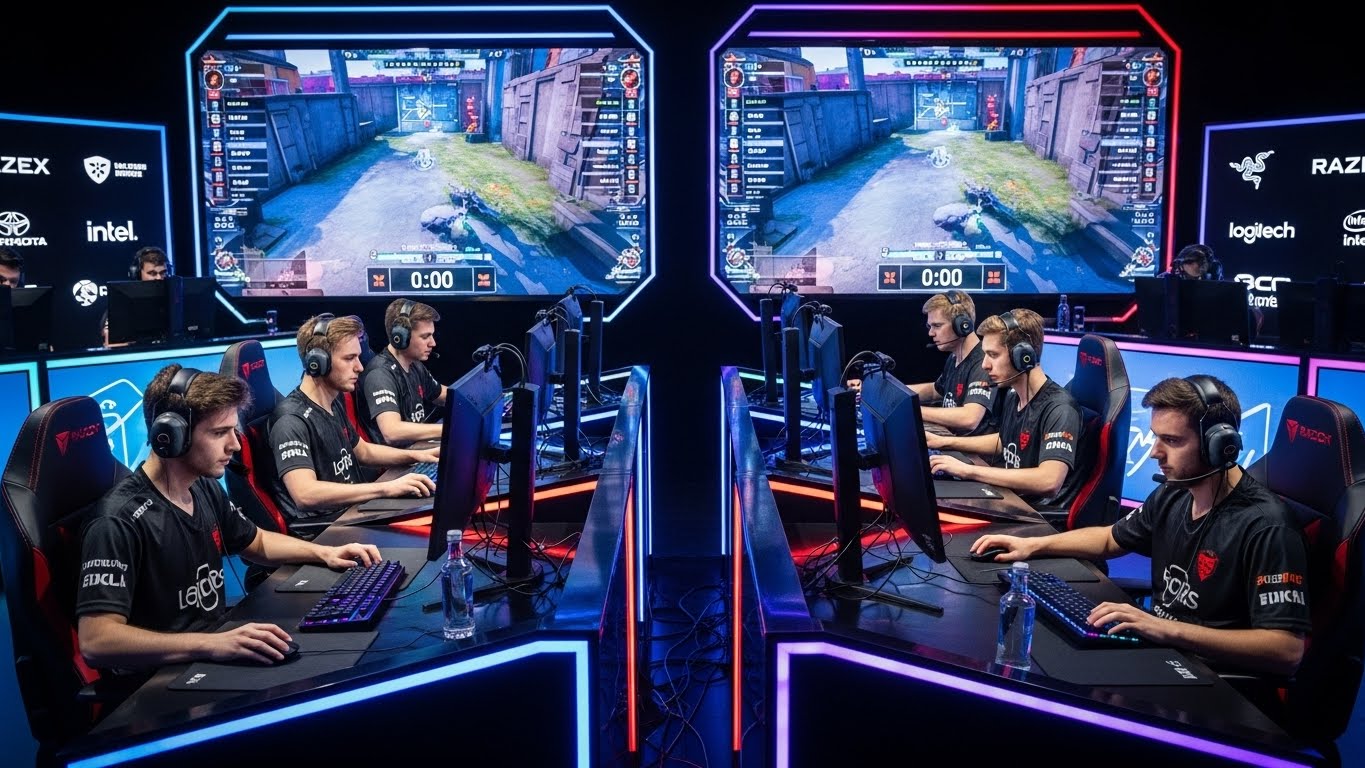
Sponsorship has become a key driver of Esports growth. Global brands such as Coca-Cola, Intel, and Red Bull have entered the scene, recognizing the immense marketing potential. Hardware companies have also leveraged Esports to promote gaming equipment — from high-performance PCs to precision gaming mice and keyboards.
The Rise of Esports Arenas and Events
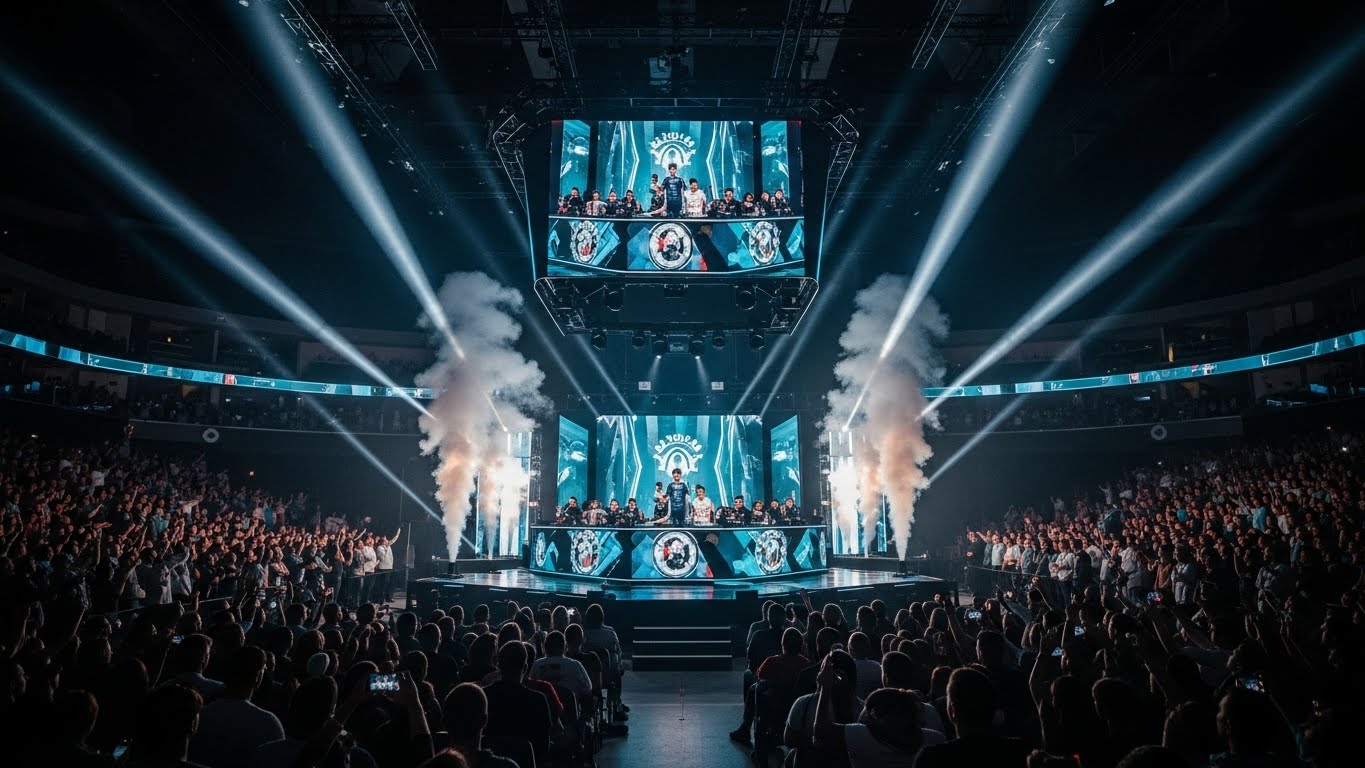
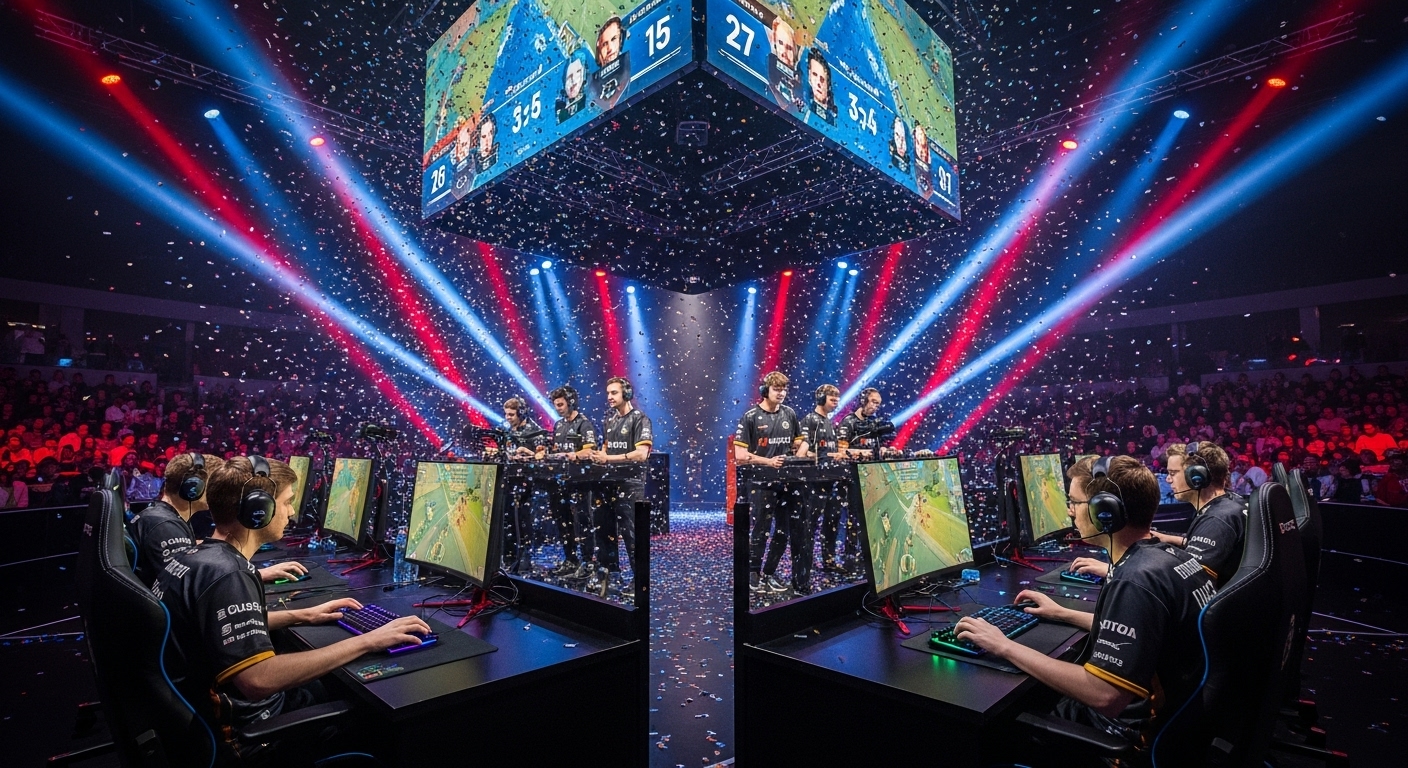
Gone are the days when gaming competitions were held in small community halls. Today, Esports events fill some of the largest arenas in the world. Stadiums once reserved for football or basketball now host Esports championships, complete with stage lighting, commentary, and live audiences.
Events such as DreamHack, ESL One, and BlizzCon showcase the grandeur of modern gaming culture. These festivals bring together not only competitive players but also fans, cosplayers, and technology enthusiasts. The immersive experience of live Esports — where players perform in real-time before thousands of spectators — has helped legitimize it as a spectator sport.
Even during the global pandemic, when physical gatherings were restricted, Esports thrived through online tournaments. This adaptability demonstrated its strength compared to traditional sports, many of which were temporarily halted.
The Esports Ecosystem: Beyond Just Playing Games
Esports is not just about gamers competing; it’s an entire ecosystem that includes developers, broadcasters, analysts, commentators, and organizers.
Game Developers
Companies like Riot Games, Valve, and Blizzard have built competitive frameworks around their titles. They maintain balance patches, organize events, and invest in community engagement to ensure longevity.
Broadcasters and Streamers
Commentators, often known as “casters,” bring excitement and context to matches. Meanwhile, streamers on platforms like Twitch have become influential figures, bridging professional and casual gaming audiences.
Content Creators
The rise of content creators has added a storytelling dimension to Esports. Documentaries, interviews, and highlight reels give fans behind-the-scenes insights into players’ lives, training regimens, and emotional journeys.
Fans and Communities
At the heart of it all are the fans. Online forums, social media groups, and fan art communities play a crucial role in sustaining Esports culture. The passion of the fan base fuels tournaments and keeps the industry thriving.
The Global Appeal of Esports
One of Esports’ most remarkable traits is its universality. Unlike many traditional sports that may be region-specific, Esports transcends geographic and cultural boundaries.
Countries across Asia, Europe, and North America have become major Esports hubs. South Korea remains a leader, while China has seen explosive growth with massive tournaments and government support. The United States has embraced Esports through collegiate leagues and mainstream media coverage.
Emerging regions such as Southeast Asia, Latin America, and Africa are now entering the Esports scene, driven by mobile gaming. Mobile titles like PUBG Mobile and Mobile Legends: Bang Bang have opened the door for millions of new players who may not own gaming PCs or consoles.
Esports as a Career: From Hobby to Profession
For many young people, gaming has transformed from a pastime into a legitimate career path. The Esports industry offers diverse roles beyond playing — from event management to game design and digital marketing.
Professional players often train for hours each day, analyzing opponents and refining strategies. The physical and mental demands are intense; reflex training, nutrition, and psychological resilience have become essential components of success. Many teams now employ coaches, fitness trainers, and sports psychologists.
Moreover, universities have begun offering Esports scholarships, treating gaming talent with the same respect as athletic ability. This institutional recognition underscores the legitimacy of Esports as a professional domain.
The Psychological and Cultural Impact of Esports
Esports has reshaped how society views competition, collaboration, and community. It promotes teamwork, critical thinking, and quick decision-making — skills that translate beyond gaming.
Culturally, it has bridged generations. Parents who once viewed gaming as a distraction are beginning to see it as a potential career. It has also provided a sense of belonging for countless individuals who find community in online spaces.
The narrative of Esports also challenges traditional definitions of sport. Critics argue that it lacks the physicality of traditional athletics, but supporters point to its strategic depth, global reach, and mental rigor as valid measures of competitiveness.
Challenges Facing the Esports Industry
Despite its meteoric rise, Esports faces significant challenges.
1. Player Burnout
The rigorous schedules and constant pressure can lead to early burnout. Many professional gamers retire in their mid-20s due to stress or declining performance.
2. Financial Inequality
While top players earn millions, many others struggle to make a living. Smaller tournaments and lesser-known games often lack the sponsorship and infrastructure needed to sustain careers.
3. Regulation and Governance
Unlike traditional sports, Esports lacks a unified governing body. This leads to inconsistencies in rules, player rights, and tournament standards. Issues like match-fixing, doping, and player exploitation have emerged, highlighting the need for ethical oversight.
4. Gender Inequality
Women remain underrepresented in professional Esports. Although female gamers are a significant portion of the gaming population, barriers such as harassment and lack of visibility persist. Initiatives promoting inclusivity and diversity are slowly changing the narrative.
The Technological Backbone of Esports
Technology is at the heart of Esports. High-performance hardware, low-latency internet connections, and cutting-edge graphics make competitive gaming possible.
The rise of artificial intelligence and analytics has also influenced the scene. Teams now use data analysis to study player behavior, predict outcomes, and refine strategies. Virtual and augmented reality are emerging frontiers that may redefine the viewing experience in the future.
Streaming platforms have created direct connections between players and audiences. The democratization of content creation means anyone with a computer and talent can broadcast their skills to a global audience.
Esports and Education: Learning Through Gaming
Educational institutions are beginning to see the value of Esports. Schools and colleges are introducing Esports programs that teach not only gaming skills but also management, production, and broadcasting.
These programs emphasize teamwork, communication, and leadership — qualities essential in any professional environment. Additionally, Esports can serve as a bridge to STEM education, as students develop interest in technology, coding, and digital design through gaming.
The Economic Power of Esports
The Esports economy continues to surge. Revenue streams come from sponsorships, advertising, merchandise, media rights, and ticket sales. The global Esports market is projected to surpass billions in revenue annually, with Asia and North America leading the way.
Media deals with major networks and online platforms have boosted visibility. Franchised leagues now operate much like those in basketball or football, with city-based teams, structured seasons, and player transfers.
This professionalization has attracted investors, celebrities, and sports organizations seeking to enter the space. Even traditional athletes have begun purchasing or creating Esports teams, signaling the merging of physical and digital sports cultures.
The Role of Esports in the Future of Entertainment
Esports is more than competition — it is storytelling. Viewers are drawn not just to who wins, but to the personalities, rivalries, and narratives that unfold. The emotional connection between fans and players mirrors that of traditional sports.
As virtual reality and the metaverse evolve, Esports is poised to become even more immersive. Imagine audiences stepping into digital arenas as avatars, interacting with players in real-time. The boundaries between viewer and participant will blur, transforming entertainment into an interactive experience.
The Social Impact: Community, Identity, and Inclusion
Esports provides a platform for self-expression and connection. For many, it is a refuge from social isolation — a community where skills and creativity are celebrated regardless of background or physical ability.
The inclusivity of online gaming allows people from different nations and languages to unite under shared passion. It also empowers individuals with disabilities to compete on equal footing, demonstrating the potential of digital spaces to break physical barriers.
However, the community must continue addressing issues like online toxicity, harassment, and cheating to maintain a healthy and welcoming environment.
The Future of Esports: What Lies Ahead
The future of Esports looks promising, driven by innovation, inclusion, and globalization. As technology continues to advance, so will the boundaries of competition.
We may soon witness the integration of artificial intelligence-driven training systems, enhanced spectator interactivity, and even cross-platform tournaments combining mobile, console, and PC players.
Governments are recognizing Esports as a legitimate sport, with several nations forming official Esports federations. This legitimization could lead to Esports inclusion in major international competitions and even Olympic events in the near future.
Conclusion: The Digital Frontier of Human Competition
Esports stands as a testament to the evolution of human competition. What began as playful digital duels has grown into a global stage where passion, skill, and technology converge. It has created new careers, inspired new communities, and redefined what it means to be an athlete in the modern age.
In the end, Esports is not merely about pixels on a screen. It is about human connection, perseverance, and the unrelenting drive to excel — values that have always defined sportsmanship, no matter the arena.