Introduction
A couple of decades ago, the idea of people gathering to watch others play video games might have sounded odd. Today, it’s not only normal but one of the fastest-growing entertainment industries in the world. Esports—short for electronic sports—has transformed from casual neighborhood competitions into global tournaments with million-dollar prizes, sponsorships, and stadiums packed with fans.
Esports sits at the intersection of gaming, entertainment, and technology. It’s a blend of passion, skill, and community—where strategy meets performance and digital competition meets real-world fame. To truly understand how far Esports has come, it helps to look at its roots, growth, and the cultural shift that made it one of the defining industries of the 21st century.
The Origins: Humble Beginnings in the 1970s and 80s
The story of Esports begins long before Twitch streams and sponsorship deals. Back in 1972, a group of students at Stanford University organized one of the first known video game competitions. The game was Spacewar!, and the grand prize was a year’s subscription to Rolling Stone magazine.
In the 1980s, the gaming scene began to pick up steam with arcade titles like Pac-Man, Donkey Kong, and Space Invaders. Arcade competitions drew local crowds, and high scores became a mark of pride. Players would compete to have their initials at the top of the leaderboard. The 1980 Space Invaders Championship by Atari is often cited as the first large-scale video game competition, attracting more than 10,000 participants across the United States.
Still, gaming was mostly seen as a hobby or a novelty, not a professional pursuit. It would take technology, the internet, and a global community to turn it into something much bigger.
The 1990s: The Birth of Organized Esports
The 1990s marked a turning point. Gaming technology advanced rapidly, and multiplayer games became more accessible. LAN (Local Area Network) parties became popular, allowing friends to connect their computers and compete head-to-head.
One of the most influential games of this era was Doom, followed by Quake. These first-person shooters laid the foundation for competitive gaming culture. In 1997, the Red Annihilation tournament for Quake offered a Ferrari as the grand prize—an event that many consider the first modern Esports tournament.
Another major milestone came with the rise of South Korea’s gaming culture. After the 1997 Asian financial crisis, the South Korean government invested heavily in internet infrastructure. The result was the explosion of “PC bangs”—internet cafés where young players could gather to compete. Games like StarCraft became national phenomena. Professional leagues, dedicated TV channels, and sponsored teams started to form, setting the model for Esports as we know it.
The 2000s: Online Connectivity Changes Everything
The early 2000s saw online gaming become mainstream. Broadband internet made it possible for players from around the world to compete in real time. Titles like Counter-Strike, Warcraft III, Halo, and Call of Duty brought new audiences and team-based competition.
This was also when organized leagues and tournaments began to take shape. The World Cyber Games, Electronic Sports World Cup, and Major League Gaming (MLG) provided global platforms for competitive gaming.
Around this time, Esports started to develop its ecosystem: professional players, commentators, coaches, sponsors, and fans. It was still niche, but it was growing fast.
The Streaming Revolution
If there’s one factor that truly catapulted Esports into the mainstream, it’s streaming. Platforms like YouTube and Twitch changed everything. Before streaming, tournaments were hard to watch unless you attended in person. With streaming, anyone with an internet connection could tune in.
Twitch, launched in 2011, became the heart of Esports broadcasting. It allowed fans not just to watch but to interact in real time with players and commentators. This accessibility helped Esports become a cultural movement.
Now, tournaments could attract millions of viewers globally. The League of Legends World Championship, The International for Dota 2, and CS:GO Majors began breaking records for online viewership, rivaling traditional sports events.
The Explosion of Competitive Titles
Esports isn’t about one game—it’s a universe of them. Some of the most popular titles helped define entire eras of competitive gaming.
1. League of Legends
Released in 2009, Riot Games’ League of Legends quickly became one of the most influential Esports titles in history. Its combination of teamwork, strategy, and constant updates kept players and fans deeply engaged. The World Championship became an annual spectacle watched by tens of millions.
2. Dota 2
Valve’s Dota 2 is another titan of the industry. Its annual tournament, The International, is famous for its enormous prize pools, often crowdfunded by players through in-game purchases. In 2021, the prize pool exceeded $40 million—making it one of the richest tournaments in history.
3. Counter-Strike: Global Offensive (CS:GO)
Few games have the longevity of Counter-Strike. Starting as a Half-Life mod in 1999, it evolved into one of the most respected competitive shooters. CS:GO became a cornerstone of Esports, with Majors hosted around the world.
4. Fortnite
Epic Games’ Fortnite brought Esports to an even younger audience. With its accessible design and flashy events, it bridged the gap between gaming and pop culture. The Fortnite World Cup in 2019 awarded a $3 million top prize to a 16-year-old winner, signaling a new generation of professional gamers.
5. Valorant, Overwatch, and Others
Newer titles like Valorant, Apex Legends, and Overwatch have continued to expand the competitive scene, blending tactical gameplay with high-energy action.
The Business of Esports
As audiences grew, so did the money. What was once considered “just gaming” turned into a billion-dollar industry.
Sponsorships and Advertising
Brands ranging from tech giants to soft drink companies began investing in Esports. Names like Intel, Red Bull, and even mainstream car manufacturers saw value in connecting with younger, digital-native audiences.
Franchising and Leagues
Games like Overwatch and Call of Duty introduced franchised leagues, similar to the NFL or NBA, with teams representing cities. This created more structure, stability, and marketability.
Merchandising and Events
From jerseys to collectible skins, Esports found ways to monetize fandom just like traditional sports. Live events also became massive revenue generators, with arenas selling out and millions watching online.
Streaming Revenue
Platforms like Twitch and YouTube Gaming shared ad and subscription revenue with players and organizations, creating an entirely new digital economy.
The Esports Athlete
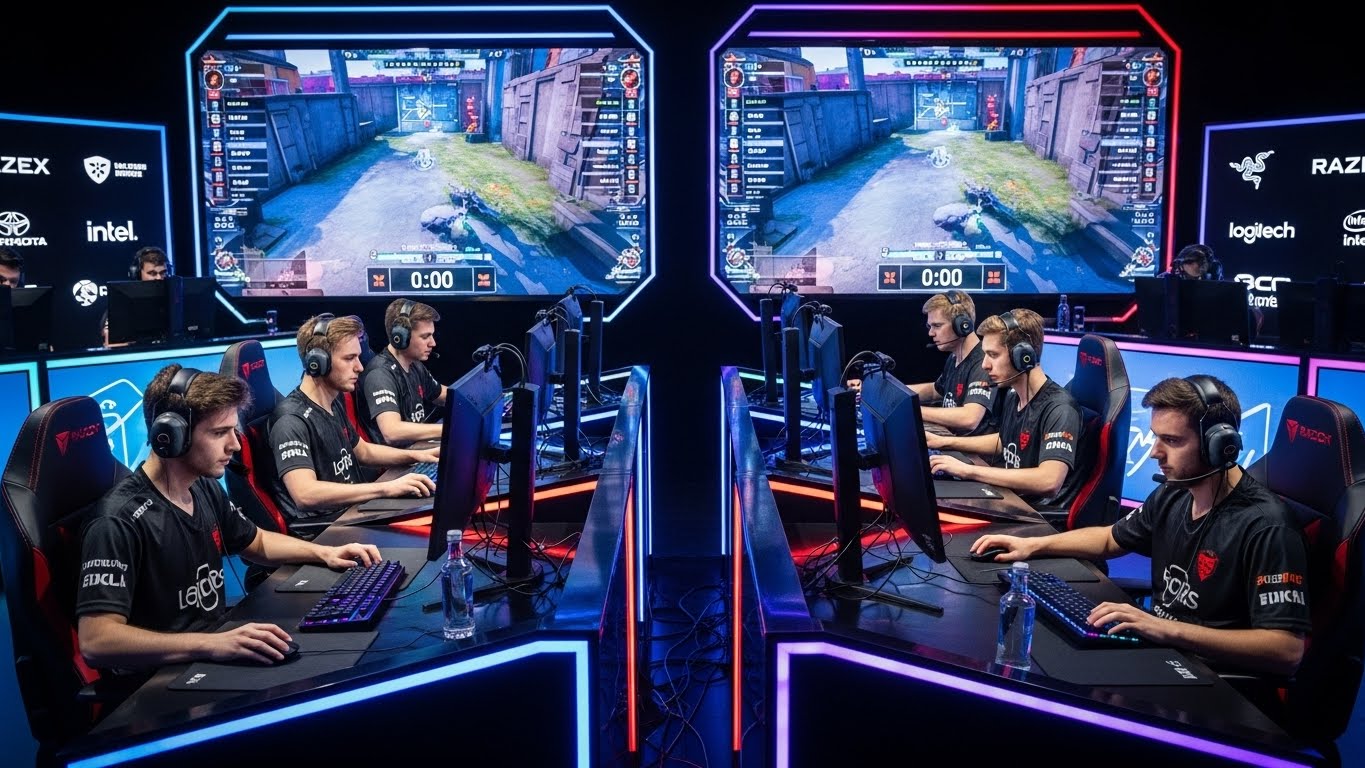
The word “athlete” might surprise some when talking about gamers, but professional Esports players are athletes in every sense. They train for hours daily, study strategies, and maintain physical and mental conditioning. Reaction times, hand-eye coordination, and teamwork are critical.
Unlike many traditional sports, however, Esports careers are often short. Players peak in their late teens or early twenties due to the intense reflex demands. Still, retired players often move into coaching, commentary, or content creation.
The Role of Teams and Organizations
Professional Esports teams function much like traditional sports franchises. They have owners, managers, coaches, analysts, and support staff. Some of the most recognized names include:
- Team Liquid
- Fnatic
- T1
- Cloud9
- FaZe Clan
These organizations compete across multiple games, manage sponsorships, and build global brands. Some even operate content houses where players live, train, and create media together.
Esports and Education
In the last few years, universities and schools have started recognizing Esports as a legitimate field of study and competition. Many offer scholarships to talented players, much like traditional athletes.
Beyond competition, there’s growing academic interest in Esports management, marketing, and game design. Colleges see it as an opportunity to engage with a tech-savvy generation and prepare students for careers in gaming, broadcasting, and digital media.
The Cultural Impact
Esports isn’t just about competition—it’s about community and culture. It connects people across continents and languages through a shared love of gaming.
Online personalities, streamers, and influencers have become celebrities. Fans gather at conventions, arenas, and online watch parties. Cosplay, art, and fan content thrive around Esports ecosystems.
It’s also bridging the gap between gaming and mainstream entertainment. Celebrities, musicians, and athletes regularly participate in gaming events, blurring the lines between virtual and real-world fame.
Challenges Facing the Industry
Despite its success, Esports faces real challenges.
1. Player Burnout
The training schedules are grueling, often leading to exhaustion and stress. Many pros retire early due to mental fatigue.
2. Financial Inequality
Not every game or team operates on the same level. While top-tier players earn millions, others struggle to make a living wage.
3. Governance and Regulation
With so many games and organizations, there’s no single governing body for Esports. This creates inconsistencies in rules, contracts, and player rights.
4. Cheating and Match-Fixing
Like any competitive field, Esports has dealt with cheating scandals, hacking, and match-fixing, which threaten its credibility.
5. Gender and Diversity Issues
The industry has long been male-dominated, but more women and marginalized groups are entering the scene, pushing for inclusion and respect. Progress is happening, but slowly.
The Global Stage: Esports as a Spectator Sport
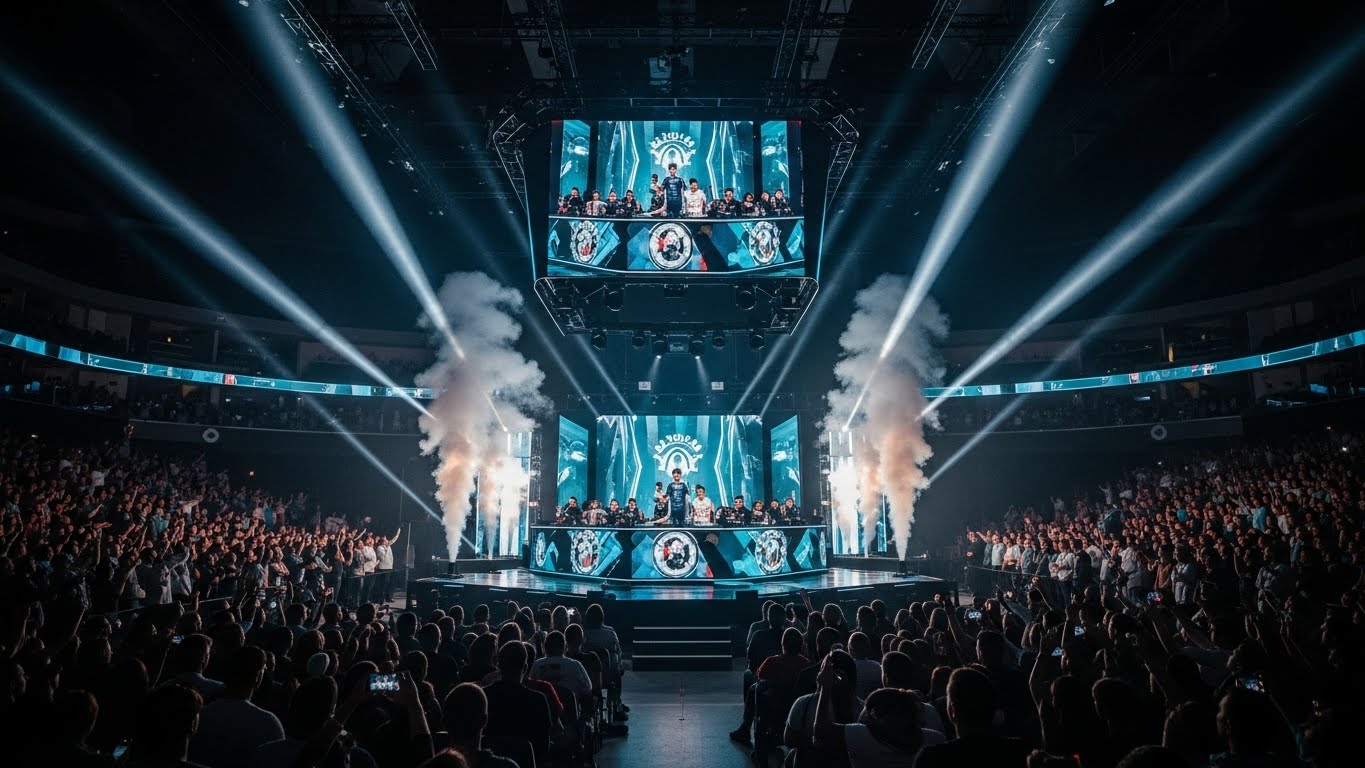
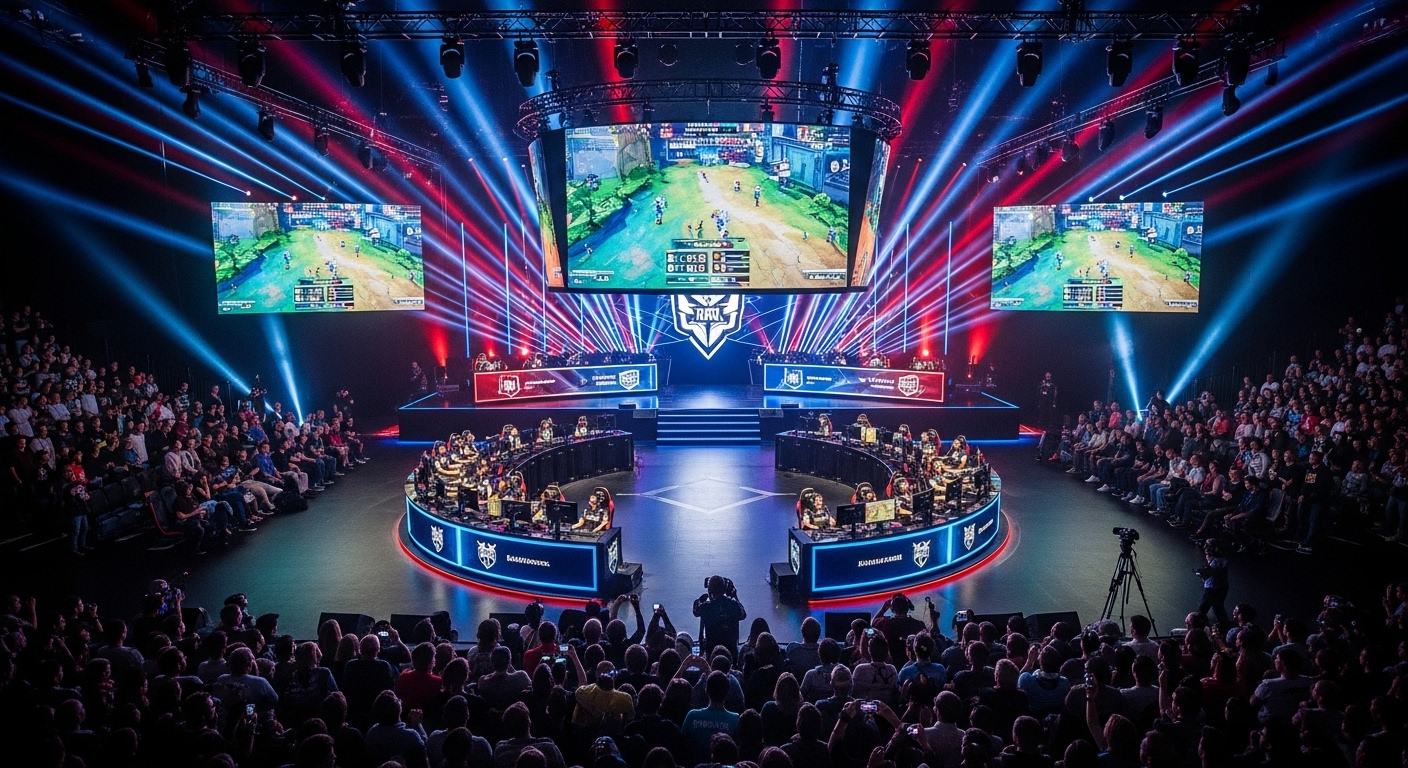
Esports has achieved what once seemed impossible: rivaling traditional sports in audience engagement. Major tournaments fill stadiums in Seoul, Los Angeles, and Shanghai. Millions more tune in from home.
Events like The International, League of Legends Worlds, and CS:GO Majors are treated like global sporting events, complete with live commentary, analysis, and production value rivaling that of the Olympics.
Countries like China, South Korea, and the United States are leading the charge, but regions like Southeast Asia, Europe, and Latin America are rapidly catching up.
Technology’s Role in Esports Growth
Esports wouldn’t exist without technology. From faster internet speeds to advanced gaming hardware, every innovation has fueled its rise.
1. Streaming Platforms
Live broadcasting gave Esports global reach. Fans can now interact directly with players, vote in polls, and chat in real time.
2. Game Development Tools
Modern engines allow for balance adjustments and new features, keeping games fresh and competitive.
3. Data Analytics
Teams now use data to track player performance, analyze opponents, and develop strategies—just like professional sports teams.
4. Virtual Reality (VR) and Augmented Reality (AR)
As VR and AR mature, they’re opening new possibilities for interactive Esports experiences, both for players and spectators.
The Pandemic Effect
When the world shut down in 2020, live sports were canceled—but Esports thrived. With physical venues closed, digital competition became the main form of entertainment for millions stuck at home.
Viewership skyrocketed. Online tournaments replaced in-person events, and new fans discovered the world of competitive gaming. This period proved Esports wasn’t just a niche—it was a resilient industry capable of adapting quickly.
Esports and the Future of Entertainment
Esports has already secured its place in the entertainment ecosystem, but its future looks even brighter. As technology evolves and virtual environments grow more immersive, Esports could merge with other digital spaces like the metaverse, where fans and players interact inside shared 3D worlds.
Crossovers with traditional sports are also increasing. Many professional athletes and sports organizations are investing in Esports teams. This synergy hints at a future where physical and digital sports coexist seamlessly.
Esports as a Career Path
What once seemed like an impossible dream—making a living through gaming—is now a legitimate career path. Beyond professional players, the Esports industry offers roles in production, broadcasting, event management, marketing, coaching, and analytics.
Content creation has also opened doors. Streamers and commentators often earn as much as players, sometimes even more. The industry’s diversity means that anyone with creativity, skill, or passion for games can find a place.
The Next Generation
Younger generations are growing up in a world where Esports is normal. For them, watching a League of Legends match is as common as watching football or basketball. Schools are introducing Esports programs, and parents are more supportive as they see the potential for real careers.
This shift is shaping a future where digital competition sits proudly alongside traditional sports. The fans of today are the players, organizers, and innovators of tomorrow.
Conclusion: The Game Has Only Just Begun
Esports started as a handful of gamers competing for bragging rights. Today, it’s a global powerhouse—uniting millions of people through passion, technology, and shared excitement. It’s proof that the boundaries between digital and real worlds are fading fast.
The journey of Esports mirrors the journey of modern culture itself—driven by connectivity, creativity, and the human desire to compete and belong. Whether you’re a hardcore gamer or someone who’s never picked up a controller, Esports is shaping the way we experience entertainment, community, and the future.
And if history has taught us anything, it’s that the story of Esports is far from over—it’s only leveling up.