Introduction
Esports, short for electronic sports, has grown from a niche hobby enjoyed by a small group of gaming enthusiasts to a massive global industry that rivals traditional sports in popularity, viewership, and financial success. What once began as friendly competitions among gamers has now evolved into an organized, professional, and highly competitive environment with millions of fans around the world. The story of esports is not just about video games—it is a reflection of how technology, entertainment, and human creativity have merged to redefine the very concept of sportsmanship and competition in the digital era.
The Early Beginnings of Esports
The origins of esports can be traced back to the 1970s and 1980s, when video games first gained popularity in arcades and on home consoles. The very first known video game competition took place at Stanford University in 1972, where students competed in the game “Spacewar.” Although the event was small and the prize was simply a subscription to a magazine, it marked the beginning of something revolutionary.
In the 1980s, games like “Pac-Man,” “Donkey Kong,” and “Space Invaders” sparked the imagination of millions. Tournaments began to appear, and competitive gaming slowly began to take shape. The 1980 “Space Invaders Championship” hosted by Atari drew more than ten thousand participants across the United States, marking the first large-scale gaming tournament. As the decade progressed, magazines and television shows started covering gaming competitions, giving rise to the first generation of professional gamers.
The Growth of Competitive Gaming in the 1990s
The 1990s were a defining period for esports. This was the era when gaming technology advanced rapidly, and multiplayer gaming became more accessible through personal computers and local area networks (LANs). Games like “Doom,” “Quake,” and “StarCraft” brought new dimensions of strategy and skill, attracting competitive players from around the world.
LAN parties became common during this decade, as gamers gathered physically to connect their computers and compete in real-time. It was also during this time that the first professional gaming organizations began to emerge. Companies such as Cyberathlete Professional League (CPL) and Major League Gaming (MLG) were established, organizing structured tournaments with cash prizes and sponsorships.
The introduction of real-time strategy games and first-person shooters gave birth to the modern esports format. South Korea, in particular, played a pivotal role in this evolution. The release of “StarCraft” in 1998 became a cultural phenomenon in South Korea, where professional players gained celebrity status, and televised matches attracted millions of viewers. The country’s early embrace of esports set a precedent for the rest of the world, laying the groundwork for esports to become a legitimate career path.
The 2000s: The Internet Era and the Rise of Online Gaming
The 2000s marked the explosion of esports into the mainstream, thanks to the rapid expansion of the internet and online gaming platforms. Broadband connections enabled players to compete without being in the same physical location, breaking geographical barriers and connecting gaming communities globally.
Titles like “Counter-Strike,” “Warcraft III,” “Defense of the Ancients (DotA),” and “Halo” became central to competitive gaming. The rise of online tournaments made it easier for new talent to emerge. Players could now participate in global events from the comfort of their homes, and this accessibility played a major role in the exponential growth of the esports scene.
During this decade, esports began to professionalize even further. Teams secured sponsorships from technology and energy drink companies, while tournament prize pools grew significantly. Gaming conventions and expos started featuring esports tournaments as main attractions, drawing thousands of attendees and millions of online viewers.
The Emergence of Streaming and Content Platforms
The real game-changer for esports came with the rise of live-streaming platforms such as Twitch and YouTube. For the first time, fans could watch live gaming events, comment on matches in real-time, and follow their favorite players and teams closely. This accessibility transformed esports into an interactive form of entertainment that blurred the lines between player and spectator.
Streaming also empowered individual gamers to build their personal brands. Professional players, content creators, and streamers became influencers with massive followings. Esports organizations began to function much like sports franchises, managing teams, coaches, analysts, and marketing staff. With millions tuning in to watch tournaments for games like “League of Legends,” “Dota 2,” and “Counter-Strike: Global Offensive,” esports began to attract mainstream media attention and corporate sponsorships.
Esports as a Career Path
As esports grew, so did the opportunities within the industry. No longer limited to just professional players, the esports ecosystem expanded to include roles such as coaches, analysts, broadcasters, content creators, marketing specialists, and event organizers. Universities began offering scholarships for esports athletes, and some even developed dedicated degree programs in esports management and game studies.
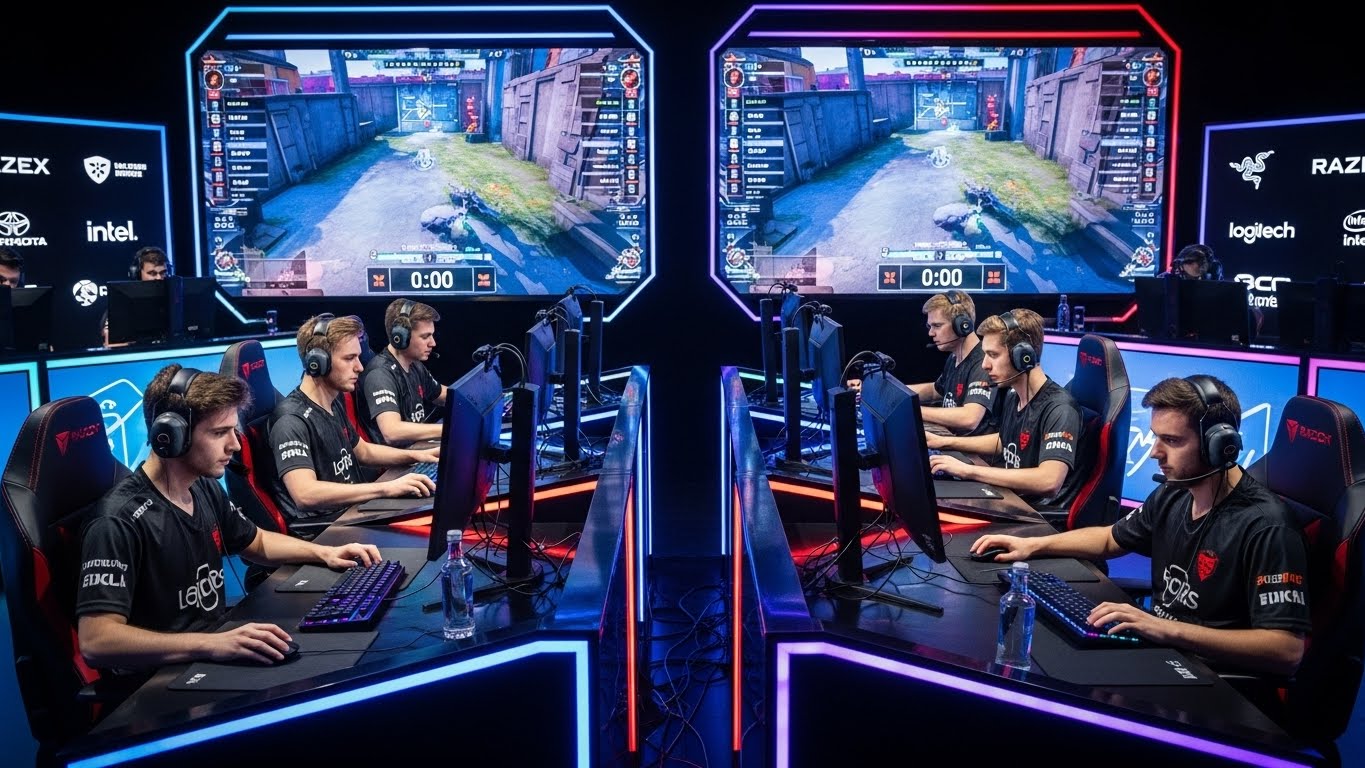
Professional players, once seen as hobbyists, became global celebrities. The financial rewards also skyrocketed, with top-tier players earning millions in prize money, sponsorships, and streaming revenue. The esports lifestyle demanded rigorous training, strategic thinking, teamwork, and discipline—qualities traditionally associated with athletes in conventional sports. This shift challenged stereotypes about gamers and demonstrated that esports competitors are athletes in their own right.
Major Esports Titles That Defined the Industry
Throughout its evolution, several games have become pillars of the esports industry. Each brought unique gameplay mechanics and attracted massive fan bases across different regions.
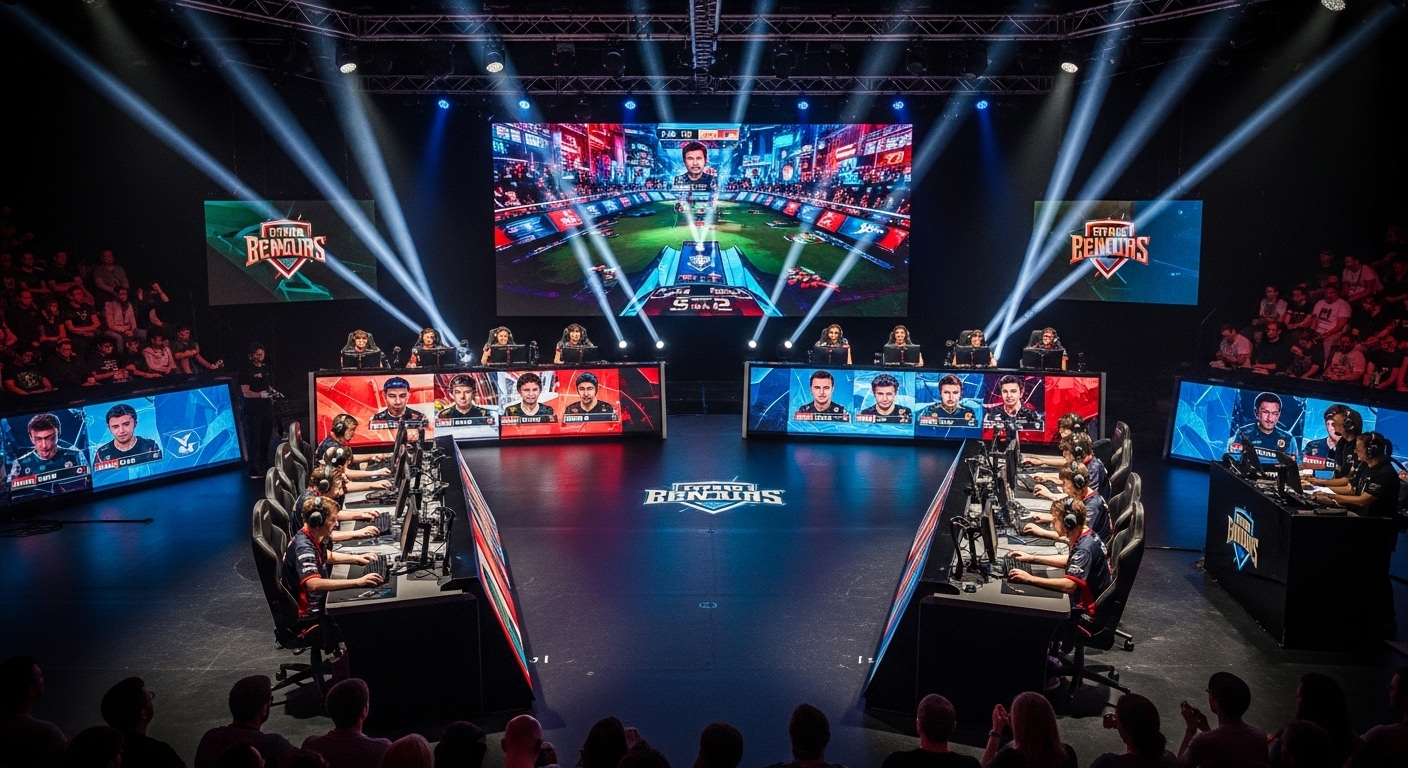
“League of Legends,” developed by Riot Games, is one of the most popular esports titles globally. Its strategic depth, frequent updates, and competitive scene have made it a cornerstone of modern esports. The annual “League of Legends World Championship” is watched by tens of millions of fans worldwide, with elaborate productions and multi-million-dollar prize pools.
“Dota 2” has also made a significant impact. Known for its complexity and depth, it hosts “The International,” one of the largest esports tournaments in the world, with prize pools that have exceeded tens of millions of dollars.
“Counter-Strike: Global Offensive,” with its fast-paced tactical gameplay, remains a dominant force in the shooter genre. It has maintained a loyal fanbase for decades, proving the timeless appeal of skill-based competitive gaming.
Other notable titles include “Overwatch,” “Fortnite,” “Valorant,” “Call of Duty,” and “PUBG.” Each has contributed to the diversity and richness of the esports ecosystem, catering to different gaming preferences and audiences.
The Global Impact of Esports
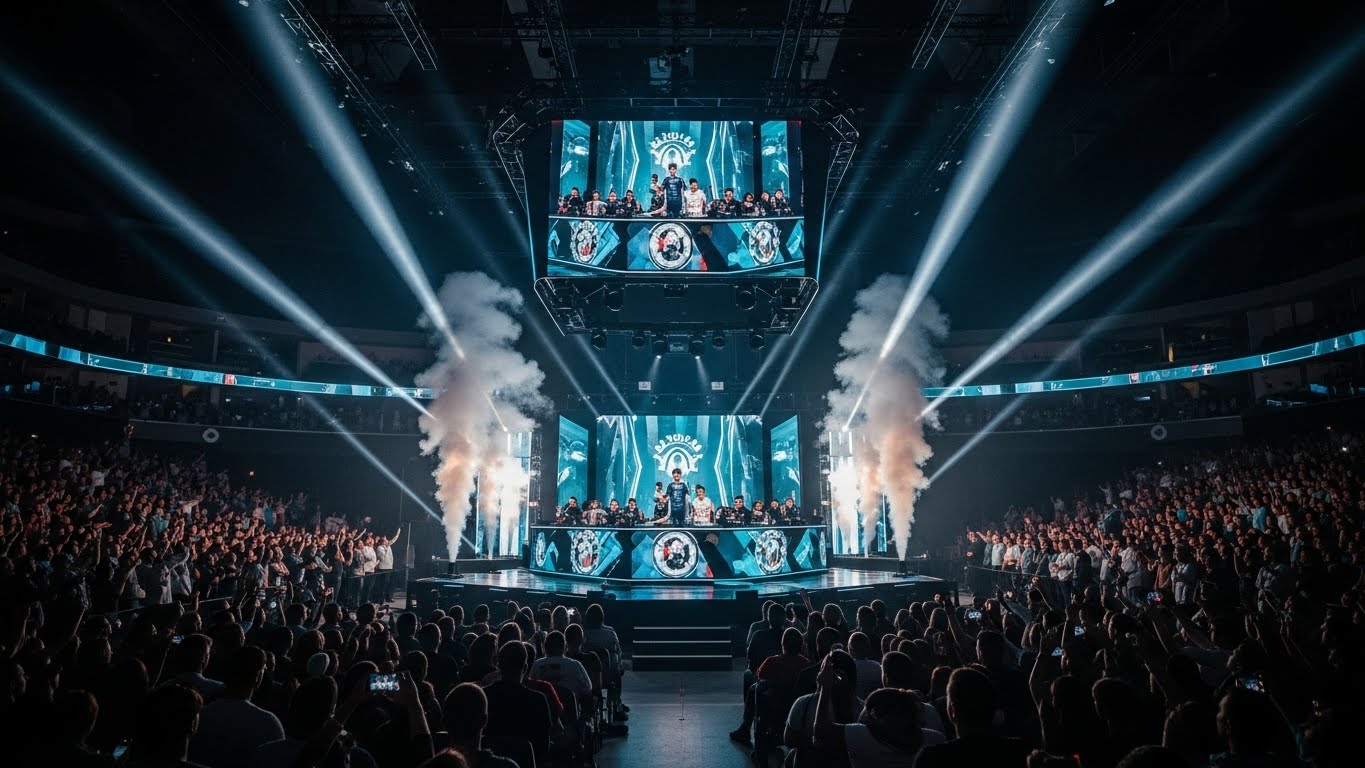
Esports is not just entertainment; it has become a cultural and economic powerhouse. The global esports audience has grown to hundreds of millions, with viewership rivaling major sporting events like the Super Bowl and the FIFA World Cup. Cities around the world are building dedicated esports arenas, and major corporations are investing heavily in sponsorships and media rights.
In countries like South Korea, China, and the United States, esports is considered a national phenomenon. Governments have started recognizing esports as legitimate sports, offering visas for professional players and supporting local esports industries. International competitions have fostered cultural exchange and unity among gamers from diverse backgrounds.
The economic ripple effect of esports extends beyond tournaments. It fuels related industries such as hardware manufacturing, streaming platforms, apparel, and advertising. Esports has also influenced education, technology, and even mental health discussions, as people recognize the cognitive skills, teamwork, and strategic thinking involved in competitive gaming.
Challenges Facing the Esports Industry
Despite its rapid success, esports faces several challenges that need to be addressed for sustainable growth. One of the most pressing issues is player burnout. Professional gamers often train for long hours, which can lead to mental and physical exhaustion. Organizations are increasingly focusing on player welfare, providing psychological support and structured training schedules.
Another concern is the lack of standardization in esports governance. Unlike traditional sports, which have established regulatory bodies, esports is fragmented across different game publishers, each with its own rules and structures. This makes it difficult to maintain consistency and fairness across the global competitive scene.
Additionally, issues such as cheating, match-fixing, and online harassment have posed reputational challenges. Game developers and tournament organizers have had to implement strict anti-cheating systems and enforce codes of conduct to preserve the integrity of the sport.
The Future of Esports
The future of esports looks brighter than ever. With the rise of virtual reality, augmented reality, and artificial intelligence, the next generation of games will offer even more immersive and interactive experiences. The line between esports and traditional sports will continue to blur as more athletes, organizations, and broadcasters embrace digital competition.
Esports is also expected to play a major role in the evolution of entertainment and media. Interactive live events, virtual arenas, and metaverse-style competitions could redefine how fans experience gaming. The integration of blockchain technology may revolutionize in-game economies, digital ownership, and fan engagement.
As education systems begin to acknowledge the value of gaming in developing critical thinking and teamwork, esports will likely be incorporated into school programs. It could also serve as a tool for promoting diversity and inclusion, giving people from all walks of life an opportunity to connect through shared passion.
Cultural Acceptance and the Changing Perception of Gaming
Once viewed as a pastime for the young and socially isolated, gaming has now become an accepted part of global culture. Esports has played a significant role in this transformation by showcasing the discipline, strategy, and teamwork required to succeed. The mainstream media now covers esports events alongside traditional sports, and major broadcasting networks have dedicated airtime for tournaments.
Celebrities, athletes, and musicians have also joined the esports movement, investing in teams and participating in events. This cultural crossover has helped bridge the gap between generations and communities, creating a shared space where gaming is celebrated as an art form and competitive pursuit.
Conclusion
Esports represents far more than just digital competition—it symbolizes the power of technology, creativity, and community. It has redefined what it means to be an athlete, an entertainer, and a fan. From the small computer labs of the 1970s to grand arenas filled with thousands of cheering spectators, the journey of esports reflects human innovation and passion for challenge.
As the industry continues to evolve, it will inspire new generations to dream beyond traditional boundaries. Whether as players, fans, or innovators, people across the world are contributing to an ecosystem that thrives on imagination, skill, and the spirit of competition. Esports is not merely the future of gaming—it is the future of entertainment, culture, and global connection.