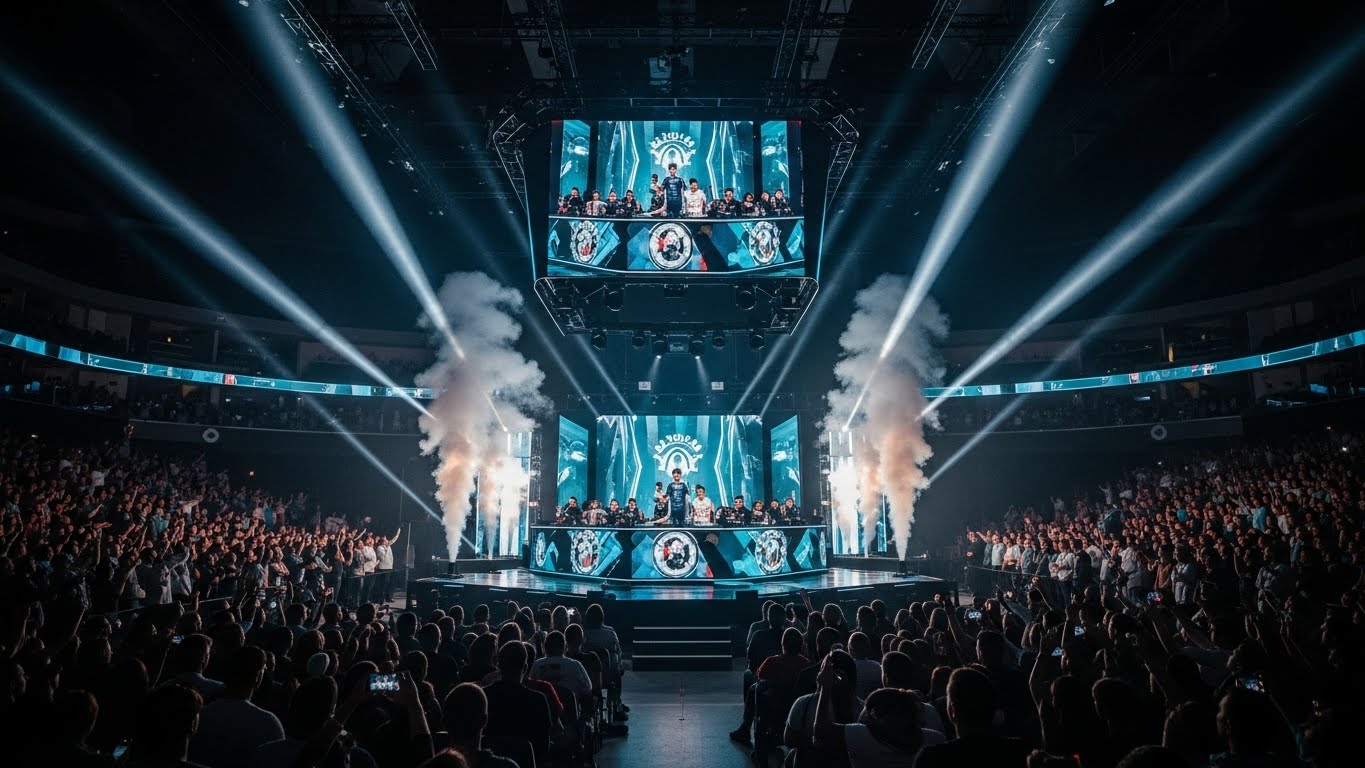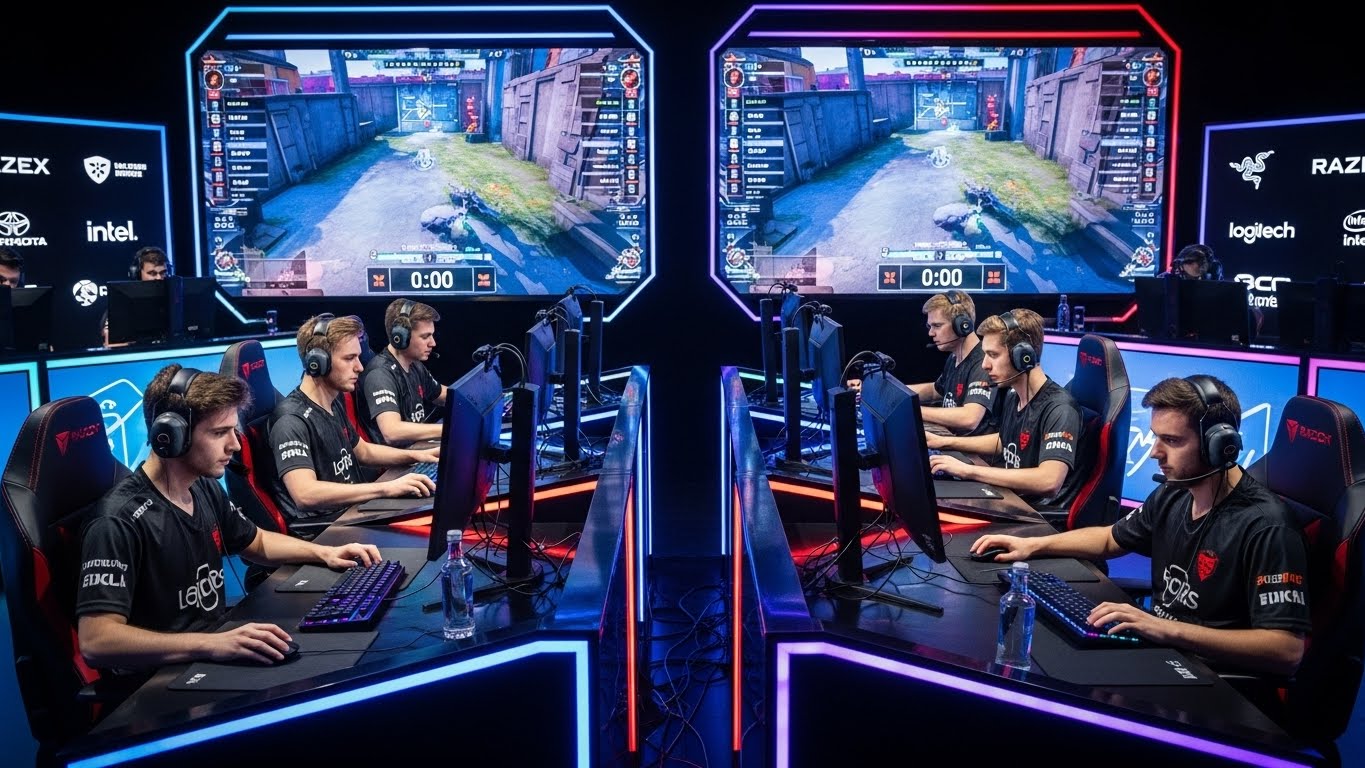
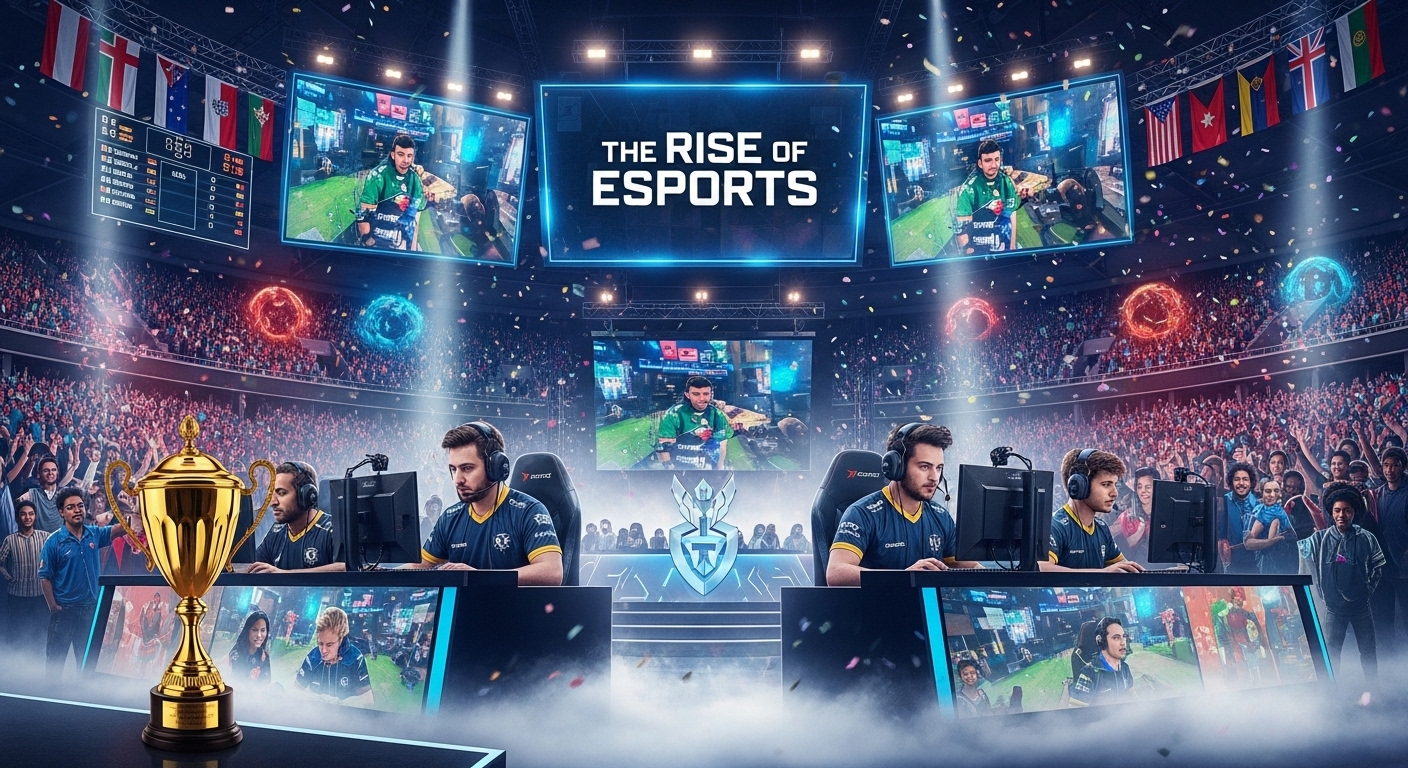
Esports, short for electronic sports, has become one of the fastest-growing industries in the world, transforming from a niche pastime into a global entertainment powerhouse. Over the past two decades, competitive gaming has evolved from small-scale LAN tournaments into massive international events that fill stadiums and attract millions of online viewers. The phenomenon of esports represents a unique blend of technology, competition, and entertainment that continues to reshape the way people perceive gaming and sports in the modern digital age.
The Early Beginnings of Esports
The origins of esports can be traced back to the late 1970s and early 1980s when the first video game competitions began to take shape. Early tournaments such as the Space Invaders Championship in 1980 attracted thousands of participants and demonstrated that video games could be more than just a form of personal entertainment—they could also serve as a platform for competition.
In the 1990s, with the advent of personal computers and local area networks (LANs), multiplayer gaming became more accessible. Games like Doom, Quake, and StarCraft set the foundation for organized gaming events, as players gathered in small venues to compete in friendly or professional matches. Although esports was not yet mainstream, these early gatherings cultivated a culture of competitive gaming and built the community spirit that would later drive the industry’s success.
The 2000s: The Foundation of Modern Esports
The early 2000s marked the beginning of esports as we know it today. The rise of broadband internet connections allowed players to compete online, leading to the creation of professional leagues and international tournaments. South Korea emerged as the epicenter of esports during this time, thanks to its advanced internet infrastructure and a cultural acceptance of gaming as a legitimate activity.
Games such as StarCraft: Brood War became national phenomena in South Korea, with televised matches, professional teams, and star players who gained celebrity status. The success of the Korean esports model inspired other regions, leading to the establishment of global esports organizations and competitive circuits.
At the same time, Western countries began to embrace competitive gaming through events like the Cyberathlete Professional League (CPL), Major League Gaming (MLG), and the World Cyber Games (WCG). These organizations helped standardize competition formats, introduce sponsorships, and professionalize the industry.
The 2010s: Esports Enters the Mainstream
The 2010s were a defining decade for esports. As streaming platforms like Twitch and YouTube Gaming gained popularity, audiences could easily access live esports events from anywhere in the world. This accessibility led to an explosion in viewership, making esports a mainstream form of entertainment comparable to traditional sports.
During this period, several game titles emerged as esports powerhouses, including League of Legends, Dota 2, Counter-Strike: Global Offensive, and Overwatch. Each of these games cultivated massive communities, international leagues, and multimillion-dollar prize pools.
The League of Legends World Championship, for example, drew millions of viewers annually and filled arenas with passionate fans. Similarly, Valve’s Dota 2 tournament, The International, became known for its record-breaking prize pools funded by the gaming community itself.
The growing financial investments from brands, advertisers, and media companies further validated esports as a legitimate industry. Traditional sports organizations, such as the NBA and football clubs, began investing in esports teams, signaling the merging worlds of sports and gaming.
The Role of Technology in Esports Growth
Technology has been the driving force behind the success of esports. High-speed internet, advanced gaming hardware, and streaming technology have allowed players and viewers to connect globally. The development of powerful gaming PCs and consoles has enhanced gameplay quality, while online platforms have made global competition possible.
Streaming platforms have arguably had the most significant impact. Twitch, for instance, revolutionized the way fans interact with esports content. Unlike traditional sports broadcasts, esports streams are highly interactive, allowing fans to chat with players, commentators, and other viewers in real-time. This direct engagement has helped foster loyal fan bases and communities.
Moreover, the rise of mobile gaming has introduced a new wave of esports titles accessible to millions of players worldwide. Games like PUBG Mobile, Free Fire, and Mobile Legends have made competitive gaming more inclusive, particularly in regions where PC or console gaming is less accessible.
The Global Impact of Esports
Esports is now a global phenomenon with fans, players, and organizations across every continent. In Asia, particularly China and South Korea, esports has become deeply integrated into youth culture. Major tournaments attract massive audiences, and professional gamers are often treated like sports celebrities.
In North America and Europe, esports has gained traction as a professional career path, with universities offering scholarships for esports athletes and degrees in game design and esports management. The presence of professional leagues, such as the Overwatch League and Call of Duty League, has given structure to the industry, similar to traditional sports leagues.
Even in developing regions such as Southeast Asia, the Middle East, and Latin America, esports is rapidly expanding. Mobile gaming has played a crucial role in making esports accessible in these regions, providing new opportunities for players to showcase their talent on international stages.
Esports and the Business World
The business side of esports is one of its most fascinating aspects. The industry generates billions of dollars in revenue through sponsorships, advertising, media rights, and merchandise. Major brands, including those outside of gaming, have recognized the marketing potential of esports audiences, which tend to be young, tech-savvy, and highly engaged.
Esports organizations operate much like traditional sports franchises, with dedicated teams, coaches, analysts, and support staff. Players sign contracts, receive salaries, and sometimes share in tournament winnings. The top esports athletes can earn millions of dollars annually through competition, streaming, and brand endorsements.
Media companies and streaming platforms have also become deeply involved. Networks such as ESPN and BBC have broadcasted esports tournaments, while online platforms have fought for exclusive streaming rights. This competition for viewership mirrors the dynamics of traditional sports broadcasting.
The Cultural Influence of Esports
Beyond its economic value, esports has had a profound cultural impact. It has helped redefine the concept of sportsmanship, teamwork, and competition in the digital age. Esports communities are incredibly diverse, uniting players from different backgrounds, languages, and cultures under a shared passion for gaming.
The rise of esports has also influenced pop culture, inspiring documentaries, television series, and even music. Esports athletes are now recognized as celebrities, with social media followings rivaling those of traditional sports stars. Events like the League of Legends World Championship opening ceremonies showcase a fusion of gaming, music, and entertainment, highlighting the industry’s cultural significance.
Esports has also provided opportunities for inclusivity. Unlike many traditional sports, esports is not limited by physical ability, gender, or location. Players compete based on skill, strategy, and mental agility, allowing a broader range of participants to succeed.
The Challenges Facing Esports
Despite its rapid growth, esports faces several challenges that must be addressed for its continued success. One major concern is the lack of standardized regulations across different games and regions. While traditional sports have governing bodies, esports operates under a fragmented system where each game developer sets its own rules and structures.
Player burnout is another issue. The intense schedules, high expectations, and constant travel can take a toll on players’ mental and physical health. Some players retire at a young age due to stress and fatigue. Esports organizations are gradually recognizing the importance of mental health support and better working conditions, but there is still progress to be made.
Cheating and match-fixing are also threats to the integrity of esports. As with any competitive industry, the temptation to gain unfair advantages exists. Game developers and tournament organizers are investing in anti-cheat technologies and strict monitoring systems to preserve fair play.
Another significant challenge is maintaining a balanced ecosystem between game developers, teams, and players. Developers often hold ultimate control over the competitive landscape of their games, which can lead to conflicts of interest or unstable tournament structures.
The Future of Esports
The future of esports looks bright, with no signs of slowing down. Analysts predict continued growth in viewership, investment, and innovation. As technology evolves, new possibilities such as virtual reality (VR) and augmented reality (AR) may redefine the esports experience, offering immersive forms of competition and entertainment.
Educational institutions are increasingly incorporating esports into their programs, recognizing its potential for teaching teamwork, strategy, and digital literacy. Esports scholarships and varsity programs are on the rise, legitimizing gaming as both a career and an academic pursuit.
In the long term, esports may even become part of the Olympic Games, a discussion that has been ongoing for several years. While debates about its inclusion continue, there is no denying that esports meets many of the criteria for international competition.
As more regions develop their esports infrastructure, the industry will likely see greater diversity in talent, with players emerging from every corner of the world. This global inclusivity will further strengthen esports’ position as a unifying force in modern entertainment.
Conclusion: The Power of Esports
Esports has transcended its origins as a casual hobby to become one of the most influential cultural and economic movements of the 21st century. It embodies the spirit of competition, the innovation of technology, and the power of global connection. From local gaming cafés to sold-out arenas, esports has proven that passion for gaming can unite millions of people across the globe.
The journey of esports is a testament to how digital culture continues to reshape human interaction, creativity, and entertainment. As technology advances and society evolves, esports will remain at the forefront of this transformation—proving that in the digital age, the thrill of competition knows no boundaries.