
Introduction
Esports, or competitive video gaming, has grown from a niche hobby into a global industry worth billions of dollars. What was once seen as casual entertainment has now evolved into a serious and professionalized arena with international tournaments, sponsorships, and massive audiences. As esports grows, so too does the structure that surrounds it. Just like in traditional sports, where teams rely on managers, trainers, and coaches to reach their potential, esports organizations have realized the critical importance of coaches.
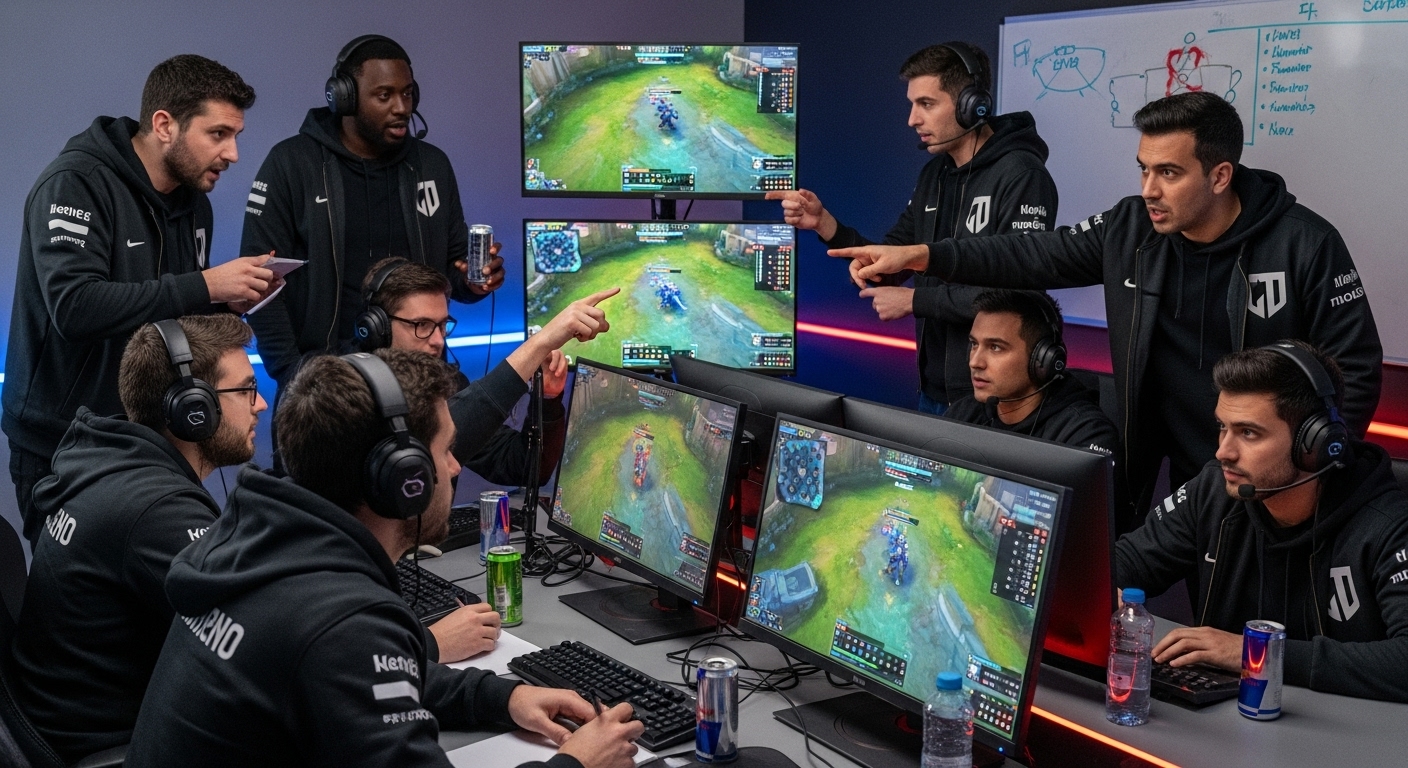
The role of a coach in esports is often underestimated by outsiders. Many assume that success in competitive gaming comes down to individual skill and reflexes. However, the truth is much deeper. Coaches play a vital role in shaping strategies, managing team dynamics, and preparing players mentally and physically for the challenges of competition. Without effective coaching, even the most talented players can struggle to unlock their full potential.
This article explores the multifaceted role of coaches in esports success. We will examine their responsibilities, their impact on players and teams, the differences from traditional sports coaching, and how coaching continues to evolve in the fast-paced esports ecosystem.
The Evolution of Coaching in Esports
When esports was in its early stages, coaching was not a widely recognized position. Teams were often self-managed, with captains or experienced players taking on leadership roles. The focus was almost entirely on individual mechanics, reflexes, and personal practice. However, as competitions became more professional and the stakes grew higher, the need for structured leadership emerged.
Today, coaching in esports has become a specialized profession. Organizations now recruit experienced strategists, analysts, and motivational leaders to guide their teams. Coaches in esports can come from a variety of backgrounds, including former professional players, game analysts, or even individuals trained in psychology and sports management. The growth of esports coaching mirrors the growth of the industry itself: what began as casual is now professional, rigorous, and critical for success.
Strategic Masterminds
One of the most essential roles of an esports coach is strategic planning. Unlike casual gaming, professional matches involve countless layers of tactics and preparation. Coaches must design strategies that maximize their team’s strengths while exploiting the weaknesses of their opponents.
In games such as League of Legends, Dota 2, or Counter-Strike: Global Offensive, matches are not only about reaction times but also about decision-making, positioning, and long-term planning. Coaches study maps, develop playbooks, and prepare counter-strategies for rival teams. This kind of preparation gives teams a competitive edge and often determines the outcome of closely contested matches.
For example, in tactical shooters, a coach might analyze an opponent’s tendency to favor certain bomb sites or defensive setups. By identifying patterns and creating specific strategies, the coach enables their players to anticipate enemy behavior and adjust accordingly. In multiplayer online battle arena games, coaches may focus on draft strategies, champion selections, or counter-picks, all of which are crucial to winning.
Player Development and Skill Refinement
Coaches are also responsible for ensuring that each player continues to improve. While professional players are already highly skilled, coaching focuses on refining their abilities, enhancing teamwork, and addressing weaknesses. A coach may review game footage to highlight mistakes, encourage new tactics, or set specific training goals for players.
In some cases, coaches help players develop versatility. Instead of being limited to one particular character, role, or strategy, players are guided to expand their skill sets, making the team more adaptable. This adaptability often separates good teams from great ones.
Moreover, coaches understand that improvement is not just about playing more hours. It is about playing smart. Structured practice routines, targeted drills, and consistent feedback are far more valuable than endless hours of repetitive gameplay. Coaches organize these systems, ensuring players train effectively rather than inefficiently.
Mental Strength and Emotional Support
The mental aspect of esports is as important as the technical one. High-pressure environments, large audiences, and the weight of expectations can overwhelm players. Tilt, burnout, and stress are common challenges. Coaches step in to provide emotional support and mental conditioning, helping players remain focused, resilient, and motivated.
In many ways, an esports coach also acts as a psychologist. They teach players how to manage frustration, maintain concentration, and recover quickly after losses. This role is critical because esports matches often require rapid decision-making under pressure, and negative emotions can impair performance significantly.
Some organizations even hire coaches with backgrounds in sports psychology to strengthen their teams. These coaches guide players through stress-management techniques, visualization exercises, and confidence-building strategies. By creating a positive team environment, coaches foster mental stability, which translates into consistent in-game performance.
Team Dynamics and Leadership
Esports teams are made up of individuals with unique personalities, backgrounds, and playing styles. A coach must ensure these individuals work together as a cohesive unit. This involves managing conflicts, balancing egos, and fostering a sense of trust and communication among players.
Coaches often act as mediators, resolving disputes before they escalate into larger problems. They also assign roles within the team and help clarify responsibilities. This kind of structure is necessary for any group competing at a professional level.
Effective leadership from a coach transforms a collection of talented individuals into a unified team. When trust in leadership is strong, players can focus entirely on their gameplay, knowing that decisions and strategies are in capable hands.
Preparation and Analysis
Another critical responsibility of esports coaches is preparing the team for upcoming matches. Preparation involves extensive analysis of opponents, reviewing gameplay footage, and developing targeted strategies. Coaches spend countless hours studying competitors, breaking down their habits, strengths, and vulnerabilities.
Match preparation also includes simulated scrimmages, where the team practices specific strategies against practice opponents. Coaches use these sessions to test ideas, identify flaws, and fine-tune execution. Afterward, they analyze the results, providing constructive feedback to ensure continuous improvement.
Post-match analysis is equally important. Win or lose, coaches review the game to identify lessons. They highlight what worked, what went wrong, and how the team can evolve moving forward. This constant cycle of preparation, execution, and review ensures that the team remains competitive and always learns from experience.
The Difference Between Esports Coaches and Traditional Sports Coaches
While esports coaches share many responsibilities with coaches in traditional sports, there are also significant differences.
Traditional sports often emphasize physical conditioning, athleticism, and long-standing playbooks. Esports, on the other hand, emphasizes cognitive sharpness, reflexes, and constant adaptation to game patches and updates. A football coach may use strategies that remain effective for years, while an esports coach must adapt weekly or even daily to new game mechanics, balance changes, or evolving metas.
Moreover, esports coaches often work with much younger athletes, some of whom are teenagers experiencing professional competition for the first time. This requires sensitivity and guidance, as young players may struggle with pressure, lifestyle adjustments, and public exposure.
Despite these differences, both esports and traditional sports coaches share the common goal of maximizing team performance, fostering discipline, and ensuring players reach their full potential.
The Rise of Specialized Coaching Staff
In modern esports organizations, coaching is no longer a one-person job. Top teams often have entire staffs dedicated to various aspects of performance.
Some organizations employ analysts who focus solely on data, providing insights into opponents’ playstyles and statistical trends. Others hire mental coaches to address psychological aspects or physical trainers to encourage healthy lifestyles. Head coaches then coordinate these specialists to create a comprehensive support system for players.
This professional structure demonstrates how far esports coaching has come. It is no longer a supplementary role but a central pillar of any successful team.
Coaching Across Different Esports Titles
Coaching styles vary depending on the game.
In strategy-heavy games like Dota 2 or League of Legends, coaches are deeply involved in drafting, strategy, and macro-level decisions. In first-person shooters like Counter-Strike or Valorant, coaching often focuses on map control, communication, and tactical execution. In fighting games or one-on-one esports, coaching may emphasize mental resilience, opponent reading, and individualized training.
Regardless of the game, the common thread is that coaching helps bridge the gap between individual talent and team success.
Challenges Faced by Esports Coaches
Coaching in esports comes with unique challenges.
Firstly, the rapid pace of change in video games means strategies can become outdated quickly. Coaches must constantly update their knowledge, staying ahead of patches, meta shifts, and new tactics.
Secondly, the relatively young age of many players presents challenges in discipline and professionalism. Coaches must balance being authoritative leaders with being supportive mentors.
Thirdly, esports schedules are grueling, with constant tournaments, travel, and streaming commitments. Coaches must manage player fatigue and prevent burnout, all while ensuring competitive readiness.
Despite these obstacles, effective coaches thrive by being adaptable, innovative, and resilient.
The Impact of Coaching on Esports Success
The influence of a coach can be seen clearly in the success of professional esports teams. Many championship-winning squads credit their victories to the leadership, preparation, and motivation provided by their coaches. Players may be the ones executing on screen, but the strategies, discipline, and unity behind their performance often come from the guidance of their coach.
A strong coach can transform an underperforming roster into contenders. By identifying flaws, instilling discipline, and fostering teamwork, coaches unlock the full potential of their players. Conversely, weak or absent coaching can cause even talented rosters to fall short of expectations.
In the modern esports landscape, where margins between victory and defeat are razor-thin, coaching is not optional. It is a necessity.
The Future of Coaching in Esports
As esports continues to grow, the role of coaches will only become more prominent. Coaching certifications, training programs, and academic courses are already emerging, ensuring that future coaches are prepared with both technical knowledge and leadership skills.
We may see the rise of AI-driven tools to assist coaches, providing real-time data analysis or automated feedback systems. However, the human element of coaching—the ability to motivate, empathize, and inspire—will remain irreplaceable.
In addition, the integration of sports science into esports coaching will likely grow. Concepts such as nutrition, physical fitness, and sleep optimization are already being introduced, and coaches will play a central role in enforcing these standards.
Ultimately, the future will see esports coaching become just as prestigious and recognized as coaching in traditional sports.
Conclusion
The role of coaches in esports success cannot be overstated. Far more than simple strategists, coaches are mentors, leaders, analysts, and motivators. They shape strategies, refine skills, manage team dynamics, and ensure players are mentally and emotionally prepared for competition.
In a rapidly evolving industry where the difference between winning and losing often comes down to details, coaches provide the structure, vision, and leadership necessary to thrive. As esports continues to grow into one of the defining industries of the 21st century, the importance of coaching will only expand.
The players may be the ones in the spotlight, but behind every great team is a coach whose guidance makes success possible.