Introduction: The Emergence of eSports
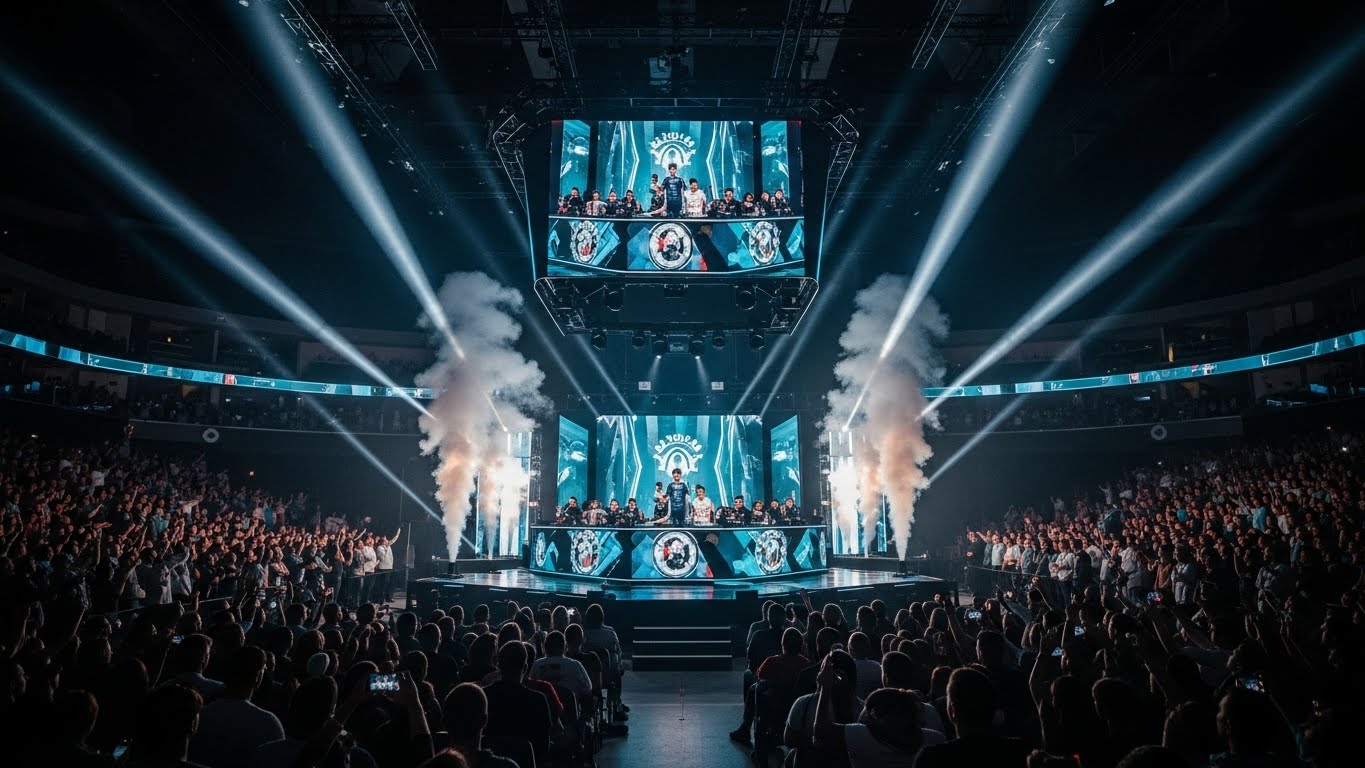
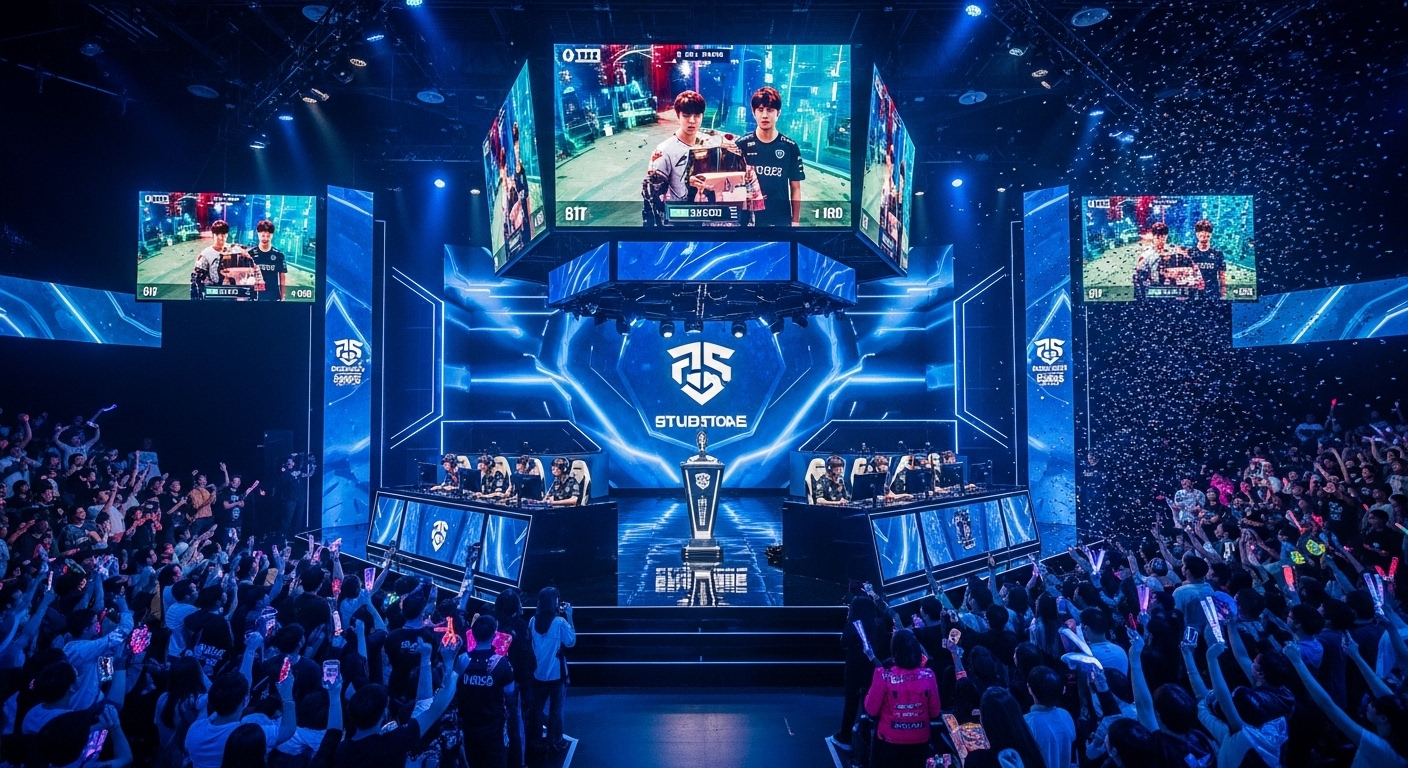
The world of gaming has evolved dramatically over the past few decades, and one of the most significant developments in this evolution is the rise of eSports. Competitive gaming, once considered a niche hobby, has grown into a global industry that attracts millions of viewers, offers substantial prize money, and has professional players, teams, and leagues. eSports has transformed gaming into a form of entertainment comparable to traditional sports, with tournaments, sponsorships, and fan communities all contributing to its growth. This blog explores the history, development, social impact, economic significance, technological innovations, and future of eSports as a global phenomenon.
The History of eSports: From LAN Parties to International Tournaments
Competitive gaming has its roots in the late 1970s and 1980s, when video game enthusiasts began holding small competitions. Early tournaments for games like Space Invaders and Pac-Man were local events, often held in arcades. These competitions laid the groundwork for what would later become eSports.
The 1990s saw the rise of local area network (LAN) parties, where players connected computers to compete in games like Doom, Quake, and StarCraft. These LAN events created communities of passionate gamers and introduced the concept of organized competitive gaming. By the late 1990s and early 2000s, the introduction of broadband internet made online gaming tournaments possible, enabling players from around the world to compete against one another in real time.
One of the earliest and most influential professional tournaments was the World Cyber Games, launched in 2000. It showcased international talent in games such as Counter-Strike, StarCraft, and Warcraft III, and helped establish competitive gaming as a serious pursuit. From these humble beginnings, eSports grew into the professional industry we know today, with millions of fans and players worldwide.
The Popularity of eSports: Games That Define the Industry
Several game genres have played a crucial role in shaping the eSports industry. Multiplayer online battle arenas (MOBAs) such as League of Legends and Dota 2 have massive professional scenes, featuring international tournaments with enormous audiences. First-person shooters (FPS) like Counter-Strike: Global Offensive and Call of Duty have similarly created competitive circuits that attract players and fans alike.
Battle royale games, such as Fortnite and Apex Legends, have introduced new formats to competitive gaming, combining fast-paced action with strategic gameplay. Sports simulation games like FIFA and NBA 2K have also become part of the eSports landscape, offering virtual versions of popular real-world sports. Each of these games has contributed to the growth and diversification of eSports, attracting millions of viewers across multiple platforms.
The Social Impact of eSports: Building Communities and Identity
eSports is not just about competition; it also fosters social interaction and community-building. Players and fans form tight-knit communities around their favorite games, teams, and tournaments. Online forums, social media platforms, and live streaming channels allow enthusiasts to share experiences, discuss strategies, and celebrate achievements together.
Streaming platforms such as Twitch, YouTube Gaming, and Facebook Gaming have transformed how audiences engage with eSports. Fans can watch live matches, interact with players through chat, and participate in events remotely. This level of engagement creates a sense of belonging and identity among viewers, who often form strong connections with players and teams.
Moreover, eSports provides opportunities for collaboration and mentorship. Experienced players often share strategies and insights with newcomers, fostering a culture of learning and growth. For many, involvement in eSports is not just entertainment—it is a way to develop skills, connect socially, and even build professional opportunities.
The Economic Impact of eSports: A Billion-Dollar Industry
The financial growth of eSports has been staggering. The industry generates billions of dollars annually through tournament prize pools, sponsorships, advertising, merchandising, and streaming revenue. Major tournaments such as The International for Dota 2 and the League of Legends World Championship offer prize pools exceeding tens of millions of dollars, highlighting the level of investment and financial commitment within the industry.
Sponsorships and brand partnerships play a vital role in eSports’ economy. Companies such as gaming hardware manufacturers, energy drink brands, and even mainstream consumer brands sponsor teams, tournaments, and players, contributing to the financial ecosystem. Professional eSports teams operate much like traditional sports franchises, with management, coaching staff, marketing teams, and player contracts.
The rise of eSports has also created employment opportunities beyond playing. Analysts, commentators, content creators, event organizers, and marketing professionals all contribute to the industry. Universities and educational institutions now offer scholarships and programs focused on eSports management, coaching, and media, further solidifying its legitimacy as a professional field.
Technological Innovations Driving eSports
Technology is central to the growth and development of eSports. High-performance gaming hardware, fast internet connectivity, and advanced software platforms enable competitive play at the highest levels. Streaming technology allows real-time broadcasting of events to millions of viewers worldwide, while social media platforms facilitate interaction and fan engagement.
Virtual reality (VR) and augmented reality (AR) are poised to revolutionize the eSports experience by offering immersive viewing and interactive gameplay. Artificial intelligence enhances player training and performance analytics, allowing teams to analyze opponents, optimize strategies, and improve coordination. The development of cloud gaming also promises to make competitive gaming more accessible, allowing players to participate without expensive hardware.
eSports and Traditional Sports: Convergence and Recognition
As eSports continues to grow, its relationship with traditional sports has become increasingly prominent. Many sports organizations and athletes have invested in eSports teams and competitions, recognizing the potential of the digital gaming market. Some traditional sports leagues, such as the NBA, have established official esports divisions, offering virtual versions of their games to fans and players.
This convergence has helped legitimize eSports as a professional and mainstream industry. The skills, training, and competitive dedication required for top-level eSports players are now widely recognized as comparable to those of traditional athletes. eSports has also become a part of mainstream media coverage, with major news outlets reporting on tournaments, player achievements, and industry developments.
Challenges in the eSports Industry
Despite its rapid growth, eSports faces several challenges. Regulation and fair play are ongoing concerns, particularly regarding cheating, match-fixing, and ensuring ethical behavior in competitive play. Player health is another important issue, as long training hours, mental stress, and sedentary lifestyles can impact physical and mental well-being.
Monetization and sustainability are additional considerations. While top-tier players and teams earn substantial incomes, many aspiring professionals struggle to secure sponsorships or consistent revenue. Ensuring that the industry can grow inclusively and sustainably is crucial for its long-term success.
The Future of eSports: Growth, Innovation, and Global Reach
The future of eSports looks exceptionally promising. The global audience for competitive gaming continues to expand, fueled by mobile gaming, cloud technology, and increasing internet accessibility. Emerging markets in Asia, South America, and Africa are contributing to the growth of the eSports ecosystem, introducing new players, fans, and talent.
Innovation will continue to shape the industry. Virtual and augmented reality, artificial intelligence, and enhanced broadcasting technology will provide more immersive and interactive experiences for both players and viewers. Additionally, increased investment from mainstream brands, media outlets, and educational institutions will further professionalize the industry.
As eSports continues to grow, it will likely become more integrated with mainstream culture, bridging the gap between digital entertainment and traditional sports. Its influence on technology, social interaction, and media will expand, solidifying its position as a global cultural and economic force.
Conclusion: eSports as a Global Phenomenon
eSports has transformed the landscape of gaming, turning it from a hobby into a professional, global spectacle. It connects players and fans, drives technological innovation, contributes significantly to the economy, and provides a platform for social engagement and cultural expression. The competitive nature of eSports, combined with its accessibility and digital reach, makes it one of the most exciting and influential industries of the modern era.
As technology advances, audiences grow, and professional standards rise, eSports will continue to redefine the boundaries of gaming, entertainment, and competition. It is more than just games—it is a cultural movement, a professional pursuit, and a testament to the potential of interactive digital experiences in shaping the future of entertainment.