Esports, or electronic sports, has evolved from a niche activity into a multi-billion-dollar industry in just a few decades. What started as informal competitions between video game enthusiasts has grown into a global phenomenon, with millions of viewers, professional players, and massive sponsorships. In this blog post, we will delve into the world of esports, exploring its origins, its rapid growth, the games that have shaped it, and the culture that surrounds it.
What is Esports?
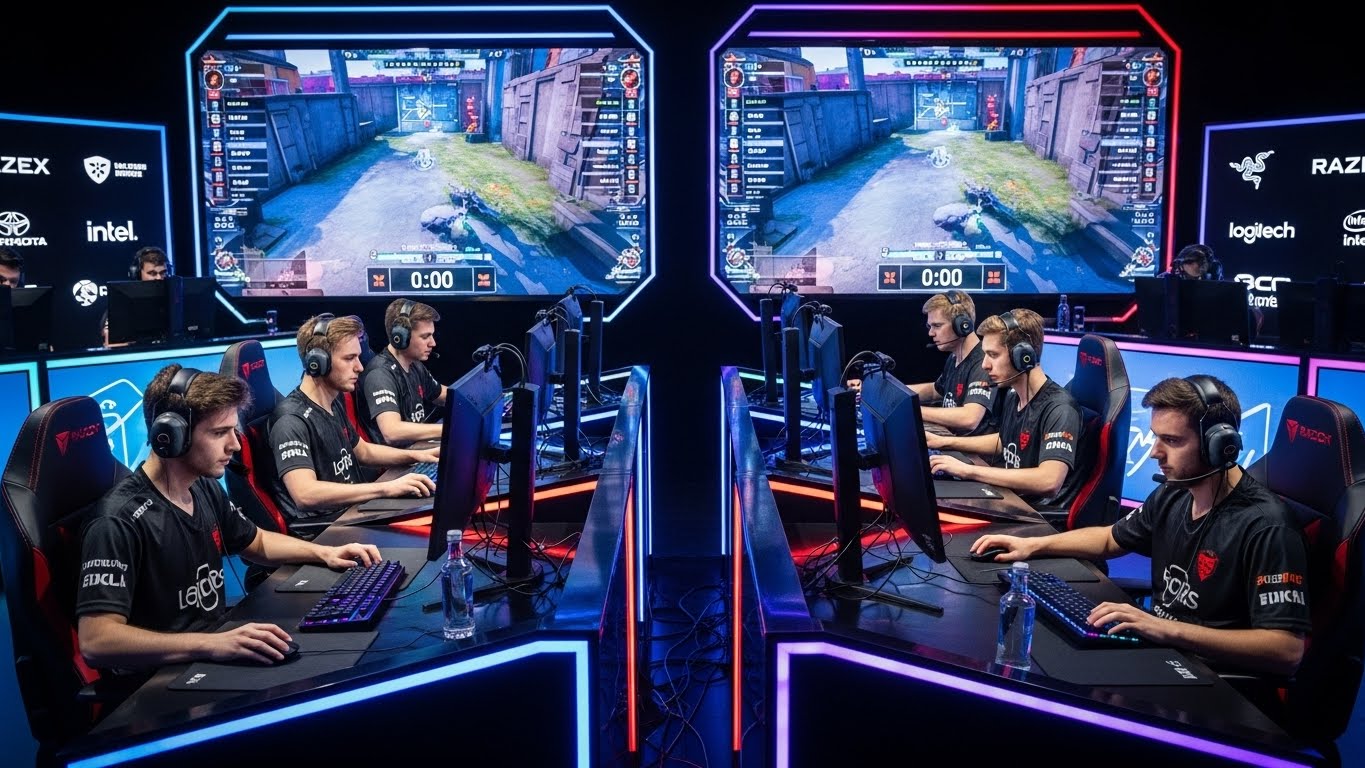
At its core, esports is competitive video gaming. Just like traditional sports, players or teams compete against one another in a series of matches, with the goal of winning through skill, strategy, and teamwork. Unlike casual gaming, esports requires a high level of dedication, practice, and skill to succeed, often involving complex game mechanics and tactical decision-making.
Esports spans multiple genres of games, but the most popular titles tend to fall into a few specific categories, such as first-person shooters (FPS), multiplayer online battle arena (MOBA) games, real-time strategy (RTS) games, and sports simulation games. These games allow players to compete against each other in online or offline tournaments, with professional leagues, prize pools, and sponsors fueling the competitive scene.
The Origins of Esports: From LAN Parties to Professional Leagues
The roots of esports can be traced back to the early 1990s when gamers began to compete against one another in local area network (LAN) tournaments. These tournaments were usually small, community-driven events where players would connect their computers to a local network to battle each other in games like Doom or Warcraft. LAN parties became the birthplace of competitive gaming, with players gathering in basements, dorm rooms, or community centers to test their skills against others.
The idea of esports as a more formalized competitive industry began to take shape in the late 1990s and early 2000s. As internet speeds improved and online gaming became more widespread, tournaments began to move beyond local LAN events and into the global arena. One of the first major esports tournaments was the Red Annihilation tournament in 1997, a competition for the first-person shooter Quake. The event attracted a large number of competitors and garnered significant attention from both players and the media, signaling that there was potential for video games to become a spectator sport.
In 2000, the introduction of StarCraft: Brood War in South Korea marked a turning point for esports. The game became immensely popular in the country, and professional leagues like the Korean e-Sports Association (KeSPA) were formed. These leagues would go on to shape the structure of esports competitions as we know them today. South Korea, often seen as the birthplace of modern esports, became the epicenter of the esports movement, with television broadcasts of StarCraft tournaments drawing massive audiences. It was here that esports began to gain the legitimacy and recognition needed to grow into the massive industry it is today.
The Global Growth of Esports
Esports has grown exponentially since its early days, with professional leagues, international tournaments, and sponsorship deals becoming an integral part of the industry. By the mid-2010s, esports had become a multi-billion-dollar industry, with revenue generated through sponsorships, media rights, ticket sales, merchandise, and advertising. Major brands from outside the gaming world began to take notice, with companies like Coca-Cola, Intel, Red Bull, and Adidas investing heavily in esports teams and tournaments.
The rise of streaming platforms like Twitch and YouTube Gaming also played a major role in the growth of esports. These platforms allowed fans to watch their favorite players and teams compete in real time, leading to the creation of dedicated esports communities. In 2013, Twitch alone was responsible for more than 12 billion minutes of gameplay watched, demonstrating the enormous potential for gaming content to attract a global audience.
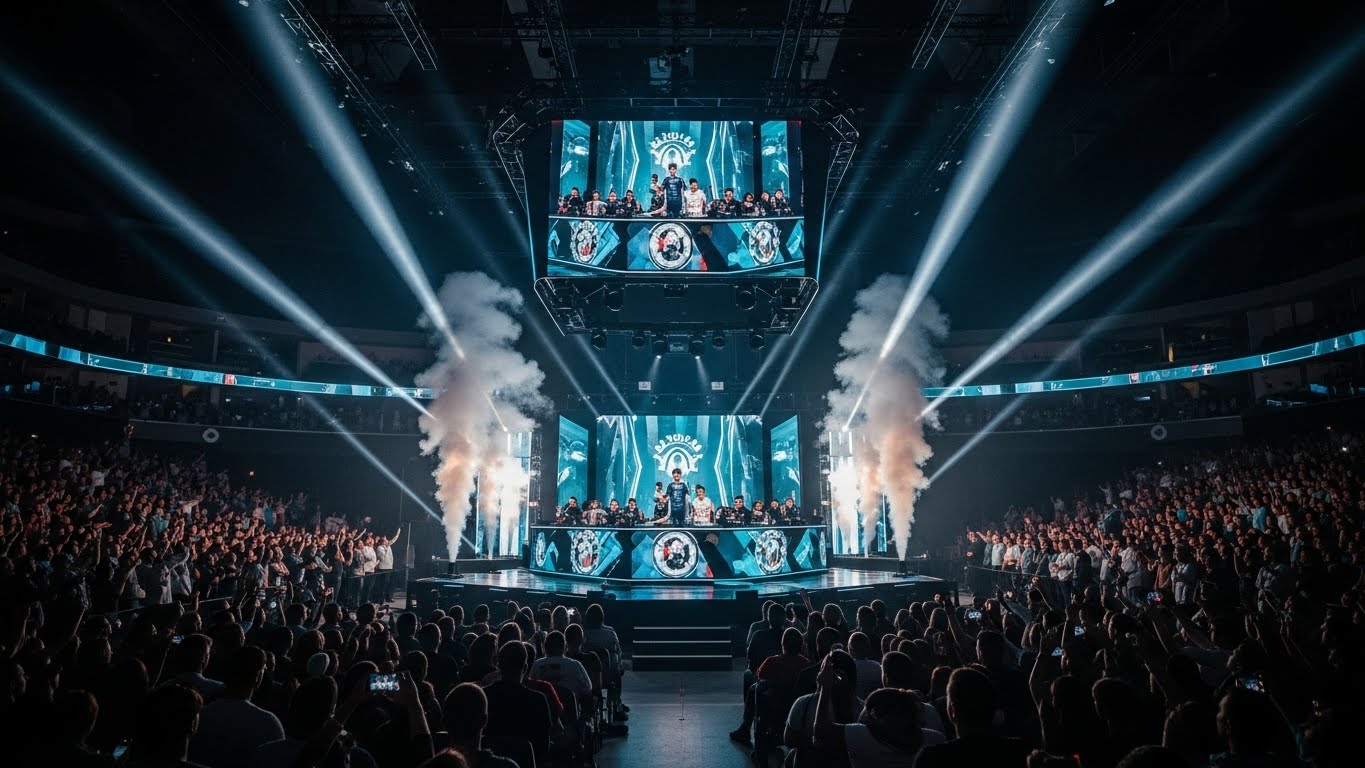
One of the most significant milestones in esports’ rise to prominence was the creation of the League of Legends World Championship. Held annually since 2011, this tournament has become one of the biggest events in esports, attracting millions of viewers from all around the world. The 2018 League of Legends World Championship Finals, for example, drew more than 200 million viewers across the globe. The growing visibility of these tournaments has helped esports earn recognition as a legitimate form of entertainment, comparable to traditional sports.
The Impact of Esports on Popular Culture
Esports has had a profound impact on popular culture, influencing not only the gaming community but also the wider world of entertainment. Many esports players have become household names, with some even achieving celebrity status. Players like Faker (Lee Sang-hyeok), Ninja (Tyler Blevins), and shroud (Michael Grzesiek) are recognized by millions of fans and have built successful careers as both players and influencers.
Esports has also become a significant part of the mainstream media landscape. Major broadcasters such as ESPN, TBS, and ABC have begun airing esports tournaments, while dedicated esports networks like ESL and Mile High Esports have emerged to cover events. In some cases, esports competitions have even been held in traditional sports arenas, such as the Wembley Arena in London or the Staples Center in Los Angeles, further legitimizing esports as a major entertainment industry.
Esports has also influenced the world of traditional sports. Many sports teams, including major franchises in the NBA, NFL, and European football, have started to invest in esports, forming their own teams and participating in leagues. The NBA’s Philadelphia 76ers even purchased an esports organization, Team Dignitas, in 2016. As traditional sports organizations embrace the growing esports trend, the line between the two forms of entertainment continues to blur.
The Esports Ecosystem: Games, Teams, and Tournaments
The world of esports is incredibly diverse, with a wide range of games and genres to suit every type of player. Some of the most popular esports titles include:
- League of Legends (LoL): A multiplayer online battle arena (MOBA) game where two teams of five players compete to destroy the opposing team’s base. LoL has one of the largest esports scenes globally, with multiple professional leagues and tournaments.
- Counter-Strike: Global Offensive (CS: GO): A first-person shooter game that pits two teams against each other as terrorists and counter-terrorists. CS: GO has been a staple of esports for many years, with major tournaments like ESL One and DreamHack attracting top-tier talent.
- Dota 2: Another MOBA game, Dota 2 is known for its complexity and strategic depth. The The International (TI) tournament is one of the largest esports events globally, offering multi-million-dollar prize pools.
- Overwatch: A team-based first-person shooter with unique characters and abilities. The Overwatch League (OWL) has become one of the premier esports leagues, with professional teams from around the world competing in city-based franchises.
- Call of Duty (CoD): A first-person shooter series with a long history in competitive gaming. The Call of Duty League is the official league for the game, featuring top teams from around the world.
Esports teams are a vital part of the competitive gaming ecosystem. These teams are often composed of highly skilled players who train and compete together in professional tournaments. Just like in traditional sports, esports teams have coaches, analysts, and managers to help players improve their strategies and performance. Teams compete in regional and international leagues, with prize money, sponsorships, and fan support driving the competitive spirit.
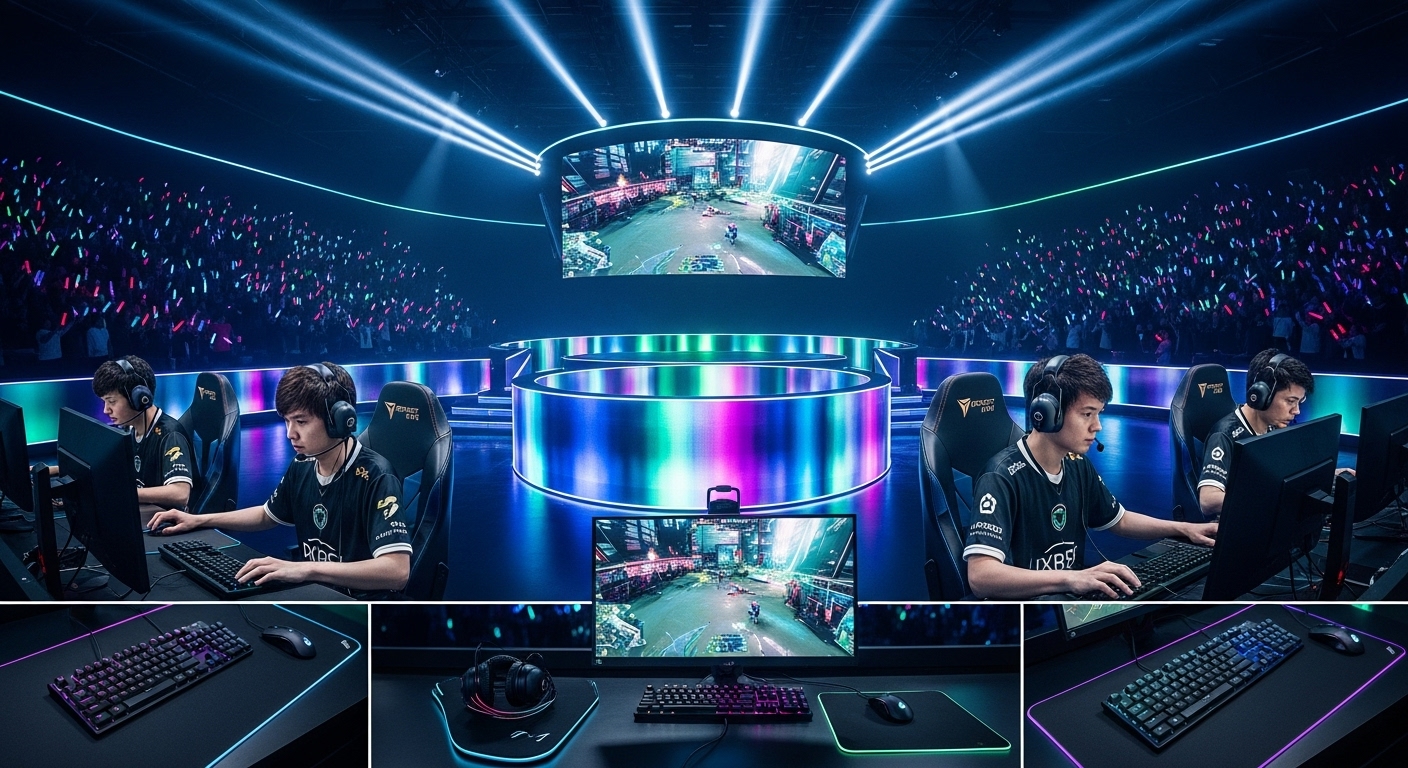
The most prestigious esports tournaments often feature a combination of online qualifiers and live events, with the best teams from around the world battling for glory. These tournaments are often streamed online and broadcast to millions of viewers. In addition to prize money, esports tournaments often offer major sponsorship deals and advertising revenue, creating a thriving ecosystem for players, teams, and organizations.
The Future of Esports
The future of esports is incredibly bright. With the continued growth of online gaming, improvements in technology, and the increasing popularity of live streaming, esports is well-positioned to continue its upward trajectory. As more people become interested in competitive gaming, the reach of esports will only expand, with new games and new regions of the world becoming major players in the industry.
One of the most exciting developments in the esports world is the potential for virtual reality (VR) and augmented reality (AR) gaming to play a larger role in the industry. These technologies could bring new levels of immersion and excitement to competitive gaming, allowing players and spectators to experience tournaments in entirely new ways.
Another key area for growth is esports in education. Many universities around the world are beginning to offer esports scholarships, and academic programs are emerging that teach students the skills needed to succeed in the esports industry. As esports becomes more integrated into educational institutions, it may pave the way for a new generation of professionals who work in fields ranging from game design and production to esports management and broadcasting.
Conclusion: Esports as a Cultural Force
Esports has transformed from a small, niche activity into a massive global industry that rivals traditional sports in terms of viewership, sponsorship, and fan engagement. The competitive gaming scene has created opportunities for players, teams, and organizations to thrive, and it continues to inspire millions of fans around the world. With the rise of streaming platforms, professional leagues, and international tournaments, esports is more than just a pastime—it’s a cultural force that is here to stay.
As the industry continues to grow, esports will undoubtedly evolve, and we will see new innovations that further enhance the spectator experience and the professional opportunities available within the esports ecosystem. Whether it’s through new games, cutting-edge technology, or global