Esports has rapidly transformed from a casual hobby to a major global industry, pushing the boundaries of entertainment, competition, and digital culture. Once considered a niche interest, competitive gaming is now watched by millions, supported by professional organizations, and recognized as a legitimate sport across the world. Its rise represents a blend of technology, passion, and innovation that continues to reshape the landscape of modern entertainment. This blog explores the journey of esports, its cultural influence, the skills behind the competition, and the future it promises.
The Birth of Competitive Gaming
The history of esports began with the earliest days of video games. Back in the arcade era, players challenged each other to achieve the highest score on simple but addictive machines. These head-to-head rivalries were the first sparks of competitive gaming. As home consoles and computers gained popularity, multiplayer games allowed friends to compete directly, building local communities of players who loved to test their skills.
LAN parties, where players gathered in one physical place to connect their computers and compete, played a key role in shaping competitive gaming. These gatherings created a sense of camaraderie and excitement, laying the foundation for organized tournaments. Although small in scale, they represented the passion and dedication that would eventually drive esports forward.
The Professionalization of Esports
The major turning point for esports came when competition moved from casual gatherings to organized events with rules, structures, and prizes. Developers and sponsors recognized the potential of competitive gaming and began investing in tournaments. As games became more complex and multiplayer features became more sophisticated, the demand for skilled players increased.
Teams emerged, offering players coaching, training schedules, resources, and salaries. Organizations hired managers, analysts, and support staff to help players perform at their best. This professionalization transformed esports into a career path rather than a hobby. Tournaments grew larger, prize pools expanded, and players gained recognition as professional athletes with devoted fanbases.
The Rise of Global Esports Tournaments
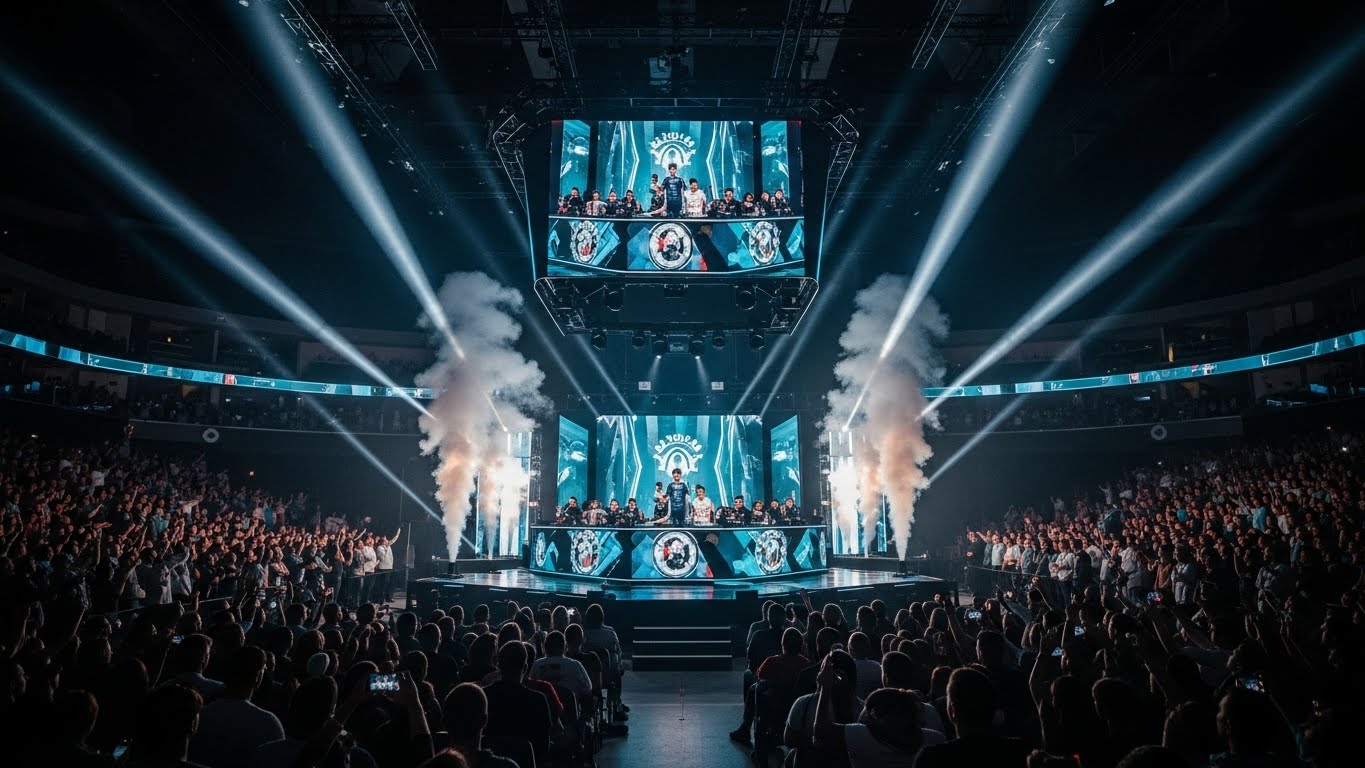
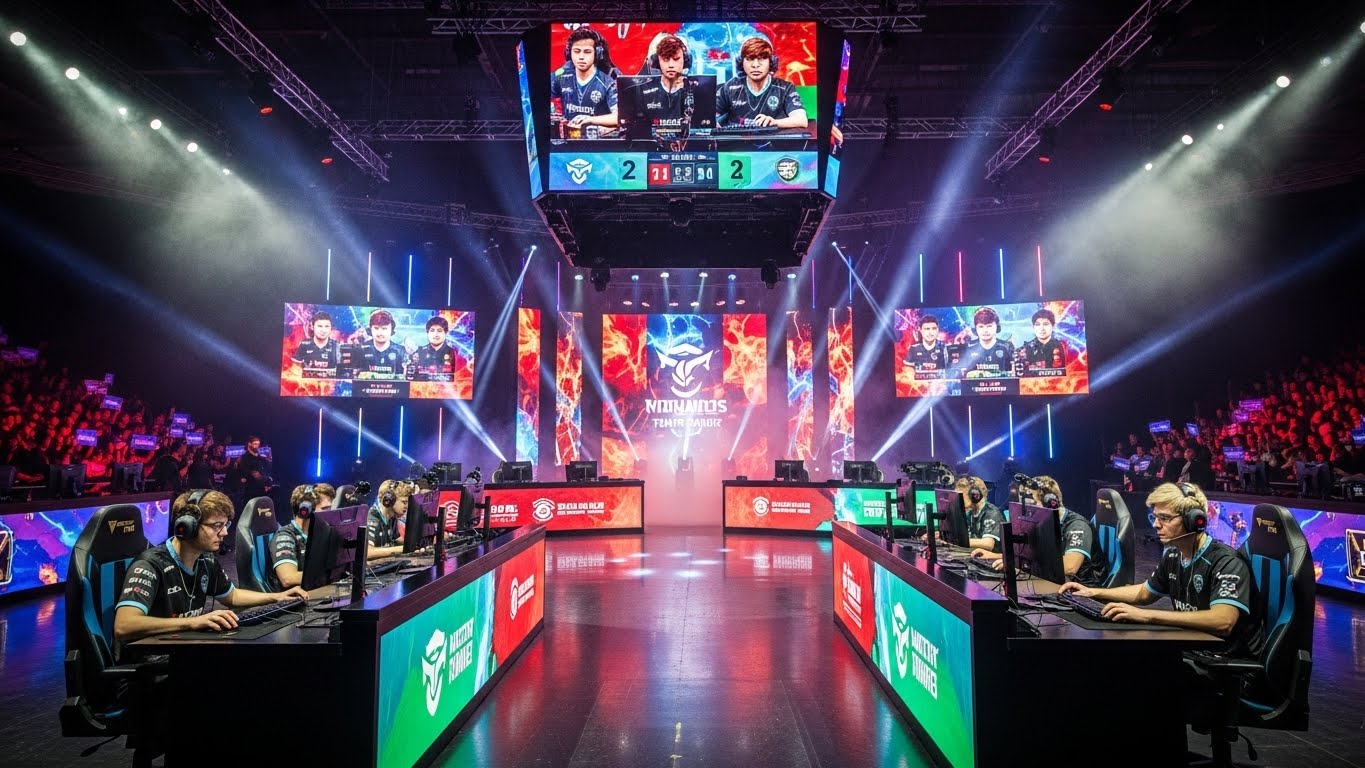
Esports tournaments today rival traditional sports in scale and excitement. Events fill stadiums, attract millions of viewers online, and become cultural milestones for fans. These tournaments showcase the intensity, strategy, and teamwork required to compete at the highest level.
International competitions bring together players from different regions, turning esports into a global sport that transcends borders. Fans rally behind their favorite teams and players, creating a passionate and diverse community. The spectacle of live events, complete with commentary, analysis, and dramatic moments, demonstrates how powerful esports has become in the entertainment world.
The Influence of Technology on Esports Growth
Technology has been one of the driving forces behind the rise of esports. High-speed internet allows players from around the world to compete in real time. Advances in graphics and performance make games more immersive and visually appealing to spectators. Improvements in game design also contribute to a more balanced and competitive experience, which is essential for high-level play.
Broadcasting technology has further boosted esports growth. High-definition streams, instant replays, slow-motion highlights, and professional commentary make esports events engaging and accessible. Fans can watch from anywhere, interact with their favorite players, and connect with communities centered around their preferred games.
The Impact of Streaming and Digital Audiences
Streaming platforms changed esports more than any other technological advancement. They gave players a stage to showcase their skills, personalities, and daily training routines. Fans gained unprecedented access to their favorite players, watching their gameplay and learning from them. This close connection between players and their audience helped create loyal and active fan communities.
Streaming also gave rise to content creators who blend entertainment with gameplay. Some of these creators become esports professionals, while others become influential figures in the gaming world. Their presence expands the reach of esports and helps introduce competitive gaming to new audiences. Streaming is not just a broadcasting tool; it is a cultural space where players, fans, and communities thrive.
The Skills Behind Esports Competition
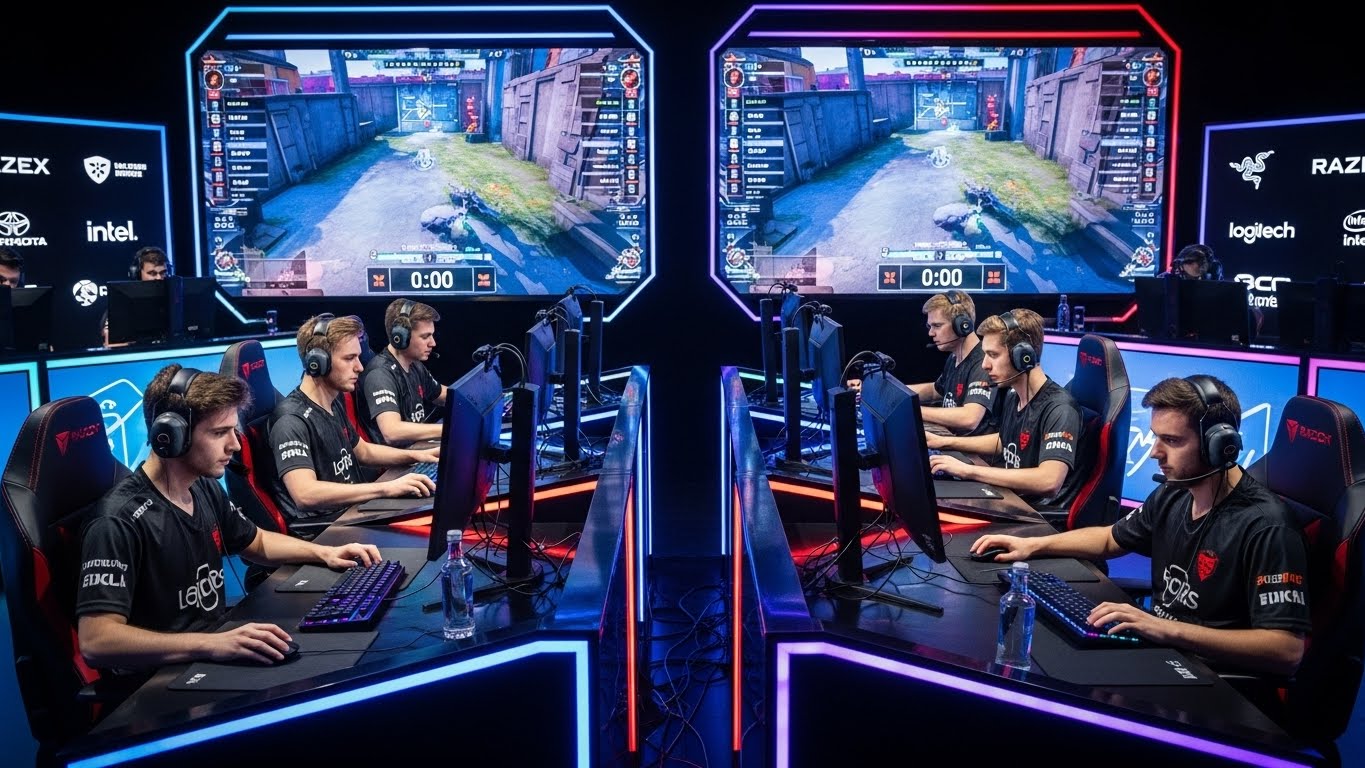
Esports requires a unique combination of physical and mental skills. While the movements are not the same as traditional sports, the demands on reflexes, decision-making, coordination, and concentration are just as intense. Professional players react within milliseconds, analyze evolving situations, and make strategic choices under extreme pressure.
Team-based games demand communication, synergy, and trust between players. Teams spend countless hours practicing strategies, analyzing opponents, and refining their coordination. Esports also requires emotional control, as players must remain calm and focused despite high-stakes situations. This combination of discipline, intelligence, and teamwork shows that esports athletes are highly trained competitors deserving of recognition.
The Economic Expansion of Esports
Esports has grown into a multibillion-dollar industry supported by sponsorships, merchandise, advertising, media rights, and ticket sales. Major companies invest in esports teams and events, recognizing the value of connecting with gaming audiences. Prize pools reach impressive amounts, attracting more players to pursue esports as a career.
Teams operate like professional sports organizations, with branding, merchandise, training facilities, and global fanbases. The industry also supports a wide range of jobs beyond players and coaches. Commentators, analysts, event organizers, graphic designers, strategists, marketing experts, and production crews all contribute to the success of esports.
Educational institutions now offer scholarships and academic programs focused on esports, creating new pathways for students. This expansion highlights how esports has become an important part of modern culture and a viable economic force.
Esports and Global Cultural Impact
Esports is more than a competitive activity; it is a cultural phenomenon that shapes the identity of millions of people around the world. It influences fashion, music, social interactions, and entertainment trends. Esports players and teams often become icons, inspiring fans through their skill, charisma, and dedication.
Esports also acts as a bridge between cultures. Players from different countries compete on the same teams, interact with international fans, and represent diverse backgrounds. This global connection creates unity and shared excitement among people who might never meet in person but bond through their love for competitive gaming.
The Social Communities of Esports
Esports communities are one of the most powerful aspects of the industry. Fans gather online to discuss strategies, watch games together, and support their favorite teams. These communities create friendships and social connections that extend beyond gaming. Whether through forums, social media, or in-game communication, esports brings people together in meaningful ways.
Local gaming clubs and esports centers are also emerging, offering players spaces to practice, compete, and socialize. These environments help young players develop teamwork, confidence, and leadership skills. Esports is not just entertainment; it is a social experience that fosters belonging.
The Future of Esports and Digital Competition
The future of esports is filled with potential as technology and gaming culture continue to evolve. Virtual reality and augmented reality may introduce new types of competitions, while artificial intelligence could enhance training methods and spectator experiences. Mobile gaming will likely expand esports even further, reaching countries where traditional gaming setups are less accessible.
Traditional sports organizations are increasingly partnering with esports teams, recognizing the industry’s growing influence. As this collaboration expands, esports may play an even larger role in mainstream sports culture.
The future will also bring better player support systems, including mental health programs, structured contracts, and long-term career planning. As the industry matures, it will continue to refine and professionalize to support players and fans alike.
Conclusion: A Sport Built for the Digital Age
Esports represents the future of competition, entertainment, and global culture. Its growth reflects the power of community, technology, and human passion. From small gatherings of dedicated players to massive, worldwide tournaments, esports has rewritten the limits of what modern sports can be.
Its influence spans generations and continents, proving that competition does not need a physical field to inspire excitement, skill, and unity. Esports is a sport built for the digital age, and its evolution is far from over. As games, technology, and audiences grow, so will the energy and innovation that define this incredible industry.