Introduction: The Rise of a Digital Revolution
In the last two decades, esports has evolved from a niche pastime to a global entertainment powerhouse. What began as small gaming tournaments held in crowded internet cafés has become a billion-dollar industry that captivates millions of fans worldwide. The growth of esports is not just about playing video games; it represents a cultural shift that has redefined how people perceive competition, entertainment, and even careers. Today, esports stands shoulder to shoulder with traditional sports, drawing massive audiences, sponsorships, and fame for its top players.
The Origins of Esports: From Arcades to Global Arenas
The story of esports begins in the late 1970s and early 1980s, when video games like Space Invaders and Pac-Man introduced the world to digital competition. These early tournaments were small but sparked the first glimmers of organized gaming events. As technology improved and multiplayer games became more sophisticated, the idea of competitive gaming gained traction. By the 1990s, titles like Doom, Quake, and StarCraft began attracting dedicated fanbases, with professional players emerging as pioneers in this new field.
In South Korea, the concept of esports exploded in the early 2000s, largely due to the popularity of StarCraft. Internet cafés, known as PC bangs, became the hubs of competitive gaming. Televised matches and corporate sponsorships soon followed, creating a professional environment where players could make a living by mastering their craft. What happened in South Korea became the blueprint for the global esports industry that would emerge in the years to come.
The Evolution of Competitive Gaming
As the internet became faster and more accessible, online multiplayer games transformed the landscape of competitive gaming. Titles like Counter-Strike, Dota 2, League of Legends, and later Fortnite became the pillars of modern esports. Each of these games brought unique mechanics, fan cultures, and professional scenes. Teams began forming across the world, competing in leagues and tournaments that offered million-dollar prize pools.
Esports organizations became more structured, adopting models similar to traditional sports teams. Coaches, analysts, managers, and training schedules became part of the norm. The professionalism of these organizations helped legitimize esports as a serious form of competition, not just a casual hobby.
Esports as a Global Spectacle
One of the defining features of esports is its global reach. Unlike traditional sports that often rely on regional popularity, esports transcends geographical boundaries. A player in Pakistan can compete against someone in Sweden in real-time, fostering a sense of unity through digital competition. Major tournaments such as The International for Dota 2 and the League of Legends World Championship attract millions of viewers from across the globe.
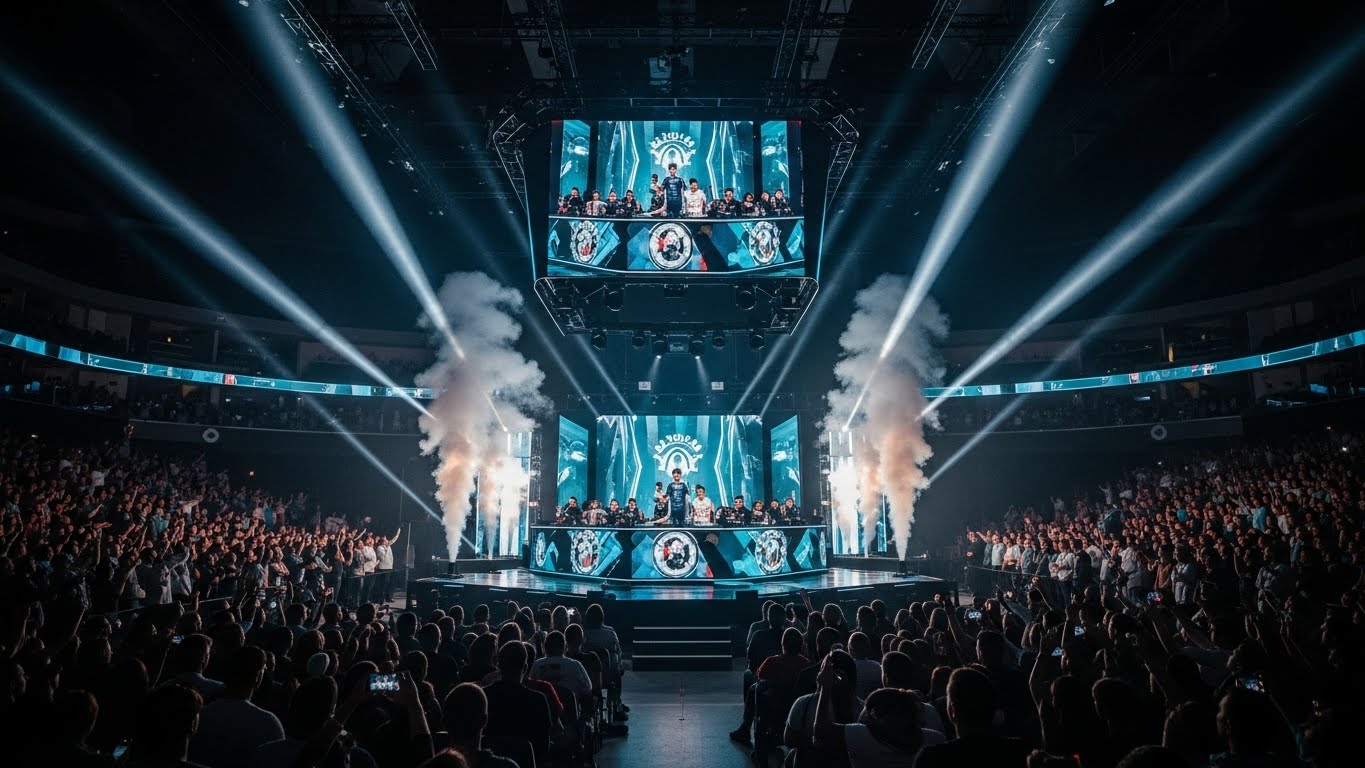
Live-streaming platforms have further amplified the reach of esports. Fans can watch their favorite players and teams compete from anywhere, making esports one of the most accessible forms of entertainment in the modern era. Esports events now fill massive stadiums, with audiences cheering just as passionately as they do in football or basketball arenas.
The Business Behind Esports
Behind the flashing lights and roaring crowds lies a highly organized business ecosystem. Sponsorships, advertisements, ticket sales, merchandise, and streaming rights make up the financial foundation of esports. Global brands from technology, fashion, and even food industries invest heavily in esports teams and events to reach the young, tech-savvy audience that esports attracts.
Esports has also opened new career paths beyond professional gaming. Commentators, known as casters, analyze matches with the same enthusiasm as sports commentators. Event organizers, production teams, and marketing professionals play vital roles in creating seamless experiences for fans. The growth of esports has proven that it is not merely about playing games—it is an entire industry with diverse opportunities.
The Players: Modern-Day Digital Athletes
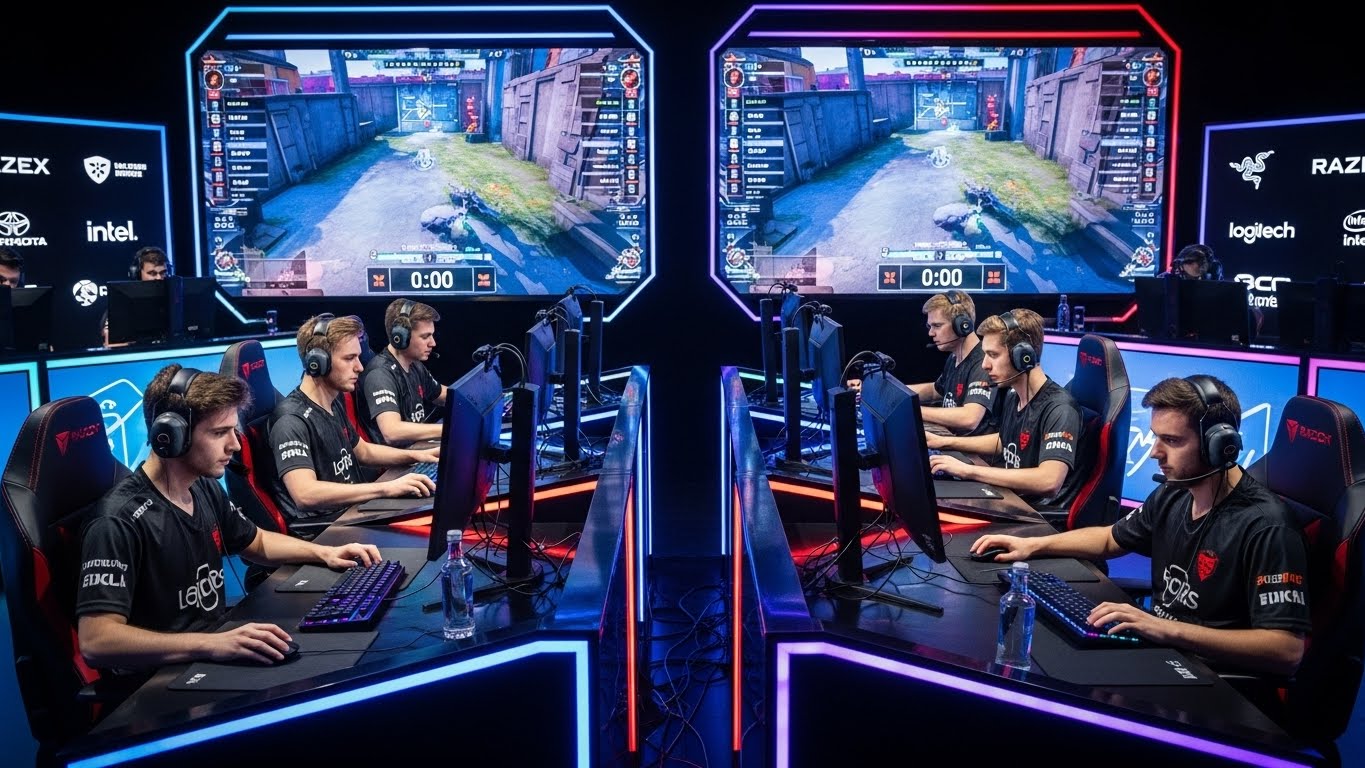
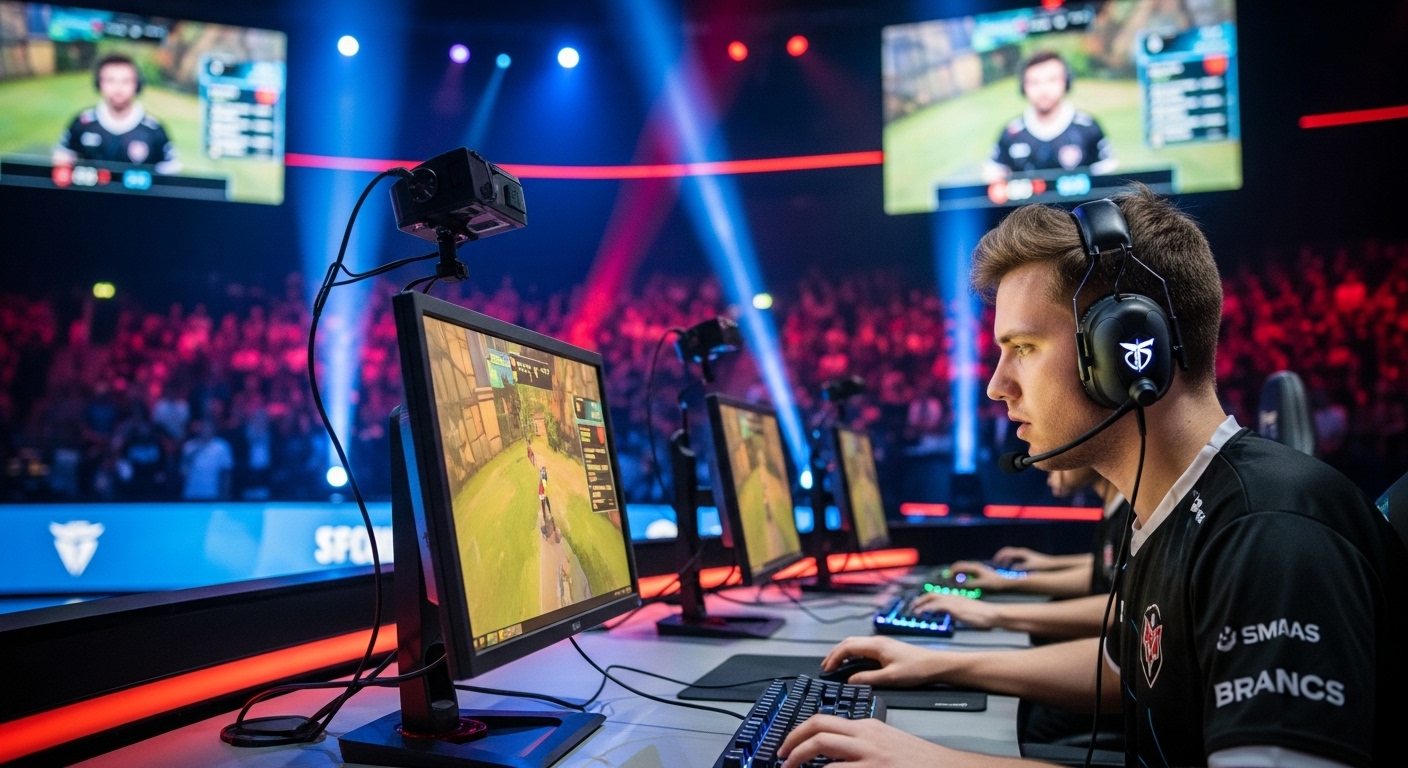
Professional esports players are often compared to traditional athletes, and rightly so. They undergo intense training sessions, practice for long hours, and maintain strict schedules to stay at the top of their game. Reaction time, strategic thinking, and teamwork are essential skills that players continuously refine.
The average professional gamer’s career is relatively short, often peaking in their twenties. However, the dedication and discipline required to compete at the highest level mirror that of any professional sport. Many players also transition into coaching, content creation, or team management once their competitive careers end, ensuring longevity within the industry.
Esports and Education: A New Academic Frontier
As esports continues to gain recognition, educational institutions have begun integrating gaming programs into their curricula. Universities across the world now offer scholarships to talented gamers, viewing esports as a legitimate extracurricular and academic pursuit. Courses in game design, esports management, and broadcasting are preparing students for careers in this growing field.
In some countries, esports has even been recognized as an official sport, with government support and organized leagues at the national level. This acknowledgment underscores the importance of esports not only as entertainment but also as a viable career and academic discipline.
The Cultural Impact of Esports
Esports has changed how people connect and communicate. It has created a shared digital culture where individuals from different backgrounds come together through their love for gaming. Online communities form around teams, players, and games, creating a sense of belonging that transcends physical borders.
Moreover, esports has challenged outdated stereotypes about gaming. It has proven that gamers can be professional, disciplined, and influential. The rise of gaming influencers and streamers has also blurred the lines between competition and entertainment, giving fans more ways to engage with their favorite games and personalities.
Challenges in the Esports Industry
Despite its tremendous growth, esports faces several challenges. Player burnout, inconsistent regulations, and issues like cheating or match-fixing continue to threaten the integrity of competitive gaming. The fast-paced nature of the industry means that new games can rise and fall rapidly, making long-term sustainability a constant concern for organizations.
There are also discussions around inclusivity and representation within esports. While the community has grown more diverse, there is still a need for broader participation from underrepresented groups. Ensuring fair play, ethical practices, and mental health support for players are crucial steps toward a more sustainable and equitable esports environment.
The Future of Esports: Beyond Screens
The future of esports looks brighter than ever. With advancements in virtual reality, augmented reality, and artificial intelligence, competitive gaming is set to evolve in ways we can hardly imagine. Imagine esports arenas where players compete in immersive digital environments or fans experience matches through VR headsets as if they were standing beside their favorite players.
Esports is also likely to become an integral part of mainstream sports culture. Collaborations between traditional sports leagues and gaming organizations are already becoming common. As technology continues to advance, the boundaries between physical and digital sports will continue to blur.
Conclusion: The New Age of Digital Competition
Esports is more than a trend—it is a cultural and technological phenomenon reshaping how the world views competition and entertainment. From humble beginnings in arcades to massive global tournaments filling arenas, esports represents the power of innovation, community, and passion.
It has created new heroes, new careers, and new possibilities for millions around the world. As the industry continues to expand, esports will undoubtedly remain a defining feature of the 21st century, standing as proof that digital worlds can inspire real-world connections, dreams, and achievements.
In this new age of digital competition, the players are not just gamers—they are athletes, entertainers, and pioneers of a global movement that continues to push the boundaries of what sport can mean in the modern world.