Esports has transformed from a niche pastime into a global entertainment powerhouse, captivating millions across continents. What was once viewed as simple recreation has evolved into a professional industry where skill, strategy, and split-second decision making are showcased on grand stages. This blog explores the journey, culture, growth, and future of esports in an engaging and informative way, offering a full picture of why competitive gaming has become one of the world’s fastest-growing sports.
The Evolution of Competitive Gaming
Competitive gaming did not emerge overnight. Its roots trace back to small-scale arcade contests and early computer tournaments. What was initially friendly rivalry among enthusiasts gradually took form as organized competitions. As internet access expanded, so did the competitive space, enabling players from different corners of the world to compete in real time.
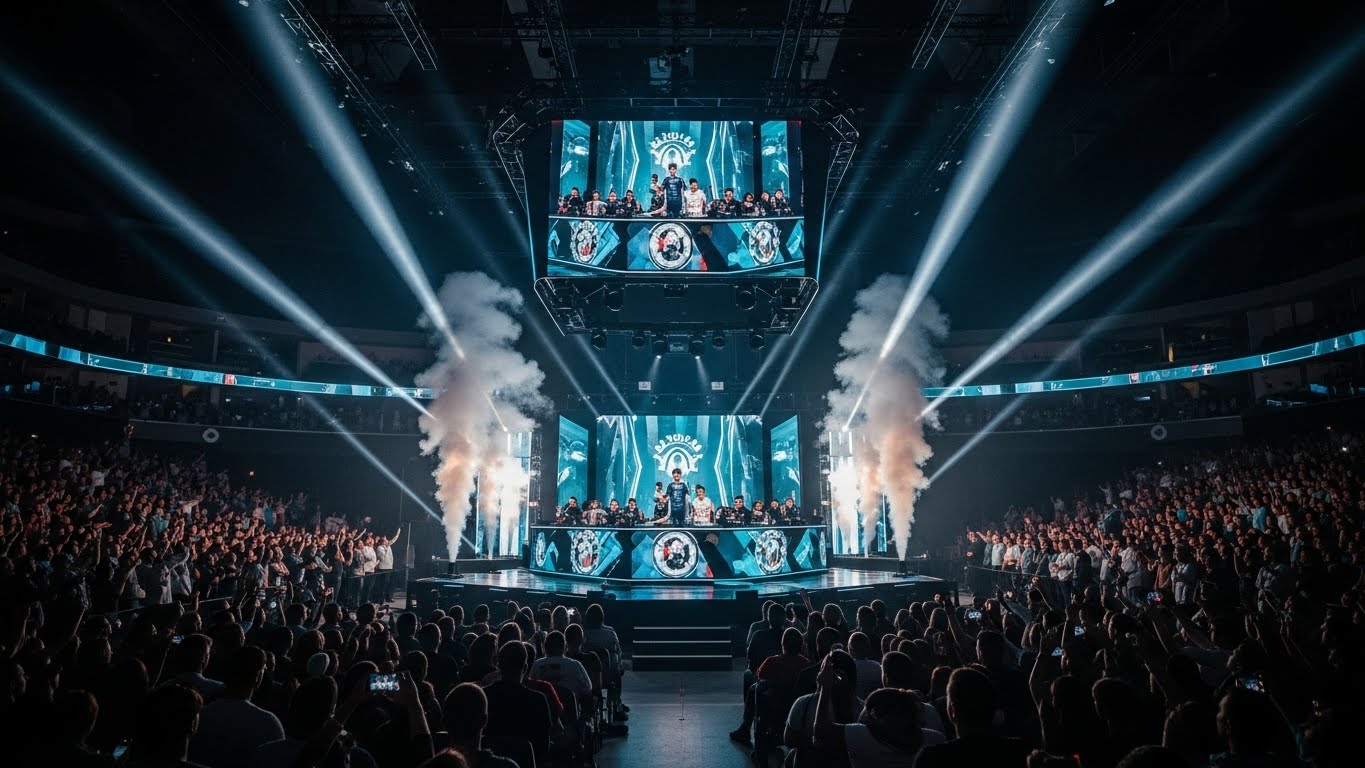
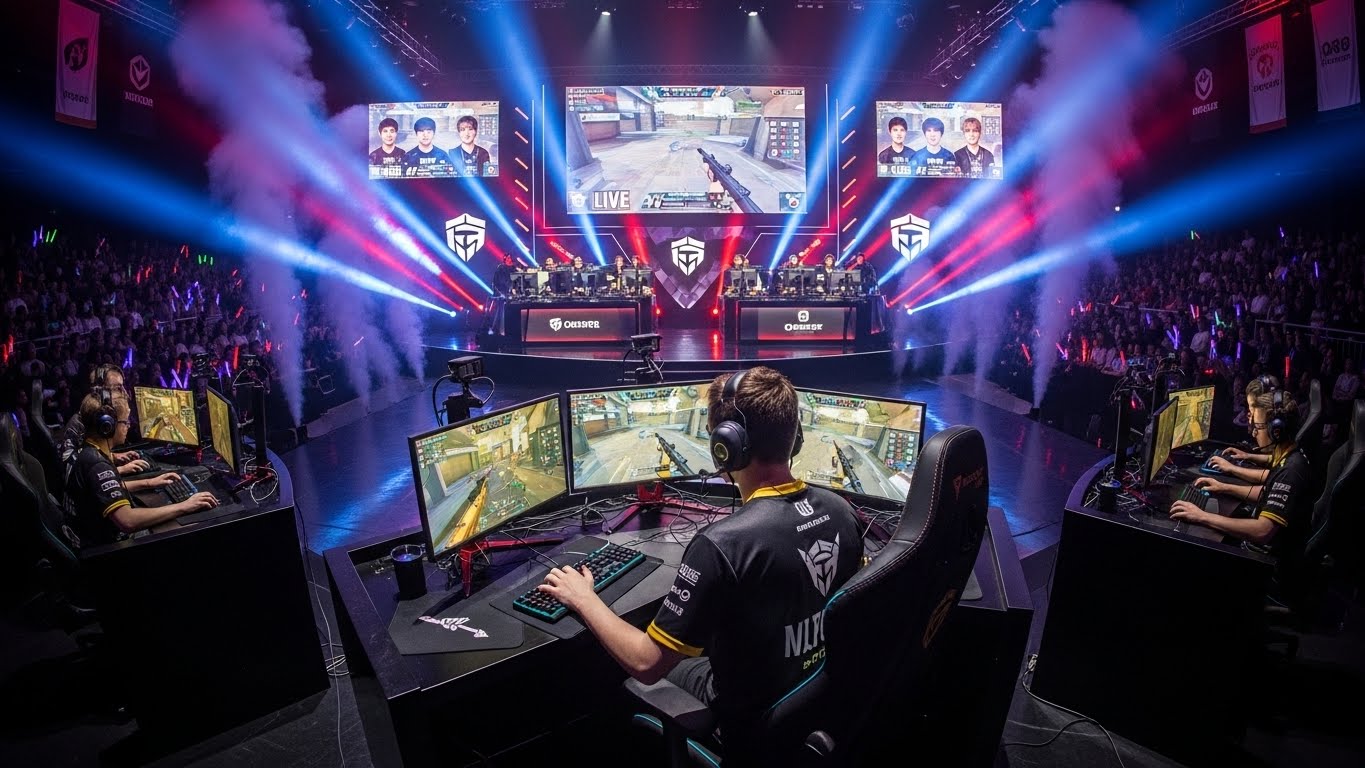
In the past, competitions were informal gatherings, but today, esports events fill entire arenas. State-of-the-art production value, professional commentators, and polished broadcasts make these events comparable to traditional sports spectacles. The evolution from simple local matches to global tournaments represents a monumental cultural and technological transition.
How Esports Became a Cultural Force
Esports stepped into mainstream consciousness as gaming itself became a dominant form of entertainment. Modern video games are more complex and visually impressive than ever, offering a perfect blend of strategy and creativity. This complexity has provided fertile ground for competitive scenes to flourish.
Much like traditional athletes, professional gamers now serve as influencers and icons. Their journeys, struggles, and victories resonate with millions of fans. Esports has become its own cultural movement, shaping fashion, music, community discussions, and even career aspirations. Many young individuals now dream of becoming professional gamers or content creators, drawn by the allure of fame, creativity, and competition.
The Rise of Professional Esports Organizations
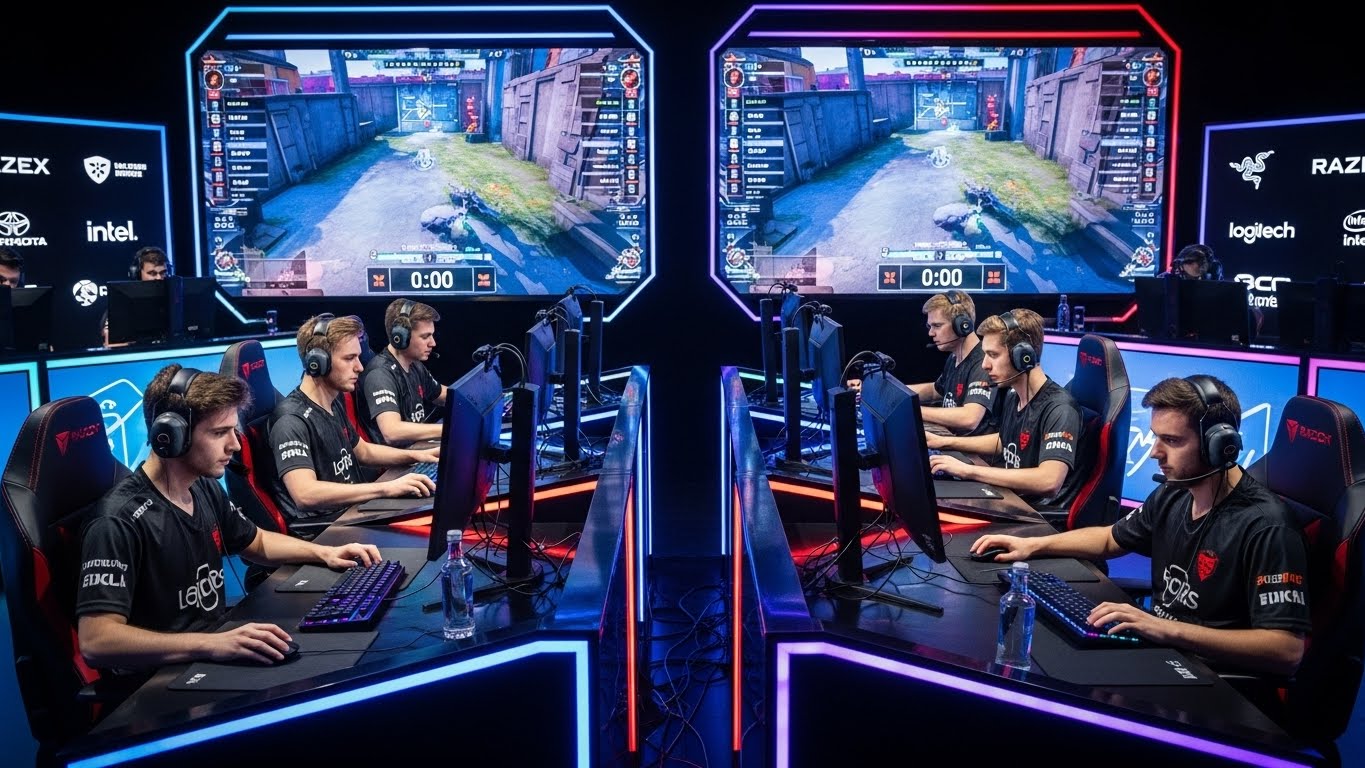
As esports gained traction, professional organizations emerged to support and develop players. These organizations operate much like traditional sports teams, complete with coaches, analysts, nutritionists, and training schedules. Players train rigorously for hours every day, perfecting strategies, improving reaction times, and preparing psychologically for competitions.
With sponsorship deals, salaries, and tournament winnings, esports organizations have built sustainable business models. They invest in player development, team branding, merchandise, and state-of-the-art training facilities. This structured environment ensures that esports is not merely recreational but a legitimate professional field with long-term opportunities.
Major Games Dominating the Esports Scene
Esports is not limited to a single genre. It thrives across a variety of game categories, each with its own fanbase and competitive format. Some of the most influential competitive games include strategy-based titles, team-based shooters, and battle arenas. These games attract massive global audiences due to their dynamic gameplay and constant updates.
The diversity of game genres ensures that esports remains inclusive and appealing to different types of players. Each game cultivates distinct skills, whether strategic thinking, teamwork, precision, creativity, or adaptability. This versatility is one of esports’ greatest strengths, allowing it to continue expanding year after year.
The Global Community Behind Esports
A defining aspect of esports is its incredibly passionate community. Fans follow teams, attend events, discuss strategies, and actively engage with content creators. The community fosters a shared sense of excitement and belonging, connecting people across age groups, cultures, and languages.
Online platforms allow fans to interact directly with players, increasing accessibility in ways traditional sports rarely achieve. Viewers can join live chats, watch behind-the-scenes content, and even participate in community-driven competitions. This continuous engagement strengthens the bond between fans and players, shaping a vibrant and supportive culture.
The Educational and Career Opportunities
Esports has gone beyond entertainment by entering academic and professional fields. Many universities now offer courses related to esports management, game design, broadcasting, and digital media. Scholarships and collegiate teams further emphasize the seriousness of esports as an academic pursuit.
Career paths in esports extend far beyond professional gaming. Individuals can pursue roles in coaching, event production, commentary, content creation, marketing, team management, or even health and performance research. The industry is vast and continues to produce new opportunities as it grows.
Technological Advancements Fueling the Growth of Esports
Technology lies at the heart of esports. High-speed internet, powerful gaming hardware, and advanced software have made competitive gaming more accessible and immersive. Spectators benefit from incredible broadcast quality, including instant replays, interactive overlays, and dynamic commentary that enhances the viewing experience.
Virtual reality, artificial intelligence, and improved streaming technology promise to further elevate esports. These advancements ensure that both players and viewers experience continuously evolving gameplay and production quality, keeping the industry at the cutting edge of innovation.
Training and Discipline Behind the Scenes
While esports may appear effortless to spectators, the truth is quite the opposite. Professional players dedicate countless hours to practice, often maintaining strict schedules similar to athletes in traditional sports. They analyze gameplay, refine decision-making, communicate strategies, and sustain peak mental performance.
Mental discipline is crucial. Players must handle pressure, adapt quickly, and remain calm in high-stakes situations. Physical wellness is also a growing area of focus, with teams implementing workout routines, balanced nutrition, and ergonomic equipment to maintain players’ health.
The Economic Power of Esports
Esports has evolved into a multi-billion-dollar industry supported by sponsorships, merchandise, media rights, ticket sales, and gaming-related products. Major brands have invested heavily in esports, recognizing its potential to reach younger and digitally engaged audiences.
Events often attract viewership numbers surpassing those of traditional sports, proving the vast economic influence of the industry. As investments rise, so do opportunities for players, organizations, and content creators. The financial structure of esports continues to expand, securing its long-term sustainability.
Challenges Facing the Esports Industry
Despite its success, esports faces several challenges. Maintaining player health, ensuring fair competition, managing burnout, and regulating tournaments require continuous attention. As the industry grows rapidly, standardizing rules and improving player protection becomes essential.
Another challenge is maintaining game balance and addressing cheating or exploitation. Developers and tournament organizers must collaborate to create secure and balanced environments that preserve the integrity of competitive play. These hurdles, while significant, are being actively addressed as the industry matures.
The Future of Esports
The future of esports is incredibly promising. With advancements in technology, increasing global interest, and expanding professional opportunities, esports is poised to become an even more influential part of global entertainment. Virtual arenas, enhanced broadcast experiences, and deeper integration with traditional sports may redefine how audiences engage with competition.
More countries are embracing esports, integrating it into educational programs and building specialized facilities. This international expansion ensures that esports will continue to reach new heights in the coming years. As new generations grow up with gaming as a central part of their lives, the esports community will only strengthen.
Why Esports Matters Today
Esports represents more than competitive gaming. It symbolizes creativity, innovation, and connection in the digital age. It brings people together, empowers individuals to pursue unique careers, and pushes technological boundaries. For many, esports is not just entertainment but a source of inspiration and opportunity.
As the industry continues to evolve, it will shape global culture in ways we are only beginning to understand. Whether as a player, fan, or aspiring professional, anyone can find a place in the expanding world of esports.