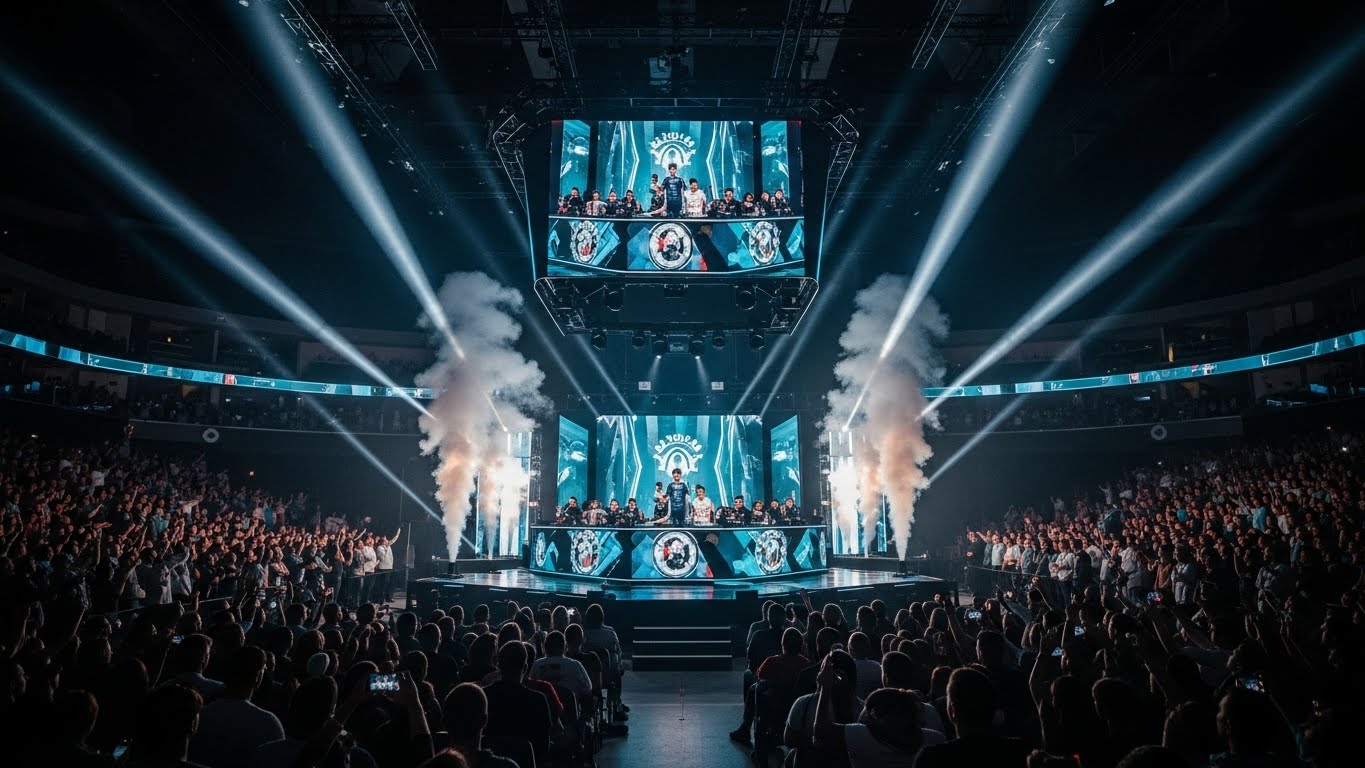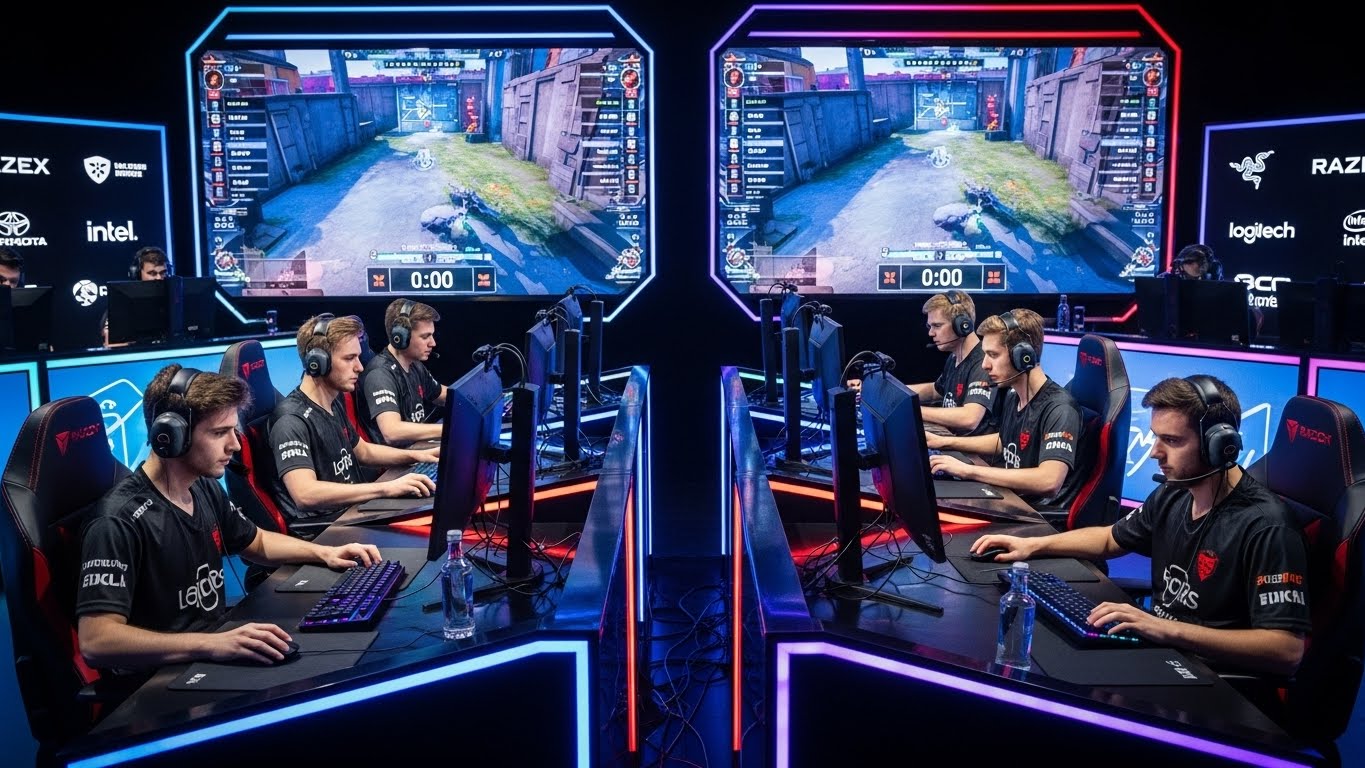
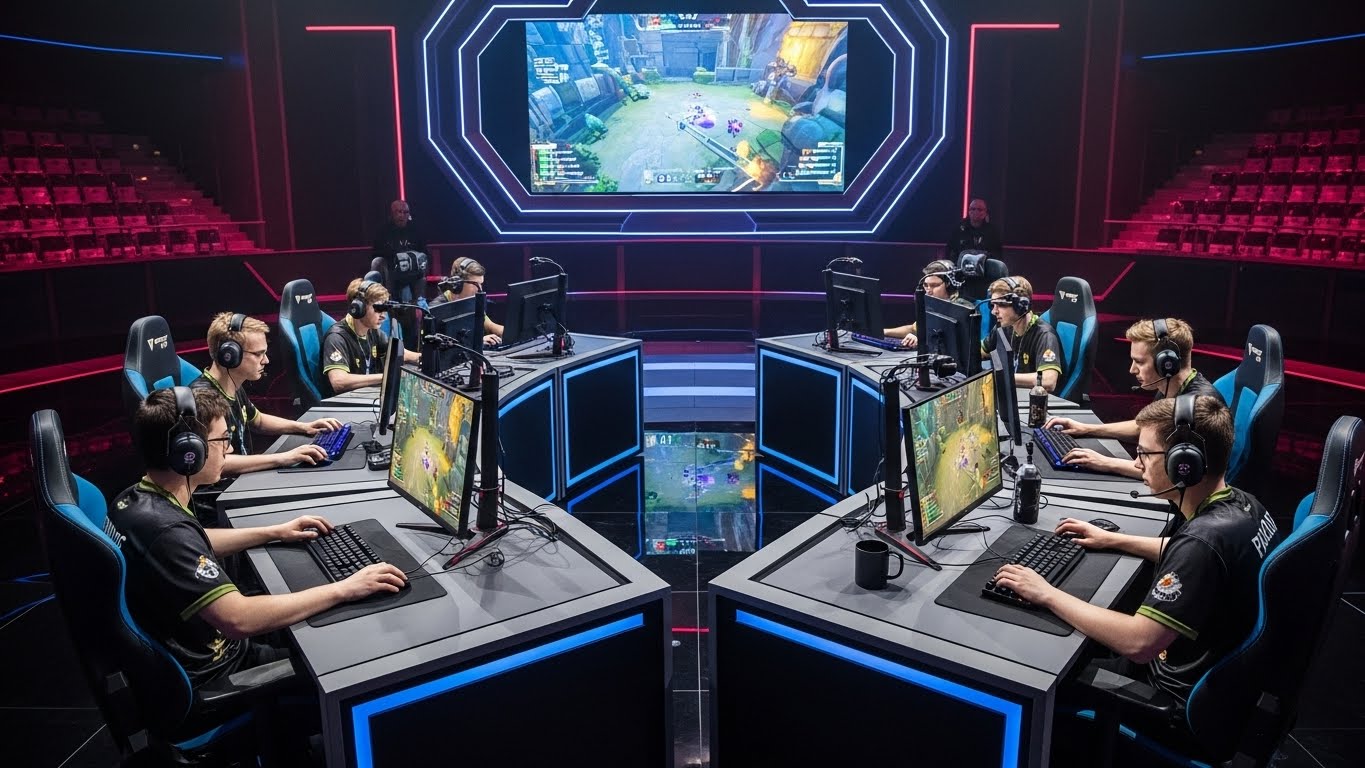
Esports has emerged as one of the most transformative developments in modern entertainment and competition. What once began as informal gaming sessions among friends has evolved into a highly organized, professional industry with global reach. Esports now fills stadiums, attracts millions of viewers, and creates career opportunities that were unimaginable just a few decades ago. It represents a new form of competition where mental agility, strategy, teamwork, and technological mastery define success.
This blog explores the rise of esports, its structure, cultural significance, economic impact, challenges, and its future as a dominant force in digital competition.
Defining Esports in the Modern Era
Esports, short for electronic sports, refers to organized competitive video gaming played at amateur, semi-professional, and professional levels. Unlike casual gaming, esports is governed by structured rules, competitive formats, and official tournaments. Players compete individually or in teams across various game genres, including strategy games, first-person shooters, multiplayer battle arenas, and sports simulations.
Esports competition emphasizes skill, consistency, and preparation. Professional players train rigorously, analyze opponents, and refine strategies to maintain peak performance. Matches are officiated, broadcasted, and followed by dedicated fan bases, making esports a legitimate competitive discipline rather than a recreational activity.
Early Roots of Competitive Gaming
The origins of esports can be traced back to the early days of video gaming. In the late twentieth century, arcade competitions and local tournaments introduced players to competitive play. These events were small in scale but laid the groundwork for organized gaming culture.
As home consoles and personal computers became more widespread, competitive gaming expanded beyond physical locations. The rise of online multiplayer gaming allowed players to compete across cities and countries, forming communities centered on skill and rivalry. These early developments set the stage for esports as a structured and professional industry.
The Growth of Esports on a Global Scale
Esports experienced rapid growth as technology improved and internet access became more reliable. High-speed connections enabled real-time competition, while digital platforms allowed matches to be broadcast to global audiences. International tournaments began attracting millions of viewers, transforming esports into a spectator sport.
Global expansion has made esports one of the most inclusive forms of competition. Players from diverse backgrounds can compete regardless of geography, physical attributes, or age. This accessibility has fueled international fan bases and established esports as a truly global phenomenon.
The Skillset Behind Professional Esports
Success in esports requires a unique combination of cognitive, technical, and emotional skills. Players must possess exceptional reflexes, precision, and hand-eye coordination, especially in fast-paced competitive environments. Strategic thinking and adaptability are equally important, as players must analyze situations and respond instantly to changing conditions.
Team-based esports demand strong communication and collaboration. Players must coordinate movements, share information, and execute strategies under intense pressure. Mental resilience is crucial, as competitions often involve long hours, high stakes, and constant public scrutiny.
Training and Discipline of Esports Athletes
Professional esports players follow disciplined training routines comparable to traditional athletes. Daily schedules often include individual practice, team scrimmages, strategic discussions, and performance reviews. Coaches and analysts support players by identifying weaknesses, refining tactics, and preparing for opponents.
Physical health has become a growing priority in esports. Many teams encourage regular exercise, proper nutrition, and healthy sleep patterns to support cognitive performance and prevent burnout. Mental health is also addressed through stress management techniques and psychological support, recognizing the demanding nature of competitive gaming.
Esports as a Cultural Movement
Beyond competition, esports has become a powerful cultural movement. Gaming communities foster strong social connections, allowing fans and players to share experiences, celebrate achievements, and build lasting relationships. Esports personalities often become cultural icons, influencing trends in fashion, language, and digital expression.
Live tournaments and events create shared moments of excitement and unity, similar to traditional sports championships. These events blend competition with entertainment, featuring commentary, production value, and fan engagement that elevate esports into a mainstream cultural experience.
Career Paths Within the Esports Ecosystem
While professional players are the most visible figures in esports, the industry offers a wide range of career opportunities. Coaches, analysts, team managers, broadcasters, event organizers, marketers, and content creators all contribute to the esports ecosystem.
Behind the scenes, professionals work in game development, data analysis, media production, and community management. Educational institutions and training programs are beginning to recognize esports as a viable career field, preparing individuals for roles that support and expand the industry.
Educational Value of Esports
Esports has found a place within educational environments, from school clubs to university programs. Competitive gaming promotes valuable skills such as teamwork, communication, leadership, and strategic thinking. Students learn how to manage time, handle pressure, and collaborate effectively.
Educational esports programs emphasize balance, encouraging participants to maintain academic performance while engaging in competition. These initiatives help reshape public perception, highlighting esports as a constructive activity that supports personal and professional development.
Economic Impact of the Esports Industry
The esports industry has become a significant contributor to the global economy. Revenue streams include sponsorships, advertising, merchandise, event ticketing, and media production. Large tournaments generate economic activity through tourism, venue operations, and employment opportunities.
Investment in esports infrastructure, such as training facilities and production studios, continues to grow. This economic expansion supports innovation, job creation, and technological advancement across multiple sectors connected to esports.
Challenges Facing Competitive Gaming
Despite its success, esports faces notable challenges. Player burnout remains a concern due to intense training schedules and competitive pressure. Maintaining mental and physical well-being is essential for long-term sustainability.
Ethical issues such as cheating, harassment, and unfair practices threaten competitive integrity. Industry leaders must enforce clear standards, promote respectful behavior, and protect players from exploitation. Accessibility and diversity also remain challenges, as not all regions have equal access to resources and opportunities.
Technology as the Backbone of Esports
Technology is the foundation of esports and continues to shape its evolution. High-performance hardware, advanced software, and reliable network infrastructure ensure fair and competitive play. Data analytics and artificial intelligence are increasingly used to analyze gameplay, improve strategies, and enhance training methods.
Emerging technologies such as virtual reality and cloud-based gaming may redefine how esports competitions are experienced by players and audiences alike. As technology advances, esports will continue to innovate and expand its possibilities.
The Future of Esports Competition
The future of esports is filled with potential. Greater institutional recognition, increased investment, and broader educational support are likely to strengthen the industry’s structure. Esports may continue integrating with traditional sports, entertainment, and media platforms.
Sustainability, inclusivity, and ethical governance will play critical roles in shaping the future. As audiences grow and technology evolves, esports will remain at the forefront of digital competition and global entertainment.
Conclusion: A New Era of Competitive Excellence
Esports represents a new definition of competition in the digital age. It challenges traditional ideas of athleticism by emphasizing mental skill, teamwork, and technological proficiency. From its humble beginnings to its current global prominence, esports has demonstrated its ability to inspire, connect, and create opportunity.
As the digital world continues to expand, esports stands as a symbol of innovation and modern competition. It is not merely a trend but a lasting movement that reflects the evolving relationship between technology, entertainment, and human ambition. The rise of esports marks the beginning of a new era where digital arenas are just as meaningful as physical ones, and the competition is only getting stronger.