
Introduction: The Rise of a New Era in Competitive Entertainment
In recent years, esports has evolved from a niche interest into a global cultural phenomenon. While video games have always been a popular form of entertainment, it’s only in the last two decades that they’ve transformed into a legitimate, professional competition, with millions of fans, substantial prize money, and professional athletes competing at the highest level. Esports is no longer just about fun and recreation; it has become a billion-dollar industry with tournaments, sponsorships, and teams that rival traditional sports in terms of viewership and revenue.
This explosion of growth in esports can be attributed to various factors, including the rise of streaming platforms, the increasing popularity of competitive gaming, and the dedication of both players and fans. In this blog post, we will explore the origins of esports, its rise to prominence, the various games that make up the esports landscape, and the future of this exciting industry.
The Evolution of Esports: From Arcades to Global Stadiums
The roots of competitive gaming can be traced back to the early days of video games in the 1970s. The first documented video game competition took place in 1972, when Stanford University held a contest for the game Spacewar, offering a prize to the winner. However, it wasn’t until the 1990s, with the growth of personal computers and the internet, that esports began to take shape as we know it today. Games like Doom, Warcraft II, and StarCraft introduced the idea of multiplayer online gaming, allowing people to play against each other across vast distances.
The late 1990s and early 2000s saw the birth of organized tournaments, with the rise of platforms like Battle.net and Xbox Live, which provided a space for players to meet, compete, and form communities. These early tournaments were small, localized affairs, but as the internet improved and streaming technology emerged, the potential for esports to become a global phenomenon became apparent.
By the mid-2000s, major esports events like The World Cyber Games and DreamHack had already started to attract large audiences, both in person and online. Esports organizations, players, and fans began to take it more seriously, with a professional infrastructure slowly being built around the competitions. With each passing year, esports grew, gaining recognition from media outlets, brands, and investors, eventually transforming into a mainstream industry.
Why Esports is Thriving: The Perfect Combination of Entertainment and Competition
Esports is now a global powerhouse, with millions of people tuning in to watch their favorite players and teams compete for glory and prize money. But what makes esports so appealing to such a wide range of people?
1. Accessibility for All
One of the primary reasons esports has gained so much traction is its accessibility. Unlike traditional sports, where physical requirements like skill, fitness, and equipment can limit participation, anyone with access to a computer or console can play and compete in esports. Games like League of Legends, Valorant, and Fortnite are free to play, meaning there are fewer barriers to entry.
This accessibility doesn’t just apply to players. Spectators can easily watch tournaments online, either through platforms like Twitch or YouTube, without having to travel to a physical location or pay for a ticket. This ease of access has allowed esports to attract fans from all walks of life, from casual gamers to passionate enthusiasts.
2. Spectator Appeal
While esports is centered around gaming, it is not just for players—it is equally for spectators. Much like watching traditional sports, people tune in to watch highly skilled athletes compete in thrilling, fast-paced matches. The excitement of watching a player make a comeback, pull off a difficult maneuver, or lead their team to victory is a major draw for fans.
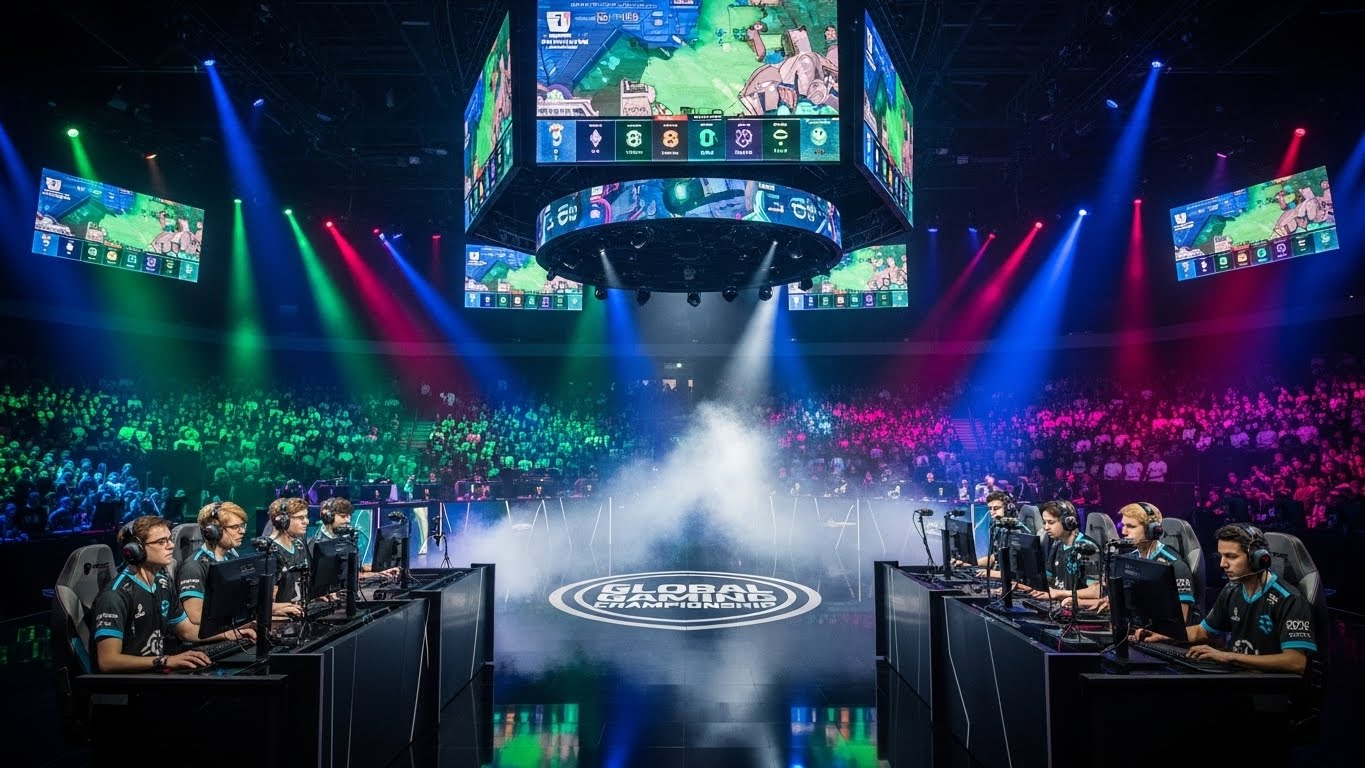
Esports events, especially tournaments, are carefully produced to ensure that the spectator experience is top-notch. Professional commentators, analysts, and even live audiences contribute to the atmosphere, creating a sense of drama and excitement that rivals live sports events.
3. The Rise of Streaming and Content Creation
Platforms like Twitch and YouTube have played a pivotal role in the growth of esports. These platforms allow gamers to stream their gameplay, build communities, and engage directly with their audience. In the past, watching someone else play video games was often considered a passive activity, but with the advent of live streaming, fans can watch skilled players interact in real-time, offering a unique and engaging experience.
Many top esports players started their careers by streaming, gradually building their personal brand before joining professional teams. As a result, streaming has become an integral part of the esports ecosystem, where content creators and professional athletes alike share their expertise and create personal connections with their audiences.
The Biggest Titles in Esports: A Diverse Array of Competitions
Esports spans many genres, each with its own community, professional players, and tournaments. Some games are widely regarded as the core of the esports scene, while others are gaining traction with specific audiences. Here are a few of the most prominent titles in competitive gaming:
1. League of Legends (LoL)
League of Legends is one of the biggest and most influential games in esports. This multiplayer online battle arena (MOBA) game pits two teams of five players against each other in a strategic, action-packed contest. The game is known for its deep mechanics, requiring players to have a solid understanding of strategy, teamwork, and individual skill.
The League of Legends World Championship is one of the largest and most prestigious esports events globally, attracting millions of viewers. The game has become a cultural staple in esports, with professional leagues operating across Europe, North America, and Asia.
2. Dota 2
Another massive title in the MOBA genre is Dota 2. Known for its complexity and high skill ceiling, Dota 2 features large, strategic team battles where each player controls a unique hero with distinct abilities. The International, the game’s premier tournament, boasts some of the largest prize pools in esports history, with over $40 million in prize money for the 2021 edition.
3. Counter-Strike: Global Offensive (CS:GO)
CS:GO is a first-person shooter (FPS) that has dominated the esports scene for over a decade. The game is a tactical shooter where teams of terrorists and counter-terrorists face off in various objective-based modes. The game requires sharp aim, strategic thinking, and precise teamwork.
CS:GO is known for its high level of skill and its wide appeal, with tournaments such as ESL Pro League and the CS:GO Major Championship drawing in massive audiences.
4. Fortnite
Fortnite is a battle royale game that took the gaming world by storm. The game’s colorful aesthetic, building mechanics, and battle royale format make it incredibly engaging for both players and viewers. With an expansive player base and massive online events, Fortnite has quickly become a major player in esports, especially in the realm of casual gaming and content creation.
5. Valorant
Released in 2020 by Riot Games, Valorant is a tactical first-person shooter that blends strategic gameplay with hero-based abilities. Like CS:GO, it emphasizes precise shooting and team coordination, but Valorant introduces unique characters, each with special powers that add another layer of strategy to the gameplay. The game’s competitive scene is rapidly growing, with Riot Games investing heavily in its esports infrastructure.
The Business of Esports: Sponsorships, Teams, and Revenue
Esports is not just a form of entertainment; it is also a thriving business. Companies in tech, gaming, and consumer goods see significant value in sponsoring esports events and teams. Brand partnerships with organizations like Cloud9, Team Liquid, and FaZe Clan help bring in millions of dollars in sponsorships, making esports a lucrative industry for both players and investors.
Esports tournaments also generate substantial revenue through broadcasting rights, ticket sales, merchandise, and digital goods. The audience size for major esports events continues to grow, with some tournaments drawing viewership numbers comparable to major sports finals. The commercial potential of esports is vast, and with the increasing popularity of online platforms, this trend is expected to continue for years to come.
The Future of Esports: Innovation and Global Expansion
Esports is still in its adolescence, and there is no telling where the industry will go next. With virtual reality (VR), augmented reality (AR), and 5G technology on the horizon, esports could evolve into even more immersive and interactive experiences. Additionally, as esports continues to gain recognition worldwide, more countries will invest in local infrastructure, creating new opportunities for players and fans in regions that were previously underserved.
Esports also has the potential to become a fixture in educational institutions, with more schools and universities offering scholarships, dedicated teams, and training programs for aspiring professional players.
Esports is on track to become an even bigger part of global entertainment, as it attracts new fans, diversifies its offerings, and continues to push the boundaries of what competitive gaming can be.
Conclusion: A Game-Changing Movement in the World of Sports
Esports has transcended its origins as a subculture and become a dominant force in global entertainment. It has brought together millions of passionate players and fans, transformed the gaming industry, and created new career opportunities for individuals. As the esports ecosystem continues to grow, it will likely rival traditional sports in terms of influence, audience, and revenue.
The fusion of gaming and competition has produced a cultural movement that has changed how we think about sports. It is no longer just about physical prowess—it’s about strategy, teamwork, and innovation. In the world of esports, anyone with the skill and determination to compete can rise to the top