Introduction: The Rise of a New Sporting Era
Esports has emerged as one of the most influential forms of modern competition, reshaping how people view sports, entertainment, and digital culture. What began as casual video game contests among friends has grown into a structured, global industry with professional players, dedicated fans, and international tournaments. Esports is no longer confined to bedrooms or gaming cafes; it fills massive arenas and attracts millions of viewers worldwide. This blog explores the evolution of esports, the skills behind it, its cultural and economic impact, and the future it promises.
The Early Days of Esports
The origins of esports can be traced back to the early era of video games, when players competed for high scores on arcade machines. These early competitions were informal and localized, driven purely by passion and curiosity. As gaming consoles and personal computers became more common, competitive play expanded beyond arcades and into homes.
The true turning point came with the rise of the internet. Online multiplayer games allowed players from different regions to compete in real time, forming global communities. Early tournaments began to offer prizes, recognition, and structured rules, laying the groundwork for esports as an organized competitive activity.
Defining Modern Esports
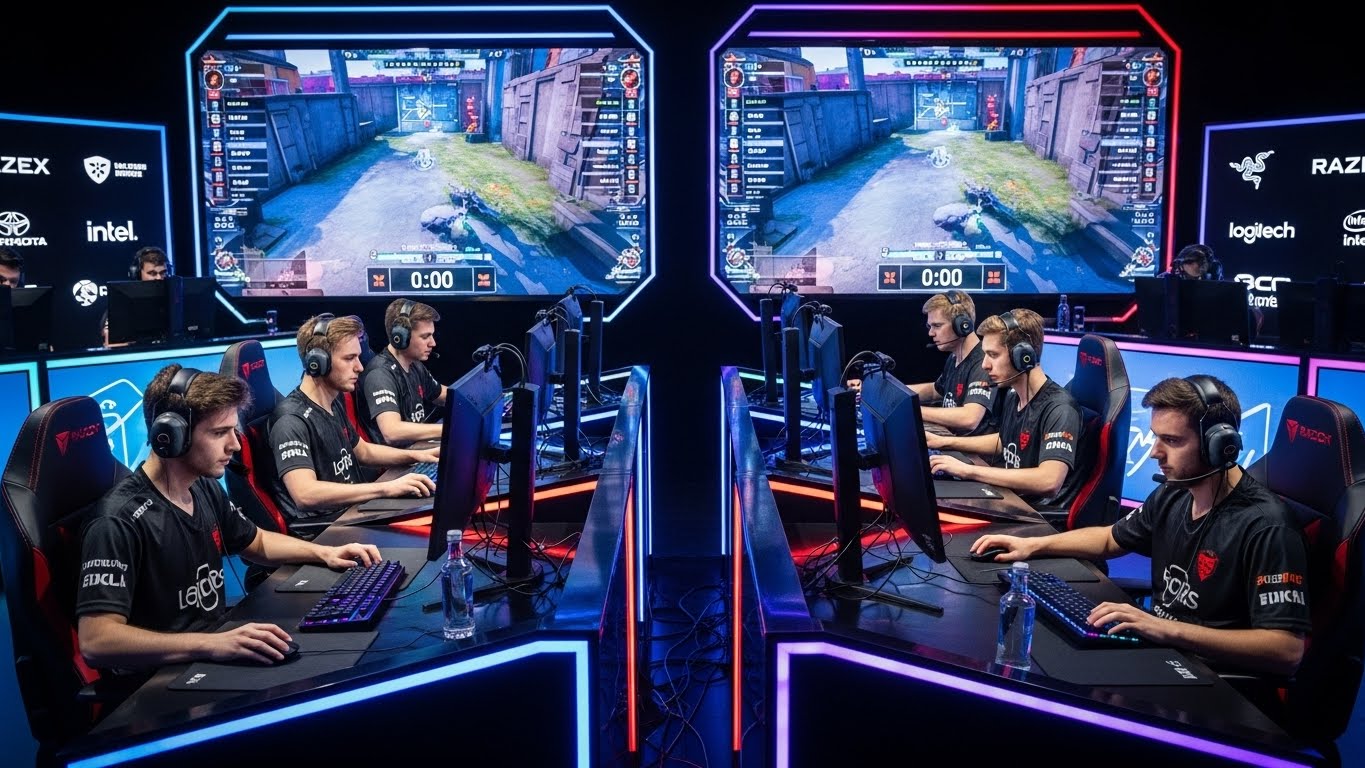
Today, esports is defined by professionalism, scale, and structure. Professional teams operate much like traditional sports franchises, employing coaches, analysts, managers, and support staff. Players sign contracts, train full-time, and compete in leagues and tournaments that follow strict regulations.
Esports titles span multiple genres, including real-time strategy, first-person shooters, sports simulations, and multiplayer battle arenas. Each genre demands unique skills, strategies, and teamwork. Matches are broadcast to global audiences, complete with professional commentary, analysis, and production quality comparable to traditional sports broadcasts.
The Skills and Discipline Behind Competitive Gaming
Contrary to common misconceptions, esports requires intense skill and discipline. Professional players train for long hours, refining mechanics, strategies, and coordination with teammates. Quick reflexes, precise hand-eye coordination, and deep game knowledge are essential for success.
Mental strength plays a crucial role in esports. Players must make split-second decisions under pressure, adapt to opponents’ tactics, and maintain focus during long competitions. Managing stress, handling public scrutiny, and staying motivated are challenges that demand resilience and emotional control.
Teamwork and Strategy in Esports
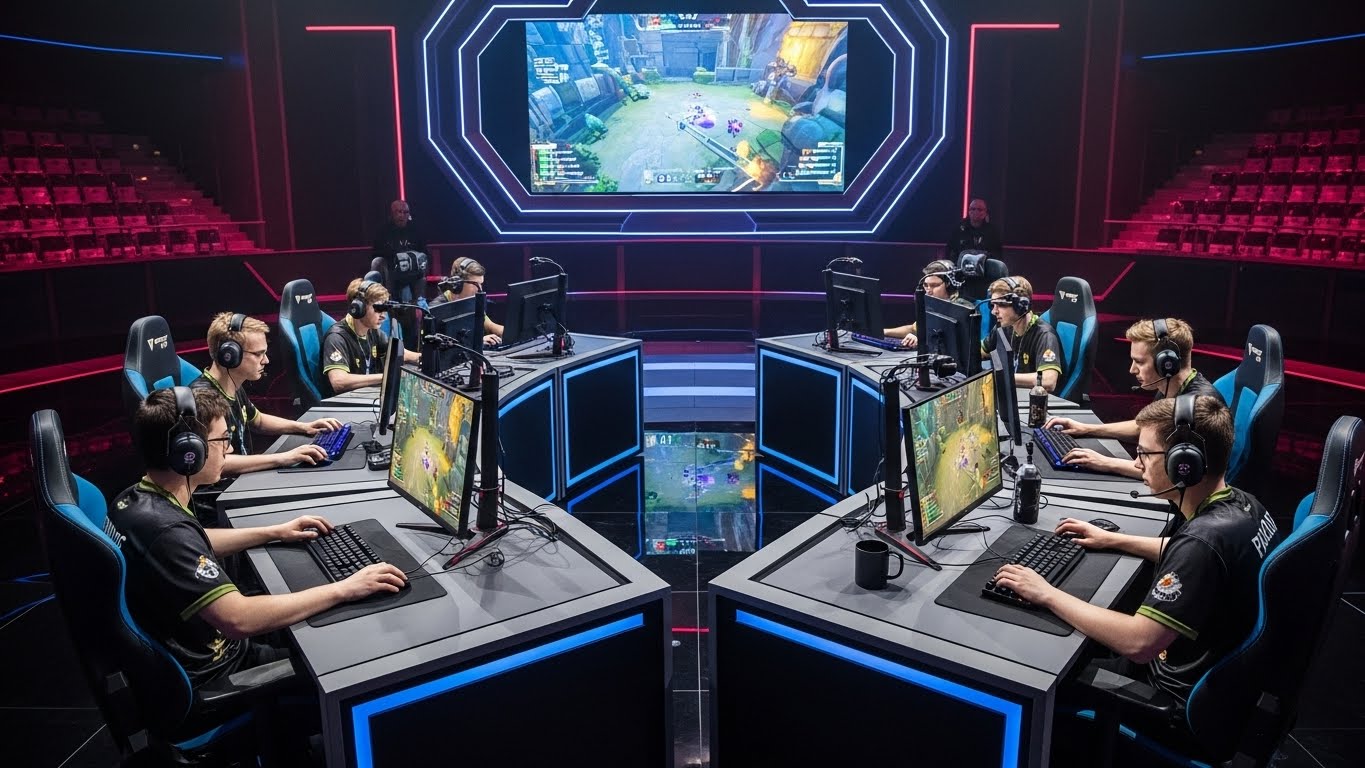
Many esports titles emphasize teamwork and coordination. Success often depends on how well players communicate, execute strategies, and adapt to changing situations. Teams analyze opponents’ playstyles, develop tactics, and rehearse specific scenarios to gain a competitive edge.
Strategic depth sets esports apart from casual gaming. Matches are influenced by preparation, adaptability, and decision-making rather than pure reflexes alone. This strategic complexity is one of the reasons esports captivates both players and spectators.
Esports as a Form of Entertainment
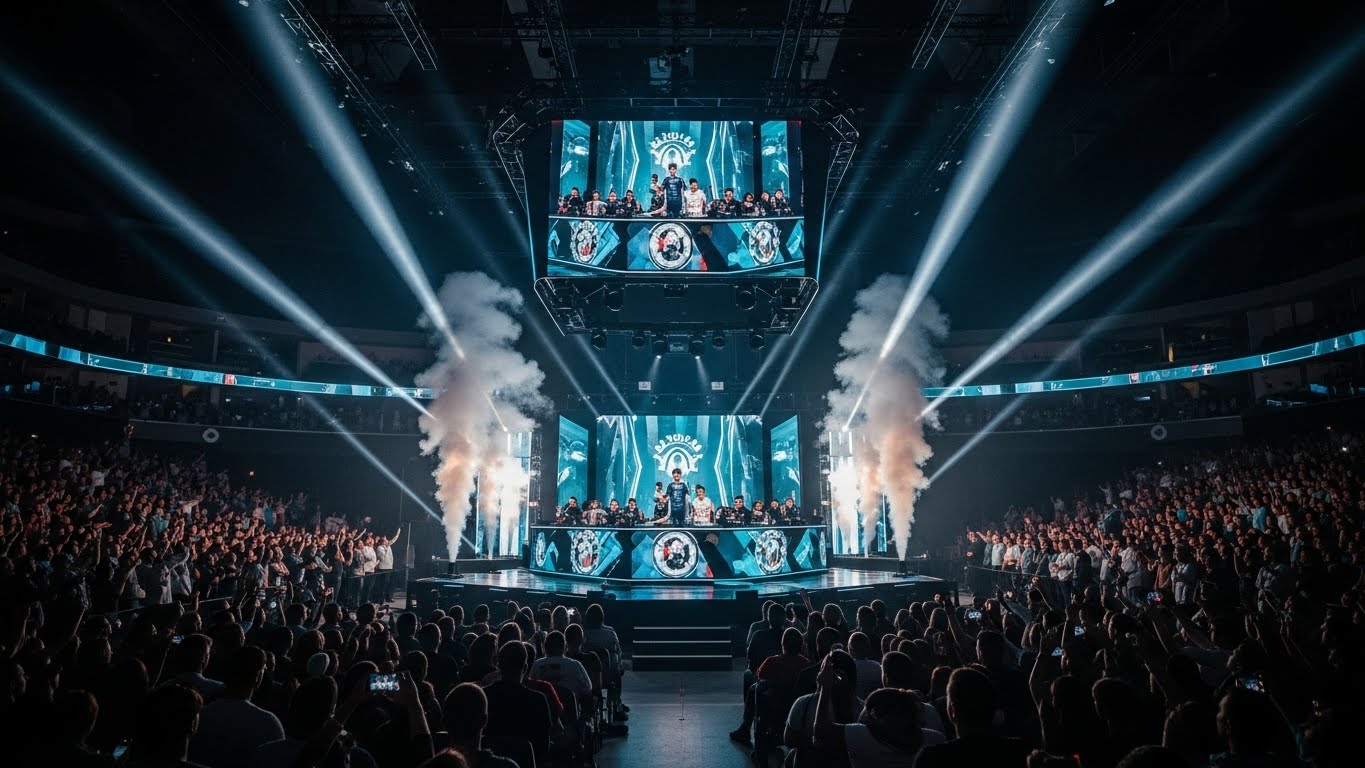
Esports has become a major entertainment industry. Tournaments are designed as immersive experiences, featuring live audiences, dramatic lighting, music, and storytelling. Fans are drawn not only to gameplay but also to the narratives of rivalry, redemption, and championship glory.
The interactive nature of esports enhances its appeal. Viewers can engage with live chats, support their favorite teams, and follow players’ journeys outside competitions. This close connection between athletes and fans creates a strong sense of community that is unique to esports.
The Economic Impact of Esports
The growth of esports has created a thriving global economy. Revenue comes from sponsorships, advertising, merchandise, ticket sales, and media rights. Brands from various industries invest heavily in esports to connect with younger, tech-savvy audiences.
Esports also generates diverse career opportunities beyond playing. Roles in event organization, broadcasting, marketing, content creation, game development, coaching, and data analysis are increasingly in demand. Educational institutions are beginning to recognize esports by offering specialized programs and scholarships, further legitimizing it as a professional field.
Cultural Influence and Global Reach
Esports is inherently global, bringing together players and fans from different cultures and backgrounds. International tournaments showcase talent from around the world, fostering cross-cultural interaction and mutual respect. Language barriers fade as competition and passion take center stage.
Beyond gaming, esports influences fashion, music, and lifestyle. Team jerseys are worn as everyday clothing, gaming terminology enters mainstream language, and esports personalities become cultural icons. For many young people, esports represents identity, aspiration, and a sense of belonging.
Health and Well-Being in Esports
As esports grows, awareness of player health has increased. Long training hours and intense competition can lead to physical strain and mental fatigue. Professional organizations now emphasize balanced routines that include physical exercise, proper nutrition, and mental health support.
Maintaining well-being is essential for long-term success. Teams encourage healthy habits, stress management, and recovery strategies to ensure players can perform at their best. This focus highlights the evolving professionalism and responsibility within the esports ecosystem.
Challenges Facing the Esports Industry
Despite its rapid growth, esports faces several challenges. Player burnout, inconsistent regulations, and concerns about fair play require ongoing attention. Ensuring competitive integrity and ethical conduct is vital for maintaining trust among fans and participants.
Financial sustainability is another challenge. Rapid expansion has led to high expectations and investment risks for teams and organizations. Building stable business models and long-term planning will be key to the industry’s continued success.
Esports and Traditional Sports
Esports and traditional sports are increasingly intersecting. Many established sports organizations have launched esports divisions, while athletes from traditional sports often participate in competitive gaming. Training methods, analytics, and branding strategies from traditional sports are now widely used in esports.
This convergence reflects a broader shift in how society defines sports. Skill, dedication, and competition matter as much in digital arenas as they do on physical fields. Esports challenges outdated perceptions and expands the meaning of athleticism.
Technology Driving Esports Forward
Technology is the foundation of esports. Advances in hardware, software, and connectivity enable smoother gameplay and higher-quality broadcasts. Data analytics helps teams refine strategies and improve performance, while fans gain deeper insights into matches.
Emerging technologies such as virtual reality and artificial intelligence are expected to further transform esports. These innovations may enhance training, viewing experiences, and competitive formats, pushing the boundaries of what esports can become.
The Future of Esports
The future of esports is filled with potential. Grassroots programs and community tournaments will continue to nurture new talent. Integration into education and mainstream media will broaden its reach and acceptance.
As technology evolves, esports may become even more interactive, allowing fans to engage in new ways. Sustainability, inclusivity, and player well-being will play central roles in shaping the next phase of growth.
Conclusion: A Digital Revolution in Competition
Esports represents a powerful evolution in how competition, entertainment, and community are experienced. It combines technology, strategy, and human skill to create a dynamic form of sport that resonates with a digital generation. More than just games, esports is a cultural movement that inspires passion, innovation, and global connection.
As esports continues to grow and mature, it will redefine the boundaries of sports and entertainment. In digital battlegrounds across the world, players and fans alike are shaping a future where competition knows no physical limits, proving that the spirit of sport thrives both on the field and on the screen.