Introduction
In the past decade, esports has transitioned from a niche hobby to a global phenomenon, captivating millions of players and viewers worldwide. Once dismissed as a mere pastime, competitive gaming has emerged as a legitimate professional arena, complete with tournaments, sponsorships, and international recognition. The evolution of esports mirrors the broader digital revolution, highlighting how technology, culture, and entertainment converge in the 21st century. This blog explores the growth of esports, its influence on society, the skills it develops, and the challenges and opportunities it presents for the future.
The Evolution of Esports: From Casual Gaming to Professional Competition
Esports has its roots in early arcade competitions and multiplayer video games from the 1980s and 1990s. Titles like Space Invaders and Street Fighter attracted local tournaments, while games such as StarCraft and Counter-Strike introduced more structured competitions. These early events laid the foundation for modern esports, demonstrating that gaming could extend beyond casual entertainment into competitive sport.
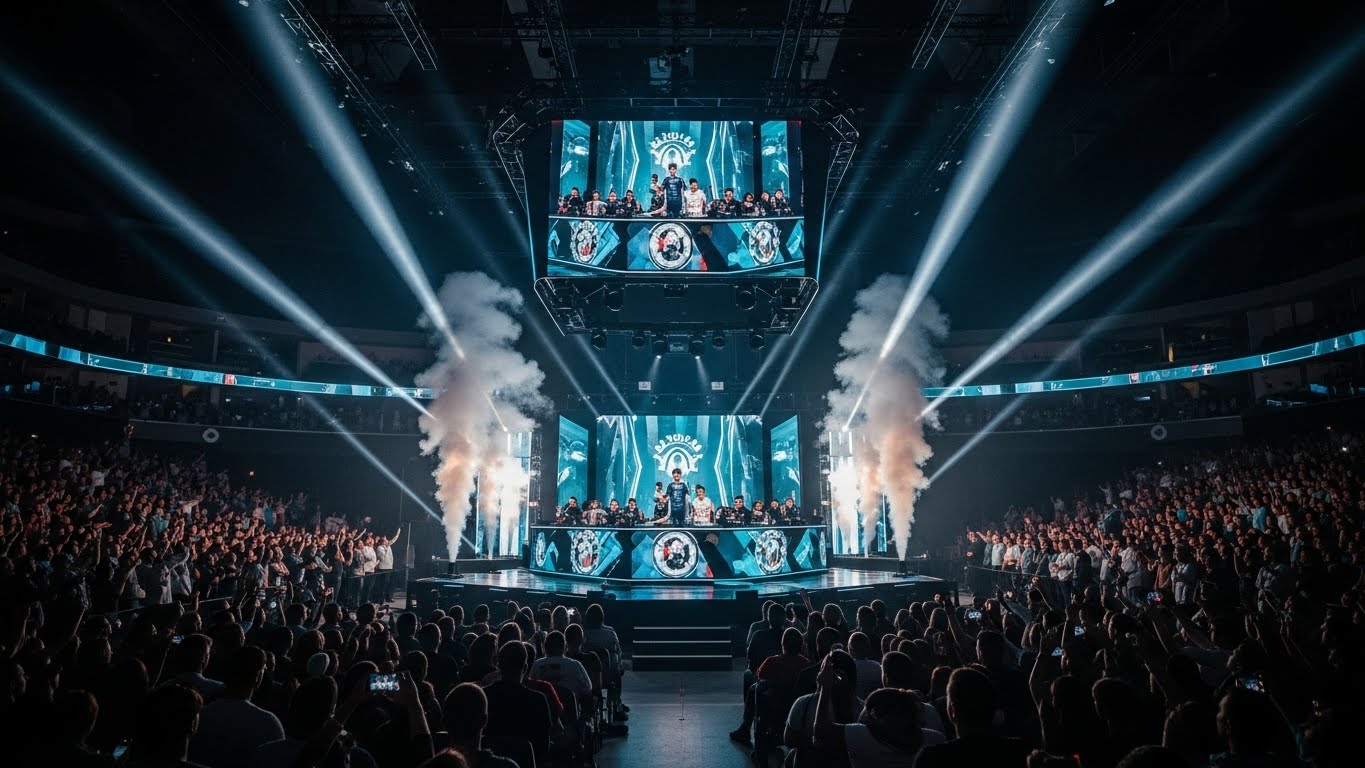
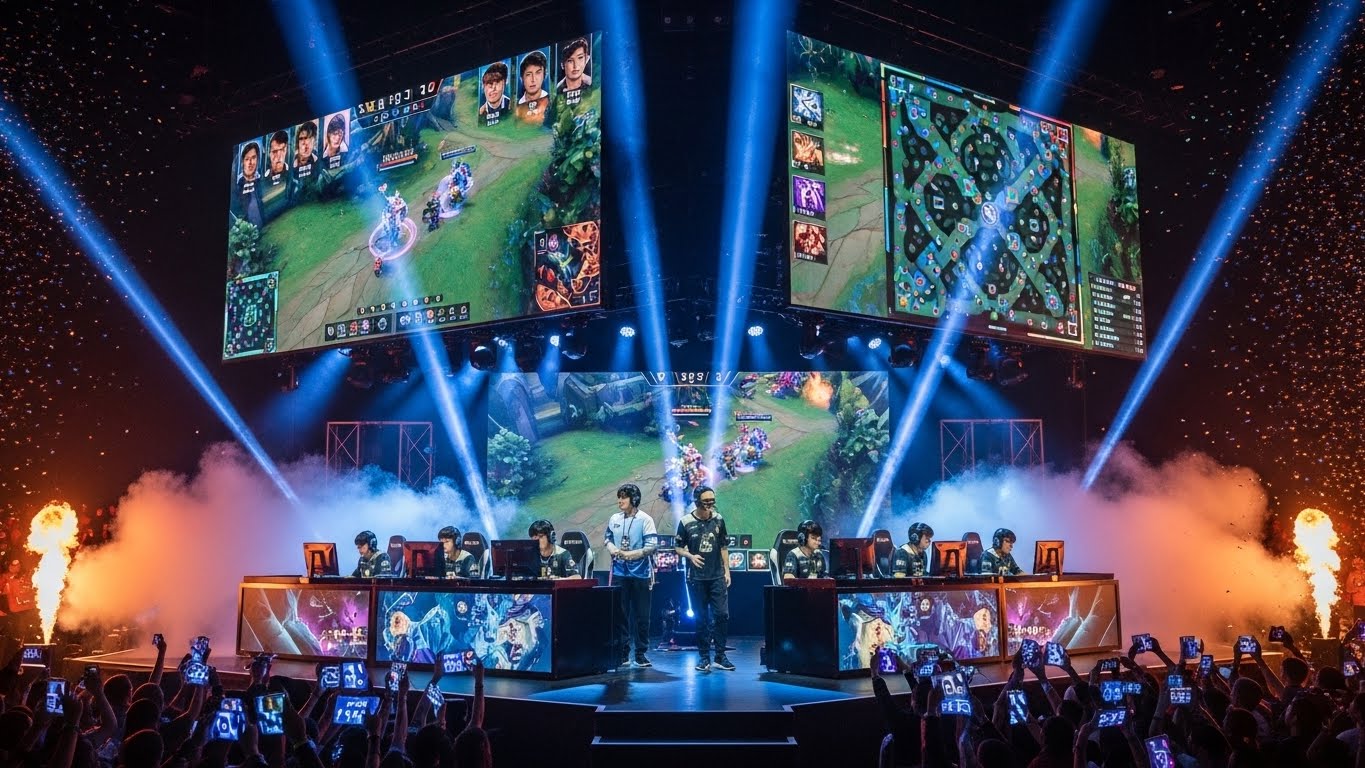
The real explosion came with the rise of online connectivity. Games such as League of Legends, Dota 2, and Fortnite created vast, global communities where players could compete professionally. Today, esports tournaments offer prize pools worth millions of dollars, and professional players are recognized much like traditional athletes. The evolution of esports is not just about the games themselves but the ecosystem that supports them, including broadcasting, sponsorship, coaching, and fan engagement.
The Global Esports Industry and Its Economic Impact
Esports is more than just a form of entertainment; it is a thriving industry. Revenue streams include tournament winnings, streaming platforms, merchandise, sponsorships, and media rights. Large organizations operate similarly to sports franchises, employing players, coaches, analysts, and marketing professionals.
The economic influence of esports extends beyond professional leagues. Gaming hardware, software development, live streaming, and content creation create countless jobs worldwide. Countries such as South Korea, China, and the United States have seen esports boost their economies while promoting technological innovation. The industry’s growth also provides opportunities for education, as institutions now offer courses and degrees related to esports management, game design, and digital media.
Skills Developed Through Esports Participation
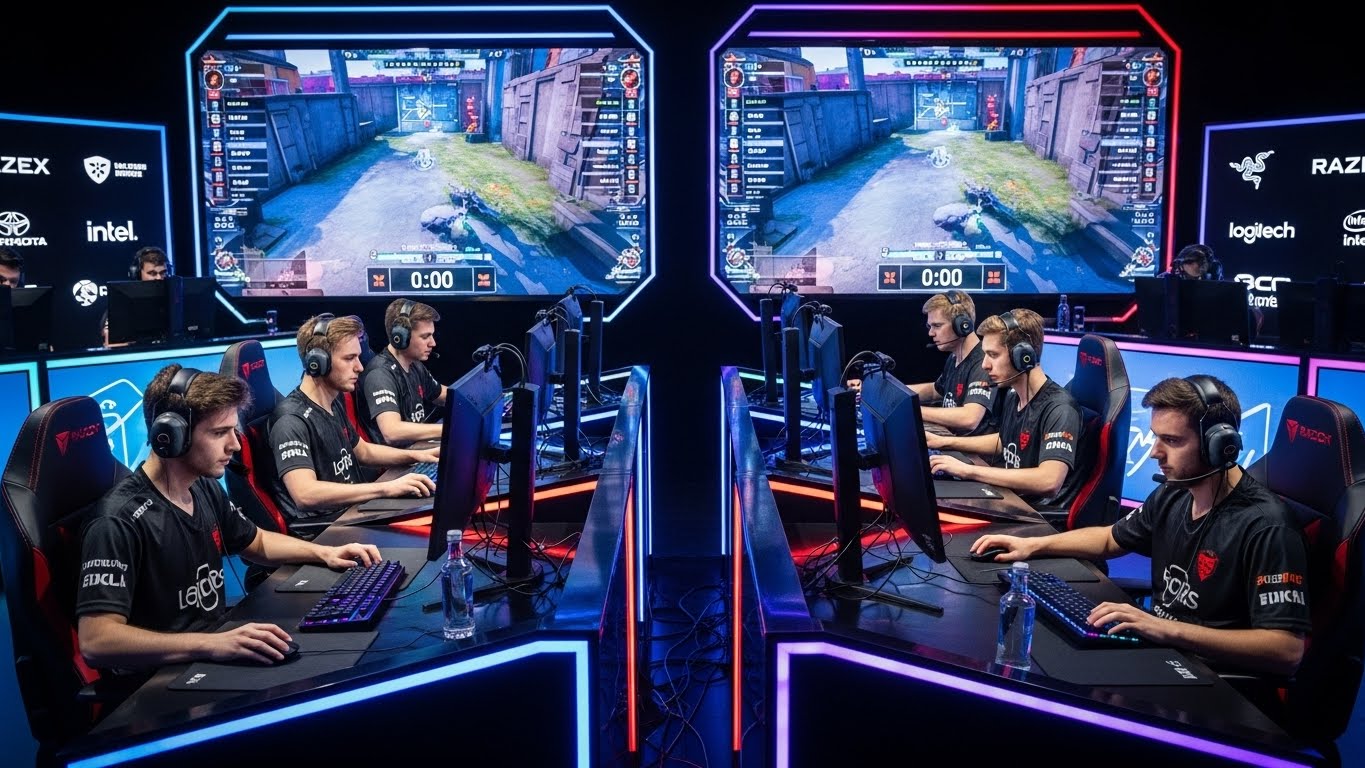
Contrary to outdated stereotypes, esports is more than just playing video games. Competitive gaming develops a range of cognitive, social, and emotional skills. Players must demonstrate critical thinking, strategic planning, and problem-solving under pressure. Fast reflexes, precise hand-eye coordination, and multitasking abilities are honed through rigorous practice.
Team-based esports games, such as Overwatch or League of Legends, emphasize communication, leadership, and collaboration. Players learn to work with diverse teammates, adapt to evolving situations, and manage conflict effectively. Mental resilience is another key trait, as players must handle high-pressure situations, overcome losses, and maintain focus during long competitions. These skills often transfer beyond gaming into academic, professional, and personal contexts, proving that esports can foster real-world competencies.
The Role of Technology in Esports
Technology is the backbone of esports. High-speed internet, powerful gaming devices, and sophisticated software allow players to compete globally in real time. Advanced analytics and performance-tracking tools help teams refine strategies and improve individual skills. Streaming platforms, broadcasting technology, and social media allow fans to follow competitions, interact with players, and create community experiences.
Virtual reality, augmented reality, and AI are increasingly influencing the future of esports. VR and AR offer immersive experiences that bring a new level of engagement to gaming, while AI-driven training programs help players simulate complex scenarios for skill enhancement. The integration of these technologies ensures that esports remains dynamic, innovative, and exciting for players and audiences alike.
Esports as a Cultural Phenomenon
Esports has reshaped modern culture. Its influence extends beyond gaming communities into mainstream media, fashion, and entertainment. Popular tournaments attract audiences comparable to traditional sports events, and esports celebrities have millions of followers on social media. These players inspire fan culture, trends, and even lifestyle choices.
Esports also fosters inclusivity by connecting individuals across geographic, cultural, and linguistic boundaries. Online platforms enable players from diverse backgrounds to compete, communicate, and build friendships. This global connectivity has made esports a unifying force, demonstrating the potential of digital spaces to create meaningful social interaction.
Education and Career Opportunities in Esports
As esports continues to grow, educational institutions are recognizing its value. Schools and universities now offer specialized programs in esports management, game development, and broadcasting. These programs equip students with technical, strategic, and managerial skills, preparing them for careers within the esports industry and beyond.
Career opportunities are expanding as well. Professional players, coaches, analysts, event organizers, content creators, and marketing specialists all contribute to the ecosystem. The rise of esports journalism, streaming, and digital media has created additional pathways for creative professionals. These opportunities demonstrate that esports is not just entertainment but a viable career option for those with passion, talent, and dedication.
Health and Wellness in the Esports Community
While esports offers numerous benefits, it also presents unique health challenges. Long hours of practice can lead to physical strain, particularly in the hands, wrists, and back. Mental health is equally important, as players often face high-pressure environments, performance anxiety, and irregular schedules.
Fortunately, the esports community has become increasingly aware of these risks. Professional teams now employ physical therapists, mental coaches, and nutritionists to support player well-being. Emphasizing healthy routines, exercise, and balanced lifestyles ensures that esports participants can sustain their careers while maintaining physical and mental health.
Challenges Facing Esports
Despite its rapid growth, esports faces significant challenges. Regulatory frameworks are still developing, and concerns about cheating, match-fixing, and gambling threaten the industry’s integrity. Player burnout and mental health issues require ongoing attention, while debates over inclusivity and diversity highlight the need for equitable opportunities.
Additionally, esports must navigate perceptions and stereotypes that still view gaming as a leisure activity rather than a legitimate competitive pursuit. Overcoming these challenges requires collaboration among developers, organizations, players, and policymakers to create a sustainable, professional, and ethical environment for esports to thrive.
The Future of Esports
The future of esports is bright, with opportunities for expansion into new technologies, markets, and demographics. Virtual reality competitions, global leagues, and immersive fan experiences will redefine how audiences engage with gaming. The integration of esports with traditional sports and entertainment also promises new hybrid experiences, attracting a broader audience.
Education, professional development, and wellness programs will continue to evolve, ensuring that esports participants are prepared for sustainable careers. As awareness grows, esports will gain further legitimacy, fostering recognition as a powerful cultural, economic, and educational force.
Conclusion
Esports is no longer a niche pastime; it is a multifaceted industry that blends competition, entertainment, technology, and culture. From skill development and career opportunities to global connectivity and community building, esports has transformed the way people play, watch, and interact with digital content.
As technology advances and societal acceptance grows, esports will continue to shape modern life in profound ways. Its influence reaches beyond the screen, offering lessons in teamwork, strategy, resilience, and creativity. For those involved, whether as players, fans, or professionals, esports represents more than a game—it is a dynamic, evolving world with endless potential.