
Introduction: The Rise of a Digital Arena
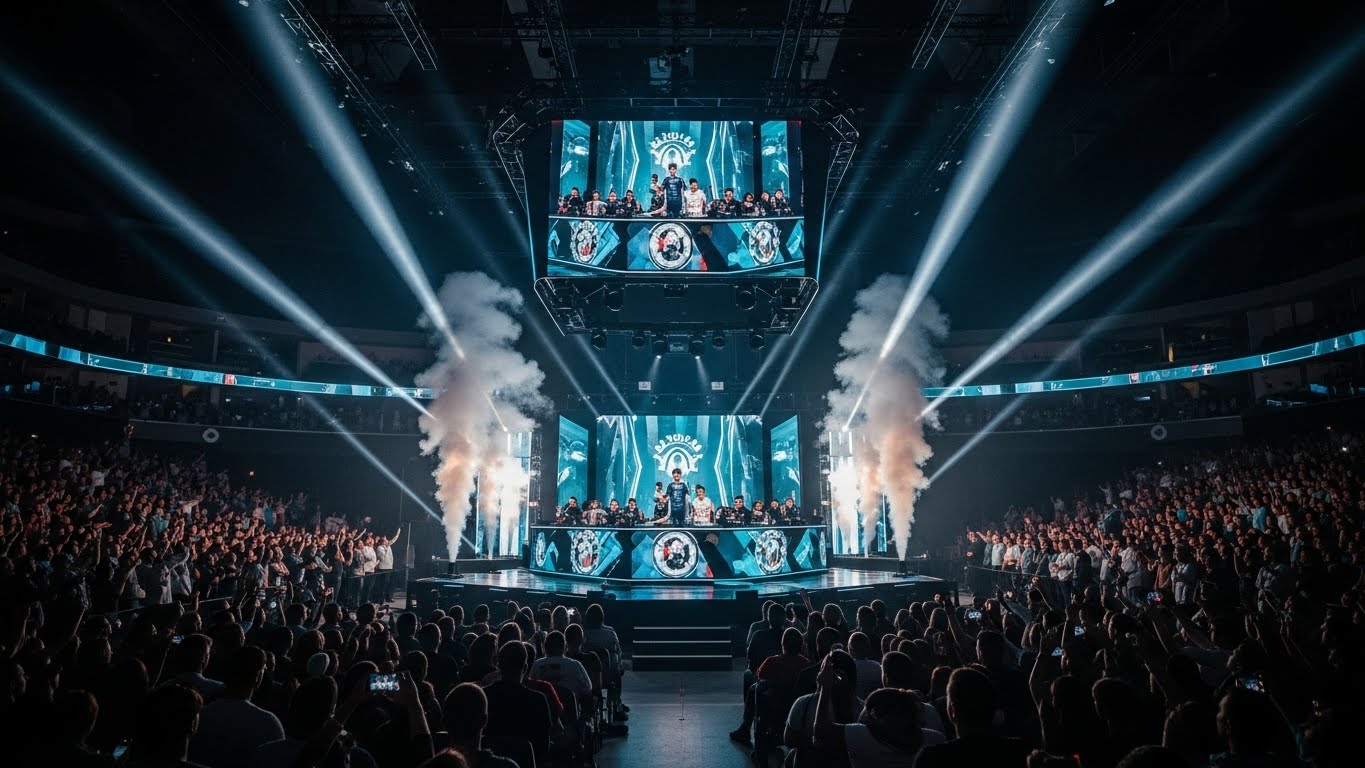
Esports, short for electronic sports, has grown from niche hobby into a global phenomenon that rivals traditional sports in popularity, engagement, and economic impact. Once considered mere video gaming, esports now represents a structured, competitive, and professional landscape where players, teams, and organizations compete at the highest level. From massive international tournaments to online leagues streamed to millions of fans, esports has created a new culture of digital competition that combines skill, strategy, and entertainment.
This blog explores the evolution of esports, its influence on players and fans, its economic impact, and the ways it is reshaping how people think about sports, entertainment, and community in the digital age.
The Evolution of Esports
The origins of esports trace back to the late 1970s and 1980s when arcade competitions and early video game tournaments began emerging. Games like Space Invaders and Pac-Man laid the groundwork for organized competition, while titles such as Street Fighter and Counter-Strike in the 1990s expanded the competitive landscape.
The 2000s saw the rise of online multiplayer games, providing the infrastructure for global competition. Platforms such as Twitch and YouTube enabled fans to watch live gameplay, fueling the growth of dedicated esports communities. Today, esports encompasses a wide range of genres, from real-time strategy games like StarCraft and Dota 2 to first-person shooters such as Call of Duty and Valorant. Multiplayer online battle arenas (MOBAs), like League of Legends, have become some of the most watched and played esports titles worldwide.
Esports has matured into a professional ecosystem with structured leagues, sponsorship deals, dedicated training facilities, and teams supported by management and coaching staff. This evolution has transformed gaming from entertainment into a legitimate career path for skilled players.
The Physical and Mental Demands of Esports
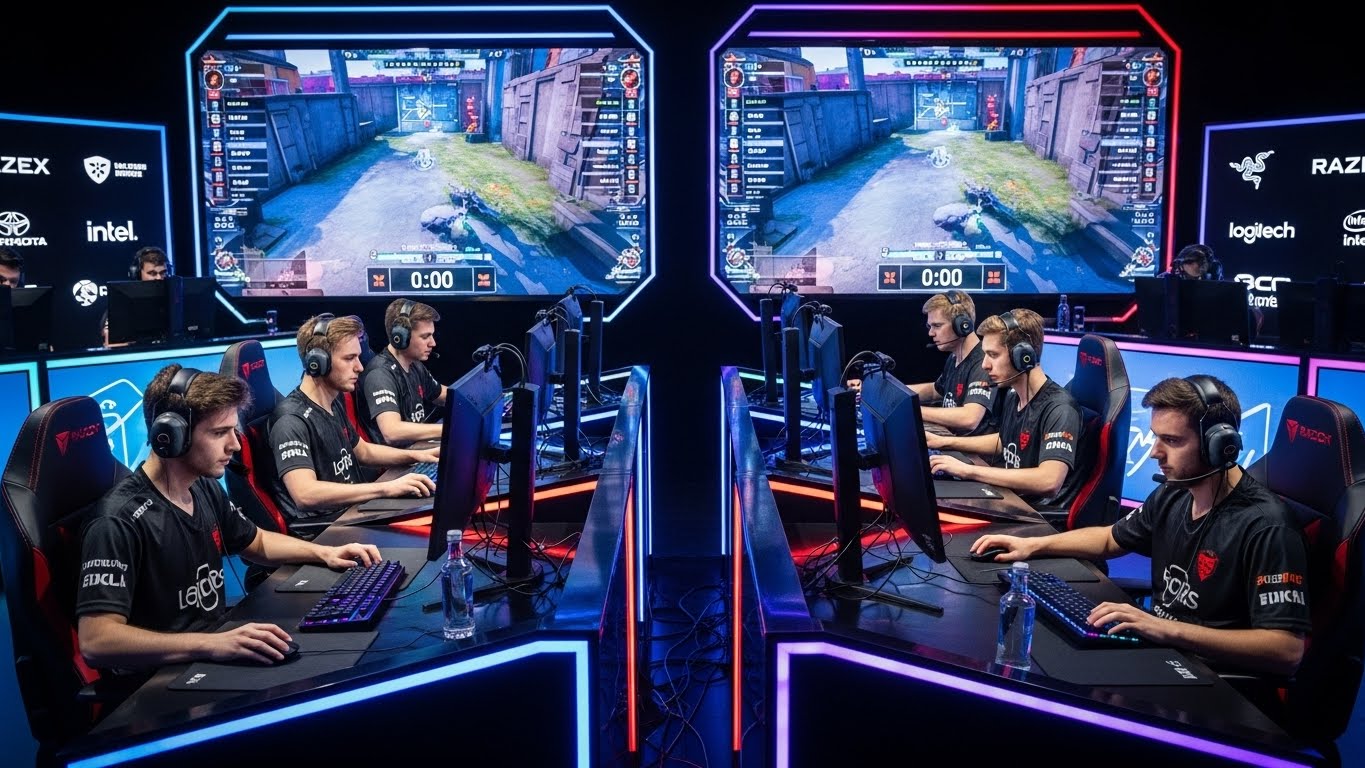
While esports is primarily digital, it requires both mental and physical discipline. Competitive players train rigorously, practicing for hours daily to develop reflexes, strategic thinking, and teamwork. Mental agility is crucial; players must make split-second decisions under high-pressure situations while anticipating opponents’ actions.
Physical well-being is also important. Maintaining posture, eye health, and hand-eye coordination is critical for long-term performance. Many professional esports athletes incorporate exercise, proper nutrition, and rest into their routines to stay competitive. Just as in traditional sports, resilience, focus, and practice define success in esports.
Community and Culture in Esports
One of esports’ defining features is the sense of community it creates. Online platforms allow players to connect with teammates and opponents from around the world, forming friendships and rivalries that transcend geography. Fans engage in forums, social media discussions, and live streaming events, creating a culture centered around shared enthusiasm for games.
Esports events are more than competitions—they are social gatherings, both online and offline. Tournaments often feature fan meetups, interactive experiences, and live commentary that transforms gameplay into an entertainment spectacle. This sense of belonging fosters loyalty to teams, players, and games, cultivating a passionate and diverse global community.
The Economic Impact of Esports
Esports has grown into a multi-billion-dollar industry, generating revenue from sponsorships, media rights, merchandising, ticket sales, and advertising. Major tournaments can offer prize pools in the millions of dollars, attracting elite players and professional teams from around the globe. Companies invest in esports for marketing opportunities, brand visibility, and access to younger audiences who are highly engaged with digital media.
Streaming platforms also contribute significantly to the economy of esports. Content creators, commentators, and influencers monetize viewership through subscriptions, donations, and advertising, creating careers that extend beyond competitive play. As esports continues to expand, it contributes to job creation, technological innovation, and global economic activity.
Esports as a Career Path
The professionalization of esports has made it a viable career option for skilled players. Teams recruit talent through scouting, online rankings, and competitions, providing salaries, housing, coaching, and sponsorship opportunities. Beyond players, esports offers career paths in management, marketing, broadcasting, coaching, and event production.
The accessibility of esports also democratizes the opportunity to compete. Players from countries without traditional sports infrastructure can achieve global recognition, creating a truly international talent pool. For many young gamers, esports represents a chance to turn passion into profession, blending skill, creativity, and dedication into a sustainable career.
The Role of Technology in Esports
Technology drives every aspect of esports. High-performance gaming hardware, reliable internet connectivity, and advanced software ensure competitive play is fair and seamless. Analytics tools track player performance, providing data on reaction times, accuracy, and decision-making, which coaches and analysts use to refine strategies.
Streaming technology allows millions of fans to watch live competitions, creating a spectator experience comparable to traditional sports. Augmented reality, virtual reality, and interactive overlays enhance engagement, making esports more immersive and entertaining. Technology has not only enabled esports but continues to shape its future growth and global reach.
The Mental Skills Developed Through Esports
Esports cultivates a range of transferable skills. Players develop strategic thinking, rapid problem-solving abilities, and multitasking proficiency. Team-based games teach communication, leadership, and collaboration. Competitive gaming also encourages perseverance, stress management, and adaptability in fast-changing environments.
These skills extend beyond gaming. Many professional esports players excel in careers requiring analytical thinking, teamwork, and resilience. Parents and educators are increasingly recognizing esports as a tool for developing cognitive and social abilities in young people.
Diversity and Inclusion in Esports
Esports offers an inclusive environment compared to many traditional sports. Players of different genders, backgrounds, and physical abilities can compete on equal footing. Online platforms provide opportunities for communities that may be underrepresented in conventional sports to engage, compete, and gain recognition.
Efforts to promote diversity, such as women’s leagues and accessibility-focused initiatives, continue to expand participation. This inclusivity makes esports not only a competitive endeavor but also a socially progressive platform, emphasizing skill and merit over physical attributes or geographic location.
The Global Esports Ecosystem
Esports has become a truly global phenomenon. South Korea is widely regarded as the birthplace of professional esports, with structured leagues and a strong cultural embrace of competitive gaming. North America, Europe, and Southeast Asia have developed major leagues, tournaments, and fan bases. Countries like China and Japan are investing heavily in infrastructure, creating esports academies and state-sponsored teams.
International competitions foster cross-cultural exchange and global fandom. Players and fans from diverse backgrounds engage in shared experiences, forming a worldwide network of enthusiasts who celebrate competition, strategy, and entertainment.
The Future of Esports
The future of esports promises continued growth and innovation. Emerging technologies such as virtual reality and artificial intelligence will redefine gameplay and training methods. Global audiences will expand as connectivity improves, bringing esports to previously underserved regions.
Esports is also poised to influence education, professional development, and entertainment. Gaming scholarships, academic programs, and youth leagues integrate esports into traditional institutions, demonstrating its legitimacy as a professional and developmental field. As audiences and investment grow, esports will continue to shape culture, business, and society in unprecedented ways.
Challenges Facing Esports
Despite its growth, esports faces challenges. Mental and physical health concerns, such as repetitive strain injuries, burnout, and stress, are significant issues for professional players. Regulatory standards, fair play enforcement, and anti-cheating measures remain ongoing concerns. Additionally, public perception sometimes underestimates the skill, dedication, and professionalism required to succeed in esports.
Addressing these challenges will require collaboration between organizations, players, educators, and health professionals. As the industry matures, structured support systems and ethical practices will be critical to ensuring sustainable growth.
Conclusion: Esports as a Cultural Revolution
Esports has transformed the concept of competition, community, and entertainment. It blends strategy, skill, and technology to create an inclusive, engaging, and globally connected culture. For players, it offers professional opportunities and personal growth. For fans, it provides a shared space for excitement, social interaction, and passion.
As esports continues to grow, it challenges traditional notions of sports, demonstrating that competition is not confined to physical arenas. Beyond the screen, esports has become a symbol of modern connectivity, creativity, and global engagement. It represents a cultural revolution, proving that dedication, skill, and teamwork can thrive in the digital age, shaping the future of sports and entertainment for generations to come.