Introduction
Sports have always been more than just a physical contest; they are a reflection of human ambition, perseverance, and creativity. From ancient civilizations to modern-day arenas, sports have shaped societies, inspired innovation, and brought people together across cultures and continents. They influence social dynamics, economies, education, and even mental and physical well-being. In this comprehensive blog, we explore the evolution of sports, their impact on individuals and communities, the role of technology, and the promising future of global athletic pursuits.
The Origins of Sports
The history of sports can be traced back thousands of years. Ancient civilizations, including the Greeks, Egyptians, and Chinese, developed organized athletic competitions to showcase skill, strength, and strategy. Wrestling, running, archery, and chariot racing were common forms of competition that served multiple purposes, including military training, entertainment, and religious rituals.
The ancient Olympic Games in Greece exemplify the combination of physical skill and cultural significance. Athletes competed not only for personal glory but also to honor their city-states and deities. These early sporting events established the foundation for structured competition, rules, and fair play that continue to guide modern sports today.
Sports as a Universal Language
One of the most remarkable aspects of sports is its ability to transcend language, culture, and geography. People from diverse backgrounds can participate in or enjoy the same sporting events, creating a shared sense of excitement and community. Major international events like the Olympic Games, the FIFA World Cup, and global tennis championships exemplify sports’ unifying power.
Whether it is cheering for a local football team or celebrating an athlete’s record-breaking achievement, sports connect individuals through shared experiences. This universal appeal fosters empathy, understanding, and cultural exchange, making sports a powerful tool for social cohesion.
Physical and Mental Benefits of Sports
Participation in sports offers numerous physical and mental benefits. Regular physical activity improves cardiovascular health, builds muscular strength, enhances flexibility, and helps maintain a healthy body weight. Beyond the physical, sports significantly impact mental health, providing stress relief, boosting mood, and promoting overall emotional well-being.
Team sports teach cooperation, communication, and leadership, while individual sports enhance discipline, focus, and resilience. Athletes learn to set goals, manage setbacks, and develop perseverance. These lessons extend beyond the field, contributing to personal growth, academic success, and professional development.
The Role of Sports in Education
Sports play an integral role in educational institutions, from elementary schools to universities. They foster physical fitness, discipline, teamwork, and social skills among students. Participating in school sports teaches children the importance of commitment, practice, and balancing academic and athletic responsibilities.
Many institutions provide scholarships and opportunities for talented athletes, emphasizing the importance of sports in shaping careers. Sports programs often instill values such as fairness, respect, and integrity, which are essential for both personal development and success in broader life pursuits.
Economic Impact of Sports
The sports industry is a significant contributor to the global economy. Professional leagues, tournaments, and sporting events generate revenue through ticket sales, broadcasting rights, merchandise, sponsorships, and tourism. Major events like the Olympic Games and World Cup attract millions of spectators and provide a substantial boost to local economies.
Beyond professional leagues, grassroots sports contribute to local economies by promoting fitness programs, youth leagues, equipment sales, and facility management. Sports also drive job creation in coaching, event management, sports media, marketing, and healthcare, making it a vital sector for both employment and economic development.
Technology and Innovation in Sports
Technological advancements have revolutionized sports in multiple ways. Wearable devices, performance tracking systems, and analytics software allow athletes to monitor their fitness, refine techniques, and optimize performance. Video analysis tools help coaches study competitors, devise strategies, and enhance team coordination.
Fans also benefit from technology through enhanced viewing experiences. High-definition broadcasts, real-time statistics, virtual reality simulations, and interactive platforms create immersive experiences for spectators. Technology has also increased fairness, with tools such as goal-line technology, instant replay, and precision timing ensuring accurate and transparent outcomes.
Women in Sports: Breaking Barriers
Women have made remarkable strides in sports over the past century, challenging stereotypes and achieving remarkable success. Female athletes now compete in almost every professional sport, inspiring generations of young girls and promoting gender equality.
Women’s leagues and tournaments are gaining prominence, attracting sponsorships and media attention. Efforts to provide equal pay, opportunities, and recognition continue to strengthen the role of women in sports. The increasing visibility and success of female athletes contribute to a more inclusive and diverse sporting world.
Sports as a Tool for Social Change
Sports often transcend entertainment, serving as a powerful platform for social change. Athletes and sporting organizations use their influence to raise awareness about social issues, advocate for equality, and support charitable causes. Sports can inspire action against racism, inequality, and environmental challenges, demonstrating the positive impact athletes can have off the field.
Community sports initiatives also promote health, education, and personal development. Programs targeting youth, marginalized groups, and disadvantaged communities use sports to teach life skills, build confidence, and create opportunities for advancement.
Youth Development Through Sports
Youth sports play a crucial role in shaping character and personal development. Participation in organized athletic programs fosters discipline, teamwork, resilience, and time management. Young athletes learn to navigate challenges, celebrate achievements, and handle failure constructively.
Coaches and mentors in youth sports often serve as role models, providing guidance and motivation. Early exposure to sports encourages lifelong physical activity and instills values that benefit personal, academic, and professional pursuits.
Sportsmanship and Ethical Conduct
Sportsmanship is the foundation of fair and meaningful competition. It emphasizes respect, integrity, humility, and ethical behavior. True sportsmanship is reflected not only in winning but also in how athletes compete, treat opponents, and respond to challenges.
Encouraging fair play, adherence to rules, and ethical behavior strengthens the credibility of sports and inspires younger athletes. Sportsmanship fosters positive experiences for players and fans alike, reinforcing the values of respect, discipline, and community.
Globalization of Sports
The globalization of sports has transformed competitions, leagues, and fan engagement. Athletes often compete internationally, representing clubs, countries, and organizations on global stages. Fans can follow events from anywhere in the world, sharing in victories, rivalries, and stories of athletic excellence.
Global exposure has expanded the talent pool, encouraged cultural exchange, and increased opportunities for international collaborations. International tournaments bring nations together, creating shared experiences that celebrate athletic excellence while promoting global understanding.
Emerging Trends in Modern Sports
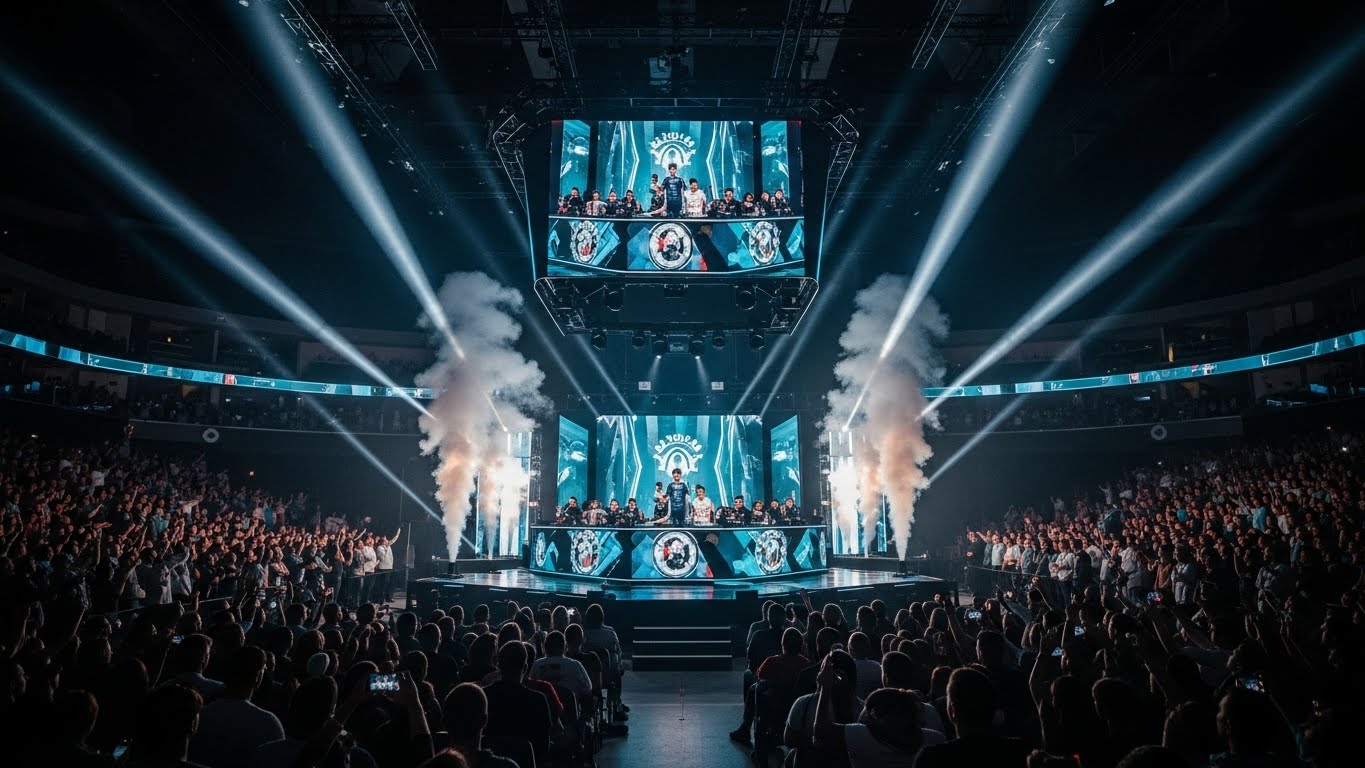
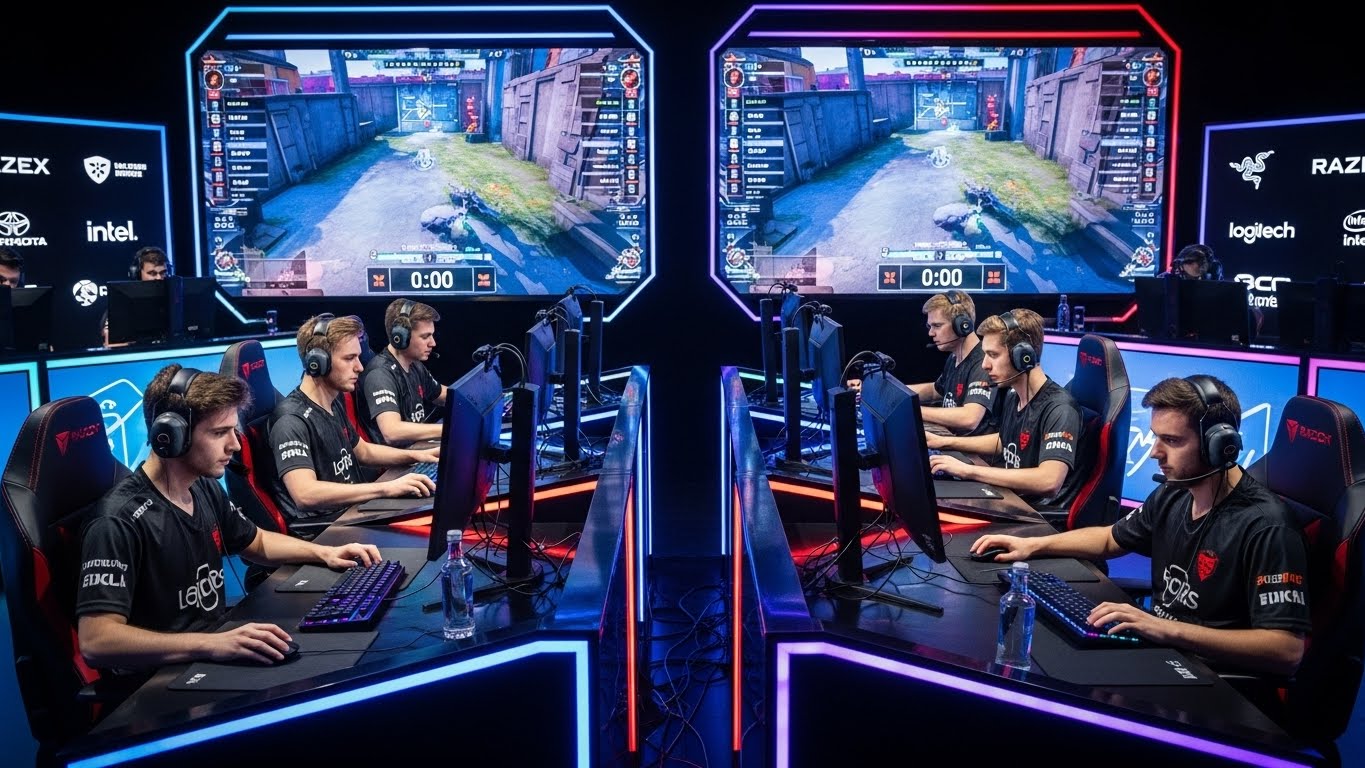
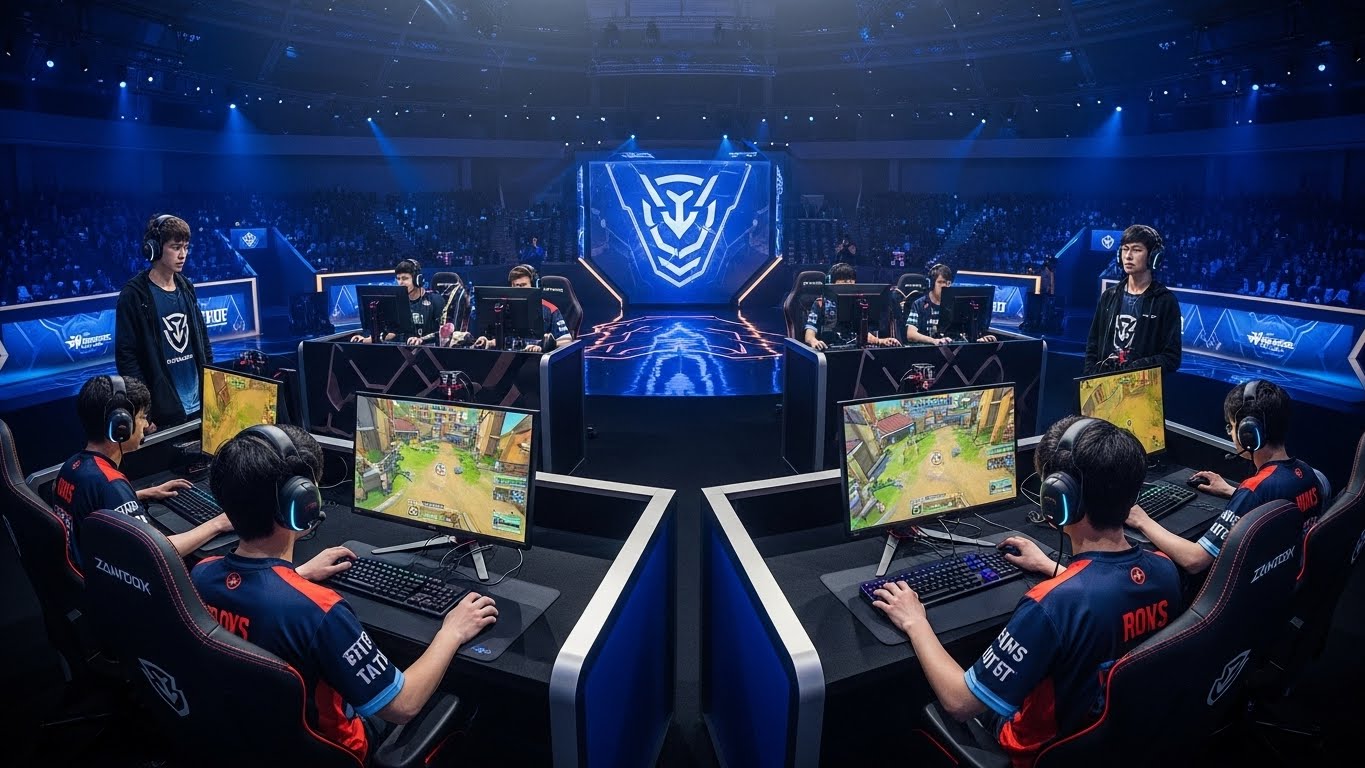
Modern sports are evolving in response to changing technology, culture, and audience expectations. Esports, extreme sports, and mixed-discipline competitions are gaining traction alongside traditional sports. Sustainability practices, digital engagement, and interactive fan experiences are becoming central to event planning and management.
Athletes are also using personal branding, social media, and community engagement to build global recognition. These trends reflect the dynamic and adaptive nature of sports in the 21st century, ensuring continued relevance and growth.
Challenges Facing the Sports Industry
Despite its many benefits, the sports industry faces challenges. Issues such as doping, corruption, match-fixing, commercialization, and pressure on athletes can threaten integrity and sustainability. Injuries, mental health concerns, and burnout are significant challenges for professional athletes.
Addressing these issues requires strong governance, ethical standards, and responsible practices at all levels. Collaboration among athletes, organizations, sponsors, and communities is crucial to maintaining the integrity, safety, and future growth of sports.
The Future of Sports
The future of sports promises exciting developments and opportunities. Technology will continue to enhance training, performance analysis, and fan experiences. Inclusive initiatives will ensure access for people of all abilities and genders. Sustainability efforts will shape how events are conducted, minimizing environmental impact while maximizing engagement.
The integration of digital platforms, interactive experiences, and hybrid competitions will redefine the sporting landscape. Emerging sports and innovative formats will attract new audiences, ensuring that sports remain a vital and inspiring part of human culture.
Conclusion
Sports are more than a form of entertainment; they are a reflection of human creativity, determination, and community. They teach discipline, foster resilience, and connect people across cultures and generations. From ancient arenas to modern stadiums, sports have shaped societies, inspired global connections, and influenced countless lives.
As technology, inclusivity, and global connectivity continue to evolve, the world of sports will expand, offering new opportunities for athletes, fans, and communities. Sports will remain a timeless expression of human potential, inspiring excellence, unity, and the pursuit of greatness across the globe.