Introduction: The Rise of a New Arena
Competition has always been part of human culture, from ancient athletic contests to modern professional sports. In the last two decades, a new form of competition has emerged that blends technology, entertainment, and skill into a global phenomenon known as esports. Once dismissed as casual gaming, esports has evolved into a structured, professional, and highly lucrative industry. Today, it attracts millions of viewers, creates career paths for players and creators, and reshapes how younger generations engage with sports and media.
Understanding Esports Beyond Gaming
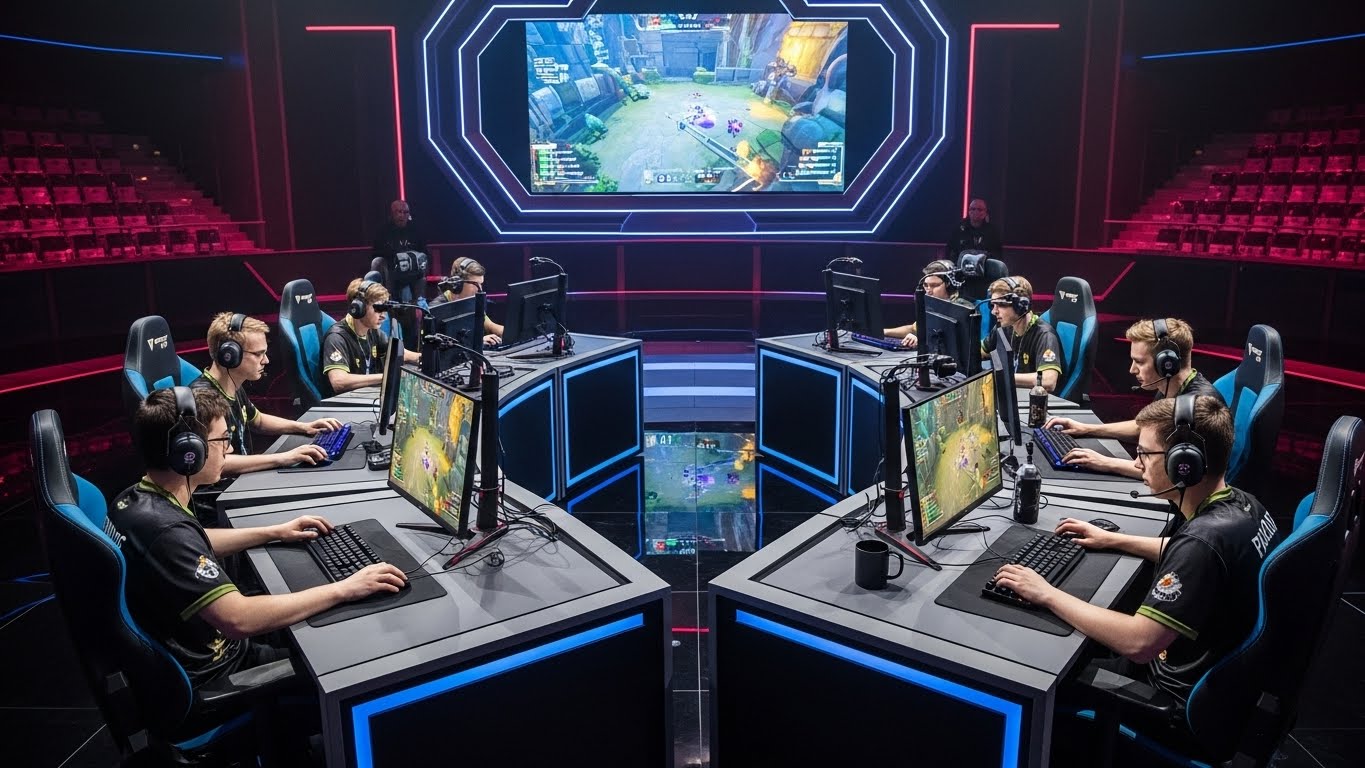
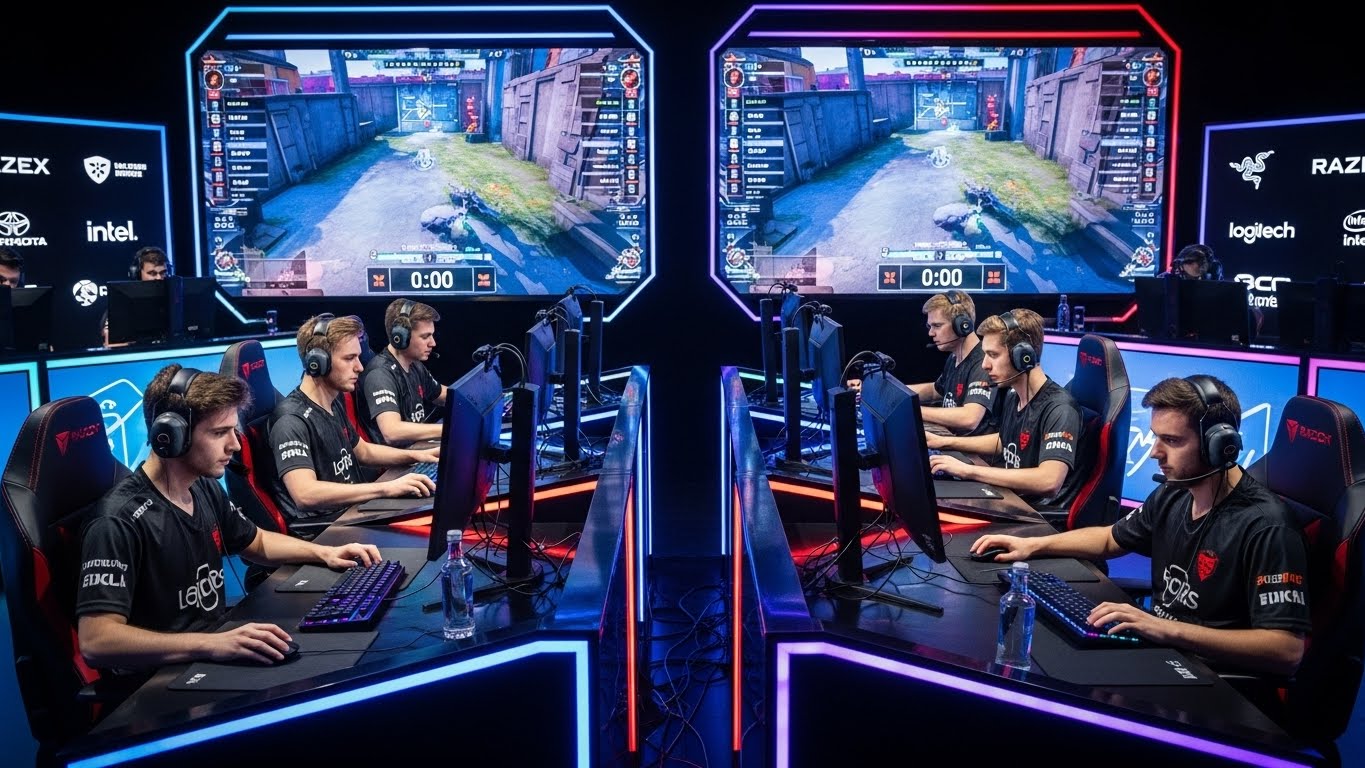
Esports, short for electronic sports, refers to organized competitive video gaming at a professional or semi-professional level. Unlike casual gaming, esports involves structured tournaments, official teams, coaches, analysts, and governing bodies. Players train for hours daily, studying strategies, refining mechanics, and maintaining mental discipline much like traditional athletes. The competitive integrity, skill ceiling, and pressure-filled environments distinguish esports from recreational play.
The Evolution from Hobby to Industry
The early days of competitive gaming were informal, often held in small gatherings or local arcades. With the rise of high-speed internet and online multiplayer games, competition expanded beyond physical spaces. Gradually, tournaments grew larger, prize pools increased, and sponsors began to notice the potential reach. What started as grassroots competitions has now transformed into a multi-billion-dollar industry with global leagues, international championships, and dedicated fanbases.
Popular Esports Genres and Their Appeal
Esports is not limited to one type of game. It spans multiple genres, each attracting different audiences and skill sets. Multiplayer online battle arena games emphasize teamwork and strategic map control. First-person shooters focus on reflexes, precision, and coordination. Real-time strategy games reward deep planning and multitasking, while sports simulation games mirror traditional sports rules in a digital environment. This diversity allows esports to appeal to a wide range of players and viewers, contributing to its sustained growth.
The Professional Esports Athlete
Contrary to stereotypes, professional esports players are disciplined competitors. Their daily routines often include practice sessions, physical exercise, mental conditioning, and strategy reviews. Reaction time, hand-eye coordination, communication skills, and emotional control are essential for success. Many teams employ nutritionists, psychologists, and fitness trainers to support player well-being and performance. The lifestyle demands dedication and resilience, as careers can be short and highly competitive.
Teams, Organizations, and Ecosystems
Behind every successful player is an organization that manages contracts, branding, sponsorships, and logistics. Esports organizations function similarly to sports franchises, with structured management and long-term vision. They invest in talent development, youth academies, and content creation to build sustainable brands. Around these organizations exists a broader ecosystem of tournament organizers, broadcasters, commentators, and event staff who collectively keep the industry running.
The Role of Streaming and Digital Media
One of the key drivers of esports growth is live streaming. Digital platforms allow fans to watch matches in real time, interact with players, and engage with communities worldwide. This accessibility removes geographical barriers and creates a sense of intimacy between audiences and competitors. Fans do not just watch esports; they participate in discussions, analyze gameplay, and support their favorite teams through digital engagement.
Esports as Entertainment and Culture
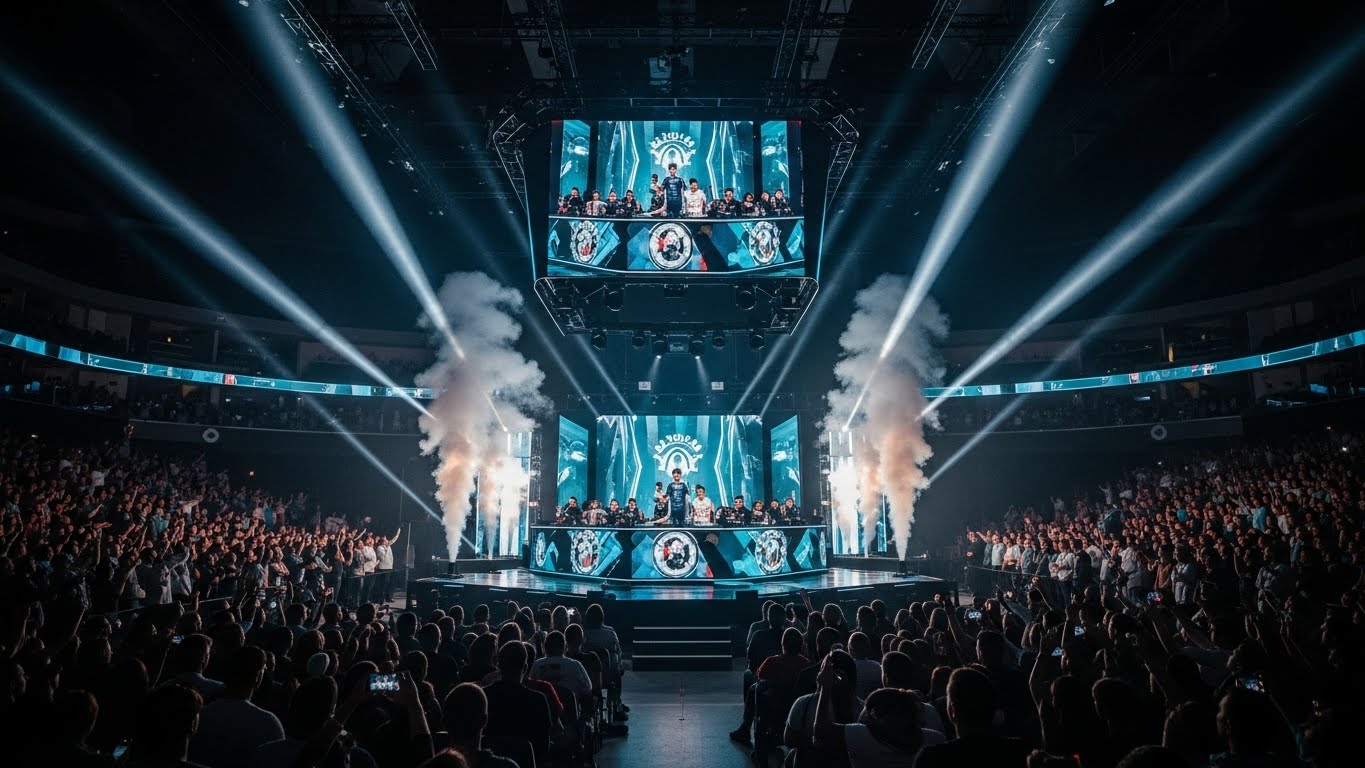
Esports is more than competition; it is a cultural movement. Events often feature elaborate productions, storytelling, and fan experiences that rival traditional sports entertainment. Cosplay, fan art, music, and memes all contribute to a vibrant culture surrounding esports. Major tournaments feel like festivals, bringing together fans from different backgrounds who share a passion for the game and its personalities.
Economic Impact and Career Opportunities
The esports industry generates revenue through sponsorships, advertising, merchandise, ticket sales, and media rights. Beyond professional players, it creates opportunities for coaches, analysts, marketers, designers, developers, and journalists. Educational institutions now offer programs related to esports management and production, recognizing it as a legitimate career path. This expanding job market highlights esports’ role in the modern digital economy.
Education and Skill Development Through Esports
Esports also plays a role in education and personal development. Competitive gaming encourages problem-solving, teamwork, leadership, and adaptability. Many schools and universities have established esports programs to engage students and teach transferable skills. These programs often emphasize balance, ensuring that academic responsibilities and healthy habits remain priorities alongside competition.
Challenges Facing the Esports Industry
Despite its success, esports faces several challenges. Player burnout, lack of standardized regulations, and concerns about inclusivity and diversity remain ongoing issues. The rapid pace of technological change means that popular games can lose relevance quickly, forcing organizations to adapt constantly. Ensuring fair play, ethical management, and long-term sustainability will be crucial for the industry’s future.
Esports and Traditional Sports: A Shared Future
Rather than replacing traditional sports, esports increasingly complements them. Many sports organizations and athletes have invested in esports teams or collaborations. The shared focus on competition, fandom, and storytelling creates opportunities for crossover audiences. As technology continues to integrate into everyday life, the line between physical and digital sports may continue to blur.
The Global Reach of Competitive Gaming
One of esports’ greatest strengths is its global nature. Players and fans connect across continents, united by shared games and experiences. International tournaments showcase cultural diversity while fostering mutual respect and understanding. This global connectivity positions esports as a powerful example of how digital platforms can bring people together through competition and creativity.
The Future of Esports in a Digital World
Looking ahead, esports is poised for continued evolution. Advances in virtual reality, augmented reality, and artificial intelligence may redefine how games are played and watched. As audiences grow and infrastructure improves, esports could become even more integrated into mainstream entertainment. The focus will likely shift toward sustainability, player welfare, and deeper fan engagement.
Conclusion: A New Definition of Sport
Esports has transformed the idea of what sport can be in the digital age. It combines skill, strategy, technology, and community into a unique form of competition that resonates with millions worldwide. From humble beginnings to global stages, esports represents the power of innovation and passion. As it continues to grow, it will not only entertain but also influence culture, education, and the future of competitive expression.