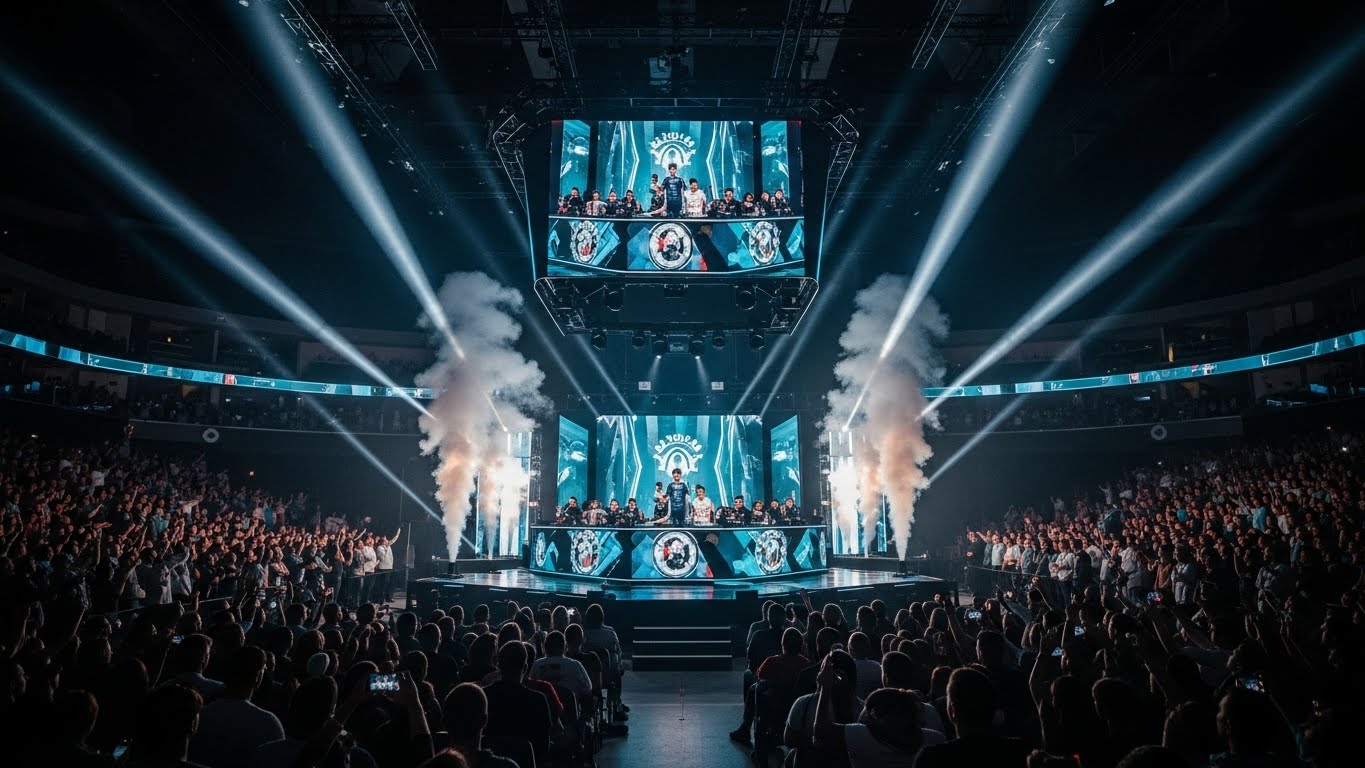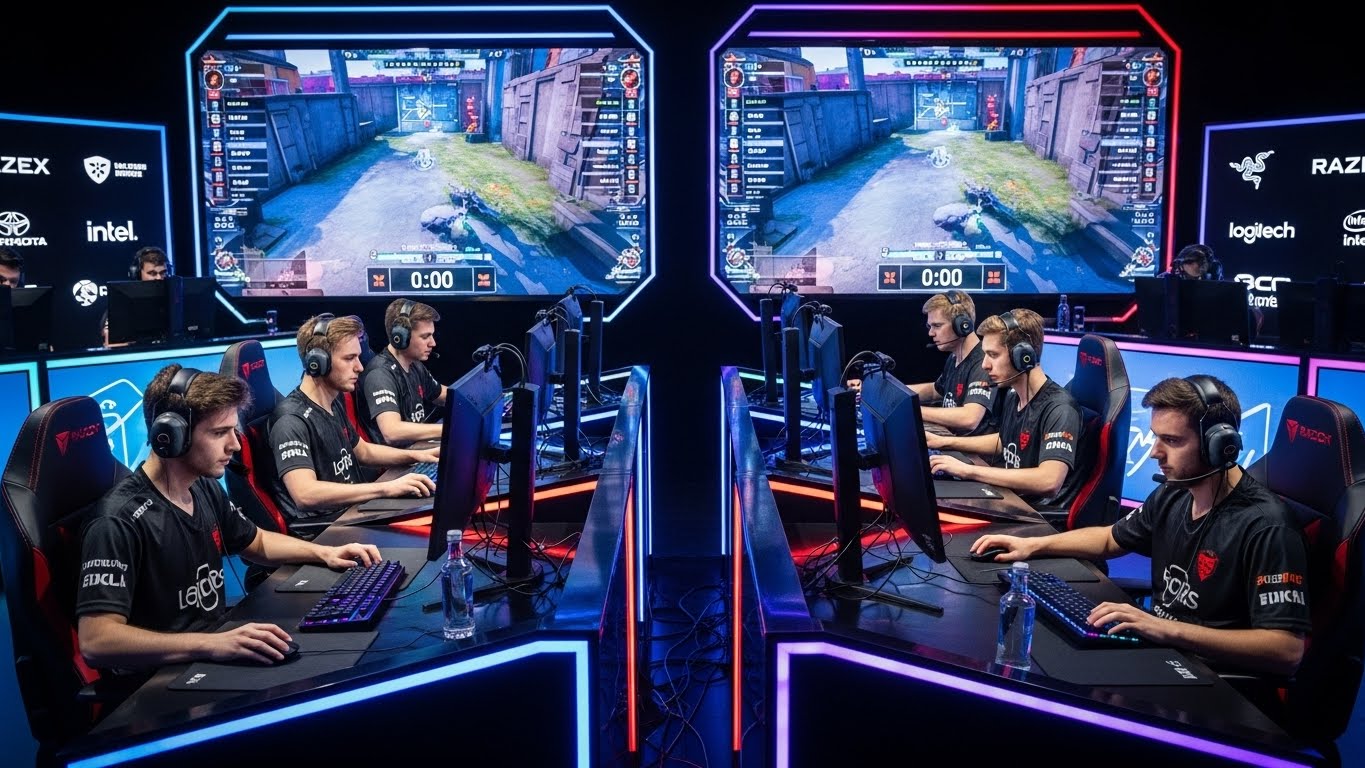
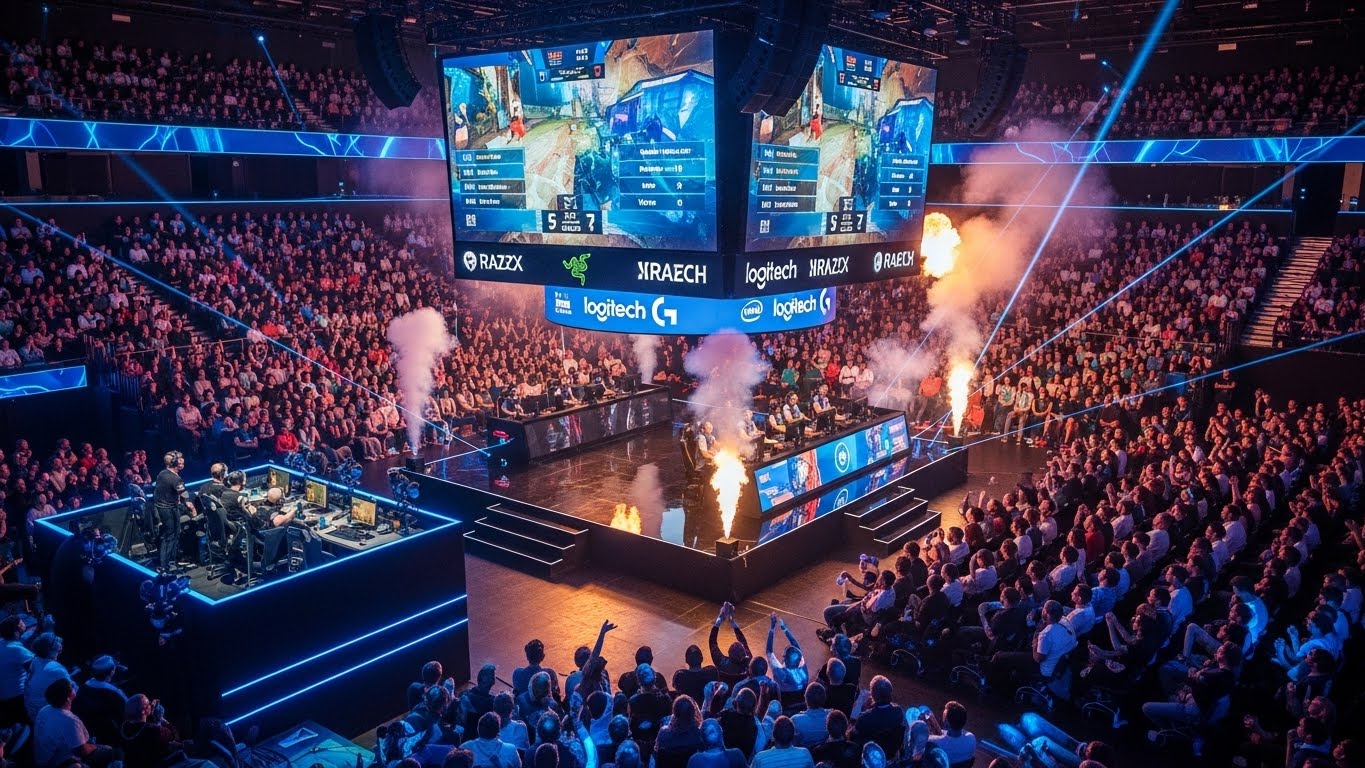
Esports has transformed from a casual pastime into one of the most influential competitive industries of the modern era. What once involved friends gathering around screens for fun has evolved into a global phenomenon featuring professional teams, packed stadiums, international tournaments, and millions of devoted fans. Esports represents a new form of competition that blends technology, strategy, and human skill, redefining what it means to be an athlete in the digital age.
This blog explores the journey of esports, its structure, cultural impact, benefits, challenges, and the future it is shaping for entertainment and competition.
Understanding Esports as a Competitive Discipline
Esports, short for electronic sports, refers to organized competitive video gaming where individuals or teams compete at professional, semi-professional, or amateur levels. These competitions take place in structured formats such as leagues, tournaments, and championships. Popular esports genres include multiplayer online battle arenas, first-person shooters, strategy games, and digital sports simulations.
What separates esports from casual gaming is its emphasis on mastery. Professional players must develop exceptional reaction speed, strategic thinking, coordination, and teamwork. Matches are governed by rules, officiated by organizers, and followed by large audiences, making esports a legitimate form of competition rather than simple recreation.
The Origins and Early Growth of Esports
The roots of esports date back several decades to early video game competitions held in arcades and local venues. As technology advanced and home gaming systems became more accessible, competitive play expanded beyond physical locations. The emergence of online multiplayer gaming allowed players from different regions to compete against one another in real time.
The early 2000s marked a turning point when esports began gaining professional recognition. Organized leagues, sponsorships, and dedicated training environments emerged, particularly in regions where gaming culture was strongly supported. These early foundations set the stage for the rapid global expansion that followed.
The Global Expansion of Esports
Esports has grown into a worldwide industry with audiences spanning continents. Major tournaments now attract millions of viewers both online and in live venues. Professional players travel internationally to compete, representing teams and organizations with global fan bases.
This expansion has been fueled by technological advancements, widespread internet access, and the rise of live streaming. Fans can follow competitions in real time, analyze gameplay, and engage with players through digital platforms. As a result, esports has become one of the most accessible and inclusive forms of entertainment in the modern world.
Skills and Discipline Behind Competitive Gaming
Contrary to outdated assumptions, esports demands a high level of discipline and skill. Players must maintain peak mental performance for extended periods, often making split-second decisions that determine the outcome of a match. Hand-eye coordination, pattern recognition, and strategic planning are essential.
Team-based esports place heavy emphasis on communication and trust. Players must coordinate movements, share information, and execute strategies with precision. Leadership, adaptability, and emotional control play crucial roles, especially during high-pressure moments in competition.
Training and Lifestyle of Esports Athletes
Professional esports athletes follow structured training routines similar to traditional sports professionals. Daily schedules often include gameplay practice, strategy sessions, video review, and team coordination exercises. Coaches and analysts help players improve performance, identify weaknesses, and adapt to opponents.
Physical and mental health have become increasingly important in esports. Many organizations encourage regular exercise, proper sleep, and balanced nutrition to support long-term performance. Mental well-being is also prioritized, as players face intense pressure, public scrutiny, and demanding schedules.
Esports as a Social and Cultural Force
Esports is not just about competition; it is a powerful social phenomenon. Gaming communities bring together people from different cultures, backgrounds, and age groups who share a passion for competitive play. Fans form strong emotional connections to teams, players, and rivalries.
Culturally, esports has reshaped entertainment norms. Professional gamers are now public figures and role models, influencing fashion, language, and online trends. Esports events combine competition with spectacle, creating experiences similar to traditional sports championships while maintaining a distinctly digital identity.
Career Opportunities Within the Esports Industry
While professional players receive the most attention, esports offers a wide range of career paths beyond competition. Coaches, analysts, team managers, broadcasters, event organizers, and content creators all contribute to the industry’s ecosystem.
There are also opportunities in game development, marketing, media production, and community management. Educational institutions are beginning to recognize esports as a viable career field, offering programs that prepare students for roles within the growing industry.
Esports and Education
Esports has found a place within educational environments, from schools to universities. Competitive gaming programs promote teamwork, strategic thinking, communication, and digital literacy. Students learn how to manage time, work under pressure, and collaborate effectively.
Educational esports programs also encourage responsible gaming habits by emphasizing balance between academics, competition, and personal well-being. These initiatives help legitimize esports as a constructive activity that supports skill development and personal growth.
Economic Impact of Esports
The esports industry contributes significantly to the global economy. Revenue is generated through sponsorships, advertising, merchandise, ticket sales, and media production. Major tournaments stimulate local economies by attracting visitors and creating temporary employment opportunities.
Esports organizations invest heavily in infrastructure, training facilities, and talent development. This economic activity supports jobs across multiple sectors, from technology and media to hospitality and event management.
Challenges Facing the Esports Industry
Despite its success, esports faces several challenges. Player burnout is a major concern due to intense training schedules and competitive pressure. Maintaining mental and physical health remains an ongoing challenge for many athletes.
Ethical issues such as cheating, harassment, and unfair practices threaten the integrity of competition. Industry leaders must enforce clear rules, promote respectful behavior, and protect players from exploitation.
Another challenge is accessibility. While esports is global, opportunities are not evenly distributed. Aspiring players in underdeveloped regions may lack resources, infrastructure, or support systems necessary to compete at higher levels.
The Role of Technology in Esports Evolution
Technology is the foundation of esports and continues to drive its evolution. Advancements in hardware, software, and network infrastructure enhance gameplay quality and viewing experiences. Data analytics and artificial intelligence are increasingly used to improve training, strategy development, and performance evaluation.
Future innovations may further blur the line between physical and digital competition, creating new forms of immersive esports experiences. As technology advances, esports will continue to adapt and expand its reach.
The Future of Esports Competition
The future of esports appears promising and dynamic. Greater recognition from institutions, expanded educational programs, and increased investment are likely to strengthen the industry’s structure. Esports may continue integrating with traditional sports, entertainment, and media industries.
Inclusivity and sustainability will play key roles in shaping the future. Efforts to support diverse participants, protect player health, and ensure ethical practices will determine esports’ long-term success. As audiences grow and technology evolves, esports will remain at the forefront of digital competition.
Conclusion: A New Definition of Sport and Competition
Esports represents a new chapter in the history of competition. It challenges traditional definitions of sport by emphasizing mental skill, teamwork, and technological mastery. From grassroots communities to global championships, esports has proven its ability to unite people, inspire ambition, and create meaningful opportunities.
As the digital world continues to expand, esports stands as a symbol of modern athleticism and innovation. It is not merely a trend but a lasting movement that reflects the values, creativity, and competitive spirit of a connected generation. The digital arena is here to stay, and esports is leading the way into the future of competition.