Esports has emerged as one of the most influential forms of modern competition, blending technology, skill, and entertainment into a rapidly expanding global industry. Once dismissed as a pastime for hobbyists, competitive gaming has grown into a professional ecosystem featuring elite athletes, massive audiences, and international recognition. Esports now stands at the intersection of culture, business, and innovation, reshaping how competition is defined in the digital age.
This blog explores the journey of esports from its humble beginnings to its current status as a global phenomenon, examining its impact on players, fans, education, and the future of competitive entertainment.
Defining Esports in the Modern World
Esports, short for electronic sports, refers to organized and competitive video gaming played at a professional or semi-professional level. Players compete individually or in teams across various game genres such as multiplayer online battle arenas, first-person shooters, strategy games, and digital sports simulations.
What distinguishes esports from casual gaming is structure. Competitive leagues, scheduled tournaments, rankings, professional contracts, and coaching systems elevate esports into a legitimate competitive discipline. Success in esports demands exceptional reflexes, strategic thinking, teamwork, and mental endurance, placing players under pressures similar to those faced by traditional athletes.
The Early Foundations of Competitive Gaming
The roots of esports trace back to early video game competitions in the late twentieth century. Arcade tournaments and local gaming contests laid the groundwork for competitive play. As home consoles and personal computers became more accessible, competitive gaming expanded beyond physical locations.
The rise of internet connectivity transformed gaming into a global activity. Online multiplayer games allowed players from different countries to compete in real time, creating the foundation for international competition. Over time, informal matches evolved into organized leagues, with dedicated fans and growing prize pools.
The Rapid Growth of the Esports Industry
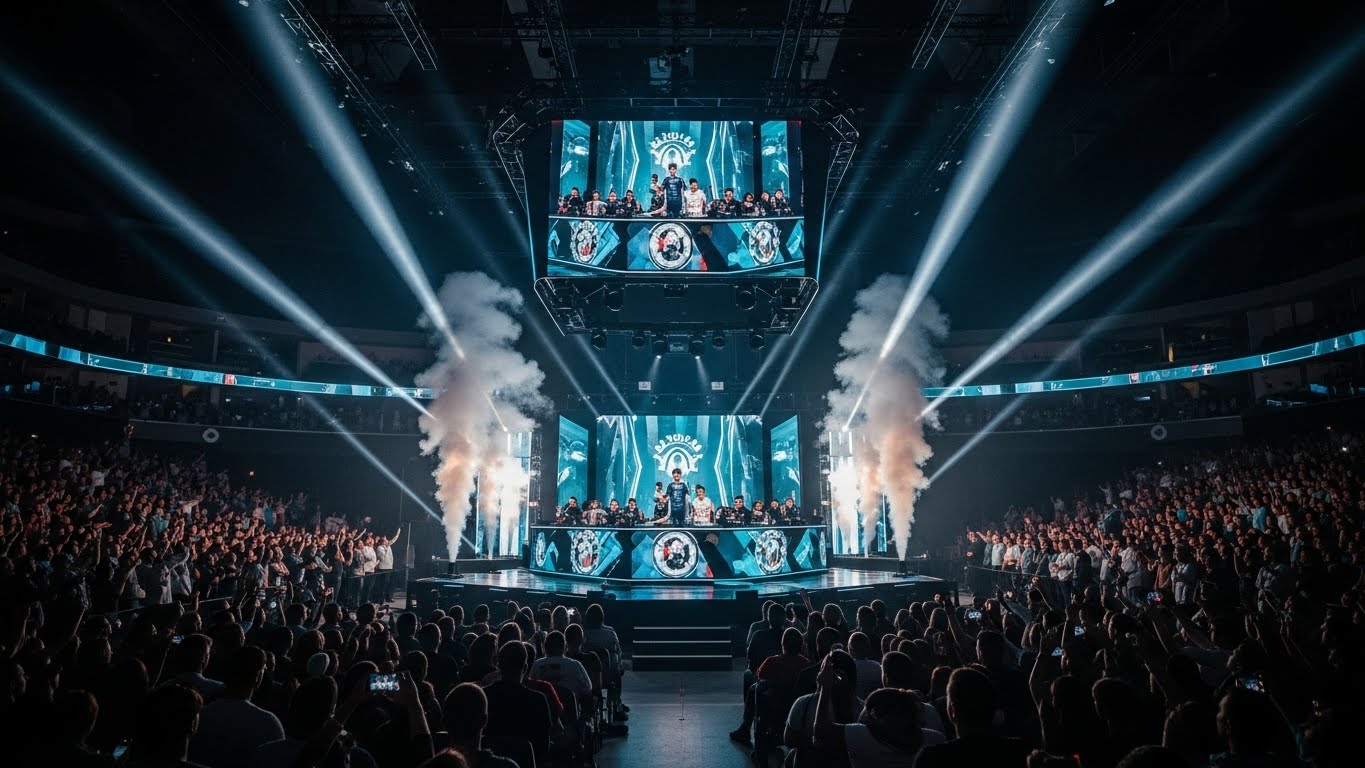
The past decade has marked a turning point for esports. What was once a niche community has grown into a massive industry with millions of players and spectators worldwide. Professional tournaments now fill large arenas, while online broadcasts reach global audiences in real time.
Game developers, sponsors, media companies, and investors have played a major role in accelerating this growth. Esports events now rival traditional sporting competitions in terms of viewership and production quality. This rapid expansion has positioned esports as one of the fastest-growing entertainment sectors in the world.
The Skills Behind Competitive Gaming
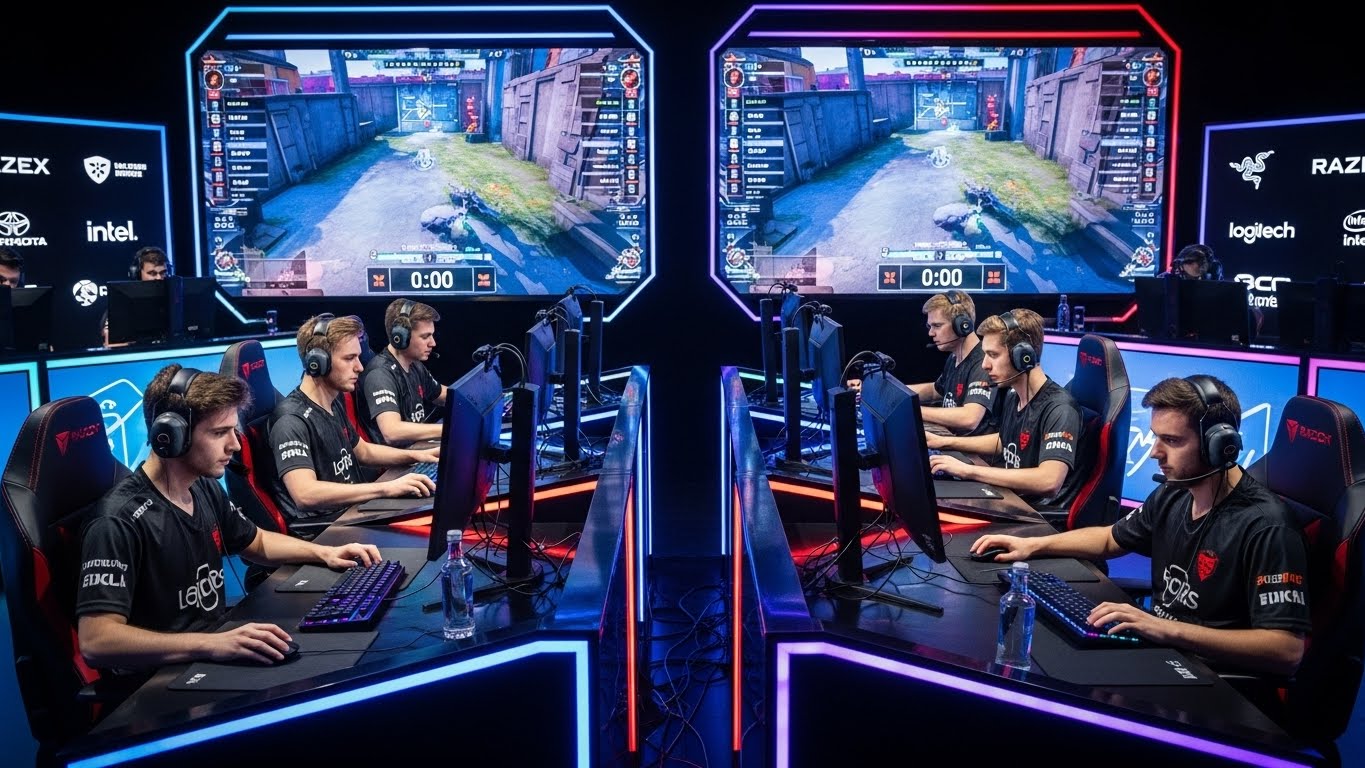
Contrary to outdated stereotypes, esports requires a complex set of skills that extend far beyond simple gameplay. Professional players must master precise hand-eye coordination, fast reaction times, and deep knowledge of game mechanics. Strategic planning and adaptability are essential, as matches can change direction in seconds.
Team-based esports place a strong emphasis on communication and leadership. Players must work together seamlessly, often coordinating complex strategies under intense pressure. Mental resilience is equally important, as high-stakes matches demand focus, emotional control, and the ability to recover from setbacks.
Training and Discipline in Esports
Professional esports players follow demanding training routines comparable to those of traditional athletes. Daily schedules often include hours of gameplay practice, strategy review, team meetings, and individual skill development. Scrimmages against other teams help players refine tactics and adapt to evolving competitive environments.
Physical health is increasingly recognized as essential for performance. Many organizations now encourage regular exercise, proper nutrition, and structured rest to maintain long-term player well-being. Mental health support has also become a priority, as players face stress, public scrutiny, and performance pressure throughout their careers.
Esports and the Power of Community
One of esports’ greatest strengths lies in its ability to build communities. Players and fans from different backgrounds, cultures, and countries connect through shared passion for games and competition. Online platforms allow fans to follow teams, discuss strategies, and celebrate victories together.
Esports communities often extend beyond competition, fostering friendships, mentorships, and creative collaboration. Content creators, commentators, and analysts contribute to this ecosystem, enriching the fan experience and strengthening the sense of belonging within the esports world.
Career Opportunities Beyond Playing
While professional players often receive the most attention, esports offers a wide range of career opportunities beyond competitive play. Coaches, analysts, team managers, broadcasters, event organizers, and marketers all play vital roles in the industry.
Game designers and developers also benefit from the growth of esports, as competitive communities drive innovation and long-term engagement. Educational institutions have begun offering esports-related programs, preparing students for careers in management, production, and digital media within the industry.
The Role of Education in Esports Development
Esports has increasingly found a place within educational systems. Schools and universities around the world are establishing esports clubs, teams, and scholarship programs. These initiatives recognize the educational value of competitive gaming, including teamwork, problem-solving, and digital literacy.
Participation in scholastic esports can also help students develop leadership skills and confidence. By integrating esports into education, institutions provide students with new pathways to success while promoting responsible gaming habits and balanced lifestyles.
Challenges Facing the Esports Industry
Despite its success, esports faces several challenges that must be addressed for sustainable growth. Player burnout remains a significant concern, as long training hours and competitive pressure can take a toll on mental and physical health.
Ethical issues such as cheating, harassment, and match manipulation threaten the integrity of competition. Industry leaders must enforce strong regulations and promote fair play to maintain trust among players and fans.
Economic inequality is another challenge. While top-tier players and teams earn substantial income, many aspiring competitors struggle with financial instability. Creating more accessible development pathways is essential for nurturing future talent.
Esports and Cultural Influence
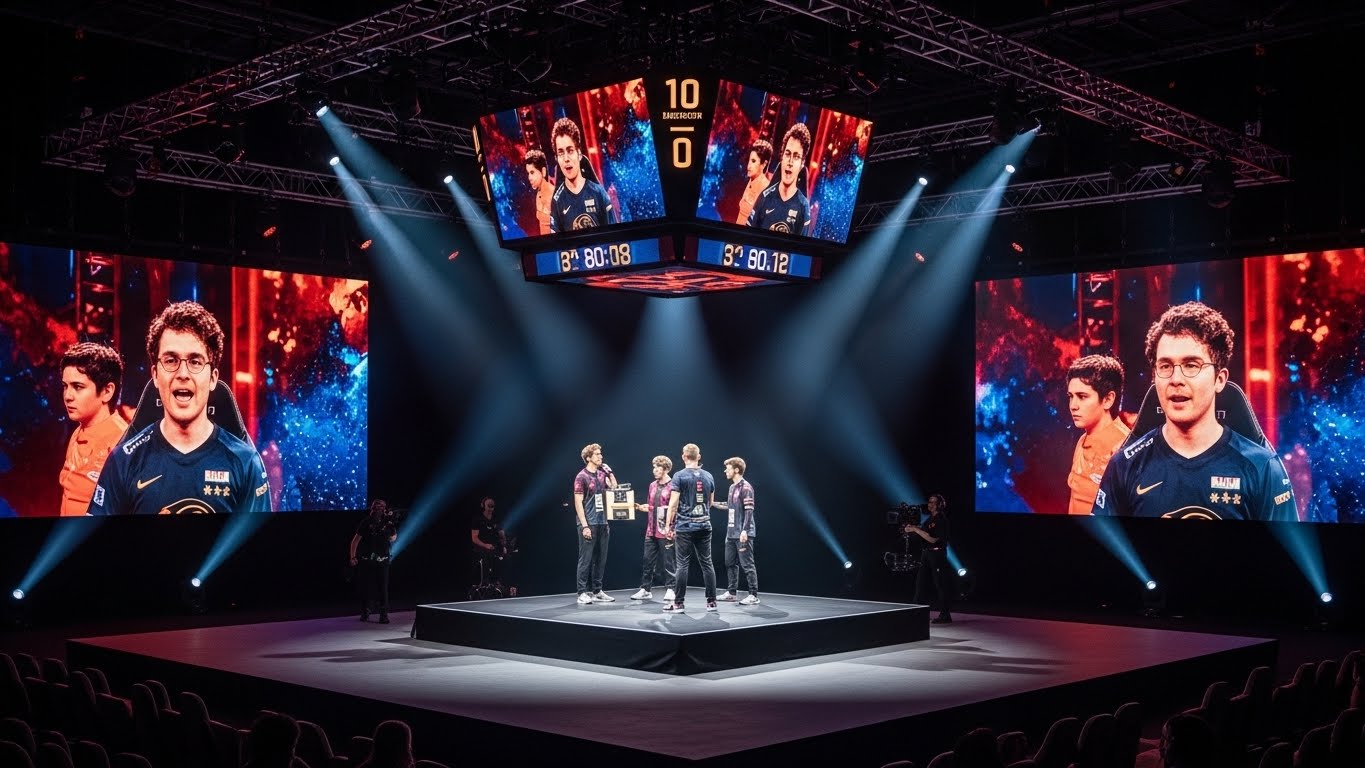
Esports has become a powerful cultural force, influencing fashion, music, language, and online trends. Professional players are now global personalities whose influence extends beyond gaming. Their stories inspire fans and challenge traditional ideas about success and competition.
The rise of esports has also shifted perceptions of gaming. Once viewed as an isolated activity, gaming is now recognized as a social, creative, and competitive pursuit. Esports demonstrates how digital environments can foster meaningful connections and shared experiences.
The Future of Esports Competition
The future of esports is shaped by technological advancement and cultural acceptance. Emerging technologies such as virtual reality, augmented reality, and artificial intelligence may redefine how games are played and experienced. These innovations could create more immersive competitions and interactive viewing experiences.
Esports is also likely to continue integrating with mainstream sports and entertainment. Collaborations with traditional sports organizations and global events will further legitimize esports and expand its audience. As infrastructure improves and inclusivity increases, esports will become even more accessible worldwide.
Conclusion: A New Era of Competitive Excellence
Esports represents a fundamental shift in how competition is understood in the digital age. It combines skill, strategy, technology, and community into a dynamic and evolving ecosystem. From its grassroots origins to its global presence, esports has proven that competition is not limited to physical arenas.
As challenges are addressed and opportunities continue to grow, esports will remain at the forefront of modern entertainment. It is not merely a trend but a lasting movement that reflects the creativity, ambition, and connectivity of a digital generation. Esports has moved from pixels to podiums, and its journey is only just beginning.