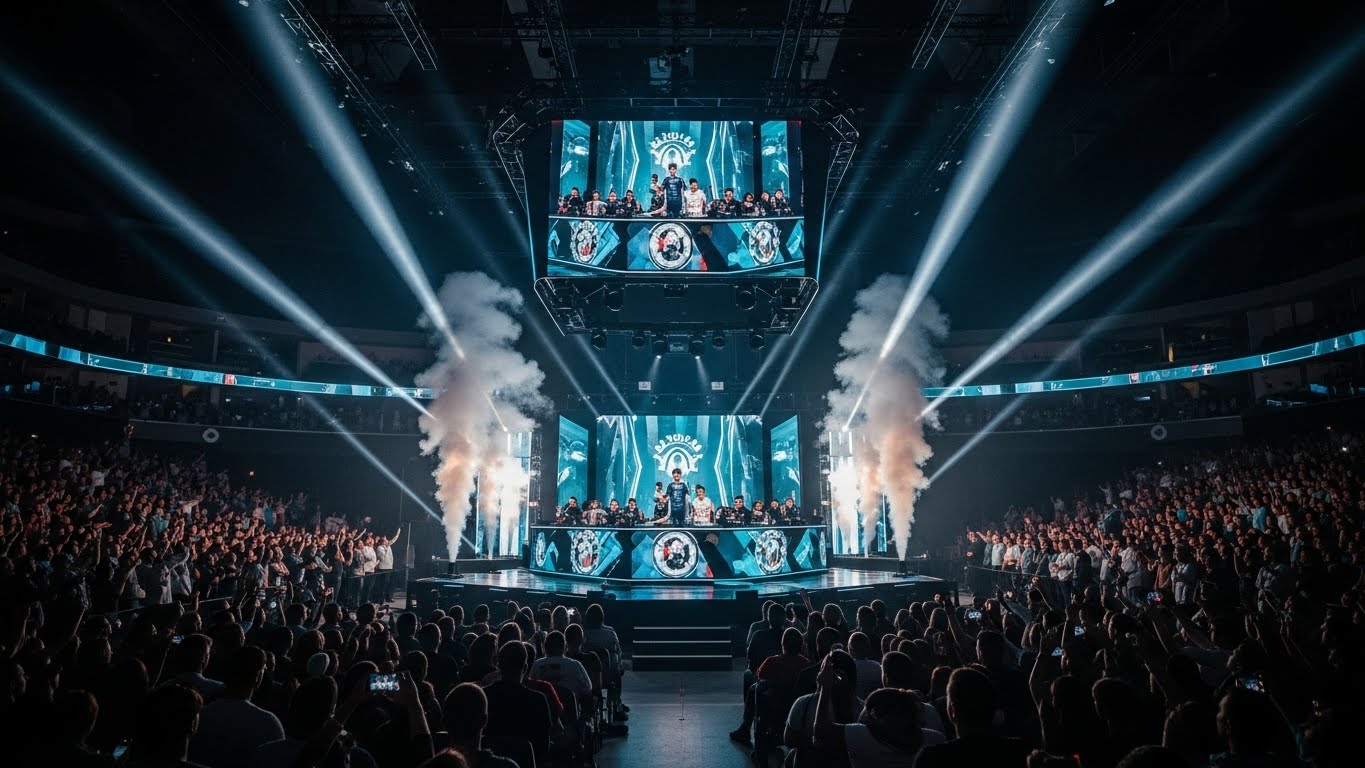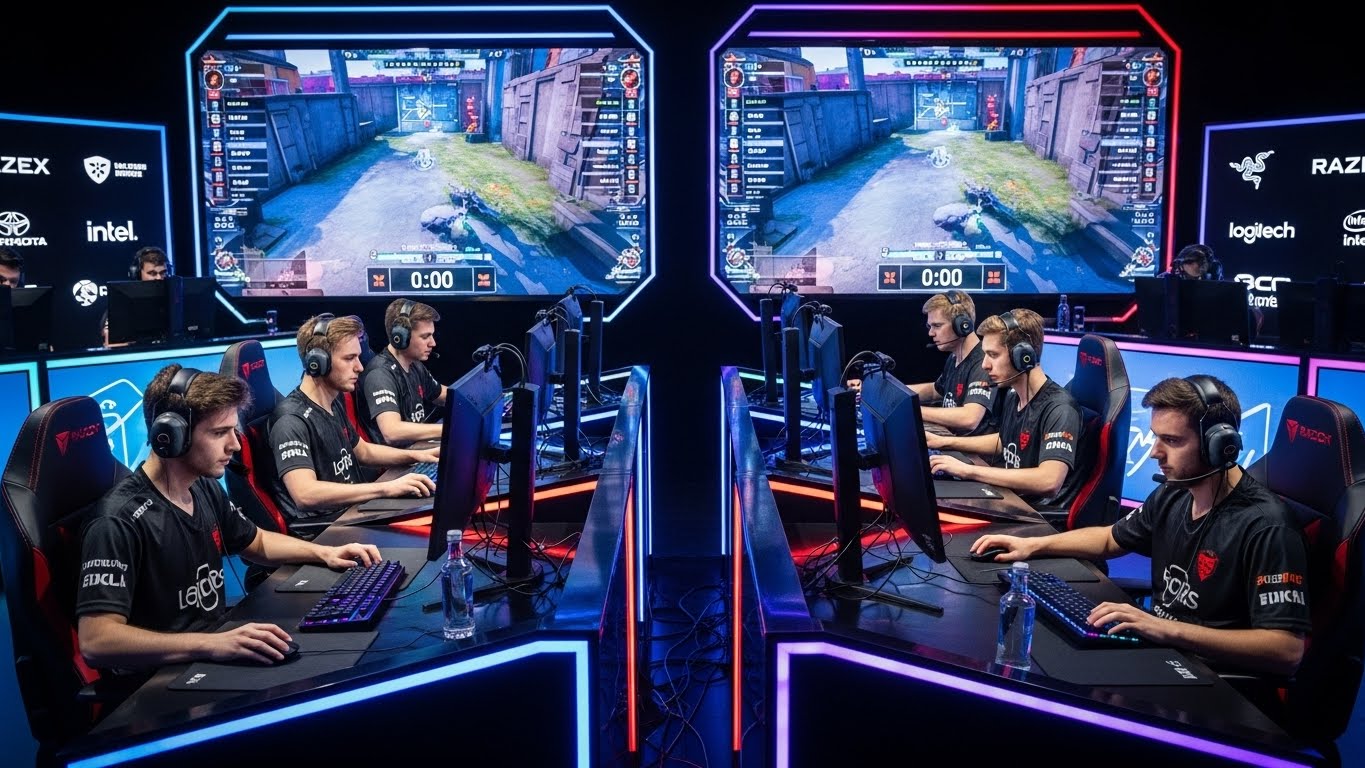
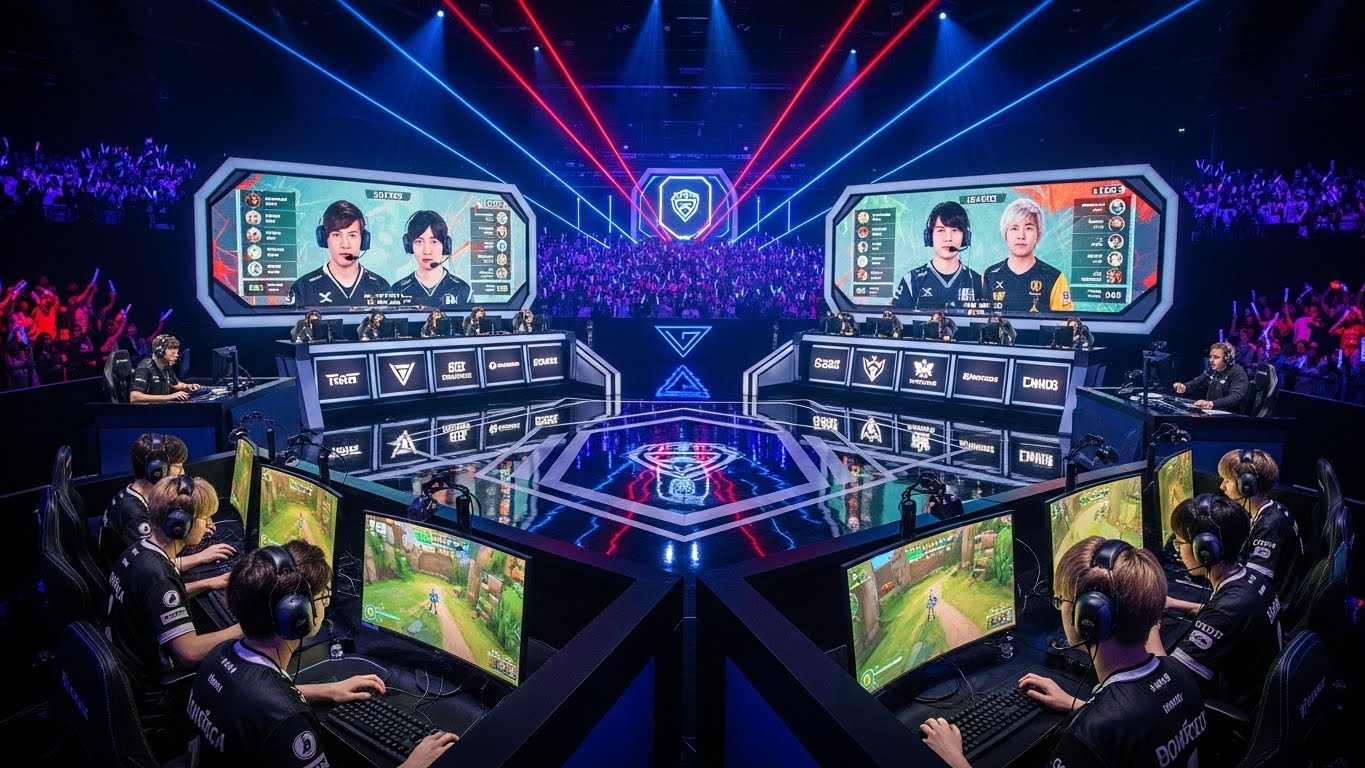
Esports, or competitive video gaming, has rapidly transformed from a niche hobby into a global phenomenon. What began as casual online gaming competitions has evolved into an industry worth billions, captivating audiences worldwide. With professional teams, international tournaments, sponsorships, and a growing fanbase, esports is challenging traditional notions of sports, entertainment, and career opportunities. In this blog, we will explore the origins, growth, benefits, challenges, and future of esports, highlighting why it has become a cultural and economic powerhouse.
Understanding Esports
Esports refers to organized, competitive video gaming. Players, often professionals, compete individually or in teams across various game genres, including multiplayer online battle arenas (MOBAs), first-person shooters (FPS), real-time strategy (RTS) games, and sports simulations. Popular titles such as League of Legends, Dota 2, Counter-Strike: Global Offensive, and Fortnite have become central to the esports ecosystem.
Unlike casual gaming, esports emphasizes skill, strategy, teamwork, and reflexes. Matches are often streamed live, attracting millions of viewers globally. Players train rigorously, much like traditional athletes, focusing on game mechanics, communication, and mental conditioning. This level of professionalism has contributed to esports being recognized as a legitimate career path for many young enthusiasts.
The Origins of Esports
The roots of esports can be traced back to the late 1970s and early 1980s with arcade competitions and early computer game tournaments. However, it was the rise of the internet in the 1990s that enabled competitive gaming to flourish on a global scale. Online platforms allowed players from different regions to compete in real-time, fostering a sense of community and rivalry.
The early 2000s marked the professionalization of esports with organized leagues, sponsorships, and televised tournaments. Countries like South Korea were pioneers in this transformation, with esports becoming a mainstream cultural phenomenon. Internet cafes and professional gaming houses provided players with structured training environments, setting the stage for the modern esports industry.
The Global Growth of Esports
Esports has experienced exponential growth in the past decade. Today, it attracts millions of players, viewers, and investors worldwide. Major tournaments, such as The International for Dota 2, the League of Legends World Championship, and the Fortnite World Cup, offer multi-million-dollar prize pools, rivaling traditional sports events.
Streaming platforms like Twitch, YouTube Gaming, and Facebook Gaming have revolutionized how audiences engage with esports. Fans can watch live matches, interact with players, and follow their favorite teams and influencers. Social media also plays a crucial role, creating global communities around specific games, events, and personalities.
The growth of esports is not limited to professional players and tournaments. Collegiate esports programs, amateur leagues, and local competitions have provided opportunities for broader participation. Schools and universities now recognize esports as a legitimate extracurricular activity, promoting teamwork, strategic thinking, and digital literacy.
Benefits of Esports
Esports offers numerous benefits for players, fans, and society as a whole.
Cognitive and Mental Skills: Competitive gaming enhances problem-solving, strategic thinking, multitasking, and reflexes. Many esports titles require split-second decision-making, effective communication, and critical thinking under pressure. These skills are transferable to real-world scenarios, including education and professional environments.
Social Connection and Community: Esports fosters social interaction and collaboration. Online multiplayer games encourage teamwork, communication, and leadership. Fans and players alike form communities that transcend geographical boundaries, uniting people with shared interests and passions.
Career Opportunities: Beyond playing professionally, esports provides a range of career options, including coaching, game analysis, content creation, broadcasting, event management, and marketing. Sponsorships and endorsements also open financial avenues for talented players and influencers.
Inclusivity and Accessibility: Esports can be more inclusive than traditional sports. Physical limitations are less of a barrier, enabling participation for individuals who may face challenges in conventional athletic activities. The digital nature of esports allows players from various backgrounds to compete on an equal footing.
The Professional Esports Ecosystem
The professional esports ecosystem mirrors that of traditional sports, with teams, leagues, sponsors, and fan engagement. Professional players often sign contracts with organizations, receiving salaries, benefits, and access to training facilities. Teams employ coaches, analysts, and psychologists to optimize performance.
Major esports tournaments attract sponsorships from global brands, ranging from technology companies to consumer goods. Advertising revenue and merchandising further contribute to the financial viability of the industry. Successful esports organizations have grown into global brands, leveraging media rights, content creation, and community engagement to expand their reach.
Training for esports is intense and highly structured. Professional players often practice for several hours daily, focusing on mechanics, strategies, and teamwork. Mental health and physical fitness are increasingly prioritized, with nutritionists, therapists, and physical trainers supporting players’ overall well-being.
Challenges Facing Esports
Despite its rapid growth, esports faces challenges that must be addressed to ensure sustainable development.
Health Concerns: Extended screen time, repetitive movements, and high-stress environments can lead to physical and mental health issues. Eye strain, carpal tunnel syndrome, sleep disruption, and burnout are common concerns for competitive players. Maintaining a balanced lifestyle and integrating physical activity is essential.
Recognition and Legitimacy: While esports is gaining mainstream acceptance, it still faces skepticism from certain quarters. Critics argue that gaming lacks the physicality of traditional sports, which can impact its recognition in schools, governments, and media. Continued education about the skill, discipline, and professionalism involved in esports is necessary to overcome these perceptions.
Ethics and Fair Play: Issues such as cheating, doping, match-fixing, and harassment have emerged in the esports world. Organizations must implement strict regulations, fair-play policies, and player protections to maintain credibility and trust within the community.
Economic Sustainability: While top-tier esports tournaments generate massive revenue, smaller leagues and players often struggle financially. Ensuring equitable distribution of resources, sponsorships, and opportunities remains a key challenge for the industry.
The Future of Esports
The future of esports is promising, with technological advancements and societal trends shaping its evolution. Virtual reality (VR) and augmented reality (AR) have the potential to revolutionize gameplay and viewer experience, creating immersive and interactive environments. Artificial intelligence could enhance training, strategy, and game analysis, offering new levels of precision and insight.
Esports is also poised to integrate further into mainstream culture. Collaboration with traditional sports leagues, media outlets, and educational institutions will broaden its reach. As more governments recognize esports as an official sport, opportunities for scholarships, professional development, and global competitions will expand.
Additionally, the growing focus on inclusivity and accessibility will make esports more welcoming for diverse participants. Programs designed for women, differently-abled players, and underrepresented communities are increasing, fostering a more equitable and vibrant esports ecosystem.
Esports as a Cultural Phenomenon
Esports is not just a competitive activity; it is a cultural movement. It reflects the values, creativity, and innovation of the digital generation. Esports influences fashion, music, entertainment, and social media trends, blurring the lines between gaming and mainstream culture.
Professional gamers have become celebrities and influencers, inspiring millions of fans worldwide. Their stories of dedication, resilience, and skill resonate with audiences, creating aspirational narratives similar to traditional athletes. Esports events are celebrated like festivals, combining competition, entertainment, and community engagement.
Moreover, esports challenges traditional definitions of sports, demonstrating that athleticism can extend beyond physical exertion. Cognitive ability, strategy, and reflexes are equally celebrated, redefining what it means to compete at the highest level.
Conclusion: The New Era of Competition
Esports has firmly established itself as a global phenomenon, blending competition, entertainment, and culture. Its growth reflects the changing landscape of recreation, technology, and social interaction. From cognitive benefits and career opportunities to community building and cultural impact, esports offers value far beyond the screen.
As the industry matures, it will continue to face challenges such as health concerns, recognition, and ethical issues. However, the potential for growth, innovation, and positive societal impact is immense. Esports is not merely a pastime; it is a legitimate and evolving form of competition that empowers players, engages audiences, and shapes modern culture.
In the digital era, esports represents the future of competitive entertainment, bridging technology, skill, and community in ways never imagined before. Whether as a player, fan, or professional within the ecosystem, engaging with esports offers a unique experience that challenges, entertains, and inspires.