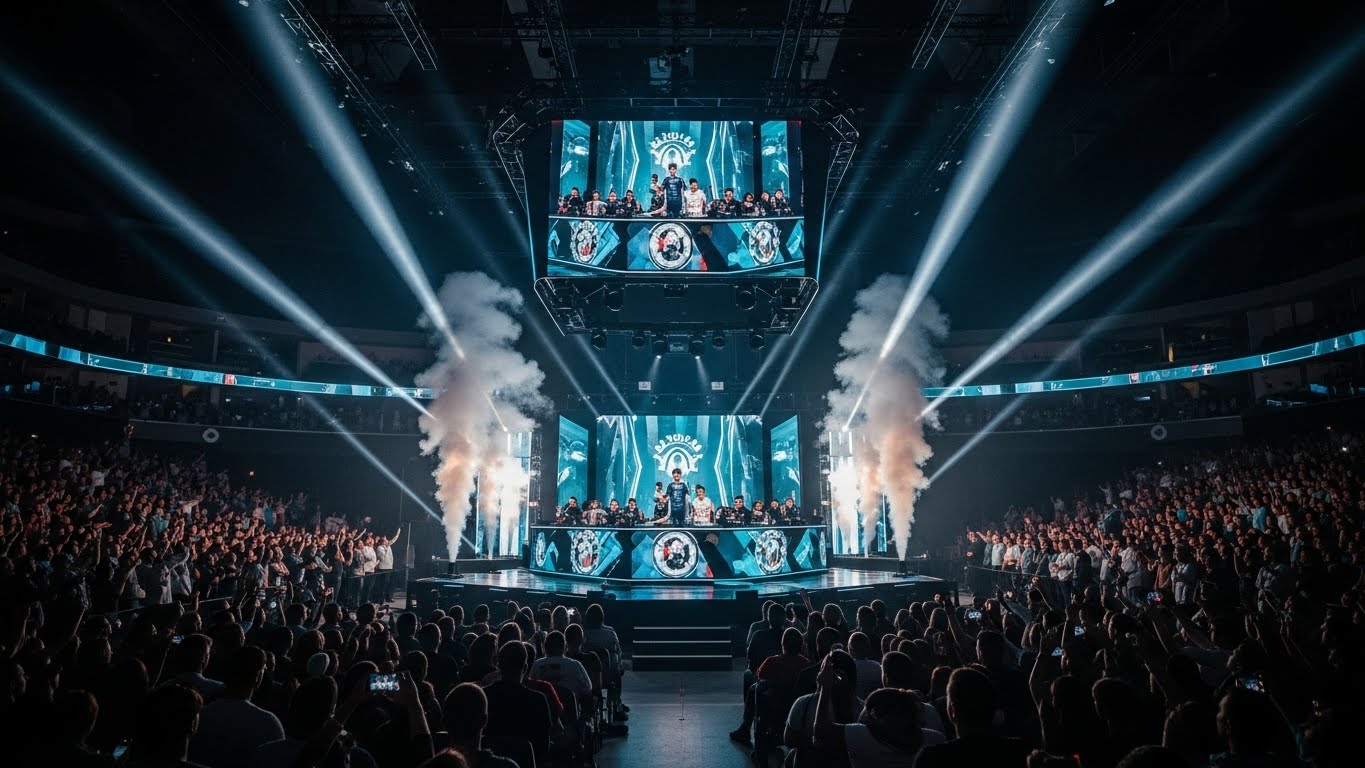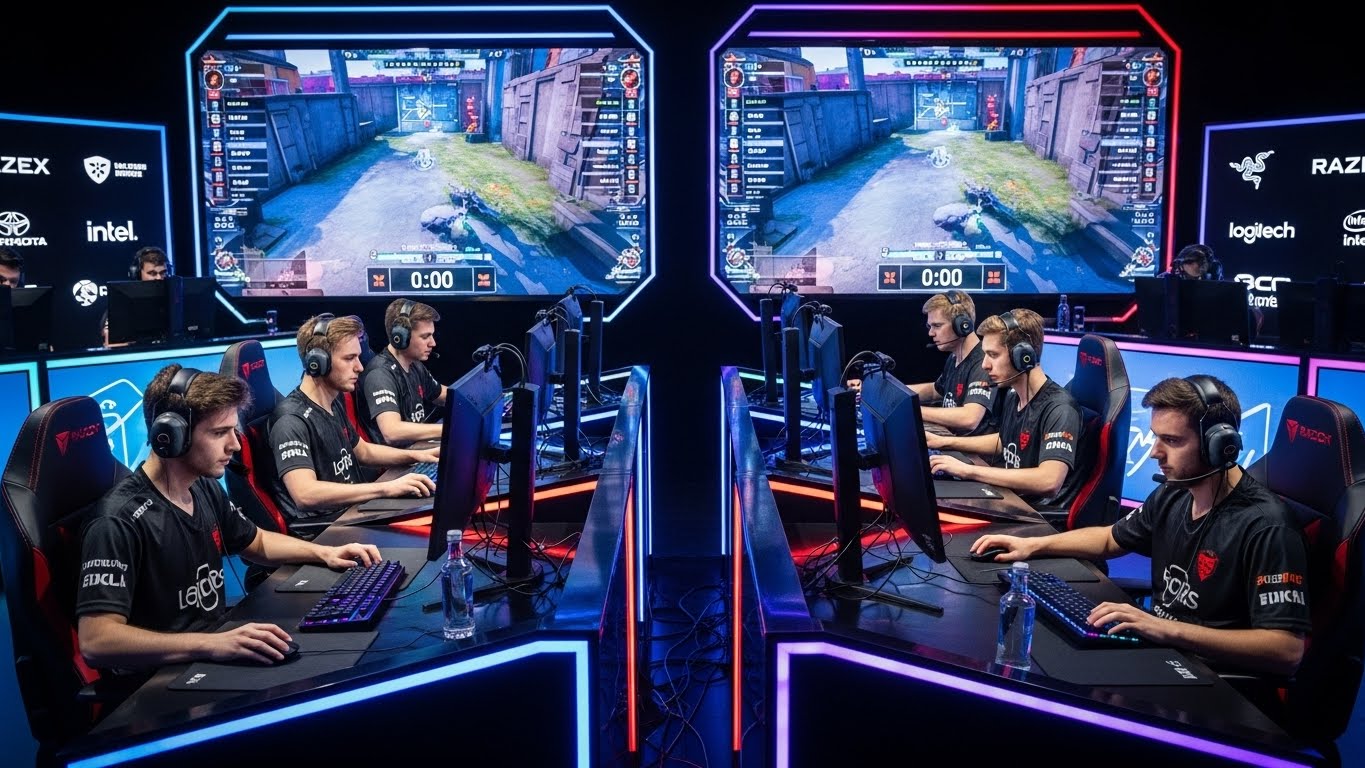
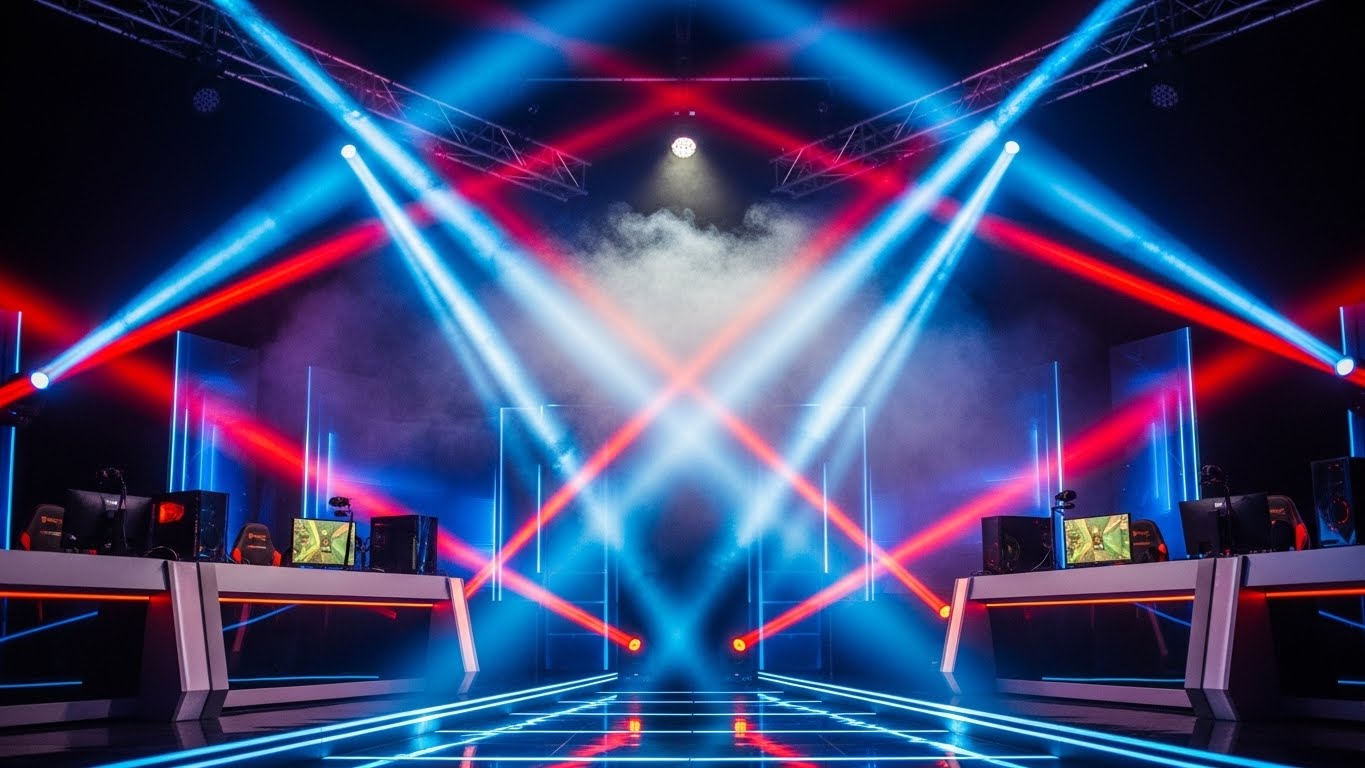
Esports, once considered a niche hobby for gamers, has grown into a global phenomenon, reshaping entertainment, competition, and digital culture. With millions of players, fans, and viewers worldwide, esports has transcended its origins to become a legitimate form of professional sport. From casual online tournaments to stadium-packed international championships, the rise of esports demonstrates how digital platforms are redefining what it means to compete, connect, and inspire in the modern era.
The Rise of Esports
The evolution of esports is closely tied to advancements in technology and internet connectivity. In the early 2000s, competitive gaming was limited to local networks and small tournaments, but as high-speed internet became widespread, players could compete across continents. Games like StarCraft, Counter-Strike, and Dota 2 became the first titles to cultivate competitive communities, laying the groundwork for organized esports leagues.
Over the past decade, the industry has seen exponential growth, both in terms of players and audience. Platforms like Twitch and YouTube Gaming transformed how fans watch and engage with games, making live streaming a central element of esports culture. Professional leagues now operate much like traditional sports, with teams, sponsorships, broadcasting rights, and global fanbases, further legitimizing esports as a serious competitive field.
Esports as a Professional Career
The emergence of esports as a professional career is one of the most remarkable developments in the modern gaming landscape. Professional gamers dedicate hours of practice to hone their skills, often rivaling the training schedules of traditional athletes. Top players earn substantial incomes through tournament winnings, sponsorships, streaming revenue, and brand endorsements.
In addition to players, esports careers include coaches, analysts, commentators, event organizers, and content creators. This ecosystem creates opportunities for diverse talents to thrive, from strategic minds analyzing gameplay to entertainers engaging fans. The professionalization of esports has also led to structured training programs and academies, demonstrating a level of discipline and dedication comparable to conventional sports.
The Role of Technology in Esports
Technology is the backbone of esports. High-performance computers, gaming consoles, fast internet connections, and advanced software all contribute to the competitive environment. Innovations such as AI-driven analytics, real-time performance tracking, and immersive virtual reality experiences are continuously enhancing both gameplay and spectator experiences.
Streaming platforms also play a pivotal role in shaping the esports industry. Real-time broadcasting allows fans to interact with players, comment on matches, and participate in virtual communities. The integration of social media amplifies this engagement, creating a feedback loop where players, fans, and sponsors mutually benefit. Technology not only drives the sport itself but also strengthens its global cultural footprint.
Mental and Physical Demands of Competitive Gaming
While esports is often perceived as a sedentary activity, professional gaming places significant mental and physical demands on participants. Players require exceptional hand-eye coordination, reflexes, strategic thinking, and teamwork. High-level competition involves analyzing opponents’ behavior, making split-second decisions, and maintaining focus for extended periods. Mental endurance, problem-solving skills, and adaptability are crucial for success.
Physical well-being is equally important. Many professional players follow strict exercise routines, nutritional plans, and sleep schedules to maintain peak performance. Esports organizations increasingly prioritize player health to prevent burnout and injuries such as repetitive strain or vision problems. This holistic approach underscores that esports is more than just playing games—it is a disciplined, demanding profession that blends mental acuity with physical care.
The Cultural Impact of Esports
Esports has influenced modern culture in profound ways. It has fostered communities that transcend geographic boundaries, uniting players and fans with shared passions. Online forums, streaming platforms, and social media allow fans to discuss strategies, celebrate victories, and engage in debates about their favorite games and players.
Esports has also impacted popular culture by inspiring content, merchandise, and media collaborations. Influential players and teams are cultural icons, shaping trends and generating fan loyalty similar to traditional athletes. Tournaments are celebrated events, complete with opening ceremonies, fan interactions, and high-energy performances, blurring the lines between sports, entertainment, and digital spectacle.
Esports and Education
The rise of esports has extended into educational settings as well. Schools and universities now offer esports programs, scholarships, and competitive teams. These initiatives encourage students to develop strategic thinking, teamwork, and communication skills while pursuing their passion for gaming. Academic programs in esports management, game design, and digital marketing are emerging, reflecting the growing recognition of esports as a legitimate industry with professional pathways.
Esports in education also promotes inclusivity, offering opportunities to students who may excel in digital environments rather than traditional physical sports. It reinforces critical thinking, problem-solving, and leadership skills while nurturing creativity and innovation in a collaborative environment.
Diversity and Inclusion in Esports
Esports is gradually becoming more diverse and inclusive, breaking down traditional barriers related to gender, ethnicity, and physical ability. Women’s participation in competitive gaming is rising, and organizations are increasingly supporting gender equity initiatives. Adaptive esports programs for players with disabilities are also gaining recognition, emphasizing that skill and dedication matter more than physical limitations.
The international nature of esports allows for cross-cultural interaction and collaboration. Teams often include players from multiple countries, fostering multicultural understanding and respect. This inclusivity strengthens the industry, creating a welcoming environment where talent is valued above background.
Economic Impact of Esports
The economic impact of esports is substantial and growing. Revenue streams include tournament prize pools, sponsorship deals, merchandise sales, media rights, and online content monetization. Major tournaments attract millions of viewers worldwide, generating advertising revenue and tourism for host cities. Corporations increasingly recognize esports as a marketing platform to reach younger, tech-savvy audiences, fueling industry growth.
Esports also supports a thriving entrepreneurial ecosystem. Game developers, hardware manufacturers, event organizers, and digital platforms all contribute to a dynamic marketplace. This economic ecosystem demonstrates that esports is not only a cultural phenomenon but also a significant driver of innovation, business opportunities, and job creation in the digital age.
Esports and Social Interaction
Contrary to the stereotype of gamers as isolated individuals, esports fosters significant social interaction. Online teams, communities, and tournaments encourage collaboration, communication, and teamwork. Players learn to coordinate strategies, resolve conflicts, and support one another under pressure. Fans engage through discussions, fan art, and content creation, forming vibrant digital communities that transcend geographical limitations.
Esports also provides a platform for mentorship. Experienced players guide newcomers, sharing strategies, tips, and insights, promoting skill development and personal growth. These social connections are not limited to virtual spaces—they often translate into real-world friendships, networking opportunities, and collaborative ventures.
The Future of Esports
The future of esports is poised for remarkable expansion. Emerging technologies such as virtual reality, augmented reality, and AI-driven analytics will continue to reshape gameplay and fan experiences. Integration with mainstream sports, entertainment, and media platforms is likely to increase, further elevating esports’ visibility and influence.
As professional structures mature, issues such as mental health, fair competition, and ethical sponsorship practices will become central to the industry’s development. Esports organizations and governing bodies will need to balance growth with responsibility, ensuring that players, fans, and stakeholders benefit equitably. The evolution of esports is not just about bigger tournaments or higher prize pools—it is about establishing a sustainable, inclusive, and globally recognized industry.
Conclusion: Esports as a Defining Element of Modern Culture
Esports represents more than competitive gaming; it is a cultural, economic, and social phenomenon that continues to shape the digital era. It challenges traditional notions of sport, redefining competition through virtual arenas and online communities. Esports nurtures discipline, strategy, creativity, and teamwork, providing opportunities for professional careers, social connection, and personal growth.
As technology advances and audiences expand, esports will continue to influence entertainment, education, and cultural trends. It serves as a powerful reminder that competition, dedication, and passion transcend physical boundaries, proving that digital arenas can inspire just as profoundly as traditional sports. In an increasingly connected world, esports exemplifies how innovation and human ingenuity combine to create a vibrant, inclusive, and transformative cultural movement.