Introduction
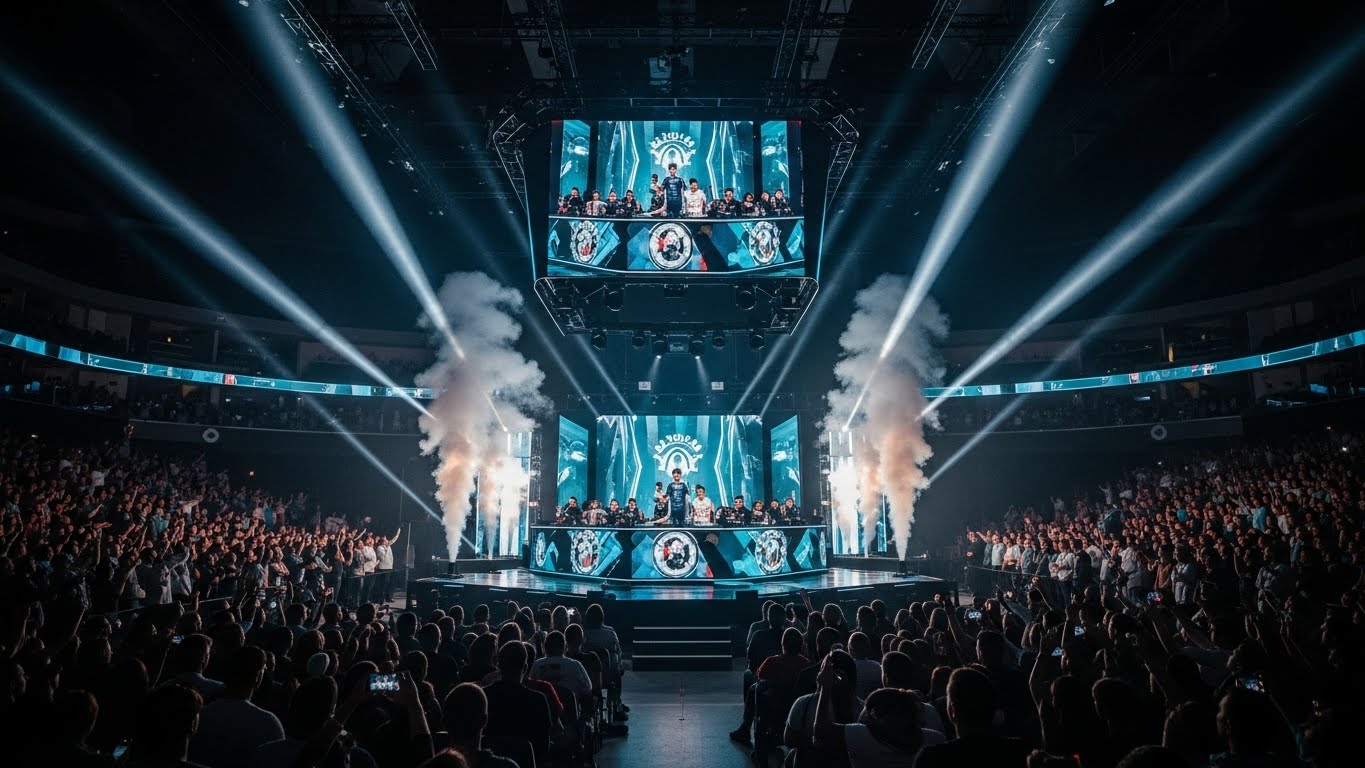
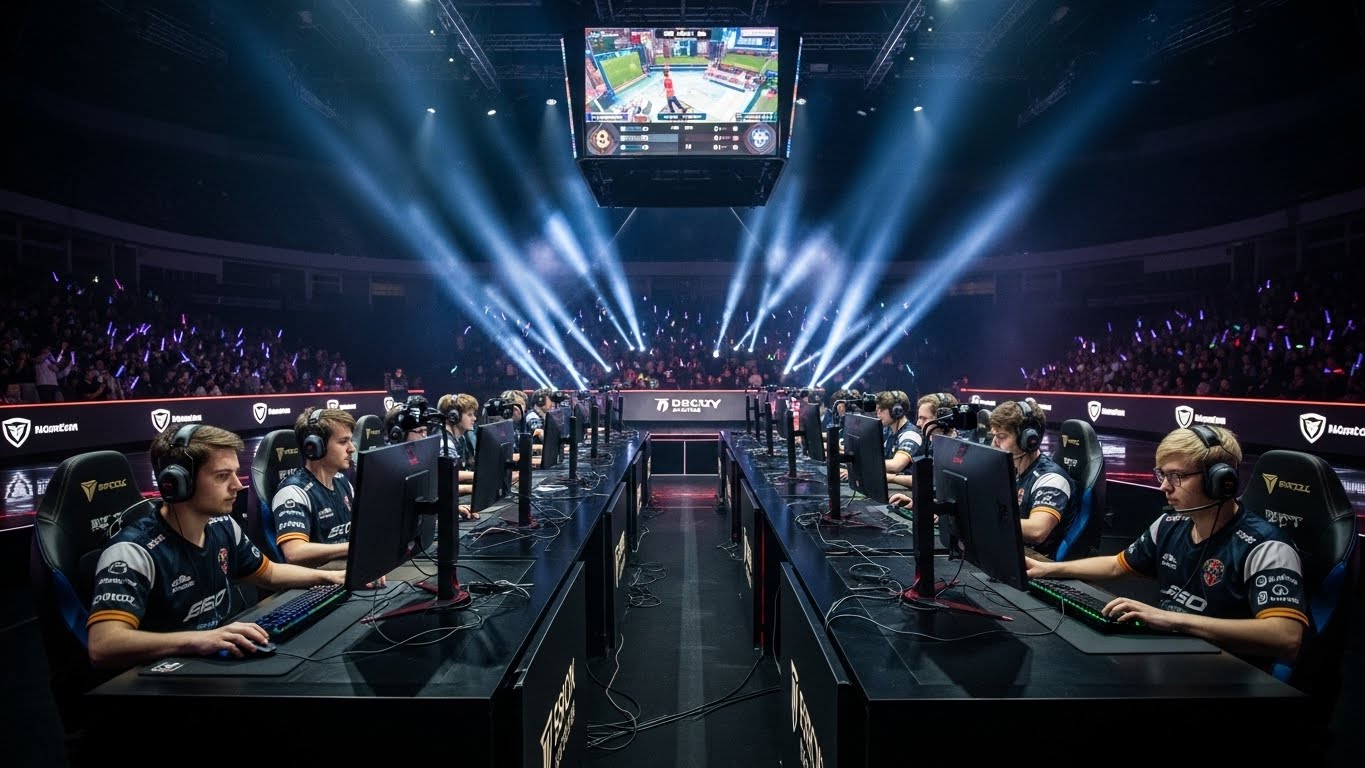
In the span of just a few decades, esports has grown from a niche hobby enjoyed by small communities into a global industry worth billions. Today, professional gaming tournaments fill stadiums, online streams draw millions of viewers, and elite players compete for prize pools that rival traditional sports. The rise of esports is not simply a story about video games; it is a narrative of technology, culture, community, and opportunity. This blog explores how esports evolved, why it matters, and what the future may hold for this fast-growing digital arena.
The Origins of Esports
The concept of competitive gaming is older than many people assume. In the early days of arcade machines, players gathered to set high scores and challenge one another. What began as informal competition gained momentum as technology advanced. By the late twentieth century, local tournaments and community events were common, though the scale remained modest.
The turning point came with the spread of home computers and early multiplayer games. Titles such as early first-person shooters and real-time strategy games sparked the first organized competitions. Although internet speeds were slow and systems were limited, the excitement around competing with players worldwide set the foundation for modern esports.
By the early 2000s, the competitive gaming landscape had started forming its identity. Leagues were created, professional teams emerged, and sponsorship deals began to appear. Even at this early stage, esports was showing signs of becoming much more than a casual pastime.
The Role of Technology in Esports Growth
The explosive growth of esports would not have been possible without rapid technological advancement. Broadband internet, improved hardware, and advanced game design transformed the gaming experience from something personal to a massively connected ecosystem.
High-performance gaming PCs and consoles allowed games to be more complex, immersive, and competitive. Online matchmaking systems introduced ranking and skill tiers, letting players compete with opponents at similar levels. Streaming platforms provided an entirely new way for fans to watch matches in real time.
Technology also democratized participation. Anyone with a decent device and internet connection could practice, compete, and potentially be discovered. This accessibility contributed significantly to the global expansion of esports, allowing players from all regions and backgrounds to join the competitive scene.
The Rise of Professional Esports Players
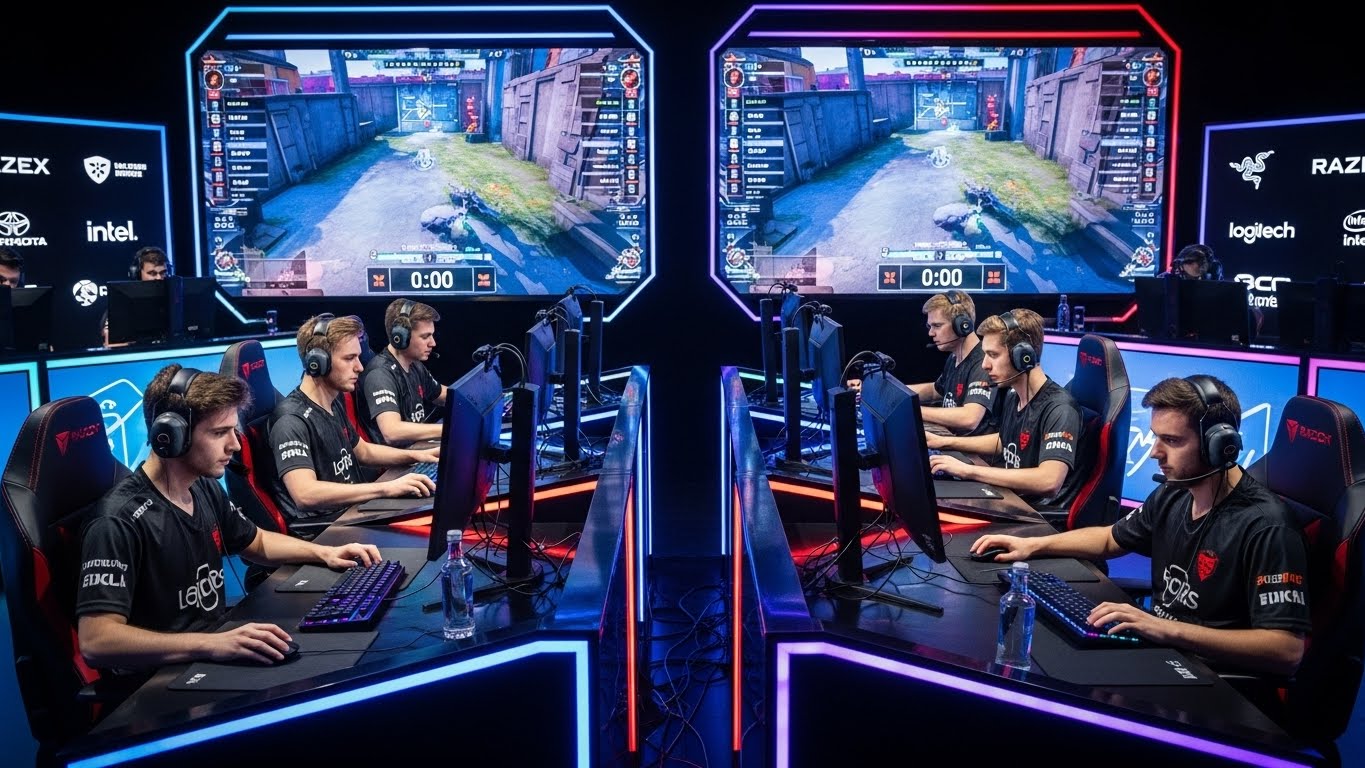
Professional esports players are often compared to traditional athletes, and this comparison is increasingly accurate. They train for long hours, study strategies, analyze opponents, and maintain mental discipline. Top competitors can react with incredible speed, solve in-game problems instantly, and execute complex maneuvers under pressure.
Many players begin their careers in online ranked matches before joining amateur teams. Organizations scout promising talent, offering contracts that include salaries, coaching, performance analysts, and even nutrition guidance. The pressure is intense, but the rewards are significant for those who reach the top.
The success stories of professional players have inspired millions. Their journeys show that a hobby can evolve into a respected career, something unimaginable to earlier generations of gamers.
Major Esports Genres and Games
Esports spans a wide range of games, each attracting its own dedicated fan base. Several genres stand out as the most influential in the competitive landscape.
Multiplayer Online Battle Arena Games
These games challenge teams to battle across strategic maps using a variety of characters. They require teamwork, coordination, and deep knowledge of game mechanics.
First-Person Shooters
Speed, precision, and quick reactions are essential in this genre. Matches are often fast-paced and intense, appealing to fans who enjoy high-energy competition.
Battle Royale Games
These games place many players into a large arena, where they fight until only one remains. The unpredictability and survival element make them highly entertaining to watch.
Sports and Racing Games
These titles emulate real-world sports and have their own competitive scenes. They attract fans who enjoy familiar rules and gameplay grounded in physical sports.
Fighting Games
One-on-one combat titles remain a staple of esports due to their strategic depth and thrilling duels. Every match becomes a test of skill, timing, and mind games.
Despite their differences, these genres share one common factor: they reward skill, strategy, and practice, making them suitable for professional competition.
The Influence of Streaming and Content Creators
Streaming platforms transformed esports from a pastime into a global entertainment powerhouse. Millions of fans tune in daily to watch matches, follow their favorite players, or learn strategies. This shift did not just benefit esports organizations; it created a new type of celebrity.
Content creators who broadcast gameplay, offer tutorials, or entertain viewers play a major role in shaping gaming culture. Some began as casual players and grew into influencers with massive followings. Their presence supports esports by increasing visibility, building communities, and attracting new fans.
This synergy between streaming and competitive gaming has created an ecosystem where players, fans, creators, and brands interact in meaningful ways. It is one of the reasons esports continues to grow at an incredible pace.
Esports as an Educational and Career Opportunity
Esports is no longer just a pastime; it is increasingly recognized as a legitimate field for education and career development. Universities around the world now offer scholarships to talented players, supporting both their academic and gaming aspirations. Academic programs explore game design, broadcasting, management, psychology, and other areas related to the industry.
Career paths in esports extend beyond playing professionally. Opportunities include coaching, event production, marketing, commentary, game development, and team management. The industry now employs thousands of people across various disciplines.
This shift proves that esports is more than entertainment. It is an innovative field that encourages creativity, technology, communication, and leadership. For young people who grew up with games, it offers a world of possibilities.
The Global Community of Esports
One of the most powerful aspects of esports is its ability to unite people across the world. Cultural, geographic, and language barriers diminish when players enter a digital arena. Fans cheer for international teams, attend global tournaments, and engage in online communities.
Esports events create a sense of shared excitement similar to traditional sports. Fans celebrate victories, analyze strategies, and build friendships. The community aspect is what makes esports truly special.
This global unity also encourages inclusivity. People of different backgrounds, identities, and abilities participate in esports, finding a space where they can compete, express themselves, and connect with others.
Challenges Facing the Esports Industry
Despite its rapid growth, esports faces several challenges that require thoughtful solutions. Player burnout is a major concern due to the demanding training schedules and constant pressure. Organizations must ensure players receive proper support to protect their mental and physical health.
Another issue is maintaining integrity in competitions. As esports grows, so does the importance of fair play, anti-cheat systems, and ethical standards. Ensuring equality and accessibility remains an ongoing responsibility for industry leaders.
Financial stability for smaller teams and events also presents difficulties. Not all regions have equal resources, and some players struggle to secure support. Continued investment and global collaboration will be essential for sustainable growth.
The Future of Esports
The future of esports is bright and full of potential. Technological advancements, such as improved virtual reality, enhanced graphics, and new interactive experiences, promise to reshape competitive gaming. As more businesses, educators, and governments recognize its value, the support network around esports will strengthen further.
Mainstream acceptance will likely continue to grow. Esports may become part of school programs, professional training systems, and even larger international competitions. The line between traditional sports and digital sports may blur as society embraces both.
Most importantly, the heart of esports will always remain the players and fans. Their passion drives the industry forward, ensuring that the digital arena continues to evolve and inspire future generations.
Conclusion
Esports has transformed from a small hobby enjoyed by dedicated gamers into a global cultural force. It blends competition, community, technology, and creativity into an experience that resonates with millions. The industry’s rise reflects not only the evolution of gaming but also the expanding role of digital entertainment in modern life.
From the early days of arcade challenges to today’s massive international tournaments, esports has come a long way. Its journey is far from over, and as technology advances and audiences grow, esports will continue to shape the future of entertainment, education, and global connection.
This digital arena symbolizes more than games. It represents innovation, passion, and the endless possibilities of the online world.