Introduction: The Rise of Esports
Esports, or competitive video gaming, has transformed the world of entertainment and sports alike. Once considered a niche hobby, esports now commands millions of players and viewers globally. The rise of professional gaming leagues, live tournaments, and streaming platforms has elevated esports into a legitimate industry, rivaling traditional sports in popularity and revenue. Beyond just playing games, esports represents innovation, community, strategy, and the relentless pursuit of excellence. This blog delves into the phenomenon of esports, exploring its growth, cultural impact, professional scene, and future potential.
The Origins of Competitive Gaming
The roots of esports can be traced back to arcade competitions and early PC gaming in the 1980s and 1990s. Players would compete for high scores, trophies, or bragging rights. Titles like Street Fighter, StarCraft, and Counter-Strike became staples of competitive gaming, fostering local communities and tournaments. Early competitions were modest, often organized in small venues or online forums. However, the competitive spirit and passion of players laid the groundwork for what would eventually become a global esports industry.
The Explosion of Esports in the 21st Century
With advancements in technology, the 2000s marked a turning point for esports. Faster internet connections, multiplayer online games, and streaming platforms created a fertile ground for competitive gaming to flourish. Titles such as League of Legends, Dota 2, and Overwatch introduced organized leagues, professional teams, and global tournaments. Spectators could now watch live competitions from anywhere in the world, bridging the gap between players and audiences. This accessibility propelled esports into mainstream consciousness, attracting sponsors, investors, and media coverage.
Professional Esports: Training, Teams, and Strategy
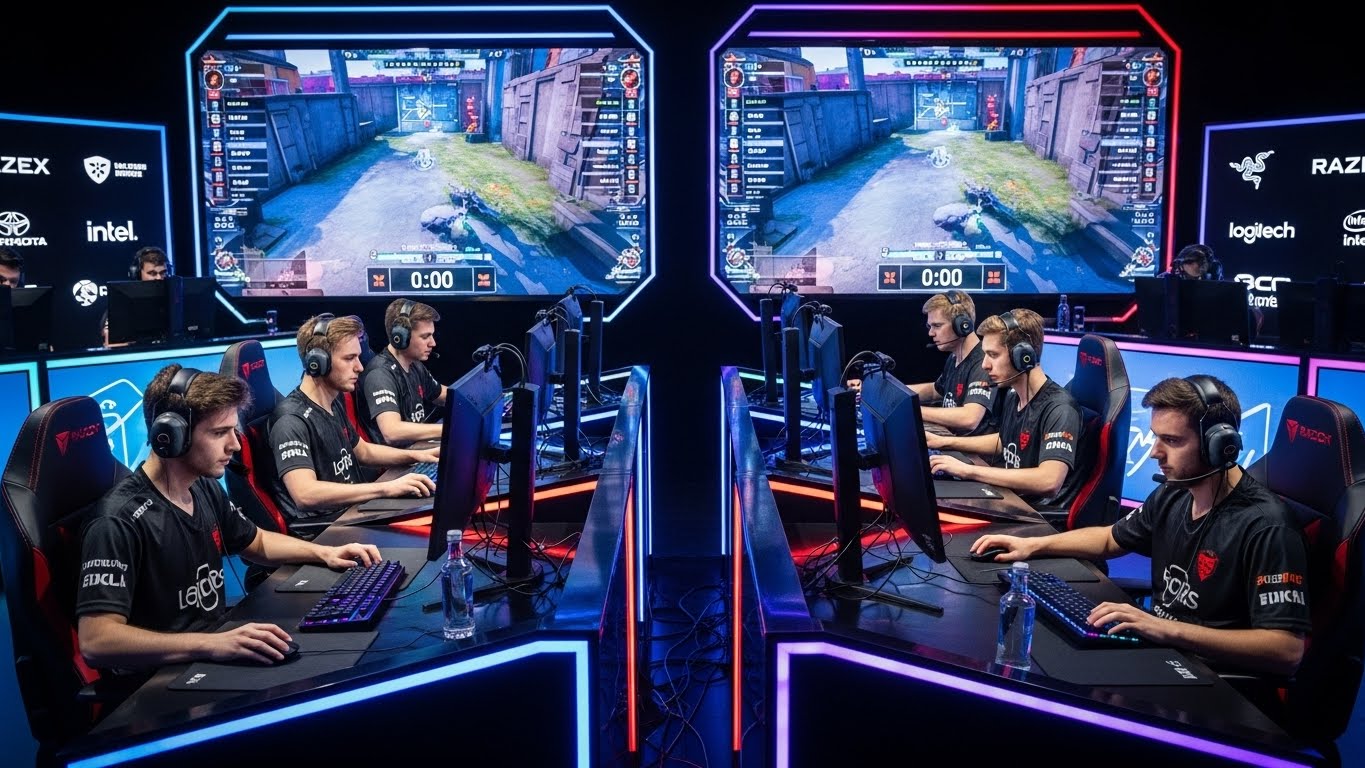
Esports is no longer casual play; it demands rigorous training, strategic planning, and teamwork. Professional teams operate much like traditional sports franchises, employing coaches, analysts, and managers. Players follow strict practice schedules, refine mechanics, and study opponents’ strategies. Communication, coordination, and adaptability are crucial during high-stakes matches. Success in esports requires not only individual skill but also cohesion as a team. This professionalization has elevated gaming to a discipline that combines athleticism, mental acuity, and creativity.
Popular Esports Titles and Genres
Esports encompasses a wide range of games and genres, each requiring unique skills. Multiplayer online battle arena (MOBA) games like League of Legends and Dota 2 emphasize teamwork and tactical thinking. First-person shooters (FPS) such as Counter-Strike: Global Offensive and Valorant test precision, reflexes, and communication. Real-time strategy (RTS) games challenge players to manage resources and execute long-term strategies. Fighting games, sports simulations, and battle royale titles add variety to the competitive landscape. The diversity of esports genres ensures that players with different skill sets and interests can participate and excel.
The Spectator Experience
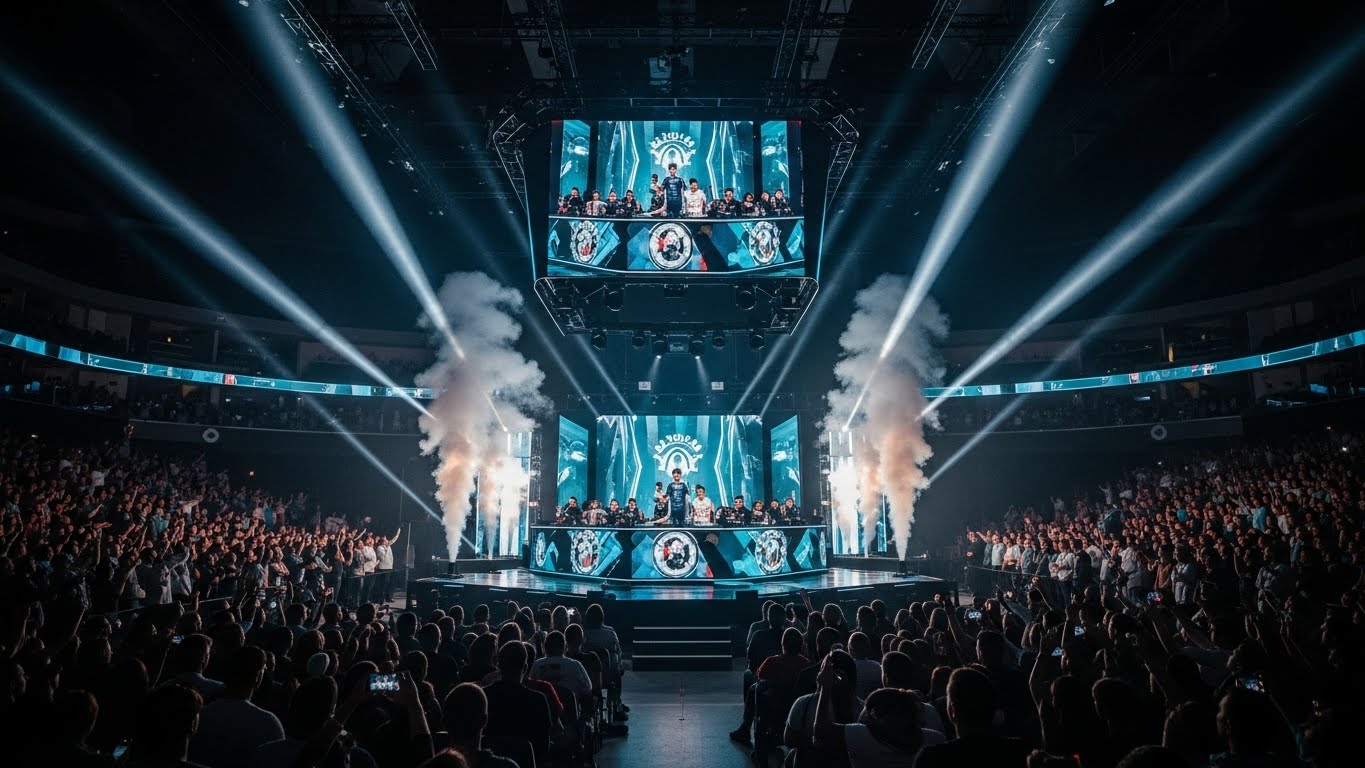
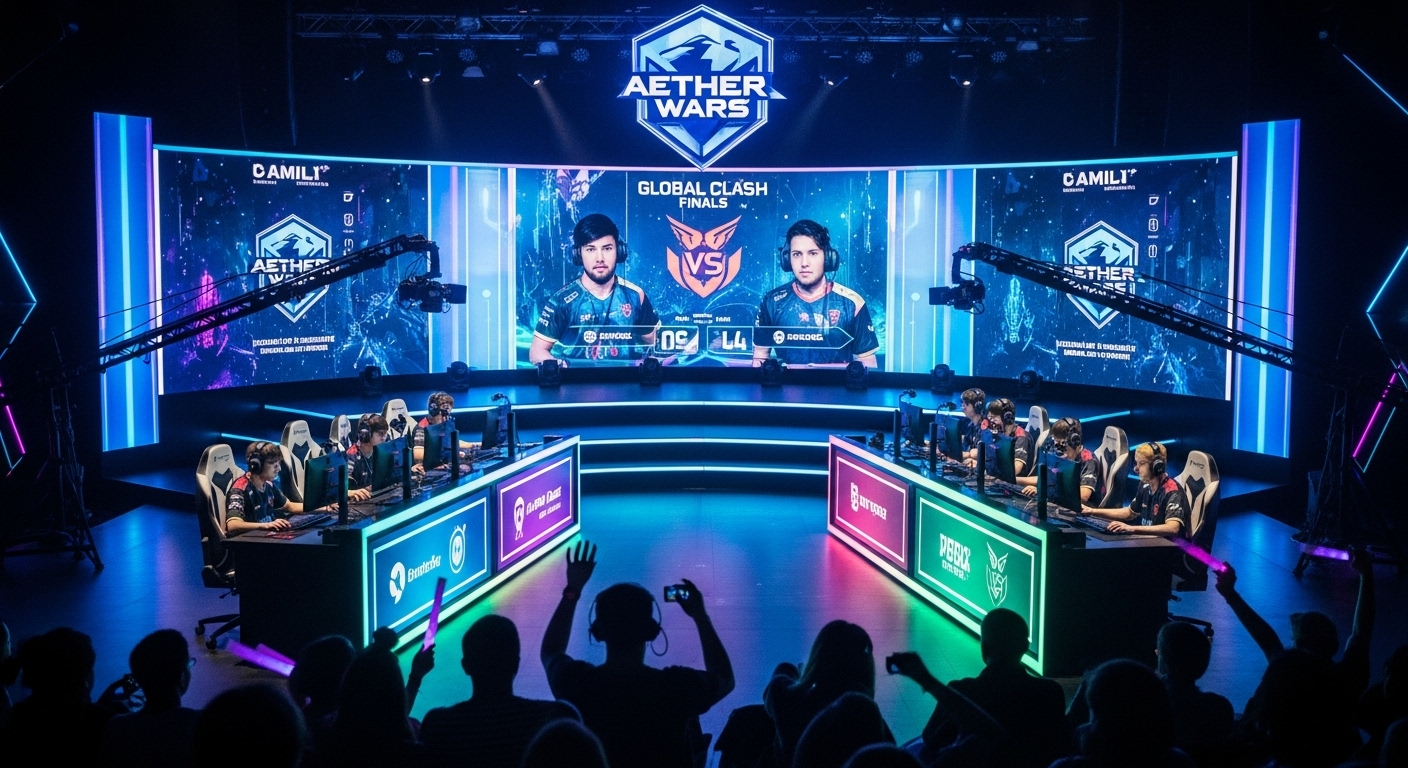
One of the defining aspects of esports is the spectator experience. Fans no longer only watch highlights; they attend live events, follow player streams, and participate in online communities. Streaming platforms allow viewers to interact with commentators, chat with other fans, and engage with content in real time. Major tournaments, such as the League of Legends World Championship or The International Dota 2 Championship, attract millions of viewers worldwide, rivaling traditional sporting events. Esports spectatorship has become an immersive form of entertainment, blending excitement, storytelling, and fan culture.
Esports and the Global Community
Esports transcends borders, connecting players and fans from diverse cultures and backgrounds. Online competitions allow global participation, while international tournaments bring communities together in shared experiences. Fans celebrate victories, debate strategies, and follow the journeys of their favorite teams. This sense of community fosters friendships, collaboration, and cultural exchange. Esports exemplifies how digital entertainment can create meaningful social connections, highlighting its significance beyond mere gameplay.
The Role of Streaming and Content Creation
Streaming platforms like Twitch and YouTube have revolutionized esports, allowing players to showcase skills, interact with audiences, and build personal brands. Content creators produce tutorials, highlights, and entertainment-focused videos that attract millions of followers. These platforms create new revenue streams through subscriptions, sponsorships, and ad revenue. Streaming has also democratized esports, allowing talented players from anywhere to gain recognition and potentially transition into professional careers. The synergy between esports and streaming amplifies both entertainment and engagement.
The Mental and Physical Demands of Esports
Esports requires more than technical skill; it demands mental resilience and physical well-being. Players endure long hours of practice, high-pressure situations, and the stress of competition. Mental focus, quick decision-making, and strategic thinking are essential for success. Many teams incorporate physical exercise, healthy nutrition, and mental coaching into their routines to optimize performance. This holistic approach underscores that esports, while digital, requires discipline and conditioning similar to traditional athletics.
Esports as a Career Path
Esports offers a wide range of career opportunities beyond playing professionally. Analysts, commentators, coaches, event organizers, marketers, and content creators form a thriving ecosystem around competitive gaming. Universities and training programs now offer scholarships and courses focused on esports management, performance, and production. The industry continues to grow, providing sustainable careers for individuals passionate about gaming, entertainment, and technology. Esports demonstrates that dedication to gaming can evolve into professional and rewarding pathways.
Sponsorship, Investment, and the Economics of Esports
The esports industry has attracted significant investment from sponsors, brands, and venture capitalists. Companies partner with teams and tournaments to reach younger, tech-savvy audiences. Prize pools for major tournaments often reach millions of dollars, reflecting the financial scale and competitive stakes of the industry. Merchandising, media rights, and digital content further contribute to the ecosystem. Esports is now recognized as a lucrative industry, blending entertainment, technology, and business innovation.
Challenges Facing Esports
Despite its growth, esports faces several challenges. Mental health, burnout, and long hours can affect players’ well-being. The industry also grapples with fairness, cheating, and ethical concerns in competition. Regulatory and legal frameworks for tournaments, player contracts, and sponsorships are still developing. Moreover, achieving mainstream recognition in regions less familiar with gaming culture remains a challenge. Addressing these issues is critical to ensuring sustainable growth and maintaining esports as a respected competitive platform.
The Cultural Impact of Esports
Esports has influenced modern culture by reshaping perceptions of gaming, competition, and entertainment. Professional players are admired as role models, tournaments are celebrated as cultural events, and gaming communities thrive across social media. Esports also fosters innovation in technology, content creation, and media production. By combining entertainment, skill, and storytelling, esports has carved its own cultural space, inspiring creativity and engagement in ways traditional sports have not.
The Future of Esports
The future of esports promises continued expansion, innovation, and global reach. Virtual reality, artificial intelligence, and cloud gaming could revolutionize competitive experiences. Cross-platform play and immersive spectator tools may further enhance engagement. Educational programs and youth initiatives are introducing esports to the next generation, ensuring talent pipelines and community growth. As technology and culture evolve, esports is poised to become an even more integral part of global entertainment and competition.
Conclusion: Esports as a Transformative Force
Esports has moved beyond casual gaming to become a global phenomenon, redefining competition, entertainment, and community. Its growth demonstrates the power of digital culture to unite people, create careers, and provide immersive experiences. From professional teams and international tournaments to streaming and content creation, esports embodies the intersection of technology, skill, and passion. As the industry continues to evolve, esports will remain a driving force in shaping how the world plays, watches, and connects through digital competition.