Introduction
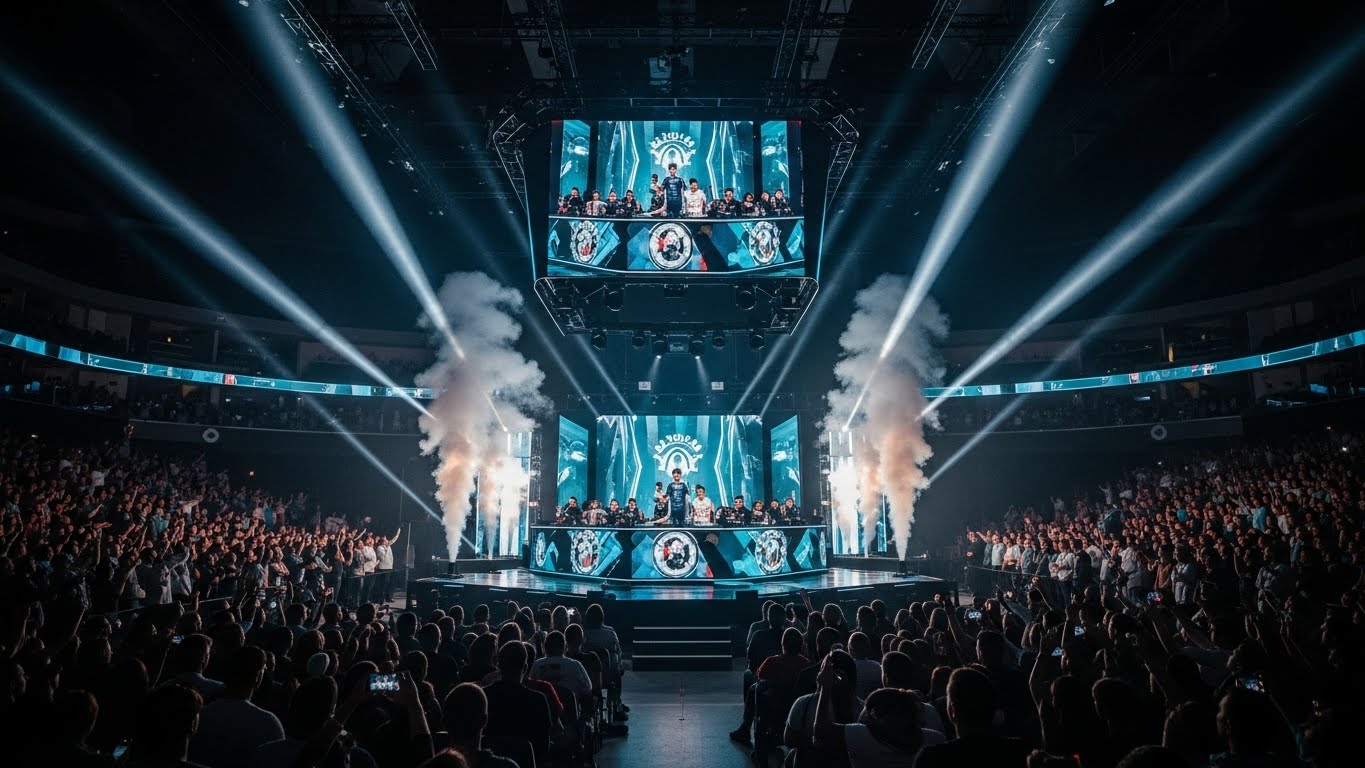
Over the last two decades, a quiet revolution has taken place in the world of entertainment and competition. What began as casual gaming sessions among friends has evolved into a multi-billion-dollar global industry known as esports. The term “esports,” short for electronic sports, represents organized competitive video gaming where individuals or teams compete in specific titles for fame, glory, and often substantial financial rewards. From local LAN tournaments to massive global championships streamed to millions of viewers, esports has become one of the most influential cultural and economic forces of the 21st century.
Esports today is more than just playing games—it’s a sophisticated ecosystem encompassing professional players, coaches, analysts, production teams, sponsors, broadcasters, and passionate fan communities. It blends entertainment, technology, and competition in a way that few other modern phenomena can. This blog explores the history, growth, structure, cultural influence, and the exciting future of esports.
The Origins of Esports
The seeds of esports were planted long before the word even existed. Competitive gaming can be traced back to the early days of arcade culture in the late 1970s and early 1980s. One of the first recorded video game competitions took place at Stanford University in 1972, where students competed in a game called Spacewar for a year’s subscription to Rolling Stone magazine. While modest by today’s standards, this event marked the birth of competitive gaming.
In the 1980s, arcade machines became the hub for early gaming rivalries. Games like Pac-Man, Donkey Kong, and Space Invaders encouraged players to chase high scores and claim their spot on leaderboard screens. The rise of publications like Twin Galaxies helped document these achievements, and televised shows such as “Starcade” introduced gaming competitions to a broader audience.
The 1990s saw the birth of more structured gaming competitions as personal computers and gaming consoles advanced. Titles like Street Fighter II and Doom laid the foundation for organized play, and the introduction of multiplayer online gaming brought a new dimension to competition. The late 1990s also witnessed the emergence of legendary events like the Cyberathlete Professional League (CPL) and the QuakeCon tournaments, signaling that competitive gaming was evolving into a professional pursuit.
The Rise of Esports in the 2000s
The early 2000s marked a turning point for esports. As internet connectivity improved and gaming hardware became more accessible, online multiplayer games flourished. Titles such as Counter-Strike, StarCraft, Warcraft III, and Dota became staples of early esports culture. South Korea, in particular, played a monumental role in shaping modern esports. The country invested heavily in high-speed internet infrastructure, and television channels began broadcasting professional StarCraft matches to millions of viewers. Pro gamers in South Korea were treated like celebrities, complete with sponsorships and fan clubs.
Western countries soon followed suit. The emergence of platforms like Twitch, YouTube, and later Mixer and Facebook Gaming revolutionized how people consumed gaming content. Suddenly, anyone with an internet connection could watch professional players compete live from anywhere in the world. This accessibility turned esports from a niche hobby into mainstream entertainment.
By the mid-2000s, major tournaments such as the World Cyber Games and Electronic Sports World Cup began offering six-figure prize pools. Gaming organizations started signing players to contracts, providing salaries, training facilities, and sponsorship deals. Esports was no longer just about fun—it had become a legitimate career path.
The Esports Explosion in the 2010s
The 2010s can be described as the golden decade of esports. With technological advancements, online streaming, and global connectivity, esports entered the mainstream consciousness. Games like League of Legends, Dota 2, Counter-Strike: Global Offensive, Overwatch, and Fortnite attracted massive global followings.
The numbers were staggering. League of Legends alone began hosting world championships that filled entire stadiums, with millions more watching online. Dota 2’s “The International” broke records year after year with its crowd-funded prize pools exceeding tens of millions of dollars. Fortnite’s World Cup in 2019 saw a 16-year-old winner taking home three million dollars—a moment that shocked traditional sports media.
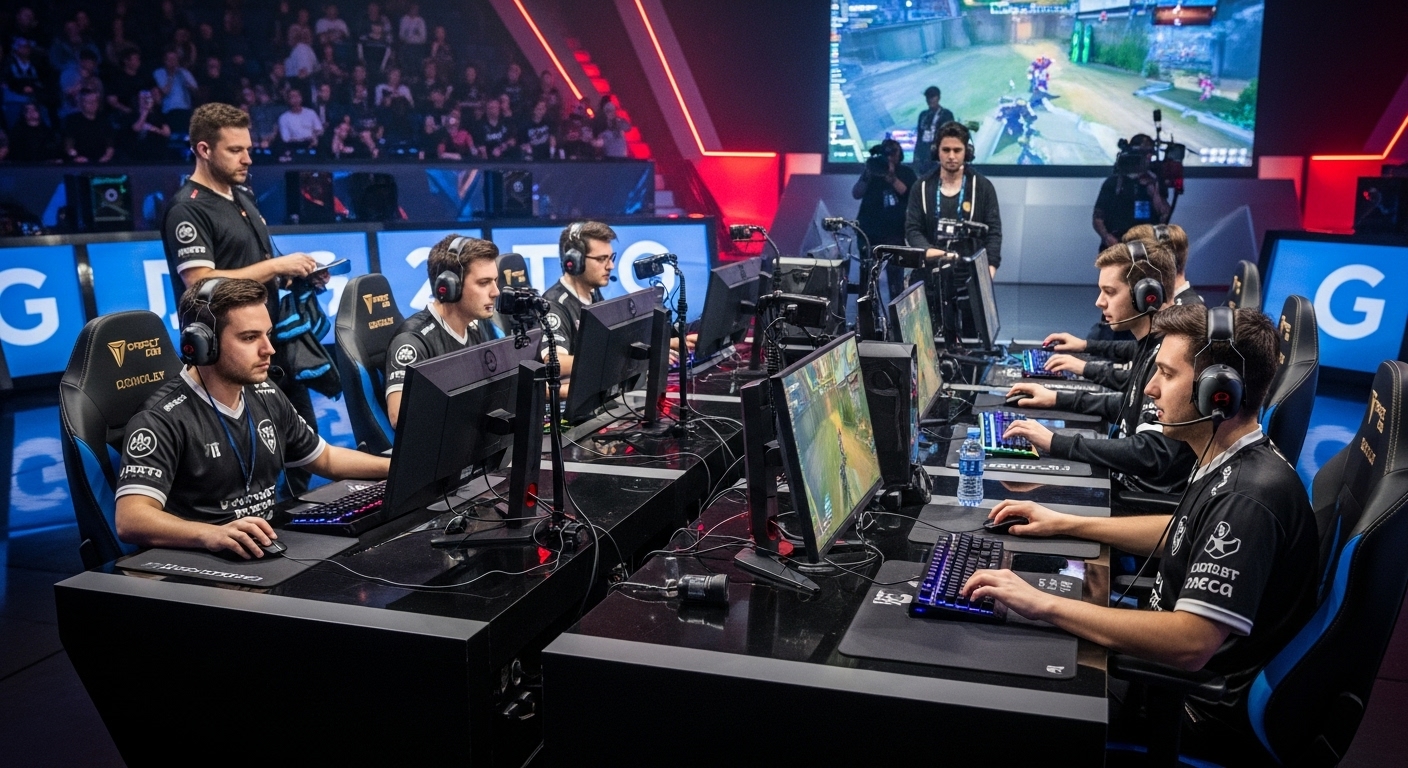
Professional esports organizations such as Team Liquid, Fnatic, Cloud9, T1, and G2 Esports became household names, managing dozens of players across multiple games. These organizations resembled traditional sports teams, complete with coaches, nutritionists, and marketing departments. The rise of corporate sponsorships from major brands like Coca-Cola, Intel, Nike, and Red Bull further legitimized esports as a mainstream industry.
At the same time, the audience for esports skyrocketed. Streaming platforms reported billions of hours of watched content annually. Esports events began to rival and even surpass viewership figures of major sporting events. The 2018 League of Legends World Championship Finals, for example, attracted more viewers than the Super Bowl.
The Structure of the Esports Industry
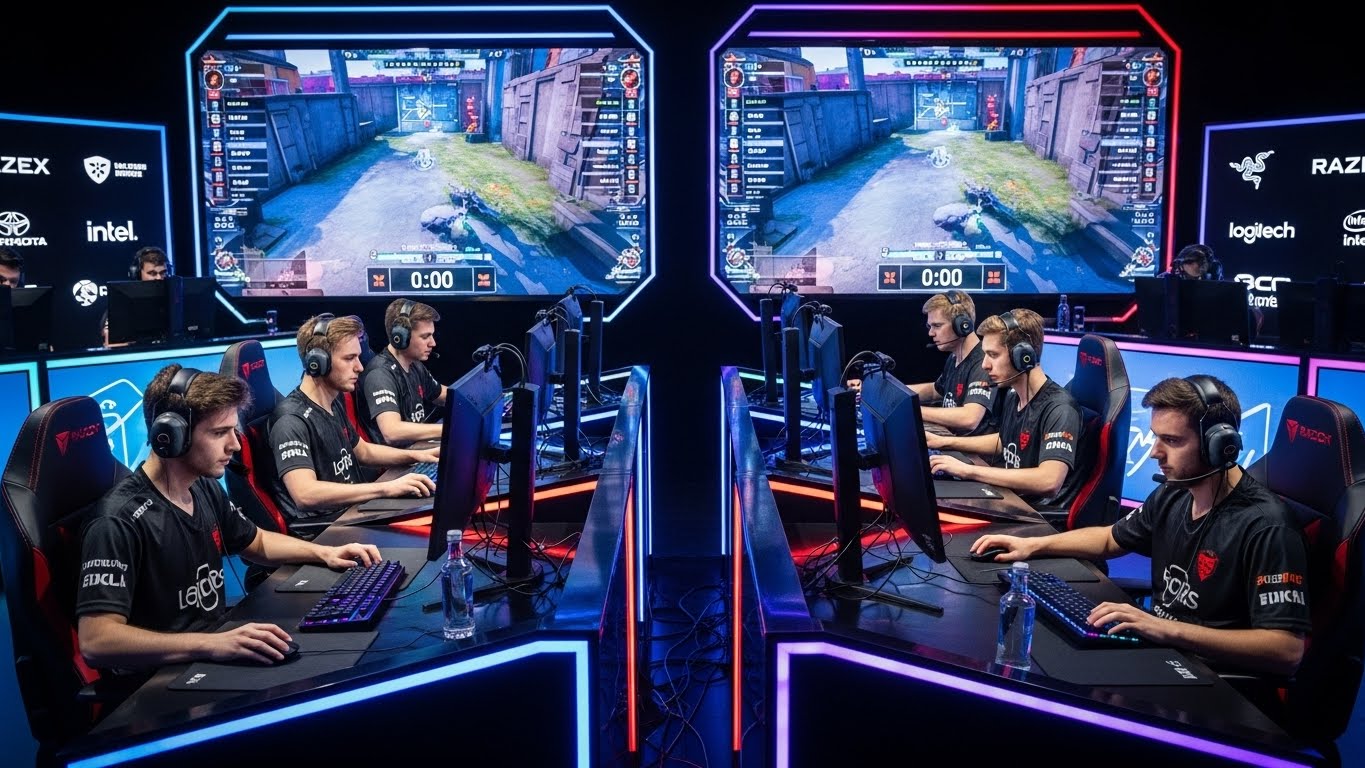
Esports is a complex ecosystem involving multiple stakeholders. At its core are the players and teams who compete at various levels—from amateur circuits to international championships. Surrounding them are tournament organizers, game publishers, broadcasters, sponsors, advertisers, and fans.
Game Publishers: Companies such as Riot Games, Valve, Blizzard, and Epic Games play a crucial role in shaping the competitive scene for their titles. They often fund and regulate tournaments, provide updates to balance gameplay, and engage with communities to maintain interest.
Teams and Organizations: Professional esports organizations operate similarly to sports franchises. They recruit talent, manage contracts, organize training schedules, and handle sponsorship deals. Successful teams often build a brand identity that extends beyond a single game, fostering loyal fanbases.
Tournaments and Leagues: Events like ESL One, DreamHack, and the Overwatch League have created professional structures for competition. Some games, such as League of Legends, operate regional franchise leagues modeled after traditional sports systems, complete with playoffs and championships.
Streaming and Media: Platforms like Twitch, YouTube Gaming, and Kick are central to the esports experience. They serve as both the primary viewing medium and a source of income for players through ad revenue, subscriptions, and donations.
Sponsorship and Marketing: Brands are drawn to esports because of its highly engaged and youthful audience. Sponsorship deals cover everything from energy drinks and hardware to apparel and even financial services.
Fans and Community: No industry thrives without its audience. Esports fans are known for their passion, engagement, and community-driven culture. Online forums, fan art, and memes have all contributed to the vibrant ecosystem surrounding competitive gaming.
The Esports Athlete: Training, Lifestyle, and Challenges
Contrary to outdated stereotypes, professional esports players are far from casual gamers lounging on couches all day. In fact, many top-tier players maintain intense training regimens that rival those of traditional athletes.
A typical day for a professional esports player involves hours of practice, strategy review, physical exercise, and team meetings. Reflex training, communication drills, and mental focus exercises are all essential components of preparation. Players study opponents’ gameplay, analyze data, and refine strategies constantly.
However, the life of an esports athlete is not without challenges. The pressure to perform at peak levels can lead to burnout, anxiety, and even physical strain. Repetitive stress injuries, such as wrist and back pain, are common. The short career span—often ending before the age of 30—means players must plan for their futures early, transitioning to coaching, streaming, or content creation roles.
Many organizations now prioritize mental and physical health, offering counseling and fitness programs to players. The growing acknowledgment of these issues represents a sign of maturity in the esports ecosystem.
Esports and Education
In recent years, esports has found its way into educational institutions. Schools and universities around the world have begun offering esports programs, scholarships, and degrees in fields related to gaming, such as game design, marketing, and broadcasting.
In the United States, several universities now field varsity esports teams, competing in national collegiate leagues. Students who once viewed gaming as a hobby now see it as a legitimate path to education and professional growth. Esports clubs have also become valuable spaces for developing teamwork, leadership, and digital literacy skills.
This integration of esports into academia reflects a broader societal shift. It shows that competitive gaming is not only a form of entertainment but also an avenue for personal development and career opportunities.
The Economic Impact of Esports
Esports is a thriving industry with revenues generated through sponsorships, advertising, ticket sales, media rights, and merchandise. According to market analyses, the global esports industry is expected to continue growing rapidly, with revenues reaching several billions annually.
Beyond the direct profits, esports has a ripple effect across technology, hospitality, and media industries. Major cities now host esports arenas, drawing tourism and investment. Events like DreamHack and ESL tournaments attract thousands of attendees, boosting local economies.
Esports also drives innovation in technology, particularly in streaming services, virtual reality, and game development. Hardware manufacturers continuously improve gaming peripherals—monitors, keyboards, headsets—to meet the demands of competitive players. The result is a cycle of innovation fueled by competition and consumer enthusiasm.
Cultural Influence and Global Reach
Esports is more than a competition—it’s a cultural movement that transcends borders. It has united millions of fans from different countries, languages, and backgrounds under a shared passion for gaming.
Events such as the League of Legends World Championship and The International feature players from every corner of the globe, showcasing diversity and cross-cultural collaboration. The community-driven nature of esports also fosters inclusion, giving voices to individuals who might not fit into traditional sports structures.
Pop culture has embraced esports as well. Movies, TV shows, and even music collaborations often feature gaming themes. Mainstream media outlets now regularly cover esports news, and celebrities have invested in teams, further bridging the gap between entertainment industries.
The Role of Technology in Esports
Technology lies at the heart of esports. High-performance hardware, seamless online connectivity, and sophisticated broadcasting tools make modern esports possible.
The advancement of graphics processing units (GPUs) and internet speeds has enabled real-time multiplayer gaming experiences. Meanwhile, streaming platforms provide instant global access to matches. Artificial intelligence is now used to analyze gameplay, providing insights that help teams refine strategies and detect cheating.
Virtual reality (VR) and augmented reality (AR) are beginning to shape new frontiers for competitive gaming. Imagine players competing in immersive VR arenas or fans watching matches from the perspective of their favorite players in real time. These innovations will continue to redefine how we experience esports in the coming years.
Challenges Facing the Esports Industry
Despite its success, esports faces a variety of challenges that could influence its long-term sustainability.
Regulation and Governance: Unlike traditional sports, esports lacks a unified governing body. Rules and standards vary across games and regions, leading to inconsistencies in player contracts, tournament management, and dispute resolution.
Player Welfare: Ensuring the well-being of players remains a critical concern. Issues like burnout, mental health, and career longevity must be addressed through proper support systems.
Cheating and Integrity: With large sums of money at stake, cheating, match-fixing, and hacking pose serious threats to the credibility of esports. Anti-cheat technologies and transparent investigations are essential for maintaining trust.
Diversity and Inclusion: While esports is global, it still struggles with gender diversity and inclusivity. Women and underrepresented groups often face barriers such as harassment or lack of visibility. Efforts to create safer and more inclusive spaces are ongoing.
Monetization Balance: As esports grows, balancing the interests of game publishers, players, and fans becomes increasingly complex. Over-commercialization risks alienating the very communities that built esports from the ground up.
The Future of Esports
Looking ahead, the future of esports appears incredibly bright. As technology advances and cultural acceptance expands, esports is expected to grow into one of the dominant forces in entertainment and sports.
The integration of artificial intelligence, virtual reality, and blockchain technologies could revolutionize how competitions are organized and experienced. The metaverse concept—an interconnected digital world—might enable entirely new forms of interactive esports, where players and fans coexist in shared virtual environments.
Traditional sports organizations are also investing in esports, blurring the lines between digital and physical competition. Major leagues such as the NBA and Formula 1 now have official esports divisions, signaling that the gap between gaming and traditional sports is closing rapidly.
Education, too, will continue to play a role, with more universities offering esports-related programs. Governments may increasingly recognize esports as an official sport, opening new funding and regulatory opportunities.
Perhaps most importantly, esports will continue to inspire younger generations. It represents a new kind of competition—one that values creativity, strategy, and community over physical boundaries.
Conclusion
Esports has evolved from humble beginnings into a global cultural and economic powerhouse. What was once dismissed as a niche hobby is now a legitimate form of entertainment, career, and sport that captivates millions worldwide.
Its journey mirrors the evolution of digital culture itself—driven by passion, innovation, and connectivity. As technology continues to evolve, so will esports, pushing the limits of what competition and entertainment can be in the digital age.
The esports phenomenon has proven that competitive gaming is not merely a pastime—it’s a new form of expression, teamwork, and achievement. From virtual arenas to global championships, esports has redefined what it means to play, compete, and win in the modern world.